
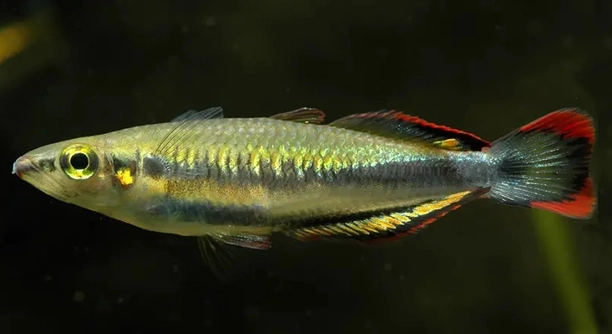
Have you ever noticed your rainbowfish swimming around while you enjoy a snack? Their bright colors and active movements can make you think they might enjoy tasting your food. Watching them closely sparks natural curiosity.
Rainbowfish should not be fed human food. Many common foods contain ingredients harmful to their digestive systems. Their nutritional needs are best met with species-specific pellets, flakes, or live foods designed for their health and proper growth.
Understanding why rainbowfish need specialized diets can prevent health issues. Proper feeding habits ensure your fish thrive and maintain their vibrant colors and energetic behavior.
Why Rainbowfish Cannot Eat Human Food
Human food is often too rich or seasoned for rainbowfish, which have delicate digestive systems. Ingredients like salt, sugar, oils, and spices can cause serious health problems, including bloating, constipation, or even organ damage. Fruits, bread, and processed snacks may seem harmless in small amounts, but they provide little nutritional value for fish. Unlike humans, rainbowfish require a diet rich in proteins, vitamins, and minerals tailored to their species. Even small bits of leftover food can pollute the tank, increasing the risk of bacterial or fungal growth, which can harm both the fish and the ecosystem of the aquarium. Feeding them proper fish flakes, pellets, or live foods ensures they receive essential nutrients for energy, growth, and maintaining their bright colors. Over time, relying on human food can lead to malnutrition, weakened immunity, and behavioral changes, which are difficult to reverse once established. Proper feeding supports overall health and longevity in captivity.
A steady diet of fish-specific food keeps rainbowfish active and healthy while avoiding digestive and environmental issues.
Consistency in feeding routines also strengthens the fish’s natural behaviors. They learn to recognize feeding times, which reduces stress and helps maintain a balanced ecosystem in the tank. Proper portion control ensures no leftover food pollutes the water, and the fish receive adequate nutrients without overfeeding. Nutritional balance directly impacts their growth rates, color intensity, and reproductive health. Over time, a well-maintained diet promotes strong immunity and prevents common diseases. Fish flakes and pellets often include essential fatty acids, vitamins, and minerals specifically formulated for rainbowfish, which human food cannot replace. Live or frozen foods, such as brine shrimp or daphnia, provide protein-rich options that mimic their natural diet. By maintaining a proper diet, owners can support their fish’s overall vitality, encourage natural behaviors, and enjoy the full display of their shimmering colors for years. Monitoring feeding habits and tank cleanliness goes hand in hand with nutritional care.
Safe Alternatives to Human Food
Small amounts of certain vegetables or cooked eggs can supplement a rainbowfish’s diet, but only occasionally.
Live foods like brine shrimp or daphnia are highly beneficial. They are protein-rich, easy to digest, and encourage natural hunting behavior. Frozen options work well too, as they maintain nutrients and reduce the risk of parasites. These alternatives help support vibrant colors, growth, and energy levels. Regular fish flakes or pellets remain the primary food source, ensuring all dietary requirements are consistently met. Mixing safe supplements with proper fish food can enhance the diet without causing harm. Feeding rainbowfish the right foods promotes long-term health and maintains a stable tank environment, preventing water quality issues linked to uneaten human food. Properly prepared vegetables, like peas, can also aid digestion and provide fiber. Balancing these safe options with regular commercial foods is key to maintaining their well-being.
Risks of Feeding Rainbowfish Human Food
Even small pieces of human food can upset a rainbowfish’s digestive system. Salt, sugar, and spices are particularly dangerous. Foods high in fat or preservatives can lead to long-term health problems and reduce their lifespan.
Feeding rainbowfish human food can also harm the tank environment. Leftover scraps decompose quickly, raising ammonia levels that stress the fish and promote bacterial or fungal growth. Over time, repeated exposure to improper foods can cause bloating, constipation, or vitamin deficiencies. Rainbowfish are sensitive to changes in water quality and diet, so even minor errors in feeding can have noticeable effects on their health, behavior, and coloration. Avoiding human food entirely helps maintain a clean, balanced tank and prevents preventable illnesses.
Rainbowfish have specific dietary needs that human food cannot meet. They require protein for growth, vitamins for color, and minerals for strong bones and overall health. Commercial fish flakes, pellets, and live foods provide these nutrients in the right balance. Using human food instead of proper fish food can stunt growth, weaken immunity, and lead to poor coloration. Maintaining a consistent diet designed for rainbowfish supports energy levels, reproductive health, and long-term vitality. Proper feeding also encourages natural foraging behavior, keeping fish active and healthy.
Tips for Safe Feeding Practices
Feed rainbowfish small, measured portions two to three times daily to avoid overfeeding and maintain water quality.
Choose high-quality flakes or pellets as the main diet, and rotate with live or frozen foods for variety. Remove uneaten food promptly to prevent decay. Occasionally, cooked vegetables like peas can supplement the diet, providing fiber and aiding digestion. Monitor fish behavior and tank cleanliness daily to ensure their diet supports overall health. Maintaining a structured feeding schedule reduces stress, promotes growth, and helps rainbowfish display their best colors. Consistency is key to preventing both dietary and environmental issues, creating a thriving aquarium.
Common Misconceptions About Feeding Rainbowfish
Some people believe rainbowfish can eat bread or small snacks without harm. This is false, as these foods offer no nutritional value and can disrupt their digestive system.
Another misconception is that feeding them leftovers will save money. Human food can introduce harmful bacteria and chemicals into the tank, risking illness and water quality.
Best Types of Fish Food
Rainbowfish thrive on foods specifically formulated for their species. Flakes and pellets provide a balanced mix of protein, vitamins, and minerals essential for growth, color, and energy. Live or frozen foods like brine shrimp and daphnia encourage natural hunting behaviors, which keep the fish active. Offering occasional vegetable supplements, such as cooked peas, can aid digestion and prevent constipation. Consistently feeding a varied diet designed for rainbowfish ensures long-term health and vibrant coloration. Avoiding human food entirely reduces risks of digestive issues, stress, and tank contamination, supporting both the fish and the aquarium ecosystem.
Monitoring Your Fish’s Diet
Observe rainbowfish during feeding to ensure they eat the right portions and maintain healthy behavior.
FAQ
Can rainbowfish eat fruits or vegetables?
Rainbowfish can eat some vegetables in small amounts, such as cooked peas, zucchini, or spinach. These should be soft and cut into tiny pieces. Fruits are generally not recommended because they contain sugars and acids that rainbowfish cannot digest properly, which can cause stomach upset or water contamination. Vegetables can occasionally supplement their diet, but the main nutrition should come from flakes, pellets, or live foods designed for rainbowfish.
Is it safe to give rainbowfish leftovers from my plate?
Leftovers are not safe for rainbowfish. Even small amounts can introduce harmful bacteria, salts, or spices. Foods like bread, rice, pasta, and cooked meats can upset digestion, cause bloating, and contaminate the tank water. Feeding leftovers regularly can lead to long-term health problems and stress.
Can rainbowfish eat protein-rich human foods like eggs or fish?
Cooked eggs in very small amounts can be offered occasionally, but raw or seasoned eggs should never be given. Human fish, such as cooked salmon, may seem natural, but seasoning, oils, and preservatives make them unsafe. Rainbowfish require protein from safe live or frozen options, like brine shrimp, daphnia, or bloodworms, which meet their nutritional needs without harmful additives.
What happens if rainbowfish eat human food accidentally?
If a small piece of human food is eaten accidentally, it usually does not cause severe harm. Watch the fish for changes in behavior, bloating, or unusual waste. Remove any uneaten food quickly and maintain good tank cleanliness. Repeated consumption, however, can lead to serious digestive problems, stunted growth, and a weakened immune system.
Can I feed rainbowfish small amounts of bread or rice?
Bread, rice, and pasta are not suitable for rainbowfish. These foods provide no necessary nutrients and can swell in their stomach, causing bloating or constipation. Regular feeding of these items can also pollute the tank water, leading to higher ammonia levels and stress for all fish.
Are human snacks like chips or crackers harmful?
Yes, human snacks are highly dangerous. Chips and crackers are high in salt and oils, which rainbowfish cannot process. These ingredients can cause organ damage and disrupt the delicate balance of the tank’s water chemistry. Avoid all processed human snacks to keep fish healthy.
Can I use cooked vegetables as a regular part of their diet?
Cooked vegetables can be offered occasionally but should not replace regular fish food. They provide fiber and some nutrients, but rainbowfish need complete nutrition from specialized flakes, pellets, or live/frozen foods. Over-relying on vegetables can result in malnutrition and affect their growth and coloration.
How often should rainbowfish be fed?
Rainbowfish should be fed two to three times daily with small portions. Overfeeding can pollute the tank and cause obesity or digestive issues. Carefully observe how much they eat in a few minutes and remove any uneaten food immediately. A consistent schedule helps maintain water quality and healthy fish behavior.
Can live foods replace regular fish food?
Live foods like brine shrimp or daphnia are excellent for supplementing a rainbowfish’s diet. They encourage natural hunting and provide protein. However, they should not completely replace flakes or pellets because live foods alone may lack some vitamins and minerals necessary for long-term health.
What should I do if my rainbowfish ate human food by mistake?
If accidental ingestion occurs, remove leftover food and monitor the fish closely. Look for bloating, sluggishness, or abnormal swimming. Partial water changes can help maintain water quality, and returning to their regular diet quickly will reduce the risk of digestive issues. Frequent human food exposure should be avoided entirely.
Are there any safe human foods for rainbowfish?
Very few human foods are ever safe. Cooked, plain vegetables in tiny portions can be used occasionally, but all processed, seasoned, or sugary foods should be avoided. The safest approach is to stick to foods specifically formulated for rainbowfish to meet all nutritional requirements and maintain tank health.
Can feeding human food affect their colors?
Yes, improper food can dull rainbowfish colors. A lack of essential nutrients like carotenoids and vitamins reduces vibrancy. Regular, balanced feeding with proper fish flakes, pellets, and occasional live foods helps maintain bright, healthy coloration and energetic behavior.
How can I tell if my fish is affected by human food?
Signs include bloating, constipation, reduced activity, faded colors, and abnormal swimming. Uneaten food left in the tank may also cloud the water. Immediate adjustment to a proper diet and careful monitoring can help reverse minor effects, but repeated feeding of human food may cause long-term health issues.
Is it ever worth experimenting with human food for rainbowfish?
Experimenting with human food is strongly discouraged. The risks outweigh any potential benefit. Rainbowfish thrive on a diet tailored for their species, and human food introduces hazards that can compromise growth, health, and tank conditions. Proper care involves sticking to tested and safe feeding practices.
Can supplements replace proper fish food?
Supplements alone cannot replace balanced fish food. They may provide certain vitamins or nutrients, but rainbowfish need a complete diet from flakes, pellets, or live foods to maintain energy, growth, color, and immunity. Supplements should only be occasional additions, not primary nutrition sources.
How do I gradually switch rainbowfish to proper food if they try to eat human food?
Start by offering small amounts of high-quality flakes or pellets alongside any human food they may prefer. Slowly reduce human food until they fully accept the fish-specific diet. Consistency and patience are key. Monitor feeding habits and water quality throughout the transition to ensure health and compliance.
Can overfeeding with human food cause death?
Yes, repeated overfeeding with human food can be fatal. Digestive blockages, organ damage, poor water quality, and infections all increase mortality risk. Even a few harmful ingredients regularly offered can shorten a rainbowfish’s lifespan significantly. Proper feeding is essential for survival and well-being.
What are the long-term effects of feeding human food?
Long-term exposure can lead to stunted growth, weakened immunity, faded coloration, and chronic digestive issues. Tank water quality may decline due to uneaten food, increasing stress and susceptibility to disease. A proper diet ensures vitality, longevity, and vibrant health.
Can feeding mistakes be corrected?
Yes, returning to a proper diet, performing regular water changes, and monitoring health can reverse minor issues. Persistent problems caused by repeated human food consumption may require more intensive care or veterinary advice. Early intervention prevents permanent damage.
Are there any exceptions to avoiding human food?
Only very occasional small servings of plain cooked vegetables, like peas, may be acceptable. All other human foods—including fruits, meats, grains, and processed snacks—should never be offered. The safest approach is to rely entirely on foods designed for rainbowfish.
Why is sticking to species-specific food so important?
Species-specific food provides balanced nutrition, supports color, growth, energy, and immune health. Human food lacks essential nutrients and introduces risks that can harm rainbowfish over time. Consistent feeding practices ensure a healthy, vibrant aquarium without compromising the fish or tank environment.
Can rainbowfish survive on a poor diet?
They may survive for a short time, but poor nutrition weakens their immunity, slows growth, and dulls coloration. Long-term survival depends on proper nutrition from flakes, pellets, and safe live or frozen foods. Human food alone is not adequate.
How can I encourage rainbowfish to eat proper food?
Offer a mix of flakes, pellets, and occasional live foods, feeding at the same times daily. Remove any human food and consistently present high-quality options. Positive reinforcement through routine encourages acceptance and reduces stress, helping the fish adapt to a safe diet.
Does human food affect reproduction?
Yes, inadequate nutrition from human food can reduce fertility, cause weak eggs or fry, and disrupt natural breeding behavior. Proper fish food ensures reproductive health and vitality.
Are there signs of vitamin deficiency from human food?
Signs include faded colors, slow growth, poor swimming, and increased susceptibility to disease. Species-specific food prevents these deficiencies, supporting overall health and vibrant appearance.
What should I prioritize when feeding rainbowfish?
Focus on species-specific flakes or pellets, supplemented occasionally with live or frozen foods and safe vegetables. Avoid human food entirely. Monitor feeding portions, tank cleanliness, and fish behavior to maintain long-term health and vibrant coloration.
Can I use human food to treat a sick rainbowfish?
No, human food cannot treat illnesses. If a fish is sick, proper veterinary care or specialized medicated food is required. Feeding human food during illness may worsen conditions and further stress the fish.
Is it okay to experiment with occasional snacks?
Even occasional snacks are risky. Unfamiliar ingredients can upset digestion and water quality. Stick to proven, safe foods to ensure health and reduce preventable problems.
How do I transition young rainbowfish to proper food?
Introduce high-quality flakes or micro-pellets gradually while monitoring for acceptance. Offer small portions multiple times a day. Avoid human food entirely to ensure they develop healthy eating habits from the start.
Can rainbowfish adapt to a mostly human food diet?
No, rainbowfish cannot adapt safely. Human food does not meet nutritional needs, and prolonged feeding can cause irreversible health issues. Proper diet is essential for survival and thriving.
How often should I check water quality when feeding?
Check water at least weekly, or more often if feeding issues arise. Uneaten food can raise ammonia and nitrate levels quickly, stressing rainbowfish. Maintaining clean water supports their digestive health and overall well-being.
Are frozen foods safer than live foods?
Frozen foods are generally safe and convenient. They retain nutrients and reduce risk of parasites. Live foods are excellent for activity and protein but must be sourced carefully to avoid disease. A combination is ideal for nutrition and enrichment.
Can rainbowfish eat human food during special occasions?
Special occasions are not an exception. Any human food carries risk. Occasional tiny vegetables may be acceptable, but all processed or seasoned foods should never be offered. Maintaining proper feeding habits is more important than temporary treats.
What is the single most important feeding rule?
Never feed rainbowfish human food. Consistently provide species-specific flakes, pellets, and safe live or frozen foods. This rule ensures proper nutrition, vibrant colors, strong immunity, and a healthy tank environment for long-term success.
Can human food cause immediate death?
In extreme cases, foods with high salt, oil, or toxic ingredients can cause rapid illness or death. Even small amounts repeatedly offered increase risk. Safe, species-specific feeding prevents these dangerous outcomes.
How do I manage picky eaters?
Offer small portions of high-quality flakes, pellets, or live foods multiple times a day. Remove uneaten food quickly, maintain routine, and avoid human food entirely. Consistency encourages healthy eating habits and reduces stress for picky rainbowfish.
Are there safer alternatives to experiment with flavors?
Yes, small amounts of safe vegetables or frozen foods provide variety without risking health. Avoid any human food or processed items. Properly rotating approved foods keeps fish engaged and supports nutrition.
What is the impact of improper diet on lifespan?
Improper diet weakens immunity, slows growth, and increases disease susceptibility, significantly shortening lifespan. A balanced diet of flakes, pellets, and safe live foods supports long-term health and vibrant life.
Can tankmates be affected by human food?
Yes, leftover human food can pollute the water, affecting all fish in the tank. Uneaten scraps increase bacteria and ammonia, stressing every fish. Proper feeding practices protect the entire aquarium ecosystem.
Is feeding human food ever recommended by experts?
No reputable expert recommends feeding human food. Species-specific diets are proven to support health, growth, color, and longevity, while human food carries avoidable risks. Following professional guidelines ensures optimal care.
How do I know my rainbowfish is thriving on proper food?
They remain active, maintain bright coloration, swim energetically, and show normal feeding behavior. Regular growth and healthy waste production indicate successful nutrition. Any deviation may signal dietary or environmental problems.
Can improper diet affect behavior?
Yes, human food or poor nutrition can make rainbowfish lethargic, reduce activity, or increase aggression. Proper feeding maintains normal behaviors, activity levels, and natural social interactions.
What is the safest approach to feeding?
Stick entirely to species-specific flakes, pellets, and approved live or frozen foods. Use occasional cooked vegetables sparingly. Maintain portion control and consistent schedules to support health, growth, and vibrant coloration.
How can I prevent accidental feeding of human food?
Feed rainbowfish at designated times, remove leftover human food, and educate household members. Clear routines reduce mistakes and protect the fish from digestive or health issues. Consistency is essential for a safe environment.
Do rainbowfish require supplements if fed properly?
No, a balanced diet of flakes, pellets, and occasional live or frozen foods meets all nutritional needs. Supplements are only necessary if a deficiency is identified by a specialist.
Can I feed rainbowfish treats like small pieces of bread once in a while?
Treats like bread should be avoided completely. Even small amounts provide no nutritional value and can cause digestive upset or pollute the tank. Proper fish-specific foods remain the safest choice.
How strict should feeding routines be?
Very strict. Consistency in portion size, timing, and food type prevents health problems, supports behavior, and maintains water quality. Deviations, especially involving human food, increase risks.
What should I prioritize if tank space is limited?
Prioritize proper nutrition and controlled portions to avoid overcrowding effects from uneaten food. Stick to species-specific diets, monitor water quality, and maintain hygiene to ensure the health of all fish.
Can human food affect stress levels in rainbowfish?
Yes, improper food can cause digestive discomfort, leading to stress and reduced activity. Stress impacts immunity and overall health. Proper, balanced diets help maintain calm and healthy fish.
What is the best method to introduce new food?
Introduce new flakes, pellets, or live foods gradually alongside existing food. Offer small amounts multiple times a day. Avoid human food entirely during the transition to ensure acceptance and proper nutrition.
Are there risks with frozen foods?
Frozen foods are generally safe but must be thawed properly to prevent digestive issues. Avoid spoiled or contaminated frozen items. Use them as a supplement to a balanced diet of flakes and pellets.
How do I balance variety and safety?
Provide a mix of flakes, pellets, and safe live or frozen foods, with occasional vegetables. Avoid human food. Rotation maintains nutrition, supports behavior, and prevents dietary boredom.
Can feeding mistakes be fatal?
Yes, repeated or high-risk mistakes like salty or oily human foods can cause serious health problems and death. Adhering to safe feeding practices prevents fatal errors.
What is the role of water quality in feeding?
High water quality ensures proper digestion and health. Uneaten human food can raise ammonia and nitrate levels, stressing rainbowfish. Maintaining clean water complements safe feeding habits.
Is there a way to “treat” rainbowfish safely?
Safe treats include tiny portions of cooked vegetables or occasional live/frozen foods. Avoid all processed human foods. Proper treats support enrichment without compromising health.
How can I tell if my fish is overfed?
Signs include leftover food in the tank, bloating, sluggish movement, and rapid waste accumulation. Reduce portions and monitor feeding closely to prevent digestive or water quality issues.
What is the most common feeding mistake?
Feeding human food, overfeeding, and inconsistent schedules are the most common mistakes. These can cause health problems, poor coloration, and stressed fish. Proper diet and routine are essential.
Are there any emergency measures if human food is ingested?
Remove leftovers immediately, perform a partial water change, and monitor the fish closely. Return to their regular diet to minimize risk. Persistent ingestion requires more careful attention or expert advice.
Can stress from poor diet affect immunity?
Yes, inadequate nutrition or human food increases stress, reducing immune response and making rainbowfish more susceptible to disease. Proper feeding supports overall health and resilience.
Do rainbowfish need supplements if they refuse certain foods?
Supplements are only useful if deficiencies appear. Consistently offering a balanced mix of flakes, pellets, and live or frozen foods usually meets all nutritional needs.
How do I ensure proper growth?
Feed high-quality species-specific food consistently, monitor portions, and maintain tank cleanliness. Avoid human food entirely. Proper nutrition ensures steady growth, bright colors, and strong immunity.
Can feeding mistakes be prevented?
Yes, by using strict routines, removing human food, and educating anyone interacting with the fish. Consistency and attention to detail prevent most issues.
How important is protein for rainbowfish?
Protein is essential for growth, energy, and overall health. Live or frozen foods and quality flakes/pellets provide necessary protein. Human foods rarely supply adequate or safe sources.
Can improper feeding shorten lifespan?
Yes, repeated feeding of human food or poor-quality diet weakens immunity, slows growth, and increases susceptibility to disease, reducing lifespan. Proper nutrition is critical for longevity.
Are there visible signs of malnutrition?
Yes, dull colors, slow swimming, weight loss, and frequent illness indicate malnutrition. Consistent feeding of proper fish food prevents these issues.
What should be done if multiple fish are in the tank?
Feed all rainbowfish equally with appropriate portions. Avoid human food, as it can cause competition, stress, and water pollution. Regular monitoring ensures everyone receives adequate nutrition.
How do I handle accidental overfeeding?
Remove uneaten food, perform partial water changes, and resume normal portions. Monitor fish for bloating or abnormal behavior. Consistency prevents long-term problems.
Can human food impact tank plants?
Yes, leftover human food can decay and increase nutrients that promote algae growth, affecting plants and water quality. Proper feeding prevents these issues.
Is frozen food better than live food for beginners?
Frozen food is safer for beginners because it reduces the risk of parasites or disease, while still providing protein. Live food is excellent but requires careful sourcing.
How do I combine different types of safe food?
Offer a mix of flakes, pellets, live, and frozen foods in small, balanced portions. Rotate occasionally to maintain interest, nutrition, and health. Avoid human food entirely.
Can rainbowfish adapt to human food if forced?
No, forcing human food can lead to serious health problems and death. They cannot meet nutritional needs from human food alone. Safe, species-specific food is essential.
How important is routine for feeding?
Feeding routine is crucial. Regular times, consistent portions, and proper foods maintain health, prevent stress, and keep water clean. Deviations increase risk of illness or digestive issues.
What if my rainbowfish refuse flakes or pellets?
Try smaller portions, mix with live or frozen food, or soften flakes slightly. Never introduce human food as a replacement. Gradual transition encourages acceptance.
How do I know the fish is getting enough nutrients?
Rainbowfish require a carefully managed diet to stay healthy and vibrant. Their digestive systems are delicate and cannot process the ingredients found in human food, such as salt, sugar, oil, and spices. Even foods that seem harmless, like small pieces of bread, pasta, or fruit, can cause digestive upset or introduce bacteria that harm the tank environment. Feeding rainbowfish a proper diet ensures they receive the nutrients necessary for growth, energy, and maintaining their bright colors. Flakes and pellets designed specifically for rainbowfish contain the right balance of protein, vitamins, and minerals. Live or frozen foods, like brine shrimp, daphnia, or bloodworms, supplement their diet with protein and encourage natural hunting behaviors. Offering occasional small amounts of cooked vegetables, like peas, can aid digestion and provide fiber, but these should never replace their primary food. Consistency in feeding and portion control helps prevent overfeeding, which can pollute the tank and stress the fish.
Maintaining proper feeding routines is as important as the type of food provided. Rainbowfish do best when fed two to three times daily in small, measured portions. Overfeeding, even with the right food, can lead to bloating, constipation, and poor water quality, which affects overall health. Observing the fish during feeding helps ensure they consume the right amount and reduces leftover food in the tank. Monitoring water quality, including ammonia and nitrate levels, is crucial when feeding rainbowfish. Uneaten food can quickly decompose and create conditions that promote bacteria or algae growth, both of which stress the fish and disrupt their environment. By providing a consistent schedule with high-quality fish-specific food and occasional safe supplements, rainbowfish are more likely to thrive, remain active, and maintain their vivid coloration. Proper nutrition also supports immune function, helping them resist disease and recover quickly from minor illnesses.
Feeding rainbowfish correctly contributes to their long-term health and longevity. A diet composed entirely of appropriate flakes, pellets, and live or frozen foods provides complete nutrition that human food cannot replicate. Even small amounts of human food, if repeated over time, can lead to malnutrition, digestive problems, and behavioral changes. Avoiding human food entirely prevents these risks and maintains a balanced and safe tank environment. By prioritizing species-specific food and proper feeding habits, rainbowfish are more energetic, display their best colors, and enjoy overall better health. Observing their behavior, growth, and physical condition regularly allows for adjustments in feeding and tank maintenance. Ultimately, a commitment to proper nutrition ensures rainbowfish live a long, healthy life while creating a stable and thriving aquarium for both the fish and the owner. Proper care in feeding is a small effort that results in significant benefits for their well-being.

Hello,
If you enjoy the content that we create, please consider saying a "Thank You!" by leaving a tip.
Every little bit helps us continue crafting quality advice that supports the health, happiness, and well-being of pets around the world, for pets of all shapes, sizes, and species.
We really appreciate the kindness and support that you show us!