
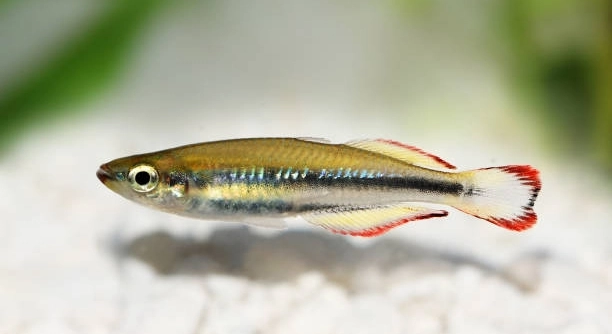
Rainbowfish are small, colorful fish that can brighten up any aquarium. They are active and social, but when they lack stimulation, they often show signs of boredom that can affect their behavior and health.
When rainbowfish are bored, they may swim aimlessly, hide more often, nip at tank mates, lose interest in food, display repetitive movements, or even become stressed. Observing these behaviors can help owners provide better enrichment and care.
Learning to recognize these signs is important for maintaining a healthy and engaging environment for rainbowfish. These behaviors can reveal much about their well-being and daily habits.
Swimming in Circles
Rainbowfish often swim in circles when they are bored. You may notice them tracing the same path repeatedly, sometimes near the corners of the tank. This behavior can seem playful at first, but it usually signals that they need more stimulation or space. Boredom can lead to stress, which may affect their health. Providing decorations, plants, and open areas for free swimming helps them stay active. Watching them carefully allows you to notice changes in behavior and intervene early. Some rainbowfish will focus on one spot, seemingly inspecting it over and over. This repetition is their way of coping with a lack of activity. Moving plants or adding floating objects can encourage exploration. Observing swimming patterns gives insight into their moods. Keeping a variety of tank accessories and ensuring proper tank size reduces repetitive swimming and promotes natural behavior. Small changes can make a big difference in their daily life.
Repetitive swimming indicates a need for environmental enrichment to maintain physical and mental health.
Adding variety to the tank helps rainbowfish stay curious and active, preventing stress and promoting natural behaviors.
Nipping at Tank Mates
Nipping is a common sign of boredom in rainbowfish. It usually occurs when they have excess energy or lack stimulation.
Bored rainbowfish may start nipping at tank mates more often, especially during feeding times or when confined in smaller tanks. This behavior can cause minor injuries and tension among fish. Introducing new plants, hiding spots, or rearranging tank elements can reduce this behavior. Providing a balanced diet and occasional treats also keeps them engaged. Social interaction is essential for rainbowfish, so keeping them in small groups allows them to interact without causing aggression. Observation is key to ensuring nipping does not escalate. Over time, with proper enrichment, the behavior usually decreases, and the fish return to normal swimming patterns. Ensuring enough space and visual barriers in the tank encourages peaceful coexistence. Careful attention to their environment improves overall health, minimizes stress, and helps rainbowfish display their natural playful tendencies. Watching their behavior after changes confirms the adjustments are effective.
Hiding More Often
Bored rainbowfish tend to hide more than usual. They may stay behind plants, decorations, or corners of the tank. This behavior often signals stress or a lack of stimulation, making it important to adjust their environment and provide enrichment to encourage natural activity.
Constant hiding can indicate that the tank lacks enough open swimming space or interesting elements. Rainbowfish may retreat when they feel restless or under-stimulated. Adding plants, rocks, or ornaments creates safe spots and encourages exploration. Rearranging the tank occasionally gives them new areas to investigate. Ensuring proper lighting and maintaining water quality also reduces stress, making the tank more inviting. By observing hiding patterns, you can gauge their comfort level and identify environmental improvements. Small adjustments help them become more active, curious, and engaged in their surroundings.
Hiding excessively can affect feeding habits and social interaction. Fish that remain out of sight may miss meals, leading to nutritional gaps. Socially, rainbowfish rely on interaction with tank mates. Isolation can increase stress and reduce overall activity. Enhancing their environment with varied decorations, floating plants, and open areas encourages movement and interaction. Regular monitoring ensures they are healthy and engaged, reducing the risk of boredom-induced behaviors and promoting a balanced, stimulating habitat for long-term well-being.
Repetitive Movements
When rainbowfish are bored, they often repeat small movements, such as flicking fins or darting back and forth. These behaviors indicate they need stimulation or changes in their environment to stay healthy and active.
Repetitive movements can be subtle or noticeable, like tapping against the tank glass or moving in short bursts around the same area. These actions may stem from excess energy, stress, or lack of enrichment. Providing floating plants, tunnels, or interactive toys can redirect this energy into more productive activity. Observing their daily routines helps identify patterns and triggers for these movements. A balanced diet and varied feeding schedule also support mental engagement, reducing repetitive behaviors. By adjusting the tank setup and monitoring interactions, rainbowfish can display more natural and relaxed behaviors.
Such behaviors may lead to stress or aggression if not addressed. Continuous repetition can tire the fish and reduce appetite or interaction with tank mates. Adding new elements, rearranging the layout, and offering occasional treats helps redirect their focus. Creating a mix of open areas and hiding spots allows them to explore safely. Monitoring changes ensures that interventions are effective, helping rainbowfish maintain a lively, healthy routine without falling into repetitive cycles that indicate boredom or discomfort.
Loss of Interest in Food
Bored rainbowfish may lose interest in eating, even when food is offered regularly. This behavior often signals mental or environmental stagnation, requiring changes in their tank or feeding routine.
Providing variety in diet and presentation helps regain their appetite. Live or frozen foods, along with occasional treats, can spark interest. Rotating feeding locations or using feeding toys encourages natural foraging behavior. Ensuring water quality and reducing stressors also supports healthy eating habits. Observation is key to noticing changes early, allowing timely adjustments to prevent nutritional deficiencies and maintain overall well-being.
Staring at Tank Walls
Rainbowfish sometimes stare at tank walls for long periods. This behavior usually indicates boredom or curiosity about their surroundings.
Rearranging decorations or adding reflective surfaces can provide visual stimulation. They may respond positively to new shapes, plants, or objects in the tank, which keeps them active and engaged.
Overactive Swimming
Rainbowfish may swim excessively when bored, moving rapidly across the tank without purpose. This constant activity can stress the fish if not addressed.
Encouraging structured activity with obstacles, plants, or varied tank layouts helps channel energy. Monitoring swimming patterns ensures they remain healthy and reduces stress caused by repetitive overactivity.
Restless Fins
Bored fish often display restless fin movements, flicking or vibrating fins frequently. This subtle behavior signals mental stimulation is needed.
What are the common signs that rainbowfish are bored?
Rainbowfish show boredom in several ways. They may swim in repetitive patterns, hide frequently, or lose interest in food. Other signs include nipping at tank mates, staring at tank walls, flicking fins restlessly, or displaying excessive activity. Observing their behavior daily helps identify boredom before it affects health.
How can I prevent boredom in my rainbowfish?
Preventing boredom involves providing a stimulating environment. Add plants, decorations, and hiding spots to the tank. Rearranging these elements occasionally gives fish new areas to explore. Including open swimming spaces allows natural movement. A varied diet and occasional live or frozen foods keep them mentally engaged.
Do rainbowfish need social interaction to stay happy?
Yes, rainbowfish are social creatures. They thrive in small groups, which allows natural interaction and reduces stress. Keeping only one or two rainbowfish may increase boredom and behavioral issues. Observing group dynamics ensures peaceful coexistence, and adding tank mates gradually helps maintain harmony.
Can a lack of tank space cause boredom?
Absolutely. Small or overcrowded tanks restrict movement and increase stress. Rainbowfish need enough space to swim freely and explore their environment. A larger tank with varied areas for hiding and swimming reduces boredom and promotes natural behaviors. Proper tank size is essential for long-term health and activity.
Are decorations important for rainbowfish mental stimulation?
Decorations are essential. Plants, rocks, tunnels, and floating objects create exploration opportunities and hiding spots. Rearranging them occasionally challenges the fish and prevents repetitive behavior. Decorations not only enrich the environment but also provide safety, reducing stress and encouraging natural movement patterns.
How does diet affect rainbowfish behavior?
Diet plays a role in engagement. A varied diet including flakes, pellets, live, or frozen foods encourages active foraging. Repetitive feeding routines may reduce interest in food and contribute to boredom. Offering food in different locations or with feeding toys stimulates natural hunting behavior.
Can water quality influence boredom or stress?
Yes. Poor water quality can increase stress, leading to hiding, overactive swimming, or loss of appetite. Maintaining clean water, regular changes, and proper filtration creates a healthy environment. Rainbowfish are more likely to explore and remain active when water conditions are optimal.
How often should I rearrange the tank to keep rainbowfish engaged?
Rearranging the tank every few weeks can keep fish curious and active. Even minor changes in decoration placement or adding new plants provide mental stimulation. Observing their reactions helps determine what changes are most effective in reducing boredom.
Is it normal for rainbowfish to nibble on plants or tank mates?
Occasional nibbling is normal, but frequent nipping at tank mates often indicates boredom or excess energy. Adding plants, hiding spots, and social companions can reduce this behavior. Monitoring interactions ensures peaceful coexistence and helps identify when intervention is needed.
What should I do if my rainbowfish still seem bored despite changes?
If boredom persists, consider additional enrichment such as feeding toys, new tank objects, or live foods. Check tank size, social dynamics, and water conditions to ensure all basic needs are met. Gradual adjustments and careful observation will help restore natural behavior and reduce stress.
Rainbowfish are lively and colorful creatures, but they need proper care to stay healthy and happy. Boredom is more common than many fish owners realize, and it can affect behavior, appetite, and overall well-being. Paying attention to signs like repetitive swimming, hiding, or loss of interest in food helps identify when your rainbowfish need more stimulation. Small changes in the tank, including decorations, plants, and open swimming spaces, can make a big difference in keeping them engaged and active. By observing their behavior closely, you can provide the right environment for them to thrive and avoid unnecessary stress or aggression.
Providing enrichment goes beyond just visual appeal. Rearranging decorations or adding new objects encourages exploration and curiosity. Even small changes, such as introducing floating plants, tunnels, or different feeding routines, can redirect energy in a positive way. Social interaction is also very important for rainbowfish, as they are naturally active in small groups. Keeping enough companions allows them to display natural behaviors, reducing boredom-related issues like nipping or excessive hiding. Ensuring water quality, proper tank size, and a balanced diet supports both mental and physical health. When all these factors are combined, rainbowfish remain more playful, interactive, and resilient.
Taking care of rainbowfish involves more than just feeding and cleaning the tank. Regular observation and timely adjustments create a stimulating and safe environment. Addressing boredom early helps maintain their natural behavior and prevents stress-related problems. By providing variety in both their habitat and diet, rainbowfish are more likely to stay active, healthy, and vibrant. Paying attention to small details, like hiding spots, swimming space, and interactive feeding, ensures long-term well-being. With consistent care and thoughtful planning, rainbowfish can live full, engaging lives, showing their beautiful colors and natural personalities in a healthy and enriched environment.

Hello,
If you enjoy the content that we create, please consider saying a "Thank You!" by leaving a tip.
Every little bit helps us continue crafting quality advice that supports the health, happiness, and well-being of pets around the world, for pets of all shapes, sizes, and species.
We really appreciate the kindness and support that you show us!