
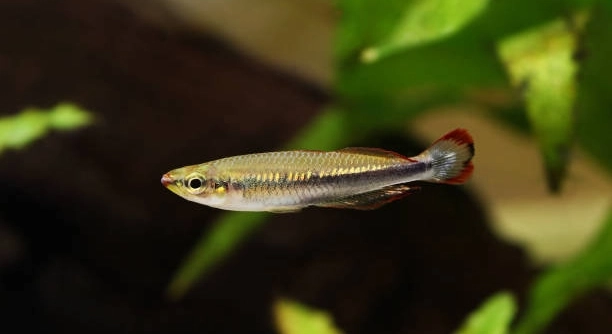
Do you ever notice your rainbowfish moving quickly from one side of the tank to the other? These small, colorful fish can sometimes behave in unexpected ways, leaving owners puzzled about their sudden bursts of energy.
Rainbowfish often dart around due to stress, sudden changes in water conditions, or the presence of other fish. Such behavior can also be linked to excitement, feeding times, or environmental adjustments that trigger natural, rapid swimming responses.
Understanding these movements can help you create a calmer, healthier environment for your rainbowfish and improve your experience as an aquarium keeper.
Common Causes of Darting Behavior
Rainbowfish often dart around when their environment is not quite right. Sudden changes in water temperature, pH, or hardness can make them feel uneasy. Even minor shifts, like a new decoration or a change in lighting, can trigger rapid movements. Some fish react strongly to the presence of other species in the tank. Crowding or aggressive tank mates may make rainbowfish feel threatened, prompting bursts of speed. Feeding times also excite them. The anticipation of food can cause them to swim quickly and jump. Young or newly introduced fish tend to move more as they explore their surroundings. Stress from illness or parasites may also contribute. Observing your rainbowfish’s behavior over time can help identify patterns. Regular water testing and careful monitoring of tank conditions are essential. Providing hiding spots and maintaining stable conditions reduces unnecessary darting and keeps fish calmer.
Rainbowfish often react to environmental changes or stressors by swimming quickly, which is a normal response to perceived threats or excitement.
Keeping the tank stable and monitoring their interactions is key. Small adjustments can improve their comfort. Observing subtle signs before they escalate helps prevent stress and ensures healthier fish behavior. Understanding how each factor affects them makes caring for rainbowfish easier. Regular checks and maintaining consistent conditions reduce sudden darting.
Water Quality and Its Impact
Poor water quality is a major reason rainbowfish become unsettled. Dirty water, high ammonia, nitrite, or nitrate levels can irritate them. Filtration and frequent water changes are crucial for maintaining stability. Even slight chemical imbalances cause noticeable behavior changes in these sensitive fish.
Maintaining excellent water quality helps rainbowfish stay calm and active. Consistent testing and routine maintenance prevent stress-related darting and long-term health problems.
Rainbowfish are highly sensitive to their aquatic environment. Improper water conditions can lead to constant darting, hiding, or erratic swimming. Regular testing for ammonia, nitrites, nitrates, and pH levels ensures that the water remains safe and stable. A reliable filtration system combined with partial water changes keeps the tank clean and reduces the risk of stress. Overfeeding or leftover food can also affect water quality, creating harmful chemical spikes that upset fish behavior. Providing a stable environment with proper decorations, hiding spaces, and compatible tank mates further reduces stress. Observing water clarity, temperature, and fish behavior regularly allows early detection of potential issues. By addressing water quality concerns promptly, you help your rainbowfish feel secure, maintain normal swimming patterns, and promote long-term health and vibrancy in their tank environment.
Tank Size and Space
A small or overcrowded tank can make rainbowfish feel confined. Limited space often leads to darting as they try to move freely. Providing adequate room is essential for their comfort and natural swimming behavior.
Rainbowfish need enough space to swim comfortably. A crowded tank increases stress, and fish may dart to escape or establish territory. Even with calm tank mates, limited swimming space can make them restless. Ideal tank size varies by species, but generally, a minimum of 30 gallons for a small group allows them to move naturally. Decorations should provide hiding spots without restricting swimming areas. Ensuring the tank is not overcrowded helps reduce rapid, erratic movements and promotes a calmer, healthier environment.
Open swimming space is crucial for rainbowfish activity. Lack of room leads to collisions and frequent darting, which can cause minor injuries or stress. Fish often react to each other in tight spaces, increasing tension. Providing a balanced environment with ample room and well-placed decorations encourages natural movement. Regularly assessing tank capacity and fish population prevents overcrowding. By giving rainbowfish enough space to explore, you support healthier behavior, reduce sudden bursts of speed, and help maintain their vibrant colors. Comfortable spacing directly impacts their daily energy and overall well-being.
Lighting and Day-Night Cycles
Improper lighting can stress rainbowfish and trigger darting. Too bright or inconsistent light disrupts their natural rhythm. Adjusting lighting to a steady cycle helps maintain calm behavior.
Consistent light and dark periods are essential. Sudden changes or overly bright lighting can startle fish, causing rapid movements. Rainbowfish rely on predictable day-night cycles for feeding and resting. Using a timer ensures steady lighting, reducing stress. Observing their reactions to light changes helps identify optimal settings. Gradually adjusting intensity or duration can prevent shock. Proper lighting also enhances their coloration and overall health. Stable day-night cycles support regular swimming patterns, calmer behavior, and a healthier tank ecosystem.
Rainbowfish are highly sensitive to environmental cues. Lighting affects not only their mood but also feeding patterns and activity levels. Abrupt changes can cause frequent darting or hiding. Gradual transitions from light to dark mimic natural conditions, which helps them feel secure. Using timers, dimmers, or shaded areas allows controlled adjustment and prevents stress. Fish that are comfortable with their lighting environment display smoother swimming and more predictable behaviors. Consistency in illumination reduces sudden bursts of speed, minimizes stress, and encourages natural interactions with tank mates. Proper light management also supports plant growth and enhances the visual appeal of the aquarium.
Diet and Feeding Habits
Inconsistent feeding can make rainbowfish anxious and dart around the tank. They respond strongly to sudden food availability or competition during meals. Establishing a regular feeding routine keeps them calmer and more predictable.
Overfeeding or providing poor-quality food can also stress rainbowfish. Uneaten food decays and harms water quality, which indirectly increases darting behavior.
Tank Mates
Aggressive or overly active tank mates can provoke rapid swimming. Rainbowfish may dart to avoid confrontations or establish personal space. Choosing compatible species ensures a peaceful environment and reduces stress.
Signs of Illness
Erratic darting can indicate health issues. Parasites, infections, or other illnesses may cause sudden bursts of movement as the fish attempt to escape discomfort or irritation. Regular observation helps catch problems early.
Stress Reduction Techniques
Providing hiding spots, stable conditions, and minimal sudden changes reduces stress. Calmer fish display more natural swimming patterns and fewer darting episodes.
FAQ
Why is my rainbowfish darting around suddenly?
Sudden darting often happens when water conditions change quickly or stress levels rise. Even minor shifts in temperature, pH, or water hardness can trigger rapid swimming. New decorations, tankmates, or feeding changes may also cause sudden bursts of energy. Observing patterns over time can help pinpoint the exact reason.
Is it normal for rainbowfish to dart when feeding?
Yes, it’s very common. Rainbowfish become excited at feeding times and often swim quickly to compete for food. This behavior is natural and not a cause for concern as long as water conditions remain stable and fish are healthy.
Can tank size affect darting behavior?
Absolutely. Small or overcrowded tanks restrict movement and increase stress, prompting frequent darting. Rainbowfish need enough space to swim freely. For most species, a minimum of 30 gallons for a small group allows them to establish territory and reduces erratic movement.
Does water quality influence darting?
Poor water quality is one of the main reasons rainbowfish become restless. High ammonia, nitrite, or nitrate levels irritate fish, causing rapid swimming. Regular testing, proper filtration, and routine partial water changes maintain stable conditions and reduce stress-induced darting.
Do tank mates cause darting behavior?
Yes, aggressive or overly active tank mates can make rainbowfish feel threatened. Darting is often a response to avoid confrontation. Choosing peaceful, compatible species and ensuring enough space and hiding spots helps rainbowfish feel secure and swim calmly.
Can lighting affect my rainbowfish’s movement?
Inconsistent or too-bright lighting can stress rainbowfish, leading to darting. They rely on a steady day-night cycle. Using timers and gradually adjusting lighting intensity creates a stable environment, reduces stress, and encourages natural swimming patterns.
Could illness be a reason for darting?
Yes. Parasites, infections, or other health issues can cause erratic swimming as fish try to escape discomfort. Watch for other symptoms like faded color, clamped fins, or loss of appetite. Early detection and treatment help restore normal behavior.
How can I reduce darting in my rainbowfish?
Maintaining stable water conditions, providing adequate space, consistent feeding, compatible tank mates, and a calm environment all help. Adding hiding spots and decorations gives them security. Regular monitoring and gradual adjustments to tank conditions reduce stress and support natural, relaxed swimming.
Is darting always a sign of a problem?
Not always. Rainbowfish are naturally active and may dart during play, exploration, or excitement. Temporary bursts of speed can be normal. Persistent or extreme darting accompanied by other stress indicators usually points to environmental or health issues that need attention.
Does diet affect darting behavior?
Yes. Uneven feeding schedules, poor-quality food, or overfeeding can lead to stress or excitement-induced darting. Maintaining a balanced diet, feeding small portions at regular times, and removing uneaten food prevents water quality issues and supports calmer swimming.
Can stress from new tank additions cause darting?
Introducing new fish, plants, or decorations can temporarily stress rainbowfish. They may dart as they adjust to the changes. Gradually acclimating new additions and providing hiding spaces reduces tension and helps rainbowfish settle into their environment more comfortably.
Are some rainbowfish more prone to darting than others?
Yes, younger fish and certain species are naturally more active and explore their surroundings frequently. Older or well-adjusted fish tend to dart less, especially in a stable, spacious, and low-stress environment. Observing individual behavior helps determine normal activity levels.
How long does it take for rainbowfish to calm down after stress?
It depends on the stressor and the fish. Minor disturbances may see them calm within hours, while significant changes like poor water quality or new tankmates may take days to weeks. Consistent care and a stable environment accelerate recovery.
Can tank decorations influence darting?
Yes. Sharp, crowded, or poorly placed decorations may cause rainbowfish to dart to avoid obstacles or seek hiding spaces. Smooth, well-spaced decorations encourage natural movement while providing security without triggering stress-related bursts of speed.
Do rainbowfish dart more in groups or alone?
Rainbowfish are schooling fish, so they often dart more when in groups as part of social interaction or coordinated movement. Alone, they may still dart due to excitement or stress, but schooling behavior usually increases activity levels in a positive, natural way.
How do I know if darting is serious?
Persistent darting combined with faded colors, clamped fins, loss of appetite, or hiding indicates a potential problem. It could stem from poor water quality, illness, or stress. Quick action, observation, and corrective measures help prevent long-term health issues and restore calm behavior.
Does water temperature affect darting?
Yes. Rainbowfish prefer stable temperatures. Sudden changes can startle them and cause rapid swimming. Maintaining the recommended temperature range for the species supports normal activity, reduces stress, and keeps them swimming naturally without excessive bursts of speed.
Can overcrowding increase darting frequency?
Definitely. Overcrowded tanks create stress and competition for space and resources. Rainbowfish may dart more to escape others or find personal territory. Ensuring proper stocking levels and sufficient swimming space reduces tension and promotes calmer, healthier movement throughout the tank.
Is sudden darting a sign of fear?
Often, yes. Sudden loud noises, movement outside the tank, or unfamiliar objects can startle rainbowfish. These bursts of swimming are defensive responses. Minimizing disturbances and maintaining a predictable environment help them feel secure and reduce frequent fear-induced darting.
Do rainbowfish dart more during certain times of day?
Activity often increases during feeding and daylight hours when they are naturally more alert. Evening or low-light periods usually see calmer behavior. Observing their daily rhythm helps manage tank routines and creates a predictable, less stressful environment.
Can stress from poor tank maintenance cause darting?
Yes. Infrequent water changes, dirty substrate, and neglected filtration elevate stress levels, causing erratic swimming. Consistent maintenance routines, clean water, and properly functioning equipment are essential to keep rainbowfish healthy and reduce unnecessary darting behavior.
Rainbowfish are naturally active and energetic, and occasional darting is part of their normal behavior. They explore their surroundings, interact with tankmates, and respond quickly to stimuli. This makes them fascinating to watch, but it can be confusing when the movement seems sudden or excessive. Many factors influence their activity, including water quality, tank size, lighting, diet, and stress levels. Observing your fish regularly can help you understand what is normal and what may signal a problem. Keeping a consistent routine for feeding, water changes, and maintenance reduces unexpected bursts of movement and creates a calmer environment for your fish.
Maintaining proper water quality is one of the most important steps in ensuring rainbowfish remain healthy and comfortable. Sudden changes in temperature, pH, or ammonia levels can easily stress these fish and cause them to dart around the tank. Regular testing and partial water changes help keep conditions stable. Filtration is equally important to remove debris and maintain chemical balance. Adding decorations or plants provides hiding spots, which give fish a sense of security. These measures not only reduce darting caused by stress but also improve their overall well-being. Healthy, stable water conditions allow rainbowfish to display natural swimming patterns and vibrant colors, making them a more enjoyable addition to any aquarium.
Tank setup and daily care also play a large role in rainbowfish behavior. Overcrowding or keeping incompatible species together can trigger stress-related darting. Ensuring the tank has enough space for swimming, hiding, and territory reduces these reactions. Lighting should be consistent, mimicking natural day and night cycles to help fish regulate their activity. Feeding schedules should be regular and balanced to prevent sudden excitement or competition. Even minor environmental changes, like moving decorations or introducing new fish, can temporarily increase darting. By addressing these factors thoughtfully and observing how your rainbowfish respond, you can create a stable and comfortable habitat. This encourages calm swimming and reduces unnecessary stress, letting your fish thrive while maintaining a peaceful aquarium.

Hello,
If you enjoy the content that we create, please consider saying a "Thank You!" by leaving a tip.
Every little bit helps us continue crafting quality advice that supports the health, happiness, and well-being of pets around the world, for pets of all shapes, sizes, and species.
We really appreciate the kindness and support that you show us!