
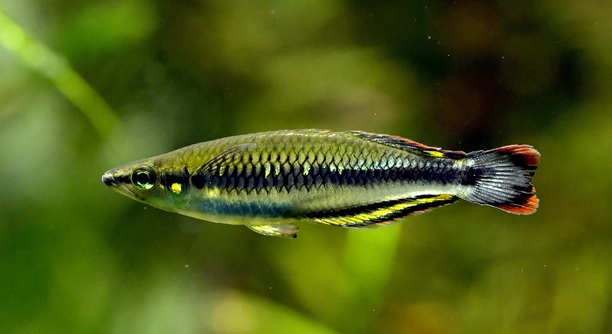
Do you ever find yourself setting up a new aquarium and wondering how to make it perfect for your rainbowfish? Maintaining a healthy environment is essential for vibrant, active fish in any home tank.
Rainbowfish benefit significantly from a filtered tank. Filters help maintain clean water, reduce harmful toxins, and stabilize oxygen levels, creating a healthier environment that supports their growth, activity, and overall well-being in both small and large aquariums.
Proper filtration not only protects your fish but also simplifies tank maintenance, keeping your rainbowfish lively and your aquarium clear.
Why Filtration Matters for Rainbowfish
Proper filtration is essential for rainbowfish because it keeps the water clean and stable. Without a filter, waste, leftover food, and plant debris can quickly build up, leading to toxic conditions. Rainbowfish are sensitive to high levels of ammonia and nitrites, which can harm their gills and overall health. Filters also help maintain a steady water flow, which supports oxygenation and mimics natural habitats. Even a small, consistent filter can make a significant difference in water quality. Using mechanical filtration removes solid particles, while biological filtration supports beneficial bacteria that break down harmful substances. Chemical filtration, like activated carbon, can remove odors and discoloration, keeping the water clear and safe. Regular maintenance, such as cleaning filter media and replacing worn components, ensures the system continues functioning effectively. A well-filtered tank reduces stress on rainbowfish, preventing disease and supporting vibrant coloration, active swimming, and natural behaviors.
A good filter provides stable water conditions, reduces harmful substances, and promotes healthy, active rainbowfish. Consistency is key for their well-being.
Maintaining a filtered tank also makes routine care easier. Water changes become less urgent when the filter handles most of the waste removal. It creates a balanced ecosystem where beneficial bacteria thrive, breaking down toxins before they accumulate. Plants, decorations, and substrate remain cleaner for longer periods, giving the aquarium a visually appealing look. Rainbowfish show brighter colors and healthier growth in stable environments. A filter also supports temperature consistency by circulating water evenly, preventing cold or warm spots that could stress the fish. Choosing the right size and type of filter is important; underpowered filters may fail to manage waste, while overpowered filters can create excessive currents that tire the fish. Overall, a properly maintained filtered tank simplifies care while enhancing the health, activity, and appearance of rainbowfish, making them more enjoyable to observe daily.
Choosing the Right Filter
Not all filters are suitable for rainbowfish. Flow rate, filtration type, and tank size must be considered for optimal results.
Selecting a filter begins with assessing your aquarium size and fish population. A filter rated for slightly more than your tank’s volume ensures sufficient water turnover and prevents sudden buildup of waste. Internal filters are compact and efficient for small to medium tanks, while canister filters are better for larger setups, offering superior mechanical, chemical, and biological filtration. Sponge filters are gentle and excellent for fry or delicate species, providing oxygenation without strong currents. The flow rate should match rainbowfish preferences; moderate currents simulate natural habitats and encourage swimming, but overly strong flow can stress them. Placement matters as well, ensuring water circulates evenly and debris is collected effectively. Regularly checking and maintaining the filter prevents clogging and keeps the system running efficiently, supporting a stable, healthy environment for rainbowfish growth, activity, and long-term well-being.
Filter Maintenance Tips
Filters need regular attention to function effectively. Cleaning, replacing media, and monitoring water flow are essential tasks to keep the tank safe and healthy for rainbowfish. Neglecting maintenance can lead to poor water quality and stressed fish.
Routine maintenance starts with inspecting the filter weekly. Remove and rinse mechanical media, like sponges or pads, in tank water to avoid killing beneficial bacteria. Replace chemical media, such as activated carbon, every few weeks or as needed. Check the impeller for debris that could reduce water flow. Biological media should be preserved carefully, only rinsing lightly to maintain bacterial colonies. Keeping the filter running smoothly ensures consistent water quality, reduces the risk of spikes in ammonia or nitrite, and supports a stable environment that rainbowfish thrive in. Proper attention prevents unexpected tank problems and extends the life of both the filter and your fish.
Consistency in maintenance prevents sudden water quality drops. It ensures a healthy balance of beneficial bacteria, keeps waste in check, and supports rainbowfish activity.
Signs Your Rainbowfish Need a Filter
Cloudy water, algae growth, or sluggish swimming indicate filtration issues. Prompt action prevents illness and maintains a clean, stable tank environment for rainbowfish.
Observing your rainbowfish daily helps identify early signs of poor filtration. Excess waste, leftover food, or unusual behavior may suggest the tank isn’t adequately filtered. Cloudy or discolored water can indicate rising ammonia or nitrite levels. Fish may become stressed, lose coloration, or exhibit irregular swimming patterns. Addressing these signs quickly by checking and maintaining the filter ensures water quality is restored. Adjusting flow rate, cleaning media, or upgrading the filter may be necessary. Timely intervention supports fish health and reduces the likelihood of disease spreading in the aquarium. Regular monitoring and maintenance keep the environment safe and enjoyable for rainbowfish.
Types of Filters
There are several filter types suitable for rainbowfish tanks. Internal, sponge, and canister filters all provide mechanical, chemical, and biological filtration, though their flow and maintenance requirements differ.
Sponge filters are gentle and ideal for small tanks or fry. Canister filters handle larger tanks with stronger filtration needs. Internal filters are compact, easy to maintain, and work well in medium-sized aquariums.
Common Mistakes with Tank Filtration
Using an oversized filter or neglecting media replacement can harm water quality. Excess flow may stress rainbowfish, while dirty media reduces efficiency and increases toxin levels in the water. Proper setup and monitoring prevent these issues.
Placement of the Filter
Position the filter to ensure even water circulation. Avoid blocking areas where fish frequently swim to maintain comfort and oxygenation.
When a Filter Isn’t Enough
Even with a filter, regular water changes and cleaning are necessary. Filters support stability, but manual maintenance removes buildup and maintains optimal conditions for rainbowfish health.
FAQ
Do rainbowfish absolutely need a filter?
While rainbowfish can survive without a filter, maintaining a filtered tank greatly improves their health and longevity. Filters remove waste, maintain oxygen levels, and stabilize water parameters. Without one, water can quickly accumulate toxins, stressing the fish and increasing the risk of disease.
Can I use a small filter for a large tank?
Using an undersized filter in a large tank is not recommended. Small filters may not provide enough water turnover or remove toxins efficiently. This can result in poor water quality, stressing your rainbowfish. It’s best to choose a filter rated slightly above your tank’s capacity.
How often should I clean the filter?
Filter cleaning depends on the type and tank conditions. Mechanical media like sponges should be rinsed every 2–4 weeks in tank water. Chemical media, such as activated carbon, should be replaced every few weeks. Biological media should be preserved carefully, rinsing only lightly to avoid disturbing beneficial bacteria.
Is a strong flow harmful to rainbowfish?
Rainbowfish prefer moderate water flow that mimics natural currents. Strong currents can stress them, causing erratic swimming or hiding. Internal filters with adjustable flow or sponge filters are ideal for controlling water movement and keeping the fish comfortable.
Can a filter prevent algae growth completely?
Filters help reduce waste and organic material that contribute to algae growth, but they cannot eliminate it entirely. Proper lighting, controlled feeding, and routine water changes are also necessary to manage algae in the aquarium effectively.
Do I still need water changes with a filter?
Yes, filters support water stability but cannot replace regular water changes. Manual water changes remove accumulated nitrates and other residues that filters may not fully address, keeping rainbowfish in a clean and healthy environment.
What is the best type of filter for a small rainbowfish tank?
For small tanks, sponge filters are highly recommended. They provide gentle filtration, adequate oxygenation, and minimal water flow, which is ideal for rainbowfish fry or delicate species. Internal filters also work well if space and aesthetics are a consideration.
How do I know if the filter is working properly?
Signs that a filter is functioning well include clear water, active fish, and minimal debris accumulation. Check the flow regularly, inspect media for buildup, and ensure the impeller is running smoothly. Any sudden changes in water clarity or fish behavior may indicate maintenance is needed.
Can a dirty filter harm my rainbowfish?
Yes, a neglected filter can reduce water quality, increase toxins, and stress the fish. Dirty media restricts water flow, decreases biological filtration, and may lead to sudden spikes in ammonia or nitrite levels, which are harmful to rainbowfish health.
Is a canister filter overkill for small tanks?
Canister filters are usually designed for larger setups. In small tanks, they can create excessive flow and require more space. While effective, sponge or small internal filters are generally more suitable for maintaining gentle, consistent water conditions for rainbowfish.
How do I balance filter flow and oxygenation?
Adjustable filters allow control over water movement. Placing the filter outlet near the water surface can increase oxygen exchange without stressing fish. Sponge filters naturally circulate water gently, providing both filtration and oxygenation with minimal disturbance.
How long does it take for a new filter to stabilize the tank?
New filters require time to establish beneficial bacteria in biological media. This process, often called cycling, can take 4–6 weeks. Testing water parameters regularly ensures ammonia and nitrite levels remain safe during this period.
Can I run multiple filters in one tank?
Using more than one filter can be beneficial for larger tanks, improving water turnover and redundancy. Ensure that flow rates are balanced and do not create excessive currents that may stress rainbowfish.
What happens if I turn off the filter temporarily?
Short breaks may be harmless for a few hours, but prolonged downtime allows toxins to build up and oxygen levels to drop. Rainbowfish can become stressed quickly, so it’s important to restart the filter as soon as possible.
Are battery-operated filters effective for rainbowfish?
Battery-operated filters are suitable for emergencies or small tanks, but they often provide limited flow and filtration capacity. For consistent, long-term care, standard electric filters are more reliable and maintain stable water conditions.
Final Thoughts
Maintaining a filtered tank is one of the most important steps for keeping rainbowfish healthy and active. Filters help remove waste, leftover food, and debris that would otherwise accumulate in the water, creating harmful conditions for the fish. They also support beneficial bacteria that break down toxins such as ammonia and nitrites, which can be deadly if allowed to build up. Even a small, consistent filter can make a noticeable difference in water quality, helping the fish maintain vibrant colors and natural behaviors. Over time, a well-maintained filter reduces the stress on rainbowfish, preventing illness and improving their overall lifespan.
Choosing the right type of filter depends on the size of your tank and the number of fish you keep. Sponge filters work well for small tanks or delicate fish, providing gentle water flow while supporting oxygenation and biological filtration. Internal filters are compact and easy to maintain, making them suitable for medium-sized aquariums. Canister filters are ideal for larger setups because they offer more advanced mechanical, chemical, and biological filtration. Regardless of type, it is important to place the filter strategically in the tank to ensure even water circulation. Filters should be cleaned and maintained regularly, and chemical or mechanical media replaced as needed to keep the system functioning efficiently.
Even with a filter in place, regular tank maintenance remains essential. Water changes, substrate cleaning, and monitoring of water parameters complement the filtration system, ensuring a balanced and safe environment for rainbowfish. Observing your fish daily helps detect early signs of stress or poor water quality, such as sluggish swimming or faded coloration. By combining a properly selected filter with routine maintenance, you create a stable habitat where rainbowfish can thrive. The investment in a good filtration system pays off with healthier, more active fish and a cleaner, easier-to-manage aquarium. Overall, a filtered tank is a critical factor in supporting the long-term health and well-being of rainbowfish.

Hello,
If you enjoy the content that we create, please consider saying a "Thank You!" by leaving a tip.
Every little bit helps us continue crafting quality advice that supports the health, happiness, and well-being of pets around the world, for pets of all shapes, sizes, and species.
We really appreciate the kindness and support that you show us!