
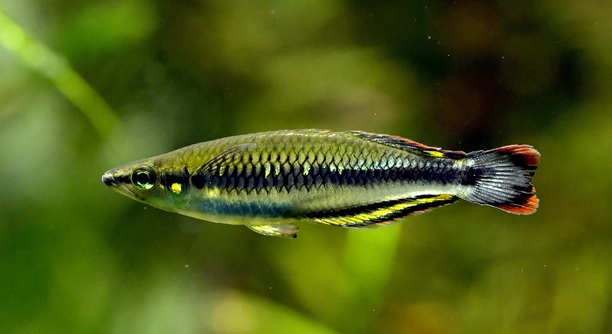
Rainbowfish are colorful, active freshwater fish that brighten up home aquariums. Their social nature makes them popular among hobbyists. Observing their movements and interactions can reveal a lot about their moods and overall well-being.
Rainbowfish can exhibit signs of loneliness when kept in isolation. These fish naturally thrive in small groups, and the absence of companions can lead to stress, reduced activity, and weakened immune responses, impacting both behavior and health over time.
Understanding rainbowfish social needs is essential for their care. Proper group dynamics promote activity, reduce stress, and ensure a healthier, happier aquarium environment.
Understanding Rainbowfish Social Behavior
Rainbowfish are naturally social creatures that prefer living in small groups of at least six. Keeping them alone can cause stress, reduced activity, and visible signs of anxiety such as hiding or erratic swimming. In groups, they display vibrant colors, coordinated swimming patterns, and healthy interactions. Observing these behaviors can help you gauge whether your fish are comfortable or stressed. Providing hiding spots and open swimming space encourages natural behaviors. In isolation, rainbowfish may become withdrawn, and their immune system can weaken, making them more prone to illness. They respond well to consistent tank conditions, stable water parameters, and regular feeding routines. Even small changes in tank setup can impact their social interactions and overall mood. Maintaining a peaceful, balanced environment ensures that the fish remain active, colorful, and healthy, reflecting proper social care and a stable habitat. Group dynamics directly influence both physical health and behavioral patterns.
Lonely rainbowfish often exhibit duller colors and lower energy, signaling the need for companions.
Monitoring tank dynamics and providing proper group sizes keeps your rainbowfish active, healthy, and thriving in a balanced, social environment.
Signs Your Rainbowfish May Be Lonely
Dull coloration, lack of movement, or excessive hiding are common signs of social stress in rainbowfish.
Rainbowfish that are alone often lose their vibrant colors and spend most of their time near the bottom or corners of the tank. They may show decreased appetite and fail to interact with objects or respond to changes in the environment. Observing these behaviors early allows you to take action before health issues develop. Introducing additional rainbowfish of similar size and temperament can improve activity levels and restore natural social interactions. Tank enrichment, such as plants, decorations, and swimming space, also helps reduce stress. Maintaining stable water parameters, including temperature, pH, and cleanliness, supports immune health and overall vitality. Grouped rainbowfish display more dynamic swimming, synchronized movements, and brighter coloration, reflecting reduced stress and increased well-being. Prioritizing social needs is essential to preventing behavioral and health problems, ensuring your aquarium remains a lively and balanced environment.
How to Keep Rainbowfish Social
Rainbowfish need at least six companions to stay active and healthy. Isolated fish may become stressed, lose color, or hide frequently. Grouping them properly encourages natural swimming patterns and reduces anxiety. Proper tank space and decorations help them interact comfortably.
Adding rainbowfish to a tank requires careful planning. Ensure the new fish are similar in size and temperament to prevent aggression. Quarantine new additions for at least two weeks to avoid introducing disease. Provide enough swimming space and hiding spots for all fish to coexist peacefully. Observe interactions closely and separate individuals if aggressive behavior occurs. A balanced diet and stable water parameters support overall health and social behavior. Regular monitoring of the group ensures the tank remains a safe, active environment where all rainbowfish can thrive.
Tank layout plays a key role in social behavior. Open areas allow schooling, while plants and decorations offer refuge. Changing water conditions or overcrowding can disrupt group dynamics. Stress from poor tank design may lead to illness or behavioral issues, so careful planning is essential. Understanding individual personalities and observing reactions helps create harmony. Adequate lighting, regular feeding schedules, and water maintenance also reinforce stable social behavior, keeping rainbowfish active and healthy.
Feeding Tips for Grouped Rainbowfish
Feeding rainbowfish in groups requires consistent timing and balanced portions to prevent competition. Overfeeding can lead to poor water quality, while underfeeding affects growth and activity.
Rainbowfish benefit from a varied diet, including high-quality flakes, pellets, and occasional live or frozen foods. Spread food evenly across the tank to ensure all fish can eat without stress. Monitor feeding times to adjust amounts as needed, avoiding leftover waste that may harm water quality. Feeding smaller amounts multiple times daily supports energy levels and encourages natural foraging behavior. Supplementing with vegetable matter, such as blanched spinach or zucchini, helps maintain vibrant coloration and proper digestion. A structured feeding routine strengthens group harmony, reducing aggression and ensuring every fish receives sufficient nutrition. Proper nutrition directly impacts color, vitality, and social interactions, promoting a healthy, active tank environment.
Tank Environment for Rainbowfish
Rainbowfish need a spacious tank with open swimming areas and hiding spots. Plants, rocks, and decorations provide security while allowing natural schooling behavior. Proper filtration and regular water changes keep the environment healthy and stress-free.
Stable water temperature and pH levels are essential. Sudden changes can stress rainbowfish and affect social behavior.
Choosing Compatible Tankmates
Rainbowfish do best with peaceful species that won’t compete aggressively for food. Avoid large or aggressive fish that may intimidate or harm them. Compatibility ensures calmer interactions and maintains group harmony.
Monitoring Behavior
Observe rainbowfish regularly for signs of stress, dull coloration, or hiding. Early detection allows adjustments in social grouping, tank conditions, or feeding to maintain well-being and prevent long-term health issues.
Breeding Considerations
Rainbowfish breeding requires a separate tank with fine-leaved plants for egg-laying. Adults should be monitored closely to prevent them from eating the eggs.
FAQ
Can rainbowfish live alone?
Rainbowfish can survive alone, but it is not ideal. They are naturally social and thrive in small groups. Keeping a single rainbowfish may lead to stress, dull coloration, and reduced activity. Providing at least six companions ensures they display natural behaviors and remain healthy.
How many rainbowfish should be kept together?
A minimum of six rainbowfish is recommended for a small group. Larger tanks can support more, which enhances schooling behavior and reduces stress. Group size directly affects activity levels, social interactions, and overall well-being. Maintaining balanced numbers helps prevent aggression and ensures all fish have access to food.
What signs indicate a rainbowfish is lonely?
Lonely rainbowfish may hide excessively, swim erratically, or lose their vibrant colors. They often become less active and may show a reduced appetite. Stress from isolation weakens their immune system, making them more prone to illness. Observing daily behavior can help detect these signs early.
How do I introduce new rainbowfish to my tank?
New rainbowfish should be quarantined for at least two weeks before joining an established group. This prevents disease transfer. Introduce them gradually and ensure tank space is sufficient. Monitor interactions closely for aggression and separate individuals if needed to maintain group harmony.
Can rainbowfish get along with other fish?
Yes, rainbowfish are generally peaceful and can coexist with non-aggressive species. Avoid large or territorial fish that may intimidate them. Compatible tankmates reduce stress and allow rainbowfish to maintain social behavior and proper schooling patterns.
What tank setup helps rainbowfish stay social?
A tank with open swimming areas and plants or decorations for hiding encourages social behavior. Proper filtration, stable water parameters, and regular cleaning reduce stress. A balanced environment ensures rainbowfish remain active, vibrant, and interactive.
How important is diet for social behavior?
A varied diet supports energy levels, color, and overall health. Flakes, pellets, and occasional live or frozen food, supplemented with vegetables, promote vitality. Adequate nutrition reduces aggression, ensures even feeding among the group, and supports harmonious social interactions.
What should I do if rainbowfish become stressed?
Identify the cause, such as isolation, poor water conditions, or overcrowding. Adjust tank conditions, introduce appropriate companions, or improve water quality. Monitoring their behavior and acting quickly helps prevent long-term health issues.
Do rainbowfish breed easily in a community tank?
Breeding can occur but is more successful in a separate breeding tank. Adults may eat eggs in a community setting. Fine-leaved plants provide safe egg-laying sites, and monitoring adults ensures egg survival.
Can stress affect rainbowfish color?
Yes, stress from loneliness, poor water quality, or incompatible tankmates can dull rainbowfish colors. Reducing stress through proper group sizes, stable conditions, and a balanced diet restores their natural vibrancy.
How often should I check on my rainbowfish?
Daily observation is important to detect behavioral changes early. Regular checks help identify stress, illness, or compatibility issues. Prompt action maintains social balance, health, and overall tank harmony.
Is it okay to mix rainbowfish of different species?
Yes, if they are similar in size and temperament. Mixing species encourages active schooling and reduces boredom. Avoid pairing species with aggressive or predatory tendencies, as it can disrupt group cohesion and cause stress.
What water conditions are best for rainbowfish?
Stable temperature, pH, and clean water are essential. Sudden changes can stress the fish, affect social behavior, and reduce immunity. Consistent maintenance supports overall health, coloration, and active schooling behavior.
How can I tell if the group dynamics are healthy?
A healthy group swims together, displays bright colors, and interacts naturally. Lack of aggression and balanced feeding behavior indicate a stable social structure. Observing these behaviors ensures that all fish are thriving in a supportive environment.
Can rainbowfish recover from loneliness?
Yes, introducing companions and improving tank conditions can restore social behavior. Proper care, enriched environment, and consistent feeding help rainbowfish regain activity, vibrant colors, and a healthy immune system.
What is the ideal tank size for a group of rainbowfish?
A minimum of 30 gallons is recommended for a small group. Larger tanks allow for more swimming space, better schooling behavior, and reduced stress. Proper size ensures comfort, social interaction, and long-term health.
Do rainbowfish need hiding spots even in groups?
Yes, even social fish require places to hide. Plants and decorations provide refuge, reduce stress, and allow shy individuals to feel secure. Adequate hiding spots support natural behavior and healthy group dynamics.
How do I prevent aggression in rainbowfish groups?
Maintain balanced numbers, provide sufficient space, and ensure compatible tankmates. Monitor behavior regularly and separate aggressive individuals if needed. Structured feeding and enriched environments also reduce competition and stress, promoting peaceful interactions.
Are rainbowfish active at all times of the day?
Rainbowfish are diurnal, most active during daylight. Activity levels may drop at night or in dim lighting. Observing daily patterns helps identify changes caused by stress, illness, or loneliness. Maintaining a stable light cycle supports natural behavior and overall well-being.
Can rainbowfish adapt to a new tank quickly?
Yes, but careful acclimation is essential. Gradual introduction, stable water conditions, and proper companions reduce stress. Observing behavior and adjusting tank conditions helps them settle comfortably and maintain social interactions.
Final Thoughts
Rainbowfish are naturally social creatures that thrive in groups. Keeping them alone can cause stress, reduce activity, and lead to dull coloration. Observing how they interact with others in the tank provides insight into their well-being. When kept in proper group sizes, rainbowfish display vibrant colors, synchronized swimming patterns, and natural behaviors that reflect a healthy and balanced environment. Tank size, water quality, and hiding spots all influence their social dynamics, and a well-planned aquarium ensures they remain active and engaged. Understanding their social needs is essential to providing proper care, whether for a small home tank or a larger display aquarium. Group dynamics play a central role in both behavior and health, so maintaining an environment that allows them to interact naturally is critical. A rainbowfish’s activity level, coloration, and overall health are all closely tied to the quality of social interactions within the tank.
Proper nutrition is another key factor that supports social behavior. Rainbowfish require a varied diet including flakes, pellets, and occasional live or frozen foods to maintain energy and vibrant coloration. Supplementing with vegetables such as zucchini or spinach aids digestion and overall health. Feeding should be structured and consistent, spreading food evenly so all fish can eat without stress. Overfeeding can compromise water quality, while underfeeding affects growth and activity, so balance is important. Well-fed rainbowfish are more active, less aggressive, and display stronger social bonds. Observing feeding behavior also provides insight into their health and interactions, allowing adjustments to diet or group size when necessary. A proper feeding routine supports both physical health and social harmony, ensuring that the fish thrive collectively rather than individually. Nutrition, when combined with stable water conditions and proper tank setup, creates an environment where rainbowfish can maintain natural behavior patterns, bright coloration, and strong immune health.
Monitoring behavior regularly is essential for maintaining a healthy rainbowfish community. Signs of stress, such as excessive hiding, dull colors, or reduced activity, should be addressed promptly. Adjusting tank conditions, introducing compatible companions, and maintaining clean, stable water help prevent long-term health issues. Group dynamics should be observed to ensure all individuals coexist peacefully and have access to food, swimming space, and hiding spots. Breeding considerations also benefit from separate setups to protect eggs from adult fish while maintaining a balanced social group in the main tank. Overall, a successful rainbowfish aquarium combines careful attention to social needs, diet, and tank conditions. By providing a supportive environment, consistent care, and proper companionship, rainbowfish can thrive, displaying natural behavior, bright colors, and active, harmonious interactions that make them a rewarding addition to any freshwater aquarium.

Hello,
If you enjoy the content that we create, please consider saying a "Thank You!" by leaving a tip.
Every little bit helps us continue crafting quality advice that supports the health, happiness, and well-being of pets around the world, for pets of all shapes, sizes, and species.
We really appreciate the kindness and support that you show us!