
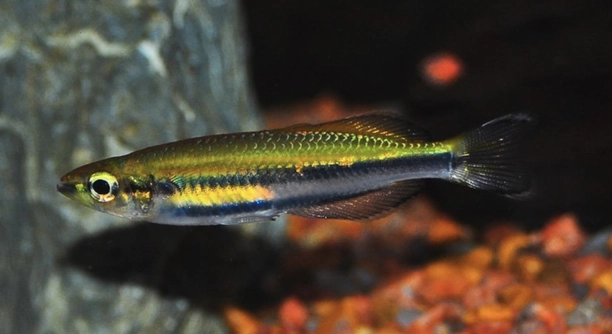
Do your rainbowfish seem active but show little interest in breeding? Many aquarists face this challenge despite maintaining healthy water conditions and a balanced diet for their fish. Creating the right environment is essential for success.
Encouraging rainbowfish to breed requires attention to water quality, temperature, diet, tank setup, and environmental enrichment. Consistent conditions that mimic their natural habitat increase spawning behavior and ensure fry survival, while reducing stress and promoting reproductive readiness.
Mastering these key elements can help your rainbowfish thrive and increase the likelihood of successful breeding in your aquarium.
Maintain Optimal Water Conditions
Maintaining clean and stable water conditions is crucial for rainbowfish to breed successfully. Regular water changes help remove excess waste and toxins that can stress fish and reduce spawning. Monitoring pH, hardness, and temperature ensures the environment remains close to their natural habitat. Rainbowfish thrive in slightly alkaline water with temperatures between 24 and 28 degrees Celsius. Using a reliable water testing kit allows you to track fluctuations and adjust conditions before they negatively impact your fish. Filtration is also important, as it keeps the water clear while providing gentle circulation without creating strong currents that can disturb spawning. Overcrowding should be avoided, as stressed fish are less likely to reproduce. Adding plants and hiding spots creates a sense of security, encouraging natural behaviors. Observing your fish daily can reveal early signs of stress or illness, allowing you to intervene quickly. A stable, clean tank promotes overall health and supports reproductive readiness.
Regular monitoring and water changes directly impact breeding success and fry survival rates.
By maintaining consistent water parameters, you not only protect the health of your adult rainbowfish but also create ideal conditions for fry development. Water quality affects everything from egg fertilization to larval growth. Slight variations in temperature or pH can prevent spawning entirely or lead to weak offspring. Providing a planted tank with gentle flow encourages natural behaviors and reduces stress, allowing males to display vibrant colors and engage in courtship. Additionally, separating breeding pairs from aggressive tank mates ensures that eggs and fry are not eaten. Using high-quality filtration and conducting partial water changes regularly keeps ammonia, nitrite, and nitrate levels low. Incorporating live plants or fine-leaved artificial plants gives the fish a place to lay eggs safely. Observing water clarity and fish activity provides insight into their comfort level. A well-maintained aquarium fosters reproductive instincts, increasing the likelihood of successful breeding and healthy fry.
Provide a Balanced and Varied Diet
A nutritious diet is key for rainbowfish to prepare for spawning. Feeding small, frequent meals with a mix of live, frozen, and high-quality flake food enhances vitality.
Variety in diet boosts coloration and energy levels, which are essential for courtship displays. Feeding live foods like daphnia or brine shrimp encourages natural hunting behavior.
In practice, I noticed that my rainbowfish became more active and displayed brighter colors once I added live and frozen foods to their diet. Protein-rich foods support egg production in females and stimulate males to exhibit mating behaviors. High-quality flakes or pellets provide vitamins and minerals to sustain overall health. Rotating food types prevents nutritional gaps and keeps the fish engaged during feeding times. Avoid overfeeding, as leftover food can degrade water quality and create stress. A consistent feeding schedule combined with varied nutrition enhances reproductive readiness. Pairing this diet with optimal water conditions ensures that the fish are healthy, energized, and more likely to spawn successfully, giving the best chance for viable eggs and thriving fry.
Create a Suitable Breeding Environment
Providing plants and hiding spots encourages rainbowfish to spawn naturally. Fine-leaved plants like Java moss give eggs a safe place, while small caves or decorations reduce stress for both males and females.
I arranged my tank with dense plants and open swimming areas. The males displayed vibrant colors while performing courtship dances around the plants. Hiding spots allowed females to feel secure, laying eggs without disturbance. Open swimming areas let males chase and attract females more easily. Separating aggressive fish from the breeding area also helped maintain calm. Over time, I noticed more eggs attached to plants and decorations. Mimicking natural habitats with gentle water flow and varied terrain encourages natural behaviors and increases the likelihood of successful spawning, giving eggs a higher chance of survival.
The right combination of plants, hiding spaces, and calm conditions supports reproductive activity and promotes healthier fry development in the tank.
Adding floating plants and adjusting light cycles further supports breeding. Shade and soft lighting reduce stress, while floating plants provide extra security for eggs and fry. Gentle filtration prevents eggs from being disturbed while keeping water quality high. Observing fish behavior daily helps identify readiness to spawn and prevent conflicts. Ensuring a balance of open space and coverage allows males to court females without intimidation, while females can find safe spots to lay eggs. This environment not only encourages breeding but also fosters natural interactions, vibrant coloration, and overall healthier, more active rainbowfish. Regular adjustments based on observation help maintain optimal conditions throughout the breeding period.
Separate Breeding Pairs
Separating compatible pairs increases spawning success and protects eggs from other fish. Males can focus on courting without interference, and females can lay eggs safely.
When I started separating pairs in smaller tanks, egg survival improved significantly. The male displayed constant attention toward the female, and the female seemed less stressed. This isolation reduces aggression from other tank mates and ensures eggs are not eaten immediately after being laid. Using small breeding tanks with fine-leaved plants or spawning mops makes egg collection easier and increases the likelihood that fry will survive. Monitoring water quality and temperature in these smaller tanks is simpler, helping maintain consistent conditions for reproduction. Observing the pair closely allows timely intervention if any aggression or stress arises.
After eggs are laid, separating adults from the eggs further increases survival. Removing the adults prevents egg predation and allows careful observation of hatching progress. Maintaining gentle water flow and consistent temperature ensures eggs develop properly. Providing hiding spots for fry once they hatch reduces stress and encourages healthy growth. Gradually introducing them back to the main tank after reaching a sufficient size helps avoid aggression from older fish. This careful separation strategy improves breeding efficiency, reduces loss, and ensures healthier, more robust fry ready to thrive in the aquarium.
Monitor Spawning Behavior
Observing rainbowfish during courtship helps identify readiness to spawn. Males will display brighter colors and chase females, while females may linger near plants or spawning sites.
Tracking these behaviors allows timely separation into breeding tanks and ensures eggs are laid under ideal conditions.
Maintain Proper Lighting
Consistent light cycles support natural breeding rhythms. Around 10–12 hours of light daily encourages activity, while dim periods reduce stress.
Adjusting lighting gradually simulates dawn and dusk, which can trigger courtship behaviors and improve egg-laying success.
Remove Uneaten Food
Leftover food can pollute the water and stress rainbowfish, reducing spawning activity.
Support Fry Growth
Providing infusoria or finely crushed food ensures newly hatched fry receive adequate nutrition. This promotes strong growth and survival during the critical first weeks.
What is the best water temperature for rainbowfish breeding?
Rainbowfish breed best in slightly warm water, generally between 24 and 28 degrees Celsius. Keeping the temperature consistent helps trigger natural spawning behavior. Sudden changes can stress fish, reducing their interest in breeding. Using a reliable heater and thermometer ensures stability and supports egg fertilization and fry survival.
How often should I feed rainbowfish during breeding preparation?
Feeding small amounts multiple times a day works best. A mix of live foods, frozen foods, and high-quality flakes provides the necessary nutrients. Live foods like brine shrimp or daphnia stimulate courtship behaviors, while flakes or pellets supply essential vitamins. Avoid overfeeding, as leftover food can foul the water and stress the fish.
Do rainbowfish need plants to breed successfully?
Yes, fine-leaved plants like Java moss or spawning mops give eggs a safe place to attach. Hiding spots reduce stress for females, while males can display their colors and court in nearby open spaces. Plants mimic natural habitats and encourage natural behaviors, increasing the likelihood of successful spawning.
Should breeding pairs be separated from other fish?
Separating compatible pairs is highly recommended. Isolation allows males to court females without interference, while females can lay eggs safely. Removing aggressive or hungry tank mates prevents eggs from being eaten. Small breeding tanks make it easier to monitor water conditions, track egg development, and maintain consistent temperature and cleanliness.
How can I increase fry survival rates?
Remove adults from the breeding tank once eggs are laid to prevent predation. Maintain gentle water flow, consistent temperature, and proper water quality. Once the fry hatch, provide infusoria or finely crushed foods to support early growth. Gradually introduce larger foods as they grow. Regular observation helps catch any problems early.
How important is lighting for breeding?
Consistent light cycles, around 10–12 hours a day, encourage natural activity. Gradually simulating dawn and dusk triggers courtship behaviors. Sudden changes or overly bright lighting can stress fish and reduce egg-laying. Floating plants or shaded areas provide additional comfort during light periods.
Can I breed rainbowfish in a community tank?
While possible, community tanks increase the risk of eggs being eaten. Separating breeding pairs improves success. If kept in a community tank, dense plants and hiding spaces are essential. Monitoring interactions helps prevent aggression and ensures that eggs have a chance to survive.
How do I know when rainbowfish are ready to spawn?
Males show bright colors and chase females around plants or decorations. Females hover near suitable spawning sites. Observing these behaviors closely allows timely separation into a breeding tank and ensures eggs are laid under optimal conditions. Stress-free fish with consistent water quality are more likely to spawn.
What type of food is best for breeding females?
Protein-rich foods like live brine shrimp, daphnia, and high-quality frozen options help females produce healthy eggs. Complementing this with flake or pellet foods ensures vitamins and minerals are met. A varied diet boosts energy and supports reproductive readiness while maintaining overall health.
How do I care for fry in the first few weeks?
Provide infusoria or finely crushed foods immediately after hatching. Keep water clean with gentle filtration and regular partial changes. Gradually introduce larger foods as fry grow. Dense plants or small hiding spots protect fry from stress and increase survival rates. Careful monitoring ensures steady growth and development.
Can water hardness affect breeding?
Yes, slightly alkaline water supports reproductive behavior. Hardness and pH levels influence egg viability and fry health. Regular testing ensures consistency, preventing conditions that may reduce spawning success. Adjusting water parameters gradually is important to avoid stressing adult fish or fry.
Is it necessary to adjust tank size for breeding?
A smaller, separate breeding tank often works best. It reduces stress from other fish and allows better control of water conditions. Providing enough plants and open swimming areas ensures natural behaviors while improving egg survival and fry growth. Observation is easier in a smaller, controlled environment.
How often should I check on eggs and fry?
Daily observation is recommended to monitor development and water quality. Check for fungus on eggs, signs of stress, or leftover food that may pollute the tank. Early intervention can prevent losses and ensures fry remain healthy and strong during critical growth stages.
What common mistakes reduce breeding success?
Inconsistent water parameters, overcrowding, overfeeding, or lack of hiding spots all reduce spawning. Aggressive tank mates can eat eggs or stress adults. Insufficient light cycles or poor diet also affect reproductive behavior. Maintaining stable, clean, and enriched conditions significantly improves success.
How long does it take for rainbowfish eggs to hatch?
Eggs generally hatch within 7–14 days, depending on temperature and water quality. Keeping water clean, stable, and well-oxygenated ensures proper development. Once hatched, fry require immediate feeding with infusoria or finely crushed foods to support growth. Early care determines long-term survival.
Are there signs that breeding has failed?
Unfertilized or fungus-covered eggs indicate unsuccessful breeding. Adults may show little courtship or avoid spawning sites. Poor water conditions, stress, or incompatible pairs often cause failure. Adjusting water parameters, separating pairs, or improving diet can help correct these issues for future attempts.
Can rainbowfish spawn multiple times?
Yes, rainbowfish can spawn multiple times if conditions remain optimal. Consistent water quality, proper diet, and a stress-free environment encourage repeated breeding cycles. Regular observation and care ensure both adults and fry remain healthy throughout successive spawning periods.
How can I tell male and female rainbowfish apart?
Males are usually more colorful and slender, while females are slightly rounder and less vibrant. During breeding, males display their colors and chase females, while females hover near plants or potential spawning sites. Accurate identification improves pairing and breeding success.
What role does tank decoration play in breeding?
Decorations provide hiding spots, reduce stress, and give surfaces for eggs. Open swimming areas allow males to display and chase females naturally. Proper arrangement mimics natural habitats, encouraging courtship and egg-laying behaviors while improving fry survival chances.
Is water flow important for rainbowfish breeding?
Yes, gentle water flow keeps eggs oxygenated without disturbing them. Strong currents can dislodge eggs or stress adults. Filtration should maintain clean water while simulating mild natural currents, creating an environment conducive to spawning and fry development.
How long should fry remain separate from adult fish?
Fry should stay separate until they are large enough to avoid predation, usually several weeks. Providing plants and hiding spots helps protect them during growth. Gradually introducing them to the main tank ensures safety and reduces aggression from adult fish.
Successfully encouraging rainbowfish to breed requires patience, careful observation, and consistent care. Maintaining clean water, stable temperature, and proper pH levels creates an environment that closely resembles their natural habitat. Rainbowfish are sensitive to sudden changes, so gradual adjustments are key. Monitoring water quality daily, performing regular partial water changes, and using gentle filtration helps prevent stress, which is one of the main reasons fish may avoid spawning. Providing plants and hiding spots allows females to lay eggs safely and reduces aggression among tank mates. Open swimming areas give males space to display their colors and court females naturally. Observing behavior closely, including chasing, hovering, and egg-laying activity, provides insight into when the fish are ready to breed. Attention to these details improves egg fertilization and increases the chances of producing healthy fry.
Diet also plays a significant role in successful breeding. Rainbowfish require a varied diet that includes live foods, frozen options, and high-quality flakes or pellets. Protein-rich foods such as brine shrimp or daphnia support egg production in females and stimulate males to display courtship behavior. Offering small, frequent meals prevents overeating and reduces leftover food that can negatively impact water quality. Rotating food types ensures balanced nutrition and keeps the fish active and healthy. Over time, a well-fed rainbowfish population will show brighter colors, increased vitality, and more consistent spawning behavior. Maintaining this level of care ensures the adults remain healthy while also supporting the early growth and survival of fry. Gradually introducing larger foods to growing fry ensures they receive adequate nutrition during critical development stages.
Separating breeding pairs and protecting eggs is another important step. Adults may eat their own eggs if left in the same tank, so using a separate breeding tank helps improve survival rates. Providing fine-leaved plants, spawning mops, or small caves gives eggs a safe place to develop. Fry require specific care immediately after hatching, such as feeding infusoria or finely crushed food. Gentle water flow, stable temperature, and clean conditions are essential to support growth during these early weeks. Gradual introduction of fry back into the main tank once they are large enough reduces the risk of aggression from older fish. Paying attention to these factors and observing your fish carefully allows you to identify issues early and make adjustments to increase breeding success. Consistent care, proper diet, and a suitable environment make rainbowfish breeding more predictable and rewarding, resulting in healthy, vibrant fish for your aquarium.

Hello,
If you enjoy the content that we create, please consider saying a "Thank You!" by leaving a tip.
Every little bit helps us continue crafting quality advice that supports the health, happiness, and well-being of pets around the world, for pets of all shapes, sizes, and species.
We really appreciate the kindness and support that you show us!