
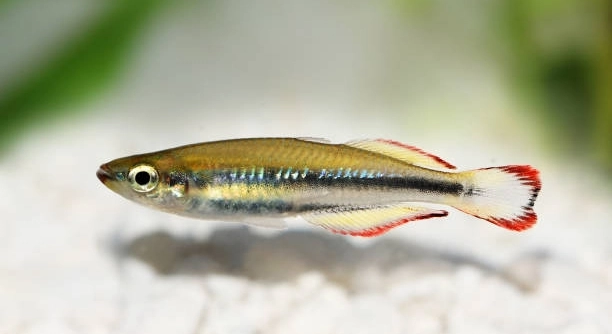
Do you enjoy watching fish swim gracefully in your aquarium but find yourself noticing differences in how each one behaves? Rainbowfish are lively, colorful, and often display unique actions that catch your attention.
Rainbowfish do exhibit distinct personalities that can be observed through their behavior. Individual fish may show differences in boldness, activity levels, and social interactions. These personality traits are consistent over time and can influence how they interact within a group.
Observing these small variations can make caring for rainbowfish even more engaging and rewarding in your home aquarium.
Understanding Rainbowfish Behavior
Rainbowfish are active swimmers that explore their environment constantly. Some seem more adventurous, swimming near the top of the tank, while others prefer hiding or staying close to plants. These behaviors reflect differences in boldness and curiosity. Over time, you may notice certain fish taking the lead during feeding or patrolling the aquarium, while others hang back, watching. Their interactions with tank mates vary as well. Some are more social and enjoy swimming in groups, while others keep to themselves. Observing their movements, feeding habits, and reactions to changes in the tank can reveal a lot about their personalities. Even subtle behaviors, like chasing or avoiding other fish, indicate how each fish responds to stress or competition. Recognizing these differences can help you create a balanced environment that supports both the active and shy members of your tank, making your aquarium more harmonious and enjoyable to watch.
Understanding these behaviors allows you to provide better care and enrich their environment appropriately.
Individual personality traits influence feeding, interaction, and stress responses. Adjusting tank layout, adding hiding spots, and monitoring group dynamics can improve overall health and social balance, ensuring a more vibrant and stable aquarium environment.
Signs of Individual Personality
Each rainbowfish may behave differently in the same conditions. Some are naturally more curious and approach humans or objects readily.
Recognizing personality traits in rainbowfish requires careful observation over time. Bold fish may explore new areas first, while shy ones respond slowly to changes. Activity levels, aggression, and schooling patterns all vary. Environmental enrichment, such as plants, rocks, and open swimming space, helps highlight these differences and allows each fish to express its natural tendencies. Feeding habits also reveal personality; some fish are quick to claim food, while others wait or hesitate. Social interactions provide further insight. A dominant fish may chase or assert itself, while less aggressive fish may avoid conflict and find safe spots. Even in a small group, these dynamics are noticeable and consistent. By paying attention to individual behavior patterns, you can better understand each rainbowfish, adjust care strategies, and create a tank that accommodates varying personalities, ultimately improving their well-being and the enjoyment of watching them thrive.
How Environment Shapes Personality
Tank setup can significantly influence a rainbowfish’s behavior. Plants, hiding spots, and open swimming areas allow fish to express natural tendencies and feel secure. A crowded or bare tank may cause stress, leading to more timid or aggressive behavior.
Providing a variety of spaces helps rainbowfish explore freely. Some fish may patrol open areas confidently, while others stick to sheltered spots. Light levels, water flow, and decorations also affect comfort and activity. Adjusting these factors can bring out different traits, helping you notice personality differences more clearly. Observing how fish react to new elements or changes reveals who is bold, shy, or social. Small tweaks, like rearranging decorations or adding plants, can change group dynamics, reduce stress, and encourage interaction. Supporting both adventurous and cautious individuals ensures a balanced and harmonious aquarium.
A well-planned environment encourages natural behaviors. Shy fish feel safe, while bold fish remain active, creating a dynamic and engaging aquarium to observe daily.
Interaction with Tank Mates
Rainbowfish personalities affect how they interact with each other. Some are dominant, asserting themselves in feeding or swimming patterns, while others are more passive and avoid conflict.
Dominant fish often take the lead, chasing others during feeding or defending preferred spots. Passive fish may stay near plants or corners, waiting for opportunities to feed without confrontation. Social dynamics are fluid and can change depending on group size and composition. Observing these interactions gives insight into each fish’s character, including boldness, curiosity, and social tendencies. Adjusting group size or tank layout can reduce stress and promote harmony. Encouraging a mix of personalities supports healthy social behavior and allows all fish to thrive without constant competition.
Maintaining balance among tank mates improves overall well-being. Each rainbowfish has a role, and understanding these dynamics enhances care and enjoyment of the aquarium.
Observing Feeding Habits
Rainbowfish show distinct personalities during feeding. Some swim straight to the food, while others hang back or wait their turn. These differences are consistent and reveal confidence and social dynamics within the tank.
Paying attention to feeding order and approach helps identify bold or shy individuals. Some fish are aggressive eaters, others cautious.
Response to Changes
Rainbowfish react differently to alterations in the tank. Introducing new plants, decorations, or water changes can highlight individual personalities. Bold fish explore immediately, while cautious fish may hide or stay close to familiar areas. Over time, their reactions help you understand temperament and comfort levels, which is useful for care.
Activity Levels
Some rainbowfish are naturally more energetic, constantly swimming and exploring the aquarium. Others move slowly and stay in sheltered spots, preferring safety over exploration. These patterns are noticeable daily and influence social interactions and feeding behavior.
Social Behavior
Rainbowfish display varying social tendencies. Some actively school with others, while others prefer solitary movement or maintaining distance. Social behavior often reflects confidence and comfort within the tank.
FAQ
Do rainbowfish really have personalities?
Yes, rainbowfish display distinct personality traits that are observable over time. Some fish are bold and curious, exploring new areas of the tank quickly. Others are shy, preferring to stay near plants or corners. Differences in activity, feeding habits, and social interactions are consistent and show that each fish has its own temperament. Observing these patterns can help you understand individual behavior and create a balanced, stress-free environment.
How can I tell if my rainbowfish is shy or bold?
Shy rainbowfish usually stay close to hiding spots, avoid open areas, and wait during feeding. Bold fish swim confidently, approach food immediately, and explore new decorations without hesitation. Tracking their daily activity and responses to changes in the tank reveals their level of confidence and curiosity.
Does personality affect feeding?
Yes, personality directly influences feeding behavior. Bold fish often rush to the food first, sometimes even chasing others away, while shy fish hang back, waiting for a chance to eat safely. Understanding these differences helps ensure all fish get proper nutrition and prevents stress during feeding times.
Can rainbowfish change their personality?
While core personality traits are generally consistent, environmental factors and social dynamics can influence behavior. A shy fish may become more confident over time with a safe, enriched environment, and a dominant fish may adapt if the tank population or layout changes. Observing responses to adjustments helps gauge flexibility.
Do rainbowfish interact differently based on personality?
Yes, personalities affect social interactions. Bold fish often assert themselves during schooling or feeding, while shy fish may avoid conflict and stick to safer areas. Social structure within the tank is influenced by these traits, and understanding them allows you to maintain harmony among tank mates.
How does tank setup impact personality?
Tank environment plays a key role in how rainbowfish express personality. Plants, decorations, and hiding spots give shy fish security and allow bold fish to explore freely. A bare or overcrowded tank can stress fish, suppress natural behaviors, and make personalities harder to observe. Adjusting the environment supports a variety of temperaments.
Are some rainbowfish naturally more active than others?
Yes, activity levels vary by individual. Some fish swim constantly, exploring all areas of the tank, while others remain calm and prefer limited movement. These differences are part of their personality and affect social interactions, feeding, and comfort within the aquarium.
Can I encourage my rainbowfish to be more social?
Yes, providing a balanced tank with open swimming areas, hiding spots, and enrichment encourages natural social behaviors. Introducing new decorations gradually and maintaining stable water conditions helps shy fish feel safe, allowing them to interact more confidently with other tank mates.
Do rainbowfish show affection or recognition?
Rainbowfish may not show affection in the same way mammals do, but they can recognize consistent feeding routines and respond to your presence. Bold fish may approach the front of the tank, while others observe quietly. Their reactions reflect comfort and trust in their environment.
How long does it take to notice personality differences?
Personality differences can often be seen within the first few weeks of observation. Feeding behavior, swimming patterns, and responses to changes or tank mates provide clear signs. Consistent monitoring helps identify traits, allowing you to tailor care to each rainbowfish’s temperament.
Does age affect personality in rainbowfish?
Young rainbowfish may display more cautious behavior as they grow accustomed to the tank. As they mature, personalities generally become clearer and more stable. Older fish tend to have established routines and preferred spaces, making individual differences easier to recognize.
Can personality affect health?
Yes, stress and social conflict can impact health. Shy fish in aggressive groups may eat less or hide excessively, while dominant fish may overexert themselves. Observing personalities and adjusting tank conditions ensures all fish remain healthy and active.
Should I separate fish with very different personalities?
Not always. With careful observation and proper tank setup, fish with different temperaments can coexist. Providing hiding spots and sufficient swimming space allows shy fish to feel secure while letting bold fish remain active, maintaining overall harmony.
Does personality influence breeding behavior?
Yes, bold or dominant rainbowfish may take the lead in establishing territories or courting mates, while shy fish participate more cautiously. Recognizing these differences helps manage breeding conditions and ensures all fish have opportunities to reproduce safely.
Can I predict behavior based on personality?
To some extent, yes. Bold fish tend to explore and take risks, while shy fish avoid conflict and prefer sheltered areas. Observing consistent patterns helps anticipate reactions to feeding, tank changes, and social interactions, improving care and management.
How can I support different personalities in the same tank?
Provide a mix of hiding spots, open swimming areas, and varied decorations. Maintain stable water conditions, feed evenly, and monitor social dynamics. This approach allows each fish to express its natural behavior, reducing stress and promoting a harmonious tank environment.
Are personality traits consistent across species of rainbowfish?
While all rainbowfish have individual differences, the degree of boldness, social tendencies, and activity levels may vary by species. Some species are naturally more active or social, but personality differences are still noticeable within any group. Observing each tank helps understand individual fish traits.
Do rainbowfish remember other fish or people?
Rainbowfish have the ability to recognize familiar tank mates and routines. They may respond differently to known individuals, showing comfort and predictable behavior patterns over time. This recognition is influenced by personality and social experience within the aquarium.
How detailed should my observation be to understand personalities?
Observing daily feeding, swimming, and social interactions provides clear insight. Note reactions to changes in environment, additions of new fish, or rearranged decorations. Keeping track over weeks ensures accurate understanding of individual personality traits.
Can personality affect lifespan?
Indirectly, yes. Shy or stressed fish may eat less or avoid exercise, impacting health. Bold fish may face more competition but generally adapt well. Supporting all personalities with proper tank setup and care promotes longevity for every fish.
How do I balance a tank with mixed personalities?
Observe interactions, adjust tank layout, and provide sufficient hiding and swimming space. Introduce decorations gradually, monitor feeding, and separate fish only if stress or aggression persists. Balancing personalities ensures a healthy and dynamic aquarium.
Do personalities make rainbowfish more interesting to watch?
Absolutely. Noticing bold explorers, cautious observers, and active swimmers adds depth to your aquarium experience. Each fish displays unique traits, making daily observation engaging and rewarding for caretakers.
Can shy fish become bolder over time?
Yes, with a stable environment, safe hiding places, and minimal stress, shy fish can gain confidence. Gradual exposure to new areas, gentle feeding routines, and patient observation encourage bolder behavior without forcing change.
Are personality traits hereditary in rainbowfish?
Some tendencies may be influenced by genetics, but environment, social dynamics, and early experiences play a larger role. Observing each fish individually provides a more accurate understanding of temperament than relying solely on lineage.
What is the best way to document personalities?
Keep a journal noting feeding order, swimming patterns, reactions to new objects, and social interactions. Regular observation allows you to track consistent traits, identify changes, and adjust care to suit each fish’s unique personality.
Do rainbowfish personalities affect aquarium harmony?
Yes, recognizing differences helps prevent stress and conflict. Bold fish can dominate, while shy fish may hide excessively. Adjusting tank layout and group composition ensures all fish coexist peacefully, creating a stable and enjoyable aquarium.
How important is understanding personality for care?
Understanding personality is essential for optimal care. It informs feeding, tank setup, social management, and stress reduction. Catering to individual traits ensures each rainbowfish thrives and the aquarium remains harmonious and engaging.
Can observing personality help with breeding and selection?
Yes, personality observation helps identify suitable mates and compatible groupings. Bold or social fish may be more active breeders, while shy fish need supportive environments. Awareness ensures safe and effective breeding management.
How do personalities affect schooling behavior?
Bold fish may lead or explore edges of the school, while shy fish stay in the center or at the back. These differences maintain group cohesion while allowing individuals to express natural behavior safely.
Do personalities influence response to humans?
Yes, bold fish may approach the front of the tank or recognize feeding routines, while shy fish may stay hidden. Responses reflect comfort, curiosity, and past experience with interaction.
Can observing personalities prevent tank problems?
Absolutely. Recognizing dominant or aggressive fish, shy individuals, and activity levels helps prevent bullying, stress, and feeding issues. Adjusting tank conditions based on these observations ensures healthier, happier fish.
How often should I monitor behavior to understand personality?
Daily observation during feeding, swimming, and interaction is best. Tracking patterns over weeks provides a clear understanding of temperament, allowing for proper care and environmental adjustments.
Are personality traits obvious in all rainbowfish?
Most rainbowfish display noticeable differences, though subtle traits may take time to identify. Boldness, activity levels, social tendencies, and feeding behavior are the most apparent indicators. Regular observation ensures accurate recognition of each fish’s personality.
Do personalities affect aggression?
Yes, dominant or bold fish may assert themselves over timid individuals, while shy fish avoid confrontation. Understanding these traits helps manage group dynamics and maintain a stress-free tank.
Can environmental stress alter personality temporarily?
Yes, changes like poor water quality, overcrowding, or sudden rearrangements can cause shy fish to hide more or bold fish to become aggressive. Restoring stable conditions usually returns natural behavior.
How detailed should the aquarium setup be for personality observation?
A mix of open swimming areas, plants, and hiding spots allows all personality types to express natural behaviors. Observing responses to different areas reveals confidence, curiosity, and social tendencies.
Does observing personalities improve care routines?
Yes, awareness of individual behavior informs feeding, tank management, and social interaction. Understanding each fish’s personality allows tailored care and promotes a healthy, balanced aquarium environment.
Is there a difference in personalities between males and females?
Males may be more territorial or active, especially during breeding periods, while females may show more cautious behavior. Observing both genders helps manage group dynamics effectively.
Can two bold fish dominate a tank?
Yes, multiple dominant individuals may compete for space and food. Proper layout, hiding spots, and monitoring interactions reduce conflict and support balanced social behavior.
Do rainbowfish personalities affect swimming patterns?
Bold fish often explore the tank widely, while shy fish may limit movement to safe areas. Observing these patterns highlights confidence levels and comfort within the aquarium.
Can personalities help identify compatible tank mates?
Yes, understanding who is bold, shy, social, or passive allows better group composition. Matching compatible temperaments reduces stress, encourages natural behavior, and ensures a harmonious tank.
How do I encourage shy fish without stressing bold ones?
Provide hiding spots and gradual exposure to open areas. Maintain consistent feeding routines and observe interactions. This supports shy fish growth while allowing bold fish to remain active naturally.
Does observing personalities make the aquarium more engaging?
Absolutely. Noticing the differences in boldness, curiosity, and social interactions adds depth to daily observation. Each fish’s unique traits create a dynamic and captivating aquarium environment.
Are personality differences more noticeable in certain species of rainbowfish?
Yes, some species are naturally more active or social, which makes personality traits easier to observe. Regardless, individual differences are always present and can be identified with careful observation.
Can personality observation prevent health issues?
Yes, monitoring behavior helps identify stress, aggression, or feeding problems early. Adjusting care based on personality supports overall health and reduces the risk of illness.
How long does it take to fully understand personalities in a tank?
With consistent observation, key traits are noticeable within weeks. Continuous monitoring over months provides a complete understanding of each fish’s temperament, activity patterns, and social tendencies.
Do rainbowfish remember routines based on personality?
Yes, bold fish may recognize feeding patterns quickly, while shy fish learn gradually. Memory and routine recognition reflect temperament and comfort levels, impacting how they interact with the environment.
Can observing personalities improve aquarium aesthetics?
Yes, understanding individual behavior allows better tank layout, balancing active and passive swimmers. Proper placement of plants and decorations ensures both safety and visibility, enhancing visual appeal.
Do personalities affect lifespan indirectly?
Yes, stress, aggression, and social hierarchy influence feeding and activity. Supporting all personality types ensures healthier, longer-lived fish.
Can observing personalities help new aquarium owners?
Absolutely. Recognizing bold, shy, social, and passive fish helps beginners manage feeding, tank layout, and interactions effectively, reducing stress for both fish and caretaker.
Is it necessary to document personalities formally?
Not mandatory, but keeping notes helps track behavior changes, feeding patterns, and interactions. Documentation aids long-term observation and improves care decisions.
Do personalities remain stable over time?
Yes, core traits are generally consistent. Environmental changes, social dynamics, and maturity may influence behavior temporarily, but fundamental temperament remains identifiable throughout life.
Can two shy fish coexist peacefully?
Yes, shy fish often avoid conflict and prefer sheltered areas. A well-planned tank with hiding spots supports calm interaction, making coexistence easy and stress-free.
Are personalities easy to spot in large groups?
It can be challenging, but careful observation of feeding order, movement patterns, and social interactions reveals individual differences even in larger tanks.
Do personalities influence response to tank cleaning?
Yes, bold fish may explore immediately after cleaning, while shy fish may hide until the environment feels safe again. Observing responses helps maintain comfort and reduce stress.
Can recognizing personality traits reduce aggression?
Yes, understanding dominant, passive, or shy behaviors allows you to adjust tank layout, feeding strategies, and group composition, preventing conflict and ensuring a peaceful aquarium.
Do rainbowfish personalities influence how they school?
Yes, bold fish may lead or patrol edges, while shy fish stay near the center or in safe zones. These differences maintain cohesion while allowing individuality.
How important is patience in observing personalities?
Patience is essential. Personality traits are subtle and develop over time. Consistent, careful observation allows accurate identification and better management of fish behavior.
Can observing personalities help with selective breeding?
Yes, boldness, social behavior, and activity levels can guide pairing choices, ensuring compatibility and healthier offspring.
Does water quality affect behavior and personality expression?
Yes, poor water conditions increase stress and can suppress natural behavior. Maintaining stable water quality allows true personality traits to emerge consistently.
Can observing personalities prevent overfeeding?
Yes, understanding which fish are bold or shy helps distribute food evenly, preventing dominant fish from eating too much and shy fish from being underfed.
Are personality differences noticeable in young rainbowfish?
Young fish may appear cautious, but traits like boldness, curiosity, and social tendencies become clearer as they grow and settle into the tank.
Can observing personalities help with tank decoration placement?
Yes, noticing which fish explore, hide, or patrol allows strategic decoration placement to support both adventurous and cautious individuals, ensuring a comfortable environment for all.
Do personalities affect response to light and temperature changes?
Yes, bold fish may explore new conditions quickly, while shy fish may retreat. Gradual adjustments help all fish acclimate safely.
Can personality observation improve feeding routines?
Absolutely. Knowing which fish are aggressive or passive eaters allows more efficient feeding strategies, reducing stress and ensuring all fish receive proper nutrition.
Does observing personalities make aquarium care easier?
Yes, understanding individual traits informs feeding, layout, social management, and enrichment decisions. This knowledge improves the well-being of each fish and the overall harmony of the tank.
Are there tools to help monitor personalities?
Simple observation, notes, and photos are sufficient. Recording behavior over time provides a clear picture of traits and helps track changes or improvements in tank management.
Can personalities affect response to new tank mates?
Yes, bold fish may assert dominance, while shy fish may avoid interaction. Gradual introductions and monitoring prevent stress and promote compatibility.
Do personalities affect schooling patterns during feeding?
Yes, bold fish often lead or feed first, while shy fish wait. Observing these patterns ensures all fish receive adequate nutrition without conflict.
Can environmental enrichment highlight personality traits?
Yes, adding plants, decorations, and hiding spots allows fish to explore and display natural behaviors, making individual differences more apparent.
Is observing personalities rewarding?
Yes, it enhances engagement, understanding, and care. Watching bold explorers, cautious observers, and active swimmers adds depth and enjoyment to maintaining the aquarium.
Do personalities influence how rainbowfish react to human presence?
Yes, bold fish may approach the front or interact with hands, while shy fish stay hidden. Responses reflect temperament and comfort with routine interaction.
Can personalities affect stress levels?
Yes, understanding dominant, passive, or shy behavior helps prevent conflict, providing a calmer environment and reducing overall stress in the aquarium.
Are personality differences more noticeable in smaller tanks?
Yes, limited space makes behaviors like boldness, shyness, and social interaction easier to observe. However, careful attention is still required in larger setups.
Can observing personalities help prevent bullying?
Yes, recognizing dominant or aggressive fish allows adjustments to layout, hiding spots, and feeding, preventing persistent harassment of shy individuals.
Do personalities influence swimming height preference?
Yes, bold fish may explore near the surface, while shy fish stick to the middle or bottom. These preferences reflect confidence and comfort levels.
Can I use personality observation to improve tank harmony?
Absolutely. Understanding each fish’s temperament allows better management of group dynamics, tank setup, and feeding, creating a balanced and stress-free environment.
Do rainbowfish express curiosity differently based on personality?
Yes, bold fish investigate new objects immediately, while shy fish approach cautiously or not at all. Personality determines level of exploration and interaction.
Can personality observation help with disease prevention?
Yes, noticing changes in activity, social behavior, or feeding helps detect stress or illness early, allowing prompt intervention and better overall care.
Do rainbowfish show leadership based on personality?
Yes, bold individuals often lead swimming routes or feeding activity, while shy fish follow or remain in safe zones. Leadership tendencies reflect confidence.
How does group size affect personality expression?
In larger groups, shy fish may hide more, and dominant fish may assert themselves more. Observing behavior in context of group size ensures accurate understanding of traits.
Can observing personalities help with selective tank decoration?
Yes, understanding which fish explore, hide, or patrol helps place plants and decorations strategically, supporting all temperament types.
Are personality traits observable in short-term observation?
Some traits are visible quickly, such as boldness or shyness, but a longer-term observation is necessary to fully understand social tendencies and interaction patterns.
Do personalities affect territorial behavior?
Yes, dominant fish often claim certain areas or decorations, while shy fish avoid conflict and stick to less contested spots, influencing group dynamics.
Can personalities change due to illness?
Yes,
Rainbowfish are more than just colorful additions to a tank; they are individuals with personalities that can be observed and appreciated. Each fish displays unique behavior, whether it is bold exploration, cautious observation, or social interaction with other tank mates. These differences are consistent and can be seen in daily routines such as feeding, swimming patterns, and responses to changes in the environment. Paying attention to these traits allows caretakers to understand their fish better and provide an environment that supports both shy and adventurous personalities. Simple observations, like noting which fish approaches food first or how each fish navigates plants and decorations, reveal personality traits that make every fish unique.
Creating a balanced and supportive tank environment is key to encouraging natural behavior and allowing rainbowfish personalities to emerge. Providing a mix of open swimming space, plants, and hiding spots ensures that each fish has room to express its temperament comfortably. Bold fish can explore and patrol the tank freely, while shy fish have safe areas to retreat and feel secure. Adjusting water flow, light levels, and decorations also helps create a setting that accommodates different personality types. Understanding social dynamics within the tank is equally important. Dominant fish, passive fish, and those in between all interact in different ways, and observing these interactions can help maintain harmony. By providing the right balance of space, enrichment, and stable conditions, caretakers can support the well-being of all rainbowfish, allowing their natural behaviors and personalities to shine.
Observing rainbowfish personalities adds depth and enjoyment to the experience of keeping an aquarium. It encourages careful monitoring of feeding habits, swimming patterns, and social interactions, which benefits both the fish and the caretaker. Recognizing individual differences allows adjustments to feeding routines, tank layout, and group composition, reducing stress and promoting health. Over time, noticing how each fish reacts to new elements or tank changes provides insight into their temperament and confidence. These observations not only improve the daily care of rainbowfish but also make the aquarium more engaging to watch. Each fish contributes to a dynamic and balanced environment, creating a lively and captivating tank. By appreciating the individuality of rainbowfish, caretakers can create a harmonious home for their fish while enjoying the unique personalities that make each one special.

Hello,
If you enjoy the content that we create, please consider saying a "Thank You!" by leaving a tip.
Every little bit helps us continue crafting quality advice that supports the health, happiness, and well-being of pets around the world, for pets of all shapes, sizes, and species.
We really appreciate the kindness and support that you show us!