
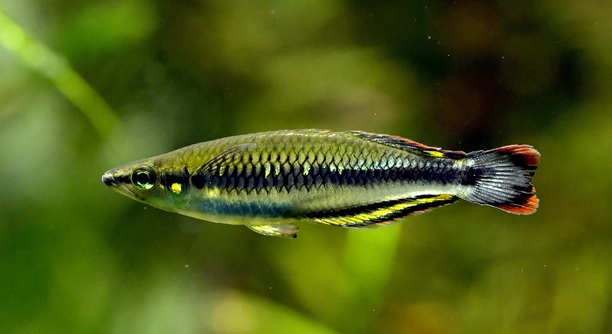
Are your rainbowfish showing subtle changes in behavior or appearance as time passes? Over the years, these colorful fish can gradually show signs of aging that are easy to miss for many aquarium owners.
Rainbowfish exhibit several physiological and behavioral changes as they age. These include fading coloration, slower swimming patterns, decreased appetite, fin deterioration, and changes in social interaction. Recognizing these signs allows for better care and improved longevity in captivity.
Noticing these indicators early can help maintain your fish’s health and ensure a comfortable environment for them as they grow older.
Fading Coloration
As rainbowfish age, one of the most noticeable changes is in their coloration. Their vibrant scales may become dull or lose the iridescent shine that once made them stand out. Younger rainbowfish often display bright reds, blues, and greens, while older fish show more muted tones. This fading is a natural part of aging and not necessarily a sign of illness, though it can sometimes be exacerbated by poor water conditions or inadequate nutrition. Keeping water clean and providing a varied diet rich in nutrients can help maintain their colors for as long as possible. Observing your fish regularly allows you to notice these changes early, giving you a better understanding of their overall health. Some species naturally fade faster than others, so comparing with similar-aged fish of the same species can provide a useful reference. Even subtle shifts in color can indicate that your rainbowfish is entering its senior stage, helping you adjust care appropriately.
Dull or faded colors are a reliable visual sign of aging in rainbowfish. These changes develop gradually over time.
Regular monitoring and proper care can slow color fading. Adjusting diet, light, and tank conditions supports overall health while keeping their appearance pleasant and natural.
Slower Swimming Patterns
Older rainbowfish tend to swim less energetically than younger fish. They may spend more time resting near the bottom or hiding in plants, avoiding the rapid movements they once enjoyed. This change is a natural part of their aging process, reflecting decreased muscle strength and stamina. While slower swimming can be normal, sudden lethargy or complete inactivity may signal health issues that need attention. Providing gentle currents and avoiding overcrowding can make older fish more comfortable. Monitoring their swimming patterns helps distinguish normal aging from potential disease. Even simple changes, like taking longer to chase food or explore the tank, are indicators of an older fish. Observing interactions with other fish can also reveal shifts in social behavior that accompany reduced activity. Ensuring consistent water temperature and a stress-free environment allows older rainbowfish to move safely and maintain as much activity as possible, preserving muscle tone and overall vitality.
Changes in swimming speed and activity levels signal age-related adjustments in rainbowfish behavior.
Slower movements result from natural muscle decline, requiring gentle care, moderate currents, and minimal stress for older rainbowfish. Maintaining comfort helps support their mobility and quality of life.
Decreased Appetite
Older rainbowfish often eat less than they did in their younger years. They may nibble at food slowly or ignore certain types of flakes or pellets entirely. Adjusting feeding routines and offering softer or more appealing foods can help maintain proper nutrition.
Appetite changes in aging rainbowfish are common and usually gradual. Their metabolism slows, making them less active and less hungry. Some may favor live or frozen foods over dry pellets, as these are easier to digest and more enticing. Monitoring their intake is important to prevent malnutrition, which can worsen age-related issues. Providing small, frequent meals ensures they get enough nutrients without overfeeding, which can stress their digestive system. Changes in appetite often correspond with energy levels and overall health, so careful observation helps you identify normal aging versus possible illness.
Even with a reduced appetite, older rainbowfish can thrive with proper diet adjustments. Offering varied, nutrient-rich food and monitoring portions keeps them healthy while accommodating slower eating habits.
Fin Deterioration
Fins of older rainbowfish may show signs of wear, including fraying, splitting, or fading. This is a natural effect of aging, though tank conditions and social interactions can contribute to damage. Gentle handling and proper tank care reduce further deterioration.
Aging fins lose elasticity and strength, making them more prone to tearing. Fighting, rough surfaces, or inadequate water quality can accelerate this process. Regular water changes, smooth decorations, and observing fish interactions help minimize damage. In some cases, supplementing with vitamins can support fin regeneration and overall health. Observing fin condition over time gives insight into the fish’s aging process and helps distinguish between normal wear and injury. Maintaining good nutrition, avoiding overcrowding, and reducing stress ensures fins remain as healthy as possible, even in later years.
Proper attention to water quality, nutrition, and safe tank design can slow fin deterioration. Ensuring minimal stress and gentle environments supports fin health while accommodating age-related changes.
Reduced Social Interaction
Older rainbowfish often interact less with tank mates. They may avoid group swimming or chasing others, preferring to stay on their own. This shift in behavior is a normal sign of aging and does not necessarily indicate illness.
They might also retreat to corners or hide among plants more frequently. Changes in social patterns can help you identify which fish are aging and need gentler care. Observing these shifts ensures that older fish remain comfortable within the community tank environment.
Changes in Scale Texture
As rainbowfish age, their scales may become rougher or slightly raised. This change is part of the natural aging process and can affect the fish’s overall appearance and health.
Scale texture changes can be influenced by minor injuries, water quality, or diet deficiencies. Older fish often have slower regenerative abilities, so small scratches may take longer to heal. Maintaining clean water, providing balanced nutrition, and avoiding sharp or abrasive decorations helps prevent further damage. Watching scale condition over time allows you to monitor health and distinguish between normal aging and disease-related issues. Proper care supports overall vitality and keeps the fish comfortable despite aging.
Reduced Breeding Activity
Older rainbowfish often produce fewer eggs and show less interest in mating. Their reproductive capabilities naturally decline with age, reflecting overall physiological changes.
FAQ
How can I tell if my rainbowfish is aging?
Aging rainbowfish show subtle but noticeable signs. Fading coloration, slower swimming, decreased appetite, and fraying fins are common indicators. They may also interact less with other fish and spend more time hiding. Observing your fish regularly and comparing behavior with younger tank mates helps identify these changes. Tracking these signs early allows you to adjust care to meet their changing needs, ensuring comfort and health as they grow older.
Should I change their diet as they get older?
Yes. Older rainbowfish often eat less and may struggle with harder foods like large flakes or pellets. Offering smaller, softer foods, along with occasional live or frozen options, can encourage feeding. Nutrient-rich diets that include protein and vitamins support their slower metabolism and help maintain their color and energy. Frequent, smaller meals prevent overfeeding while ensuring they receive enough nutrition to stay healthy in their senior years.
Do older rainbowfish need different tank conditions?
Slight adjustments can make a big difference. Older fish benefit from gentle water flow and fewer aggressive tank mates. Smooth decorations reduce the risk of fin damage, and maintaining stable water temperature and high water quality is essential. Regular water changes and careful monitoring help prevent stress, which older fish are less able to handle. Creating a calm environment supports their health, mobility, and overall comfort as they age.
How often should I monitor their health?
Frequent observation is important. Daily checks for behavior, appetite, swimming patterns, and fin condition help detect early changes. Weekly water parameter tests ensure a stable environment, preventing issues that can worsen with age. Keeping a simple log of changes allows you to track patterns over time, making it easier to notice when intervention may be needed. Older rainbowfish benefit from consistent monitoring to maintain quality of life.
Can I expect my rainbowfish to live as long as younger ones?
Lifespan naturally decreases with age. While proper care can extend comfort and reduce health issues, older rainbowfish are more prone to slower metabolism, weakened immune systems, and minor injuries. Maintaining optimal tank conditions, high-quality nutrition, and stress-free environments can help them live their remaining years comfortably, but their longevity will be shorter than when they were at their peak.
Is it normal for older rainbowfish to hide more often?
Yes. Older fish may prefer shelter and spend more time among plants or decorations. Hiding behavior helps them conserve energy and feel secure. Providing adequate hiding spots is important to reduce stress. Observing their preferred areas can give insight into their comfort levels and health needs.
Can fin deterioration be reversed?
Minor damage may improve with proper care, but aging makes full regeneration slower. Keeping water clean, providing balanced nutrition, and preventing fin-nipping from other fish supports recovery. Avoiding sharp decorations and aggressive tank mates prevents further injury. While some wear is inevitable, attention to these factors helps maintain fin health for longer.
Should I separate older fish from younger, more active rainbowfish?
Separation is sometimes beneficial if younger fish are overly active or aggressive. Older rainbowfish may struggle to keep up, which can cause stress or injury. Creating areas with gentle currents and calm zones allows older fish to maintain mobility and comfort without constant competition. Maintaining a balance between community interaction and safe space supports both older and younger fish.
How can I support their overall well-being as they age?
Focus on nutrition, tank environment, and stress reduction. High-quality food, clean water, appropriate temperatures, and calm tank mates are key. Observe their behavior regularly and adjust care to match their declining energy levels. Providing enriched spaces, hiding spots, and gentle currents helps older rainbowfish stay active safely while maintaining comfort.
When should I consult a veterinarian?
Consult a vet if you notice sudden changes in behavior, rapid loss of appetite, signs of disease, or injury that does not heal. While aging causes gradual changes, sudden declines may indicate illness or infection. Early intervention ensures the best possible outcomes and helps maintain the fish’s quality of life.
How long do rainbowfish usually live?
Rainbowfish lifespan varies by species, but most live between 5 and 8 years under good care. Proper nutrition, clean water, and stress-free environments support longevity. Aging signs often appear after 3–4 years, allowing you to adjust care before their senior years. Monitoring health and behavior helps maximize their lifespan comfortably.
Can stress shorten their lifespan?
Yes. Older rainbowfish are more sensitive to stress from overcrowding, aggressive tank mates, poor water conditions, or sudden changes. Reducing stress helps maintain immune function, activity levels, and appetite. Calm, stable environments with consistent routines allow older fish to remain healthy and comfortable as they age.
What signs indicate severe aging versus normal aging?
Normal aging is gradual, including dulling color, slower swimming, and decreased appetite. Severe aging may include rapid weight loss, fin rot, lethargy, or sudden inactivity. Differentiating between the two helps determine if additional care or veterinary attention is required. Tracking these signs over time provides clarity on health status.
Is it normal for older rainbowfish to lose some social behavior?
Yes, decreased interaction with tank mates is common. Older fish may avoid schooling or chasing others, spending more time alone. This behavior is part of natural aging, but ensuring they have safe spaces and gentle companions helps maintain comfort and reduces stress.
How can I make their environment more comfortable?
Provide smooth surfaces, hiding spots, and moderate water flow. Keep water clean, temperature stable, and avoid overcrowding. Adjust feeding routines and food type to match their reduced appetite. Creating a calm, supportive environment helps older rainbowfish maintain health and enjoy their remaining years with minimal stress.
Caring for older rainbowfish requires careful observation and small adjustments in their environment and daily routine. As they age, their behavior, appearance, and activity levels gradually change. Fading coloration, slower swimming, reduced appetite, and fin deterioration are all normal signs of aging, and noticing them early can make a significant difference in how you care for your fish. Adjusting their diet to include softer, more nutrient-rich foods and feeding smaller, more frequent meals can help maintain their energy and overall health. Monitoring their eating habits ensures they receive enough nutrition without overfeeding, which can be harmful to older fish. Paying attention to the subtle signs of aging allows you to respond appropriately and create a supportive environment that helps them stay comfortable and healthy throughout their senior years.
Tank conditions also play a crucial role in the well-being of aging rainbowfish. Maintaining clean water, stable temperatures, and gentle water flow is important, as older fish are more sensitive to changes and stress. Providing hiding spots and safe areas allows them to retreat when they need rest or feel threatened by more active tank mates. Decorations should be smooth and free of sharp edges to prevent fin damage, and overcrowding should be avoided to reduce stress and aggression. Regular water testing and cleaning help maintain optimal water quality, which is especially important for older fish whose immune systems may not be as strong. A calm, consistent environment combined with careful observation and thoughtful adjustments to the tank setup can greatly improve the quality of life for aging rainbowfish.
Supporting your rainbowfish as they grow older is about understanding their needs and adapting care routines to accommodate natural changes. While some signs of aging, such as reduced breeding activity or slower movement, cannot be reversed, providing proper nutrition, maintaining a stable environment, and minimizing stress helps them live their remaining years comfortably. Observing social interactions, swimming patterns, and overall behavior gives insight into their well-being and helps distinguish between normal aging and potential health issues that may require attention. Even small adjustments, like modifying diet or offering more hiding spots, can have a positive impact. By prioritizing care tailored to their senior stage, you can ensure your rainbowfish remain healthy, comfortable, and supported as they age, allowing them to enjoy the environment you have created for them for as long as possible.

Hello,
If you enjoy the content that we create, please consider saying a "Thank You!" by leaving a tip.
Every little bit helps us continue crafting quality advice that supports the health, happiness, and well-being of pets around the world, for pets of all shapes, sizes, and species.
We really appreciate the kindness and support that you show us!