
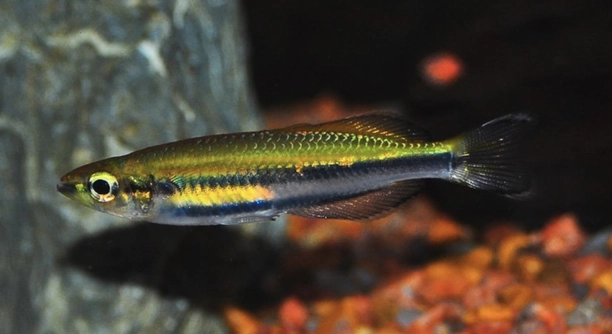
Have you ever cared for a rainbowfish tank and wanted to keep it clean without stressing your fish or disrupting their routine? Maintaining an environment can be simple when each step is done with attention.
Cleaning a rainbowfish tank safely requires removing debris, refreshing part of the water, and protecting beneficial bacteria. Using gentle methods, stable temperatures, and proper conditioners supports the fish while keeping the habitat balanced and reduces stress during routine maintenance tasks.
Understanding these steps will help you create a clean space that supports healthy behavior and keeps your rainbowfish thriving well.
Preparing Your Tank for Safe Cleaning
Preparing a rainbowfish tank for cleaning starts with creating a calm environment that keeps stress low while you handle the basic tasks. I begin by turning off filters, lights, and heaters so I can work safely without causing sudden changes. Moving slowly helps keep the fish relaxed, and I avoid tapping the glass or shifting decorations too abruptly. I gather everything I need before starting, including buckets, a siphon, soft sponges, and water conditioner. Having supplies ready prevents unnecessary movement around the tank. I also check the temperature of the replacement water to match the tank as closely as possible. This step reduces the chance of shocking the rainbowfish. Once everything is set, I remove only a small amount of water at a time, keeping the surface movement steady and gentle. These simple actions make the process smooth, controlled, and easy to repeat during each routine cleaning.
Removing loose debris with a siphon helps keep the tank healthy without disturbing the natural balance inside. I keep the hose steady and work along the substrate, lifting waste while leaving beneficial bacteria untouched. This method keeps the water clear and reduces stress for the rainbowfish.
Cleaning decorations and glass surfaces requires gentle handling to avoid altering the tank too much at once. I use a soft sponge reserved only for aquarium use, wiping algae and residue without adding pressure that could damage fragile pieces. When rinsing items, I rely on old tank water instead of tap water so the helpful bacteria remain intact. This keeps the tank stable after everything is returned to its place. I avoid strong chemicals and focus on slow movements that maintain the layout the rainbowfish recognize. These careful steps support cleanliness while preserving the balanced environment they depend on daily.
Maintaining Water Quality After Cleaning
After cleaning, replacing water gradually helps rainbowfish adjust without discomfort. I pour fresh conditioned water slowly along the side of the tank, allowing temperatures to stay even. I restart equipment one piece at a time, making sure each function works properly. This keeps everything stable while the fish settle again.
Maintaining water quality after a safe cleaning involves regular checks and steady habits that support long term stability. I start by monitoring the temperature to ensure it remains consistent throughout the tank, since rainbowfish respond best to dependable conditions. I also track ammonia, nitrite, and nitrate levels with simple test kits, making sure the biological filter continues working as it should. If levels drift, small adjustments help bring them back to normal without sudden changes. Feeding lightly for a day after cleaning prevents extra waste from building up before the system settles. I keep filters clean but never wash media with tap water because it can remove the helpful bacteria that keep the tank balanced. Instead, I rinse the media in old tank water during scheduled maintenance. I stay attentive to the rainbowfish, watching their movement and appetite to confirm that the environment feels comfortable for them. These steady habits protect water quality, support the filter system, and keep the tank clear and safe between cleanings.
Choosing the Right Tools for Safe Tank Care
Using the right tools keeps cleaning simple and prevents accidental harm. I rely on a soft sponge, a gravel siphon, a bucket reserved only for tank use, and gentle conditioning products. These basic items help me maintain a clean tank without disrupting the rainbowfish.
When selecting equipment, I focus on tools that protect the natural balance inside the tank. A gravel siphon with adjustable flow lets me remove waste without pulling up too much substrate. I choose a sponge that never touched soaps or chemicals, keeping every wipe safe for the fish. My bucket stays dedicated to aquarium tasks so no residue enters the water. I also keep a thermometer close to match new water accurately. These small decisions prevent stress, preserve bacteria, and support the biological filter. Using simple, reliable tools helps me work calmly and confidently through each step of the cleaning routine.
Having everything organized makes maintenance faster and smoother. I store tools in one place so I never scramble for supplies during a cleaning session. This helps me stay focused on gentle movements and careful handling. I clean the siphon tubing after each use with warm water to prevent buildup, and I replace worn sponges before they break apart. I also check conditioning products for expiration dates to keep the water safe. Keeping tools in good condition ensures the tank stays healthy between deep cleanings. These steady habits create an environment where rainbowfish can swim freely and remain comfortable while I manage their space.
Understanding Rainbowfish Behavior During Cleaning
Rainbowfish often react to movement and shifting water, so I watch their patterns closely to avoid stressing them. They may speed up slightly or change direction, and I use those signals to adjust my pace and make each step smoother for them.
Paying attention to behavior helps me maintain a calm, stable environment. If the fish group together near one side, I avoid working in that area first. I let them settle before continuing. Slow actions keep the water clear and help reduce their sensitivity to change. I also keep the room quiet during cleaning, avoiding loud movements or sudden shadows that may cause them to scatter. Stable lighting helps them feel safe while I work. When I finish, I observe their swimming for a few minutes to ensure they return to normal patterns. This simple awareness protects their comfort and reinforces a safe routine they can adapt to over time.
Managing Filter Care During Cleaning
Cleaning the filter carefully helps keep the tank stable while protecting helpful bacteria. I remove the filter media gently and rinse it in old tank water, avoiding tap water that can damage its balance. This keeps the filter functioning properly and supports steady conditions for rainbowfish in their careful habitat.
I check the filter housing for buildup that may slow water flow and clean it with gentle movements. Keeping the parts free of debris prevents strain on the system and maintains stable circulation. This helps keep oxygen levels consistent and supports the rainbowfish during daily activity in their peaceful environment.
Handling Plants and Decorations Safely
Handling plants and decorations with care keeps the tank balanced while reducing stress for rainbowfish. I lift each piece slowly and rinse it in old tank water to keep helpful bacteria intact. When removing live plants, I avoid shaking the roots too much so the substrate stays stable. I clean algae gently with a soft sponge, avoiding any pressure that could damage delicate leaves. Returning each item to its place helps maintain the familiar layout the fish rely on. These careful steps protect the biological balance, prevent sudden changes, and support a calm environment after every cleaning session at home.
Keeping Stress Low After Cleaning
Keeping stress low after cleaning helps rainbowfish settle back into their routine. I keep lighting steady, avoid sudden movements, and let the water circulate fully before feeding. Watching their swimming patterns helps me confirm they feel comfortable and secure once the tank returns to its normal rhythm for their comfort.
FAQ
How often should I clean my rainbowfish tank?
I clean my rainbowfish tank every two to three weeks, depending on the number of fish and how quickly debris accumulates. Partial water changes happen weekly to keep nitrate levels low and maintain a stable environment. Regular monitoring of water clarity and filter performance helps me decide if an extra cleaning is needed. This schedule keeps the tank healthy while minimizing stress for the fish.
Can I use tap water directly for refilling the tank?
I never pour tap water directly into the tank. Chlorine and other chemicals can harm rainbowfish and destroy helpful bacteria. I always use a water conditioner to neutralize chlorine and chloramines, and I check the temperature so the new water matches the tank closely. This keeps fish safe and avoids sudden shocks to the ecosystem.
What tools are safe to use for cleaning the tank?
Soft sponges, gravel siphons, and buckets reserved only for aquarium use are my go-to tools. I avoid metal scrapers or harsh chemicals that could scratch surfaces or harm fish. Using equipment only for the tank keeps everything safe and reduces the risk of contamination. Simple tools work best for a calm, consistent cleaning routine.
Should I clean the filter media at the same time as the tank?
Yes, but carefully. I remove the filter media and rinse it gently in old tank water, never tap water. This preserves beneficial bacteria while removing debris. I also check the housing for buildup that could slow water flow. Maintaining the filter ensures proper oxygen levels and a healthy environment for rainbowfish.
How do I clean decorations without harming the fish?
I remove each decoration slowly and rinse it with old tank water. Algae is cleaned gently with a soft sponge to avoid pressure that could damage plants or artificial pieces. Returning items to their original positions keeps the tank familiar for the fish and helps maintain the established biological balance.
What should I do if the water becomes cloudy after cleaning?
Cloudy water often settles within a few hours if the filter is running properly. I avoid overfeeding and make sure the substrate wasn’t disturbed too much during cleaning. Keeping the filter media intact and checking the water parameters ensures the cloudiness clears quickly without additional intervention.
Is it safe to handle live plants during cleaning?
Yes, but with care. I lift plants slowly and rinse them gently in tank water, avoiding shaking the roots. This prevents substrate from dislodging and protects delicate leaves. Handling plants carefully keeps both the plants and rainbowfish stress-free, while preserving the natural environment inside the tank.
Can I clean the tank too often?
Yes, over-cleaning can remove helpful bacteria and destabilize the water chemistry. I stick to a regular schedule and only perform additional cleaning if waste builds up quickly. Gentle maintenance keeps rainbowfish healthy without unnecessary disruption to their environment.
How do I make sure rainbowfish don’t get stressed during cleaning?
I move slowly, keep lighting steady, and monitor their behavior. If fish cluster in one area, I wait before working there. Quiet movements and gradual water changes prevent sudden shocks. After cleaning, I watch swimming patterns to ensure they return to normal, indicating comfort and minimal stress.
What steps keep water quality stable after cleaning?
I add conditioned water gradually, match temperatures, and avoid disturbing the substrate. Testing for ammonia, nitrite, and nitrate helps me catch issues early. I also feed lightly for a day, maintain the filter carefully, and observe the fish. These practices support clear water and a balanced environment consistently.
How can I maintain a clean tank between major cleanings?
I do weekly partial water changes, remove visible debris, and monitor the filter regularly. Feeding only what the fish can consume prevents waste buildup. Lightly wiping glass surfaces and checking plants for algae keeps the tank tidy. These small steps reduce stress on rainbowfish and extend the time between deeper cleanings.
What should I avoid during cleaning to keep rainbowfish safe?
I never use soap, harsh chemicals, or untreated tap water. I avoid rough scrubbing, sudden temperature changes, and loud movements near the tank. Careful handling of decorations, plants, and equipment ensures the biological balance remains intact and rainbowfish remain calm and healthy.
Maintaining a rainbowfish tank safely is all about creating a balanced routine that protects both the fish and their environment. Each step, from preparing the tank to replacing water, has an impact on their health and comfort. When I clean my tank, I focus on small, deliberate actions that prevent sudden changes in water conditions. Gentle handling of decorations, plants, and equipment helps preserve the beneficial bacteria that keep the ecosystem stable. By keeping tools clean and using only items meant for the aquarium, I can reduce the risk of contamination and maintain a calm space for the rainbowfish. Even seemingly small habits, like monitoring water temperature before adding fresh water, make a noticeable difference in how smoothly the tank settles after cleaning. Over time, these practices become routine, making the process efficient without creating stress for the fish or me.
Consistency is key when it comes to keeping a rainbowfish tank healthy. I stick to a regular schedule for partial water changes and debris removal, which prevents the buildup of harmful substances like ammonia or nitrates. Watching the behavior of the rainbowfish also helps me gauge the tank’s condition. When the fish swim normally and interact calmly, I know the environment is stable and safe. Paying attention to their reactions during cleaning allows me to adjust my pace and movements, minimizing stress. Maintaining water quality doesn’t require complicated equipment or frequent overhauls. A simple routine, combined with careful observation, ensures the tank remains a safe and supportive habitat. I also make sure the filter is cleaned gently but effectively, preserving the beneficial bacteria that keep the water clear and healthy. By prioritizing consistency and attentiveness, I can manage a thriving tank without putting the rainbowfish at risk.
A well-maintained rainbowfish tank is more than just a clean space—it reflects the balance and care that goes into creating a comfortable environment for the fish. By focusing on careful cleaning, proper equipment use, and monitoring water quality, I can maintain this balance over time. Observing the rainbowfish and responding to their needs reinforces a healthy relationship between the fish and their environment. Each cleaning session becomes less about labor and more about maintaining stability and ensuring their well-being. With patience and steady habits, the tank remains clear, the fish stay healthy, and the overall environment feels natural and secure. Simple steps, taken regularly and with attention, allow me to enjoy a vibrant and balanced rainbowfish habitat while keeping the fish safe and stress-free. These final considerations remind me that safe, thoughtful maintenance is the foundation for long-term health and happiness in the aquarium.

Hello,
If you enjoy the content that we create, please consider saying a "Thank You!" by leaving a tip.
Every little bit helps us continue crafting quality advice that supports the health, happiness, and well-being of pets around the world, for pets of all shapes, sizes, and species.
We really appreciate the kindness and support that you show us!