
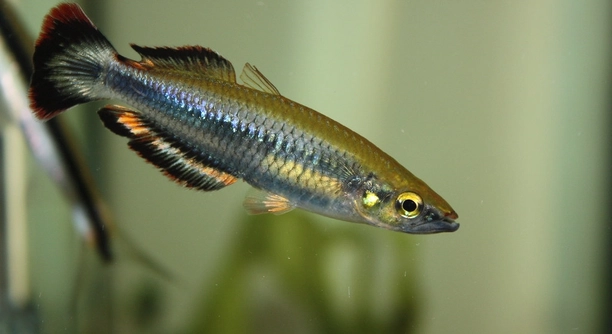
Have you ever noticed how peaceful your rainbowfish look swimming in their tank? They bring calmness to a room, yet their well-being depends on more than just clean water and colorful surroundings.
Rainbowfish can survive a short power outage if their tank maintains oxygen levels and temperature. Sudden, extended loss of filtration or heating can stress or harm them, making preparedness and monitoring crucial for their continued health and safety.
Understanding the effects of power interruptions helps ensure your rainbowfish remain healthy and comfortable, even during unexpected challenges in their environment.
How Power Outages Affect Rainbowfish
Power outages can be stressful for rainbowfish because they rely on a consistent environment. Without electricity, filters stop working, reducing oxygen and water circulation. Heaters also stop, which can make water colder than usual, especially in cooler rooms. Sudden changes in temperature and oxygen levels can shock the fish, sometimes causing illness. Rainbowfish are hardy, but prolonged disruption of their environment can weaken their immune systems. Even a few hours without filtration may lead to debris buildup, increasing the risk of bacteria and harmful ammonia levels. Monitoring water quality before and after an outage is important. Many people use battery-powered air pumps or temporary heaters to keep conditions stable. Additionally, keeping the tank covered helps maintain temperature. Feeding should be minimal during outages to avoid adding stress through waste. Small, calm adjustments can make a big difference in how well rainbowfish handle short-term power loss.
Short-term outages are usually manageable if precautions are in place and water quality is monitored carefully.
After a power outage, it’s important to check the tank’s environment immediately. Test water for ammonia, nitrite, and nitrate levels, and observe your fish for stress signs like clamped fins, rapid gill movement, or hiding. Gradually restore filtration and heating instead of switching everything back on at once. If the water temperature dropped significantly, warm it slowly to prevent shock. Removing uneaten food helps reduce waste buildup. Some owners use temporary battery-operated pumps or aerators to maintain oxygen. Keeping lights off or dimmed can reduce stress during recovery. Over the next few days, monitor behavior closely, as stress may not appear immediately. Feeding smaller amounts while conditions stabilize is recommended. The key is patience and observation, allowing rainbowfish to adjust gradually. Proper preparation before an outage, like having backup equipment, makes recovery smoother and ensures their health remains stable.
Preparing Your Tank for Outages
A simple way to protect rainbowfish is by keeping essential backup tools ready.
Having battery-powered air pumps, portable heaters, and extra water treatments ensures quick response. Knowing your tank’s normal temperature and oxygen levels helps you act efficiently during outages. Stocking dechlorinated water for partial water changes can prevent ammonia spikes. Understanding how long your tank can sustain fish without power allows better planning. Preparing ahead reduces stress on both the fish and yourself. Even a few hours of planning can prevent long-term health problems for rainbowfish.
During outages, preparation goes beyond equipment. Keeping the tank area safe from drafts or temperature fluctuations helps maintain stable conditions. Minimizing sudden movements around the tank reduces stress on the fish. Using insulating materials around the tank can slow temperature loss. Monitoring fish behavior continuously allows immediate action if problems arise. Partial water changes with pre-treated water may be necessary if filtration stops for extended periods. Backup aeration helps maintain oxygen levels, preventing lethargy and gill damage. Knowing how to adjust feeding prevents overloading the tank while the filter is offline. A well-prepared tank reduces risk during power loss, making recovery smoother and protecting rainbowfish health in the long term.
Managing Temperature Changes
Rainbowfish are sensitive to sudden temperature drops. Keeping a small heater or insulated tank cover helps maintain a stable environment during power outages. Avoid rapid temperature changes, which can shock the fish and weaken their immune system.
If the water temperature drops too quickly, rainbowfish may become sluggish and more prone to disease. Using a battery-powered heater or wrapping the tank with a towel can help retain warmth. Avoid adding hot water directly, as sudden changes can stress or even kill the fish. Maintaining a stable temperature helps keep their metabolism steady, reducing stress and supporting overall health. Monitoring water temperature with a thermometer is a simple but essential step during outages.
Gradual temperature adjustment after an outage is crucial. Slowly warming the tank allows rainbowfish to recover without shock. Observing their behavior can indicate if the water is warming too fast or too slow. If they remain inactive or hide excessively, it may be necessary to adjust temperature more carefully. Keeping the room warm and free from drafts supports a smoother recovery. Combining stable temperature with oxygenation ensures the fish regain normal activity levels safely. Consistency during recovery prevents long-term health issues caused by stress from sudden environmental changes.
Maintaining Oxygen Levels
Oxygen levels can drop quickly without a working filter or aerator. Battery-operated air pumps help maintain sufficient oxygen in the water.
During an outage, stagnant water reduces oxygen, making fish lethargic. Adding temporary aeration helps keep rainbowfish active and healthy. Observation is important, as rapid gill movement or gasping at the surface indicates low oxygen. Partial water changes with pre-treated water also improve oxygen content. Avoid overcrowding and remove uneaten food to prevent oxygen depletion. Maintaining proper oxygen levels reduces stress and supports recovery after the outage.
Ensuring continuous oxygen flow is critical for rainbowfish survival. Even brief periods of low oxygen can cause lasting damage. Battery-powered air stones or small portable pumps provide a steady flow, keeping water circulating. Water movement prevents dead zones and helps distribute oxygen evenly. Monitoring fish for stress signs allows immediate intervention if oxygen levels drop unexpectedly. Combining aeration with careful temperature management creates a safer environment. Maintaining oxygen also prevents the buildup of harmful gases like carbon dioxide, which can worsen during stagnant conditions. Proper oxygen management is one of the simplest yet most effective ways to protect rainbowfish during power interruptions.
Reducing Stress During Outages
Minimizing sudden changes helps rainbowfish stay calm. Keep lights dim or off, avoid tapping on the glass, and limit movement near the tank. Small adjustments reduce stress during power interruptions.
Covering part of the tank with a towel can make the environment feel more secure. Fish respond well to gentle, quiet surroundings. Providing hiding spots or plants gives them comfort. Stress can increase susceptibility to illness, so keeping conditions stable is important.
Monitoring Water Quality
Check ammonia, nitrite, and nitrate levels closely after a power outage. Poor water quality can harm rainbowfish even after short interruptions. Testing regularly ensures the tank remains safe.
Maintaining water quality requires removing uneaten food and performing partial water changes if necessary. During outages, filters are often off, so waste can accumulate quickly. Using pre-treated water helps keep chemical levels stable. Observing fish behavior, such as unusual swimming patterns or lethargy, can indicate water problems. Simple, consistent monitoring prevents long-term health issues and supports recovery after environmental stress.
Feeding Considerations
Reduce feeding during power outages to prevent excess waste. Fish need less food when activity decreases, and overfeeding can harm water quality.
Recovery After Power Returns
Slowly restore filtration and heating to allow rainbowfish to adjust. Sudden changes may cause shock.
FAQ
How long can rainbowfish survive without power?
Rainbowfish can survive a few hours without power if the water remains clean and oxygenated. Short outages are generally not dangerous, but prolonged loss of filtration or heating increases stress and can lead to illness. Using temporary aeration and monitoring temperature helps them endure longer periods.
What is the best way to keep water oxygenated during an outage?
Battery-powered air pumps or aerators are the simplest solution. They provide constant water movement and oxygenation, preventing stagnation. Partial water changes with pre-treated water also help maintain oxygen. Observing the fish for rapid gill movement indicates whether oxygen levels are sufficient.
Should I feed my rainbowfish during a power outage?
It is best to reduce feeding or skip it entirely during an outage. Rainbowfish are less active when the environment changes, so their food consumption drops. Uneaten food can increase waste and lower water quality, making stress and disease more likely.
How do I manage temperature drops when the heater is off?
Use a battery-operated heater if available, or wrap the tank with a towel to slow heat loss. Avoid adding hot water directly, as rapid changes can shock the fish. Gradually restoring temperature after power returns is important to prevent stress or illness.
What signs show my rainbowfish are stressed during an outage?
Clamped fins, hiding, sluggish swimming, or rapid gill movement are common indicators. Stress can lead to weakened immunity and higher risk of disease. Observing behavior carefully allows immediate action, such as increasing aeration or adjusting temperature.
Can I use alternative heat sources safely?
Small, controlled heat sources like warm water bottles wrapped in towels can provide temporary warmth. Avoid direct contact with the tank glass to prevent burns. Always monitor water temperature closely to ensure it stays within safe limits for rainbowfish.
Is it necessary to perform water changes after a power outage?
Yes, partial water changes can help restore water quality if filtration was off for an extended period. Pre-treated water ensures chemical balance remains stable, and removing uneaten food helps prevent ammonia spikes that can stress rainbowfish.
How can I prepare for future power outages?
Keeping backup air pumps, temporary heaters, and pre-treated water ready ensures a quick response. Knowing your tank’s normal temperature and oxygen levels allows better monitoring. Planning ahead reduces stress for both the fish and yourself during unexpected outages.
Can sudden light changes affect rainbowfish during outages?
Yes, bright or sudden light can increase stress when fish are already adjusting to environmental changes. Dim or turn off lights to help them feel secure and reduce panic behaviors during power loss.
What should I do if my rainbowfish shows signs of illness after an outage?
Observe behavior closely and test water quality first. Treat water imbalances and consult a veterinarian if symptoms persist. Gradual recovery, proper aeration, and controlled feeding support healing and prevent long-term health issues.
How long does it take rainbowfish to recover after power returns?
Recovery depends on outage duration and environmental changes. Some fish adjust within hours, while others may take days. Gradually restoring filtration, heating, and normal feeding helps ensure they regain strength safely. Monitoring behavior and water quality during this period is essential.
Are certain types of rainbowfish more resilient to outages?
Hardier species tolerate short-term changes better, but all rainbowfish benefit from stable conditions. Smaller tanks may experience quicker temperature and oxygen fluctuations, making preparation especially important for these setups.
Does tank size affect survival during a power outage?
Yes, larger tanks maintain temperature and oxygen levels longer than small tanks. Small tanks are more sensitive to rapid changes, requiring closer monitoring and faster intervention during outages.
Can I rely on my filter’s residual flow during an outage?
Filters stop working completely without power, so residual flow is minimal and cannot maintain oxygenation or water quality. Backup solutions like battery-powered pumps are necessary to protect rainbowfish during outages.
What are the most common mistakes owners make during outages?
Overfeeding, adding hot water too quickly, and neglecting aeration are common errors. Rushing recovery or ignoring stress signs can also harm fish. Proper preparation and gradual adjustments prevent most problems.
How do I know if my emergency measures are effective?
Observing fish behavior and checking water temperature and oxygen levels are key. Active swimming, normal gill movement, and stable temperature indicate your measures are working. Adjust interventions if signs of stress persist.
Can I leave lights on for heat during an outage?
Lights produce some heat, but it is inconsistent and may cause temperature swings. Using insulation and controlled backup heating is safer than relying on lighting alone.
Is it safe to combine multiple temporary heat sources?
Yes, but monitor water temperature closely. Combining methods like battery heaters and insulated covers works best when applied gradually. Avoid direct contact that could overheat water or harm fish.
Do rainbowfish need extra vitamins or supplements after an outage?
Not usually. Proper feeding and stable conditions are more important. Stress recovery relies on environmental stability rather than supplements, unless advised by a veterinarian.
How often should I check the tank during an outage?
Check every 30–60 minutes for oxygen levels, water temperature, and fish behavior during longer outages. Quick interventions prevent stress from escalating and help maintain a safe environment.
What should I do if the outage lasts more than a day?
Use backup aeration, partial water changes, and temporary heating consistently. Reduce feeding and monitor closely. Extended outages require careful management to prevent long-term harm to rainbowfish.
Are plants helpful during power outages?
Live plants can provide extra oxygen, but they are not a substitute for aeration. They may help slightly with water quality and reduce stress by providing hiding spots.
Can I rely on bottled water for emergency changes?
Only if it is pre-treated to remove chlorine or harmful chemicals. Tap water must be conditioned, and untreated bottled water may have imbalances that stress fish.
How do I prevent future stress during outages?
Keep equipment ready, maintain clean water, and monitor conditions regularly. Gradual adjustments and calm surroundings reduce stress, making rainbowfish more resilient during future interruptions.
Are younger rainbowfish more vulnerable than adults?
Yes, juveniles are generally more sensitive to oxygen drops and temperature changes. Extra care is needed to maintain stable conditions for young fish during outages.
Can I use air stones without a pump?
Air stones need a pump to function. Without electricity or a battery-powered device, they cannot provide oxygen. Always pair them with a power source to be effective.
Is it okay to leave the tank unattended during short outages?
For very brief outages, observation may not be critical, but even short interruptions benefit from monitoring. Small tanks or older fish require closer attention to prevent stress.
How do I balance feeding and water quality after power returns?
Feed smaller portions to avoid overloading the recovering filtration system. Remove uneaten food and resume normal feeding gradually. Observing fish activity helps determine proper portions until stability is restored.
Can chemical treatments help during an outage?
Water conditioners and ammonia neutralizers can help maintain safety if filtration is offline. Use cautiously, as overdosing may stress rainbowfish further. Follow instructions carefully.
How important is calm handling during recovery?
Extremely important. Sudden movements or tapping on the tank increase stress. Minimal interference while monitoring water quality allows rainbowfish to regain normal behavior safely.
What is the single most important step for rainbowfish survival during outages?
Maintaining oxygen and stable temperature is critical. Consistent monitoring, backup aeration, and gradual adjustments ensure rainbowfish remain healthy through short or extended power interruptions.
How can I know if backup equipment is sufficient?
Test equipment periodically, simulate short outages, and monitor oxygen levels and water temperature. Properly rated pumps and heaters are more reliable when needed.
Are there any signs that indicate permanent damage from an outage?
Persistent lethargy, abnormal swimming, or fin damage after recovery may indicate stress-related health issues. Prompt care and monitoring can reduce long-term effects.
How long should I continue monitoring after power returns?
At least 48–72 hours to ensure stability. Some stress effects appear later, so ongoing observation is important for long-term health.
Can I prevent all negative effects of outages?
Not entirely, but preparation and careful management minimize risk. Consistent monitoring, gradual adjustments, and backup equipment provide the best protection for rainbowfish.
Power outages can be challenging for rainbowfish owners, but understanding their needs makes it easier to handle these situations. Rainbowfish rely on stable water conditions, consistent temperature, and proper oxygen levels. When electricity is lost, their environment can change quickly, which may cause stress or health problems. Even a few hours without filtration or heating can affect water quality and oxygen content. Being aware of these risks allows you to take steps to protect your fish before, during, and after a power outage. Simple measures like having backup aeration or a temporary heater can make a noticeable difference in how well your fish cope with changes. Observing the fish closely during these times is also important, as behavior often indicates whether they are handling the situation well.
Preparation is key for minimizing problems during outages. Keeping battery-powered air pumps, temporary heaters, and extra treated water on hand ensures that you can act quickly when needed. Wrapping the tank to reduce heat loss, dimming lights, and maintaining a quiet environment can help keep rainbowfish calm. Reducing feeding during outages prevents waste from building up and further harming water quality. Even small changes, like partial water changes with pre-treated water or monitoring temperature gradually, can significantly improve the well-being of your fish. Rainbowfish are resilient, but they recover best when their environment is stable and changes are gradual. Taking these steps in advance allows you to feel confident that your fish are cared for even if power is unexpectedly lost.
After the power returns, recovery is just as important as preparation. Gradually restoring filtration, heating, and normal feeding ensures that rainbowfish adjust without stress. Observing their behavior, testing water quality, and maintaining proper oxygen levels support a smoother recovery. Some fish may take hours or even days to return to normal activity, so patience is necessary. Over time, consistent monitoring and careful adjustments will help prevent long-term issues caused by stress during the outage. By being proactive and attentive, you can maintain a healthy environment for your rainbowfish, helping them stay active, colorful, and thriving despite occasional power interruptions.

Hello,
If you enjoy the content that we create, please consider saying a "Thank You!" by leaving a tip.
Every little bit helps us continue crafting quality advice that supports the health, happiness, and well-being of pets around the world, for pets of all shapes, sizes, and species.
We really appreciate the kindness and support that you show us!