
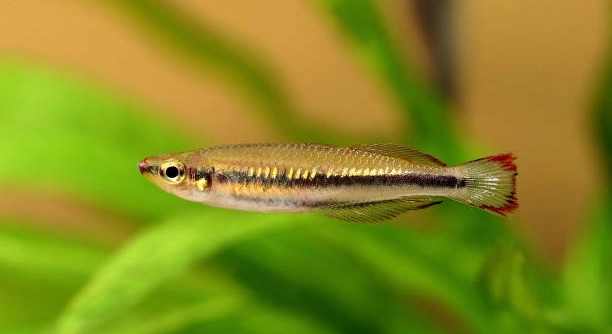
Rainbowfish are colorful and lively, making any aquarium feel more cheerful. Keeping them healthy requires attention to water quality, including temperature, hardness, and chemical balance. pH is one of the key factors in maintaining a stable environment.
The ideal pH for rainbowfish tanks generally ranges between 6.5 and 7.5. Maintaining water within this range supports their natural physiology, reduces stress, and promotes proper growth and vibrant coloration, ensuring a balanced and healthy aquatic environment.
Proper pH management goes beyond numbers. It affects feeding, activity, and overall well-being, making it essential for long-term tank success.
Understanding pH and Its Importance
pH measures how acidic or basic water is, and it plays a huge role in rainbowfish health. Rainbowfish naturally live in slightly acidic to neutral waters, so keeping the tank within the ideal pH range prevents stress and illness. When pH is too low, water becomes acidic, which can irritate gills, reduce immunity, and even affect reproduction. If pH is too high, the water becomes alkaline, making it harder for rainbowfish to maintain proper bodily functions. Regular testing with reliable kits helps track pH changes. Small fluctuations are normal, but large swings can shock fish and cause long-term harm. Adjusting pH gradually is key; sudden changes can be dangerous. Using natural additives like driftwood or buffering agents can stabilize pH. Observing fish behavior also gives clues about water balance. Healthy rainbowfish are active, brightly colored, and feed consistently. Maintaining pH is a simple yet essential step in providing a safe, thriving tank environment.
Testing pH weekly is the best way to prevent problems. Small adjustments keep rainbowfish healthy and active.
Many tank owners notice that water conditions affect more than just pH. Temperature, hardness, and ammonia levels all interact to influence fish well-being. Even when pH is perfect, high nitrate or nitrite levels can harm rainbowfish. Regular water changes, careful feeding, and monitoring tank equipment help maintain stable conditions. Plants and decorations can buffer minor pH swings naturally. Paying attention to all these factors together ensures rainbowfish stay vibrant and energetic, with minimal stress. A well-balanced tank creates an environment where fish thrive, reproduce, and show their full colors.
Adjusting pH Safely
Adjusting pH should always be gradual to prevent shocking your rainbowfish. Rapid changes can cause stress and illness.
Common ways to raise pH include adding crushed coral, limestone, or commercial buffers designed for freshwater tanks. To lower pH, driftwood, peat moss, or specific acids can be used carefully. Always measure pH before and after adjustments, and make small changes over several days rather than large, sudden shifts. Overcorrecting pH can create swings that are more harmful than the original problem. Understanding the underlying cause of pH imbalance is also important. Tap water, mineral content, and even fish density affect stability. Maintaining a consistent schedule of water tests, partial water changes, and gentle adjustments protects rainbowfish health. Observing fish for signs of stress, such as clamped fins, unusual swimming, or color dulling, helps detect problems early. Combining careful monitoring with gradual adjustments ensures rainbowfish thrive in an environment that closely mimics their natural habitat.
Common pH Problems
pH can drift due to overfeeding, decaying plants, or improper water sources. Frequent testing and small adjustments help maintain stability.
Uneaten food and organic debris produce acids as they decompose, lowering pH over time. Tap water often has its own mineral content, which can slowly raise or lower pH depending on the source. Sudden heavy rainfall or water changes can also cause temporary swings. Using a reliable test kit helps spot trends before they become harmful. Proper filtration, regular cleaning, and mindful feeding reduce organic buildup. Adding buffering materials like crushed coral or peat moss can help maintain a steady pH over weeks and months.
Observing your rainbowfish is a practical way to detect pH issues early. Pale colors, lethargy, and gasping near the surface often signal stress from incorrect pH levels. Making slow, consistent adjustments ensures that fish recover quickly without shock. Keeping notes of water parameters over time allows better long-term management, helping rainbowfish remain active, healthy, and vibrant. Small, routine actions prevent bigger problems later.
Tools and Tips for pH Management
Test kits and digital meters are essential tools for tracking pH levels accurately. Choosing the right one ensures precise readings.
When adjusting pH, always make small changes and re-test frequently. Using natural materials like driftwood, peat moss, or crushed coral helps buffer pH without harsh chemicals. Avoid adding multiple substances at once, which can cause unpredictable results. Regular partial water changes with water matching the target pH also support stability. Keeping a log of daily readings, water changes, and adjustments helps recognize patterns. Over time, you will notice how feeding, tank maintenance, and water sources influence pH. A consistent routine combined with careful observation keeps rainbowfish comfortable, vibrant, and thriving, reducing stress-related problems and promoting long-term health in the tank.
Effects of pH Fluctuations
Rapid pH changes can stress rainbowfish, affecting appetite and activity. Maintaining stability reduces health risks and improves their overall well-being.
Even small swings in pH can weaken immune systems over time. Consistent monitoring and careful adjustments prevent long-term damage and help fish remain active and colorful.
Natural Ways to Stabilize pH
Adding driftwood, peat moss, or crushed coral gradually buffers pH. Plants can also absorb excess nutrients, supporting stability. Regular water changes with conditioned water matching the tank’s pH further help maintain balance, creating a calm, healthy environment for rainbowfish.
Monitoring Fish Behavior
Changes in swimming patterns, color, or feeding can indicate pH problems. Observing these signs early allows quick correction before issues worsen.
FAQ
What is the safest pH range for rainbowfish?
Rainbowfish thrive in slightly acidic to neutral water, usually between 6.5 and 7.5. Staying within this range keeps their gills and body functions stable, reduces stress, and supports growth. Consistently testing your water ensures the pH stays within safe limits.
How often should I test my tank’s pH?
Testing at least once a week is recommended. Frequent checks help catch small changes before they become serious problems. If your tank is new or experiences frequent water changes, testing two or three times a week may be necessary.
Can I adjust pH quickly if it’s too high or low?
Rapid changes can shock fish. Always adjust slowly, over several days. Gradual changes allow rainbowfish to acclimate, reducing stress and preventing illness. Use natural materials or commercial buffers for controlled adjustments.
Will adding plants affect my pH?
Yes, live plants can slightly stabilize pH. They absorb excess nutrients and produce mild acids during decay. Over time, plants contribute to a more balanced water chemistry, but regular testing is still essential to catch any unexpected swings.
Does tap water affect pH stability?
Tap water varies in mineral content, which can raise or lower pH. Testing your source water before adding it to the tank helps predict how it might affect your rainbowfish’s environment. Using water conditioners can also prevent sudden shifts.
What signs indicate pH stress in rainbowfish?
Behavioral changes are key indicators. Pale or dull colors, clamped fins, gasping at the surface, or reduced appetite often point to pH problems. Observing your fish regularly makes it easier to spot issues early and take corrective action.
Can I rely on digital pH meters?
Digital meters are precise but require regular calibration. Test kits are also reliable when used correctly. Combining both methods gives the most accurate picture of your tank’s pH and helps maintain consistency.
Are there natural ways to lower pH?
Yes, driftwood and peat moss slowly release acids that lower pH over time. Using these materials gradually ensures fish are not stressed by sudden drops in water alkalinity. Avoid using harsh chemicals for rapid changes.
How does water hardness interact with pH?
Hard water contains minerals like calcium and magnesium, which can buffer pH and prevent large swings. Soft water may allow pH to fluctuate more easily. Understanding your tank’s hardness helps in planning adjustments and maintaining stability.
Do different rainbowfish species need different pH levels?
Most species prefer the 6.5 to 7.5 range, but subtle differences exist. Some types tolerate slightly more acidic or alkaline conditions. Researching your specific species helps ensure the tank meets their particular needs.
Can I use pH stabilizers long-term?
Commercial pH stabilizers can help maintain levels but should not replace regular monitoring and maintenance. Overreliance may mask underlying issues, so they work best as part of a broader care routine that includes testing, water changes, and observation.
How do I correct pH swings after heavy rainfall or water changes?
Add conditioned water slowly and match the tank’s current pH if possible. Small, incremental adjustments prevent shock. Observing the fish’s behavior afterward helps ensure they are not stressed by the changes.
Will feeding habits influence pH?
Yes, overfeeding leaves excess food to decay, producing acids that lower pH. Feeding small amounts that fish consume within a few minutes reduces organic buildup and helps maintain a stable environment.
How long does it take for rainbowfish to recover from pH stress?
Recovery depends on the severity of stress and how quickly the water is stabilized. Minor issues may resolve within a few days, while prolonged exposure to improper pH can take weeks for full recovery. Slow, consistent adjustments improve outcomes.
Are test strips accurate enough for home tanks?
Test strips provide a general idea but are less precise than liquid kits or digital meters. They are useful for quick checks but should be supplemented with more accurate methods for critical monitoring.
Can I keep multiple fish species together with the same pH needs?
Yes, as long as all species tolerate the same pH range. Mixing fish with different preferences may require compromise, careful monitoring, and adjustments to maintain a safe environment for everyone.
What role does filtration play in pH stability?
Filtration removes organic waste and helps prevent acid buildup, indirectly supporting pH stability. Properly sized filters combined with regular cleaning reduce fluctuations and maintain healthy water chemistry.
Is it normal for pH to vary slightly each day?
Minor daily fluctuations are normal due to fish activity, plant metabolism, and respiration. Large swings, however, are harmful. Observing trends over time gives a better understanding than reacting to single measurements.
Can I use baking soda to raise pH?
Baking soda can raise pH, but it should be used carefully and in small amounts. Rapid increases can stress fish, so gradual addition with testing is essential. Natural buffering agents are often safer for long-term stability.
Do decorations affect pH?
Some rocks, corals, or shells can slowly release minerals, raising pH over time. Driftwood and peat moss may lower it. Being mindful of materials in the tank helps maintain balance and prevents unexpected changes.
How does temperature interact with pH?
Warmer water can slightly lower dissolved oxygen, which may indirectly influence pH. Keeping temperature stable and within species-appropriate ranges supports overall water chemistry and rainbowfish health.
Should I change all the water at once to fix pH?
Full water changes can cause sudden swings and stress fish. Partial changes combined with careful adjustments are safer and more effective for long-term stability. Monitoring pH before and after each change ensures safety.
How can I track pH trends over time?
Keeping a simple log of daily or weekly readings, water changes, and adjustments helps identify patterns. Over time, this information makes it easier to prevent issues and maintain a consistently healthy environment.
Do cloudy or green water affect pH?
Algae blooms and bacterial growth can influence pH slightly. Maintaining proper filtration, avoiding overfeeding, and monitoring nutrients helps prevent fluctuations and keeps water clear.
Can fish medications change pH?
Some treatments can alter water chemistry. Always test pH before and after administering medication and make adjustments slowly if needed. Observing fish behavior during treatment is also important.
Is it necessary to adjust pH for a small tank?
Yes, smaller volumes of water fluctuate more easily, making monitoring and careful adjustments critical. Even minor changes can have a significant impact on rainbowfish health in small tanks.
How does aeration affect pH?
Aeration increases oxygen levels and can reduce CO₂, slightly raising pH. Strong currents may also influence water chemistry. Balancing aeration with pH monitoring ensures stability without stressing fish.
Can I rely on natural water sources like rainwater or well water?
Natural sources vary in pH and hardness. Testing and conditioning are essential before use. Untreated water may introduce unexpected fluctuations or contaminants, which can harm rainbowfish.
Do seasonal changes affect pH?
Yes, temperature, rainfall, and evaporation can all influence pH. Regular testing during seasonal transitions helps maintain a stable environment and prevents stress from sudden changes.
How often should I replace buffering materials?
Materials like peat moss or crushed coral gradually lose effectiveness. Checking their condition and replacing or refreshing them periodically maintains consistent pH support.
Can I mix different buffering materials safely?
Mixing materials is possible but requires caution. Each affects pH differently, so changes should be gradual with frequent testing. Observing fish ensures that the combination doesn’t cause stress or instability.
Do fish waste products impact pH?
Yes, fish produce ammonia, which breaks down into nitrites and nitrates, affecting acidity. Proper filtration, regular cleaning, and careful feeding reduce buildup and help maintain stable pH levels.
What’s the easiest way to remember pH maintenance?
Creating a simple routine of weekly testing, partial water changes, and observation keeps pH stable. Notes and consistent habits reduce the chance of sudden problems and support long-term rainbowfish health.
How important is patience in adjusting pH?
Patience is critical. Gradual, careful adjustments prevent stress and illness. Rushing changes can do more harm than good, so slow, steady management is always safer for rainbowfish.
Can I use vinegar to lower pH?
Vinegar can reduce pH but acts quickly and strongly. It should be used only in very small amounts with careful monitoring. Natural methods are generally safer and more predictable for long-term stability.
How does lighting influence pH?
Lighting indirectly affects pH by promoting plant growth and algae. Strong light encourages photosynthesis, which can temporarily raise pH during the day. Understanding this helps interpret pH readings accurately.
Are there signs of long-term pH imbalance?
Chronic stress, poor growth, dull coloration, and frequent illness indicate long-term pH issues. Addressing water chemistry and stabilizing conditions early prevents lasting harm to rainbowfish.
What’s the best overall approach to pH management?
Regular testing, gradual adjustments, careful feeding, proper filtration, and natural buffering materials create a stable environment. Observing rainbowfish behavior complements scientific monitoring, ensuring they remain active, healthy, and colorful over time.
This FAQ provides practical guidance for maintaining a stable pH and keeping rainbowfish thriving in a safe, balanced aquarium.
Maintaining the right pH in a rainbowfish tank is an important part of keeping fish healthy and happy. Rainbowfish are sensitive to water chemistry, and even small changes can affect their activity, appetite, and color. A stable pH between 6.5 and 7.5 is generally ideal for most rainbowfish species. Consistently testing the water allows you to spot any changes early and make adjustments before they become harmful. Using natural methods, like driftwood or crushed coral, can help maintain balance in a gentle way without shocking the fish. Paying attention to pH may seem simple, but it plays a big role in the overall health of your tank.
Regular observation is just as important as testing water. Rainbowfish show signs of stress through changes in color, behavior, and appetite. If you notice pale colors, clamped fins, or unusual swimming, it may indicate that water conditions are off. Making gradual adjustments is key, whether you need to raise or lower pH. Sudden changes can cause stress, weaken the immune system, and increase susceptibility to disease. Maintaining stable water parameters, along with routine care such as proper feeding, water changes, and cleaning, creates an environment where rainbowfish can thrive. Over time, consistent attention to these details will help the fish grow stronger and display their full, vibrant colors.
Keeping a rainbowfish tank healthy is a combination of routine, observation, and careful management of water chemistry. While pH is just one factor, it interacts with temperature, hardness, filtration, and nutrition. Understanding these connections allows you to create a stable and balanced environment. Taking the time to learn about your fish’s needs, monitoring conditions, and making slow, deliberate changes will ensure long-term success. A tank with stable pH and proper care supports active, bright, and thriving rainbowfish. This approach reduces stress, prevents health problems, and makes maintaining the aquarium a more enjoyable experience, while giving your fish the best chance to live a long, healthy life.

Hello,
If you enjoy the content that we create, please consider saying a "Thank You!" by leaving a tip.
Every little bit helps us continue crafting quality advice that supports the health, happiness, and well-being of pets around the world, for pets of all shapes, sizes, and species.
We really appreciate the kindness and support that you show us!