
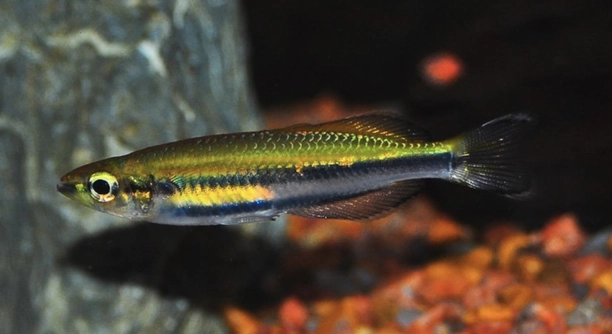
Rainbowfish are colorful and lively fish that brighten up any aquarium. Watching them swim gracefully can be relaxing, but noticing them gasping at the surface can be worrying and concerning for their owners.
Rainbowfish often gasp due to low oxygen levels, poor water quality, or sudden changes in their environment. Stress, disease, and inadequate tank conditions can also contribute, making it essential to monitor their habitat and health regularly.
Understanding these factors can help you prevent future problems and keep your rainbowfish healthy and active in their home aquarium.
Low Oxygen Levels
Rainbowfish rely heavily on dissolved oxygen in the water to survive and thrive. When oxygen levels drop, they often gasp at the surface to breathe. Poor aeration, overcrowding, or warm water can reduce oxygen availability, making it harder for your fish to get what they need. It’s easy to overlook how temperature affects oxygen—warmer water holds less, which can stress your rainbowfish. Observing them constantly staying near the surface usually signals trouble. Regularly checking your tank conditions and adding aeration through air stones or proper filtration can prevent oxygen shortages. Even a slight change in water movement can improve circulation, keeping oxygen evenly distributed. Maintaining plants and ensuring the tank isn’t overcrowded also supports better oxygen levels. Adjusting the environment before severe gasping occurs is key. Remember, proactive measures keep your fish comfortable and reduce the risk of long-term health issues, helping them stay active and vibrant in the aquarium.
Low oxygen makes rainbowfish stress quickly and can affect their appetite, behavior, and overall health, requiring immediate attention.
Monitoring tank temperature, adding proper aeration, and avoiding overcrowding are simple ways to ensure oxygen stays at healthy levels, preventing gasping and keeping rainbowfish thriving.
Poor Water Quality
Dirty or unbalanced water affects rainbowfish immediately. High ammonia, nitrites, or nitrates can irritate gills, causing them to gasp at the surface. Uneaten food, decaying plants, and waste buildup quickly reduce water quality, even in well-maintained tanks. Regular water testing and weekly partial changes are essential. Using a reliable filtration system helps remove harmful substances before they accumulate. Introducing live plants can also improve water conditions by absorbing some nutrients and contributing to oxygen production. Changes in pH or hardness can stress your fish, making them more vulnerable to disease. Observing cloudiness or unusual smells in the tank indicates water problems that need fixing. Proper feeding habits and avoiding overstocking prevent sudden spikes in harmful chemicals. Maintaining stable, clean water reduces stress on rainbowfish and helps them display their natural colors and energy.
Regular testing and consistent maintenance keep water safe, supporting healthy gills and preventing gasping behaviors from developing over time.
Keeping up with filtration, cleaning schedules, and careful monitoring of chemical levels ensures rainbowfish live in an environment that supports long-term health. Avoiding sudden water changes and gradually adjusting parameters can reduce stress. Paying attention to tank hygiene protects fish from toxins, maintains vibrant colors, and encourages natural activity. Simple actions like removing leftover food promptly, trimming dead plant matter, and ensuring the filter runs efficiently prevent harmful buildups. Using water conditioners or dechlorinated water helps keep pH and hardness stable. Even small improvements, like gentle aeration and avoiding overcrowding, make a noticeable difference. Consistent care fosters an aquarium where rainbowfish feel secure, breathe easily, and thrive without frequent gasping, reducing disease risks and creating a more enjoyable tank experience.
Overcrowding
Too many fish in one tank reduces swimming space and oxygen availability. Rainbowfish may gasp more often when their environment feels cramped, leading to stress and weakened immunity. Proper stocking ensures each fish has enough room to move comfortably and access oxygen.
Overcrowding causes competition for food, hiding spots, and oxygen. Stress levels rise when fish cannot escape dominant individuals, leading to erratic swimming or constant surface gasping. Crowded conditions also increase waste production, which quickly degrades water quality. This combination of poor oxygen, limited space, and deteriorating water can compromise gill function, making it difficult for rainbowfish to breathe properly. Adjusting the number of fish to match tank size helps maintain balance, lowers stress, and prevents long-term health issues. Even small changes in stocking density can noticeably improve behavior and overall vitality.
Monitoring tank capacity and rearranging decorations can create more space, reducing conflicts and ensuring all rainbowfish have room to thrive. Observing interactions helps identify when the tank is overcrowded, allowing adjustments before problems escalate.
Temperature Fluctuations
Sudden changes in temperature shock rainbowfish, making it harder for them to regulate breathing. Gasping often indicates stress caused by inconsistent heating or cooling in the tank.
Rainbowfish are sensitive to water temperature, preferring stable, moderate ranges. Rapid drops or spikes reduce oxygen availability and weaken the immune system, increasing vulnerability to disease. Uneven heating can create cold spots where fish struggle to move comfortably or compete for warmer areas. Using a reliable heater, monitoring with a thermometer, and avoiding placing the tank near windows or vents helps maintain consistent temperatures. Gradual adjustments during seasonal changes reduce stress and support proper gill function. Stable water conditions encourage normal behavior, appetite, and overall health, preventing frequent gasping and lethargy.
Temperature consistency also affects metabolism and feeding. Maintaining a steady environment allows rainbowfish to digest food properly, stay active, and avoid unnecessary energy loss. Sudden temperature swings can trigger rapid breathing, stress, and even illness. A properly monitored tank ensures uniform warmth throughout, minimizing stress zones. Small measures like checking heater settings, insulating the tank, and avoiding direct drafts improve comfort. Consistent temperatures help rainbowfish display their best colors, swim actively, and thrive naturally.
Poor Diet
A lack of proper nutrients weakens rainbowfish, making them more prone to gasping. Feeding only one type of food or low-quality flakes can lead to deficiencies that affect energy and gill health.
Providing a varied diet of flakes, pellets, and occasional live or frozen food helps maintain overall health. Balanced nutrition supports strong gills, good color, and normal breathing patterns.
Disease or Parasites
Infections, parasites, or gill flukes can make breathing difficult. Rainbowfish may gasp as their gills become irritated or damaged. Early detection is crucial to prevent the spread of illness. Proper quarantine of new fish and observation for unusual behavior reduce risks and protect tank health.
Stress
Environmental changes, aggressive tankmates, or constant disturbances can stress rainbowfish. Stress triggers rapid breathing, making gasping more frequent.
How can I tell if my rainbowfish is gasping due to low oxygen?
Gasping at the surface, staying in one spot near the water surface, and rapid gill movement are clear signs of low oxygen. If your rainbowfish shows these behaviors frequently, it is likely struggling to get enough oxygen from the water. Checking water flow, aeration, and tank temperature can help identify the problem.
What steps can I take to improve oxygen levels in my tank?
Increasing water movement with an air stone or a stronger filter helps oxygen circulate. Reducing overcrowding and maintaining healthy plants can also improve oxygen availability. Avoiding sudden temperature spikes ensures oxygen remains stable, and routine monitoring helps detect problems early.
How do I know if poor water quality is affecting my fish?
Cloudy water, unusual smells, algae overgrowth, or leftover food that is not breaking down are common signs. If your rainbowfish gasps frequently or loses appetite, poor water quality may be the cause. Testing for ammonia, nitrites, and nitrates provides concrete information about water safety.
What is the best way to maintain water quality?
Performing regular partial water changes, using a reliable filtration system, and removing waste promptly keep the tank safe. Live plants help absorb excess nutrients, and avoiding overfeeding prevents chemical buildup. Consistent testing ensures water parameters stay within safe limits for rainbowfish.
Can overcrowding cause long-term health issues?
Yes, overcrowding increases stress, competition for food, and waste production, all of which harm gills and overall health. Chronic stress weakens the immune system, making fish more prone to infections. Proper stocking and observing fish behavior are essential to prevent these long-term effects.
How can I prevent temperature fluctuations from affecting my rainbowfish?
Using a stable heater, placing the tank away from drafts or direct sunlight, and monitoring with a thermometer help maintain a consistent temperature. Gradual adjustments during seasonal changes minimize stress and prevent sudden gasping or lethargy in the fish.
What are common diseases that cause gasping?
Gill flukes, bacterial infections, and parasitic infestations often irritate gills, making breathing difficult. Early detection and proper treatment, including quarantine of new fish, prevent the disease from spreading and allow affected rainbowfish to recover more quickly.
How important is diet in preventing gasping?
A varied and balanced diet strengthens gill function and overall health. Feeding high-quality flakes, pellets, and occasional live or frozen foods ensures rainbowfish get essential nutrients. Nutritional deficiencies can weaken the immune system and increase vulnerability to stress and disease.
What signs of stress should I watch for in rainbowfish?
Hiding frequently, rapid swimming, aggression, faded colors, and constant gasping are key indicators. Identifying the source of stress, whether it’s aggressive tankmates, environmental changes, or poor water conditions, helps resolve the issue before it affects health long-term.
How often should I monitor my tank to prevent gasping issues?
Daily observation of fish behavior and weekly testing of water parameters is recommended. Routine checks allow you to notice subtle changes early, like gasping or lethargy, which can prevent serious problems from developing and keep rainbowfish healthy over time.
Are there quick fixes for gasping due to poor water quality?
Partial water changes and temporary aeration improvements can provide immediate relief. However, long-term solutions require addressing filtration, cleaning habits, and stocking levels to maintain a healthy environment consistently. Quick fixes are only temporary relief.
Can stress be completely avoided in rainbowfish?
Stress can be minimized but not entirely eliminated. Providing a stable environment, proper tankmates, consistent water quality, and good nutrition reduces stress significantly. Observing behavior regularly helps catch issues before they escalate into frequent gasping or illness.
How do I quarantine new fish to prevent disease spread?
New fish should be kept in a separate tank for at least two weeks. Monitor for unusual behavior, gill movement, or signs of disease. Only introducing healthy fish to the main tank helps prevent outbreaks that could cause gasping in established rainbowfish.
What role does tank decoration play in preventing stress?
Adequate hiding spots, open swimming areas, and plant cover reduce stress by allowing rainbowfish to escape aggression and feel secure. A well-organized environment encourages normal behavior and minimizes frequent gasping caused by environmental anxiety.
When should I seek professional help for gasping rainbowfish?
If gasping persists despite proper oxygen, water quality, temperature, and diet, professional advice from a vet or aquarium specialist is necessary. Persistent symptoms may indicate disease or serious environmental issues requiring targeted treatment.
This FAQ addresses the most common causes and solutions for rainbowfish gasping, helping you maintain a healthy, comfortable tank.
Rainbowfish are beautiful, lively fish that bring color and activity to any aquarium. Seeing them swim happily is always rewarding, but gasping at the surface is a clear sign something isn’t right. It is important to pay attention to this behavior because it usually points to problems with oxygen, water quality, diet, or environmental stress. Gasping is not something that will resolve on its own, and ignoring it can lead to more serious health issues. By observing your fish carefully and understanding their needs, you can take action early and prevent long-term damage. Even small adjustments, like improving water circulation or removing uneaten food, can make a noticeable difference in their comfort and breathing patterns.
Maintaining a balanced and stable aquarium environment is key to keeping rainbowfish healthy. Water quality should be monitored regularly, with partial water changes and proper filtration to remove waste and toxins. Keeping the tank at a consistent temperature and avoiding overcrowding ensures that fish have enough oxygen and space to swim freely. Providing a varied diet that includes flakes, pellets, and occasional live or frozen foods strengthens their immune system and supports gill health. Adding live plants and decorations not only improves aesthetics but also creates hiding spots and reduces stress. Stress is a common cause of gasping, and anything that helps rainbowfish feel secure and comfortable will improve their overall well-being. Regular observation, combined with simple preventive measures, keeps your fish active and reduces the likelihood of frequent surface gasping.
Gasping can also indicate disease or parasites, so it is important to remain alert for additional signs such as lethargy, faded colors, or unusual swimming behavior. Quarantining new fish before introducing them to the main tank helps prevent infections from spreading. If gasping continues despite proper care, consulting a professional is the safest option to ensure your rainbowfish receives appropriate treatment. Overall, consistent care, observation, and timely action are the best ways to maintain a healthy aquarium. Rainbowfish thrive in clean, stable, and well-managed environments, and with attention to their needs, gasping behavior can often be prevented or quickly addressed. By focusing on water quality, diet, tank conditions, and stress reduction, you can create a home where rainbowfish remain vibrant, active, and healthy.

Hello,
If you enjoy the content that we create, please consider saying a "Thank You!" by leaving a tip.
Every little bit helps us continue crafting quality advice that supports the health, happiness, and well-being of pets around the world, for pets of all shapes, sizes, and species.
We really appreciate the kindness and support that you show us!