
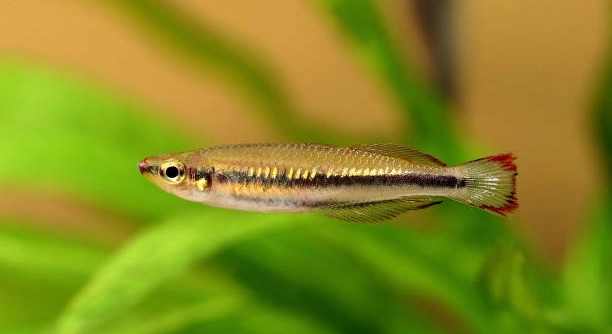
Rainbowfish are small, vibrant freshwater fish known for their shimmering scales and lively behavior. Their bright colors make them a favorite among aquarium enthusiasts and add a lively presence to home tanks. Observing them can be fascinating.
Male rainbowfish often display their colors and perform specific movements to attract females. These displays serve as signals of health, vitality, and genetic fitness, increasing the likelihood of successful mating within their natural or captive environments.
Learning how these displays work can help you better understand rainbowfish behavior and create a more engaging, healthy environment for them.
How Male Rainbowfish Show Off
Male rainbowfish often display their colors more vividly when females are nearby. They flare their fins, swim in loops, and position themselves to catch light on their scales. This behavior is not random; it signals health and strength to potential mates. The brighter and more energetic the display, the higher the chances a female will respond positively. These actions also help males establish dominance among each other. In community tanks, you may notice males subtly nudging rivals or performing quick bursts of swimming to attract attention. While these displays are natural, they can sometimes be mistaken for aggression. Understanding the difference between courting and fighting is key to maintaining a peaceful tank environment. Observation over time reveals patterns, such as increased display intensity during feeding or changes in water conditions. Regularly noting these behaviors helps ensure males and females remain healthy and stress-free. Displaying is a form of communication that plays a critical role in breeding.
These displays are primarily visual and involve coordinated movements, fin flaring, and vibrant coloration changes to capture female attention effectively.
Watching these interactions can deepen your appreciation for rainbowfish. You’ll see personality traits, individual preferences, and even subtle differences between males. Tank setup, lighting, and hiding spots can influence how males perform and how females respond. Providing an environment that allows natural displays improves both the health and breeding success of your fish.
Tips for Encouraging Natural Displays
Creating the right environment encourages males to show their colors more often. Proper lighting, plants, and open swimming space are essential.
Male displays are enhanced by stable water conditions and a well-balanced diet. Frequent small feedings of high-quality foods can boost coloration and energy. Males tend to perform their most elaborate displays when they feel secure and healthy. Avoid overcrowding, as stress can suppress natural behaviors. Observing the timing of displays helps identify which conditions your fish prefer, such as morning light or certain water temperatures. Providing a few hiding spots allows females to respond at their own pace, making interactions more natural and less stressful. Adjusting tank decor and plant placement can also encourage males to use their full range of movement. Over time, these adjustments result in more frequent and vivid displays, enhancing both the visual appeal and social dynamics of your aquarium.
Recognizing Courtship Behavior
Male rainbowfish often perform short bursts of swimming and fin flaring when females are near. These movements are deliberate and repeated, showing strength and vitality. Observing these behaviors helps distinguish courting from general activity or aggression.
Courtship displays vary between species but share common elements like chasing, fin spreading, and shimmering colors. Males may circle females or position themselves at angles that maximize the reflection of their scales. These actions signal fitness and readiness to mate. Females usually respond with subtle movements, indicating acceptance or disinterest. Timing, tank setup, and the presence of other males can influence the intensity and frequency of these behaviors. Understanding these patterns allows for better observation and appreciation of their natural instincts, which also supports healthier interactions in a home aquarium. Regularly noting who displays to whom can reveal social hierarchies and preferred partners.
In community tanks, courtship can be influenced by space and hiding spots. Males may display less if they feel crowded or threatened. Ensuring proper separation and providing visual barriers allows males to perform natural displays without constant interference from rivals. This encourages healthier, less stressful interactions and promotes natural breeding behaviors. Tank size, plant placement, and gentle water movement all affect how males showcase their colors and movements. Monitoring these conditions closely ensures displays remain visible and effective, supporting both the well-being and the reproductive success of your rainbowfish.
Environmental Factors Affecting Displays
Lighting, water quality, and tank setup significantly influence male display behavior. Proper conditions enhance coloration and activity.
Stable water parameters are critical for consistent courtship displays. Temperature, pH, and cleanliness directly affect energy levels and willingness to perform. Strong lighting enhances the reflection of colors, making displays more noticeable to females. Tank layout also matters: open swimming areas encourage movement, while dense vegetation provides privacy for females and reduces stress. Noise, vibration, or sudden changes can suppress display behavior, causing males to hide or remain inactive. Adjusting tank conditions gradually ensures natural behavior is maintained, while providing high-quality food supports vivid coloration and stamina. Monitoring these environmental factors consistently allows males to display confidently, ensuring healthy interactions and higher chances of successful mating within the aquarium.
Timing of Displays
Male rainbowfish often display more actively during early morning and late afternoon. These periods correspond with higher activity levels and natural light angles, enhancing their colors.
Seasonal changes can also influence display frequency. Males tend to show off more during breeding seasons, responding to hormonal cues and the presence of receptive females.
Role of Female Response
Females signal acceptance through subtle movements, following males, or remaining close during displays. Their responses guide male behavior and intensity.
The interaction between males and females creates a dynamic where displays are refined over time. Males may repeat certain movements that attract attention, while females reinforce behaviors they prefer. Observing these patterns helps understand social and reproductive dynamics in your tank. Consistent, positive responses encourage males to perform more frequently, while disinterest may reduce display intensity. This back-and-forth ensures that males invest energy wisely, increasing the likelihood of successful mating. Tracking these interactions can also reveal individual preferences, helping manage breeding pairs effectively.
Social Dynamics Among Males
Males often compete for attention, with displays influenced by rivals nearby. Dominant males display more vividly.
Adjusting Tank Setup
Providing open spaces and hiding spots allows natural displays while reducing stress and aggression among rainbowfish.
How can I tell if a male rainbowfish is displaying to a female or just swimming actively?
Male rainbowfish display with deliberate movements that are repeated and exaggerated. They often flare their fins, swim in tight loops, or position themselves at angles that catch light on their scales. Random swimming or darting around the tank usually lacks this pattern. Paying attention to context helps: if a female is nearby and the male’s movements are consistent, it’s likely a display. Observing over several days will make patterns clearer.
Do all male rainbowfish display the same way?
Display behaviors vary slightly between species but share key elements such as fin spreading, shimmering colors, and short bursts of swimming near females. Some species perform more energetic movements, while others rely more on color intensity. Individual personalities also matter; some males are more confident and perform frequent displays, while others are shy and wait for less crowded conditions. Understanding species-specific patterns helps distinguish normal courtship from stress-related behaviors.
How important is lighting for male displays?
Lighting plays a major role in how well males can showcase their colors. Bright, natural-looking light enhances scale reflections and makes fin movements more noticeable. Poor or dim lighting can suppress display behavior, as males feel less confident showing off their colors. Positioning the tank near indirect daylight or using aquarium lighting designed for color enhancement improves visibility and encourages natural displays.
Can tank size affect display behavior?
Yes, space is important. Male rainbowfish need open areas to perform swimming loops and fin displays without interference. Overcrowded tanks can reduce display frequency and increase stress. Adequate spacing between males and providing plants or hiding spots for females ensures that displays are natural, less aggressive, and more effective for attracting mates.
Do females always respond to displays?
No, female response varies. Some females may remain still or hide, showing disinterest. Others may follow the male or position themselves nearby, signaling acceptance. Female behavior guides male intensity; if she responds positively, the male may repeat or enhance the display. Observing female reactions over time helps identify compatible pairs for breeding.
How does diet influence display behavior?
A balanced, nutrient-rich diet enhances coloration and energy levels, allowing males to perform more vivid and frequent displays. High-quality foods with carotenoids and protein support scale brightness and stamina. Irregular feeding or low-quality diets can make males appear dull and less motivated to display, reducing mating success. Consistent feeding routines maintain health and natural courtship behavior.
What signs indicate stress is affecting displays?
Males showing reduced coloration, hiding excessively, or avoiding females may be stressed. Aggression from other males, poor water quality, or sudden changes in tank conditions can suppress display behavior. Monitoring water parameters, maintaining stable conditions, and separating overly aggressive males help ensure displays remain frequent and natural.
Can tank decorations impact display behavior?
Yes, the arrangement of plants, rocks, and open areas affects how males perform displays. Open swimming space allows males to circle and show fins fully, while hiding spots give females a sense of security. Adjusting decorations thoughtfully encourages natural behavior without overcrowding, letting males showcase their colors effectively.
Do males display when no females are present?
Sometimes males will flare fins or swim energetically even without females nearby, but these movements are usually less frequent and less precise. Displaying without a female may be a response to other males or territory, but the full courtship pattern typically requires a female’s presence to trigger consistent, vibrant displays.
How often do males display during breeding season?
During breeding season, males display multiple times a day, often peaking in early morning and late afternoon. Frequency is influenced by tank conditions, lighting, and female presence. Observing these periods can help plan feeding and care routines to support healthy interactions and maximize breeding success.
Is it necessary to separate males for displays?
Separating males is not always required but can reduce aggression and stress. In community tanks, providing visual barriers or extra space prevents constant rivalry, allowing males to display confidently. If aggression becomes excessive, temporary separation ensures both males and females maintain natural behavior and health.
How can I encourage shy males to display?
Shy males may need gradual acclimation, stable water conditions, and minimal disturbance. Adding a few hiding spots lets them feel secure, while placing a female within view encourages gradual display. Consistent feeding and proper lighting also boost confidence and coloration, supporting more frequent and natural courtship behaviors.
Can observing displays help with breeding success?
Absolutely. Watching male displays and female responses provides insight into compatibility and health. Identifying which males attract attention and which females respond helps manage breeding pairs effectively. Monitoring behavior ensures that energy is not wasted on unresponsive partners and supports a healthier, more productive tank environment.
Do males lose coloration outside of display periods?
Yes, males often show duller colors when not actively displaying. Bright coloration is energy-intensive and usually reserved for courtship or dominance displays. Maintaining good diet, water quality, and minimal stress helps males retain vibrant colors and perform effectively during display periods.
How long do typical displays last?
Displays usually last from a few seconds to a minute, repeated multiple times. Males alternate between bursts of activity and resting periods. This pattern allows energy conservation while still signaling strength and vitality to females, ensuring sustained courtship without exhaustion.
Can observing multiple males together cause confusion?
In tanks with several males, it may be harder to track individual displays. Rivalry can increase intensity, and overlapping behaviors may appear chaotic. Careful observation and noting which male attracts which female helps distinguish individual patterns and ensures accurate monitoring of courtship behaviors.
Are displays affected by water temperature?
Yes, males are more active and display more frequently within their preferred temperature range. Too cold or too warm water can reduce energy and intensity, while stable, optimal conditions encourage natural, vivid displays and overall health. Monitoring temperature helps maintain consistent courtship behavior.
How do I know if displays are healthy or aggressive?
Healthy displays involve fin flaring, circling females, and color intensity. Aggressive behavior includes chasing or nipping males excessively or cornering females. Observing context, timing, and reactions helps distinguish normal courtship from harmful interactions, allowing for proper tank management.
Can I encourage displays without a female present?
Providing visual cues, such as mirrors or pictures, can trigger brief display behaviors, but natural courtship is most effective with actual females. Visual stimulation may increase color intensity temporarily but does not replace real interactions for breeding purposes.
What should I do if males stop displaying?
Check water quality, lighting, and tank stressors first. Ensure diet is sufficient and stable. Observe for illness or aggression. Adjusting conditions gradually and providing hiding spots or separating aggressive males can help restore natural display behavior. Monitoring over several days will indicate if males resume normal courtship.
Do older males display differently than younger ones?
Older males may show slower movements but often have richer coloration. Younger males can be more energetic but less confident. Understanding age differences helps manage breeding strategies and ensures displays remain effective without causing excessive stress or competition.
How do females influence male display intensity?
Females that respond positively encourage repeated and more elaborate displays. Disinterest or avoidance causes males to reduce intensity. This interaction is key for energy management and natural selection, ensuring males invest effort wisely for successful mating.
Can tank plants improve display behavior?
Yes, plants offer hiding spots for females and open areas for males to swim, enhancing display comfort. Proper placement creates natural conditions that support frequent, vivid courtship behaviors and reduce stress for both sexes.
Does lighting color matter for displays?
Natural or white lighting shows true scale colors best. Colored lighting may distort appearance and reduce display effectiveness. Bright, consistent light allows males to present colors accurately, improving female response and visual appeal.
Can I train males to display more often?
Training is limited, but consistent conditions, proper diet, and minimal stress encourage routine displays. Observing and replicating conditions that trigger courtship naturally will increase frequency without forcing behavior.
Are displays more common in certain tank sizes?
Larger tanks provide space for movement and reduce stress, supporting more frequent and natural displays. Smaller tanks can limit activity, making displays shorter or less vivid. Proper tank size improves both behavior and well-being.
Do males display when females are hiding?
Yes, males may attempt short displays, but intensity is lower. Full courtship behavior is usually triggered by visible females. Providing some open space allows males to perform without constant female presence while maintaining natural behavior.
Can multiple females influence male displays?
Having several females may increase display frequency, as males compete for attention. This can enhance coloration and intensity but may also increase stress if space is limited. Balancing numbers ensures healthy, natural interactions.
How long should I observe displays each day?
Short, consistent observations, 15–30 minutes daily, are usually sufficient. Frequent monitoring helps identify patterns, track health, and adjust tank conditions without causing stress from constant disturbance.
What behaviors indicate successful courtship?
Females following males, accepting nudges, and remaining nearby indicate successful courtship. Males repeating displays and showing vivid coloration further signal readiness for mating. Tracking these behaviors helps manage breeding and ensure natural interactions.
Can stress reduce display behavior long-term?
Prolonged stress from poor water quality, aggression, or overcrowding can suppress displays and dull coloration. Addressing environmental issues promptly is key to restoring natural courtship behaviors and maintaining fish health.
Is it normal for males to compete aggressively during displays?
Yes, mild competition is natural, but excessive chasing or harming others requires intervention. Observing dynamics helps maintain balance between healthy display and aggression, ensuring all fish thrive.
Do males display outside of breeding season?
Males may show occasional displays, but intensity and frequency are lower. Hormonal cues and female presence primarily drive full courtship, making breeding season the peak period for vivid behavior.
How can I support natural display behavior long-term?
Maintain stable water conditions, proper diet, and adequate space. Observe interactions and adjust tank setup gradually. Providing hiding spots, open swimming areas, and consistent lighting helps males display confidently and naturally over time.
Can observing displays indicate overall health?
Yes, frequent, vivid displays generally indicate healthy males with good energy levels. Reduced or dull displays may signal stress, illness, or poor nutrition. Monitoring behavior alongside water quality helps maintain both health and reproductive success.
Are some males naturally less active in displays?
Individual personalities vary. Some males are shy, preferring subtle displays or waiting for quieter conditions. Understanding each male’s behavior allows better management of tank dynamics and breeding strategies.
How does female preference shape male displays?
Males adjust intensity and movements based on female response. Successful displays are reinforced, while ineffective behaviors are reduced. This natural feedback guides energy use and improves mating success.
Do males display in community tanks with other species?
Yes, but displays may be less frequent or shorter due to distraction or stress from other species. Providing space and minimizing disturbance helps maintain natural courtship behavior.
Can observing displays help prevent aggression?
Yes, recognizing courtship versus territorial aggression allows timely intervention. Adjusting tank setup or separating overly aggressive males prevents harm and ensures displays remain natural and productive.
How can I track display patterns effectively?
Keep a simple log noting times, frequency, and female responses. Over weeks, patterns emerge, showing peak activity periods and preferred conditions, which supports healthy interactions and successful breeding.
Do males perform displays differently at night?
Nighttime displays are rare, as males rely on light to showcase colors. Most activity occurs during daylight or under aquarium lighting that mimics natural conditions.
Can water flow affect display behavior?
Yes, strong currents may reduce display frequency as males conserve energy. Gentle or moderate flow allows natural movement and proper courtship displays without fatigue.
How do males balance display with other behaviors?
Males alternate between displaying, feeding, and resting. This balance ensures energy is not depleted and allows sustained courtship over long periods, supporting mating success and overall health.
Are displays affected by seasonal changes in temperature or light?
Yes, males respond to environmental cues that signal breeding season. Stable temperature and consistent light encourage regular displays, while fluctuations may reduce intensity or frequency.
How do I know when displays are successful in leading to mating?
Females positioning themselves close, allowing nudges, or spawning indicates successful courtship. Observing these signs helps determine which pairs are compatible and ready to reproduce.
Can observing displays improve tank management?
Absolutely. Watching interactions informs decisions about tank setup, feeding, and pairing. Recognizing normal versus stressed behavior ensures males remain healthy and displays remain natural, benefiting both fish and breeding outcomes.
Are displays consistent every day?
No, frequency varies based on health, female presence, water conditions, and tank activity. Daily observation helps identify trends and maintain optimal conditions for consistent behavior.
Do males adjust displays based on the number of females?
Yes, more females can increase display frequency, while fewer may reduce intensity. Balancing numbers ensures energy is used efficiently and interactions remain healthy.
Can environmental enrichment influence display behavior?
Adding plants, rocks, and hiding spots encourages natural displays by providing security for females and space for males to move confidently. Enrichment supports vivid, frequent courtship behaviors.
Do males ever display in isolation?
Males may perform brief, less intense displays when alone, but full courtship usually requires female presence. Observing this helps distinguish between boredom, territorial behavior, and natural courtship.
How do male rainbowfish learn which displays are effective?
Through repeated interactions, males adjust movements based on female responses. Successful actions are reinforced, while ineffective ones fade. Observation shows that this feedback shapes individual display strategies over time.
Is consistent observation stressful for fish?
Short, gentle observation periods are not stressful. Extended or intrusive monitoring can cause anxiety. Observing from a distance or using minimal disturbance allows natural behavior without negative impact.
Can males over-display and tire themselves?
Yes, excessive displays in response to multiple females or rivals can deplete energy. Providing rest periods, proper diet, and open swimming space helps males maintain healthy behavior and coloration.
Do males change display behavior as they age?
Older males may display more slowly but with richer coloration, while younger males show energy but less refinement. Understanding age-related differences helps manage breeding and tank dynamics effectively.
Can multiple males displaying together confuse females?
Yes, overlapping displays may overwhelm females. Visual barriers or adequate spacing helps each male’s display stand out, ensuring females can respond naturally and interactions remain healthy.
Does display behavior indicate genetic quality?
Bright colors, stamina, and precise movements are often indicators of health and vitality. Females tend to respond to these signals, making displays an important factor in natural selection and breeding success.
How long should males be allowed to display daily?
Natural behavior occurs in bursts over several hours, with rest periods in between. Providing conditions for regular displays without constant interference ensures males remain healthy and active.
Can observing displays prevent breeding mistakes?
Yes, identifying compatible pairs based on female responses reduces wasted effort and stress. Observing courtship patterns helps plan effective breeding strategies and maintain healthy tank dynamics.
Do males display differently when stressed?
Stress can reduce intensity, dull coloration, and shorten displays. Observing changes in behavior can help identify and correct environmental or social stressors promptly.
How do males interact with females after displays?
Successful displays often lead to close swimming, nudging, and eventual spawning. These interactions reinforce natural behaviors and ensure energy is invested efficiently for reproduction.
Can displays indicate overall social hierarchy?
Yes, dominant males usually display more frequently and vividly, while subordinate males may perform less or wait for opportunities. Observing interactions helps manage social dynamics in community tanks.
Do males display if females are not ready to spawn?
Males may attempt displays, but without receptive females, intensity and frequency are reduced. Observing female readiness ensures energy is not wasted on unresponsive partners.
Can observing displays improve long-term health?
Yes, regular observation helps detect stress, illness, or aggression early. Maintaining optimal conditions based on observed behavior supports both physical health and natural courtship behavior.
How does tank maintenance affect displays?
Consistent water changes, proper filtration, and clean substrates support healthy males capable of vivid, frequent displays. Poor maintenance can reduce coloration, energy, and willingness to display.
Are there signs that a male is overcompensating in displays?
Excessive chasing, frantic swimming, or prolonged displays may indicate stress or rivalry. Intervening with separation or adjusting tank conditions prevents harm and maintains natural behavior.
Do males display when no females are in the tank?
Occasionally, males may show partial displays in response to other males or reflections, but full courtship behavior usually requires female presence.
How important is consistency in tank conditions for display behavior?
Highly important. Stable water quality, temperature, lighting, and feeding routines allow males to maintain regular, vivid displays. Sudden changes can suppress behavior and stress fish, reducing courtship effectiveness.
Can observing displays reveal individual personality traits?
Yes, some males are confident and perform frequent displays, while others are shy or cautious. Recognizing personality differences helps manage pairing and tank dynamics effectively.
Do males respond differently to familiar versus new females?
Males may be more confident with familiar females, showing frequent and vivid displays. New females may trigger cautious or experimental behaviors, with displays adapting over time as familiarity grows.
Can observing displays help prevent aggression in mixed-sex tanks?
Yes, distinguishing courtship from true aggression allows intervention before stress or injury occurs. Proper observation supports healthy, natural interactions and reduces conflict.
Are display patterns influenced by lighting schedules?
Yes, males are more active during periods of consistent light, particularly morning and late afternoon. Irregular lighting may reduce display frequency and intensity, impacting courtship success.
Do males perform displays differently in planted versus bare tanks?
Planted tanks provide hiding spots for females and open areas for males, enhancing natural behavior. Bare tanks may limit comfort and reduce the frequency or intensity of displays.
How can I track display frequency effectively?
Keeping a simple log noting time, duration, and female response helps identify peak periods and preferred conditions. This supports tank management and breeding strategies.
Do males display more when food is abundant?
Yes, high-energy diets and regular feeding boost stamina and coloration, encouraging more frequent and vivid displays. Starvation or irregular feeding reduces intensity.
Can observing displays improve breeding outcomes?
Absolutely. Understanding male and female interactions allows careful pairing, reduces wasted energy, and ensures a healthier, more productive tank environment.
Do males ever display for other males?
Yes, sometimes males flare fins or swim energetically to assert dominance. These displays are usually less elaborate than courtship behavior but still serve as social signals.
Can water clarity affect display behavior?
Yes, murky water reduces visibility, making it harder for males to attract females. Clear water ensures displays are visible and effective.
Do males show individual variation in display style?
Yes, each male has a unique approach to courting, influenced by personality, size
Male rainbowfish displays are a fascinating example of natural behavior in freshwater aquariums. These displays are more than just colorful movements—they are a form of communication that signals health, vitality, and readiness to mate. Observing males can reveal how individual personalities affect display style, with some being bold and active while others are more cautious or subtle. Lighting, tank setup, and water quality all influence these behaviors. Bright, stable lighting enhances scale reflections, while open swimming spaces allow males to perform their displays fully. Dense plants and hiding spots for females provide security, helping interactions remain natural and reducing stress for both sexes. Over time, careful observation of males and their courtship patterns allows you to understand their preferences, social hierarchy, and energy levels.
Female responses play a critical role in shaping male display behavior. A receptive female encourages repeated and more intense displays, while disinterest leads males to reduce their efforts. This feedback ensures that males invest energy efficiently and signals the strongest, healthiest individuals to potential mates. Diet also contributes to display quality. High-protein foods with natural color enhancers, like carotenoids, help maintain vivid scales and stamina, supporting more frequent and effective displays. Stressors, such as overcrowding, poor water conditions, or aggressive tankmates, can suppress displays, dull coloration, and reduce overall health. Monitoring the tank environment and making small adjustments, like providing adequate space or separating overly aggressive males, allows natural courtship behaviors to continue without unnecessary competition or stress. Understanding these interactions is essential for maintaining a balanced, healthy aquarium.
Regular observation of display patterns offers insight into the overall well-being of your fish. Tracking the frequency, duration, and intensity of displays helps identify changes in behavior that may indicate health issues, stress, or environmental problems. Seasonal changes, lighting schedules, and temperature fluctuations can all influence display behavior, making consistency in tank conditions important. By maintaining stable water parameters, feeding high-quality diets, and providing a supportive environment, males are able to perform their displays naturally and confidently. Over time, these practices encourage stronger, healthier fish and improve breeding success. Paying attention to the interactions between males and females also allows you to manage pairs effectively, ensuring that energy is spent on compatible partners and that the tank remains a healthy, dynamic habitat for all rainbowfish. This careful attention ultimately creates an aquarium where natural behaviors thrive, colors shine brightly, and fish remain active, healthy, and well-adjusted.

Hello,
If you enjoy the content that we create, please consider saying a "Thank You!" by leaving a tip.
Every little bit helps us continue crafting quality advice that supports the health, happiness, and well-being of pets around the world, for pets of all shapes, sizes, and species.
We really appreciate the kindness and support that you show us!