
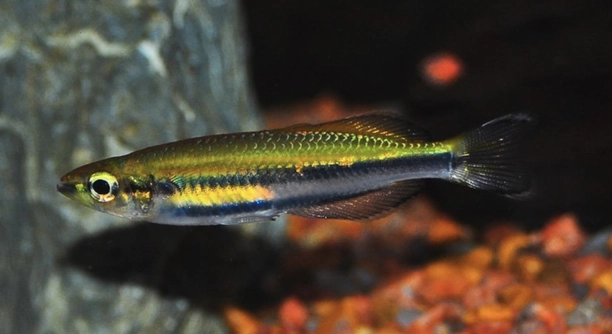
Have you ever noticed your rainbowfish swimming energetically while you play soft tunes in the background? Many fish owners wonder how these small, colorful creatures react to sounds in their environment. Their reactions can be surprising.
Rainbowfish generally respond better to gentle, rhythmic music than loud, abrupt noises. Loud sounds can stress them, causing erratic swimming or hiding. Calm music, on the other hand, may create a more relaxed environment and encourage natural, peaceful behavior.
Understanding how sound affects your rainbowfish can improve their well-being and create a more harmonious aquarium for both you and your fish.
How Rainbowfish React to Different Sounds
Rainbowfish are sensitive to the environment around them, and sounds play a bigger role than many people expect. When I first added soft instrumental music to my tank, I noticed my fish swimming calmly near the top. Loud bangs or sudden noises, like dropping something near the aquarium, made them scatter quickly. Their reactions are subtle but noticeable once you pay attention. Over time, I learned that consistent, gentle sounds can reduce stress and encourage them to explore more areas of the tank. Even vibrations from nearby appliances can cause brief bursts of activity. Observing these small behaviors helped me understand their comfort levels better. Fish rely on detecting vibrations in water to sense safety and movement, so creating a stable acoustic environment is essential.
Gentle background music tends to make rainbowfish more relaxed, whereas abrupt, loud noises cause noticeable stress and sudden movements.
By adjusting the sound environment, I saw the rainbowfish spending more time swimming together and interacting naturally with their tank decorations. Maintaining predictable, soft sounds allowed them to feel secure and decreased hiding behavior. Over several weeks, feeding times became calmer, and I noticed a more even distribution of the fish throughout the tank. It’s clear that controlling the noise levels helps them settle into their routine. Monitoring how they respond to changes in sound also taught me to anticipate stress before it affects their health. Even subtle vibrations from footsteps or nearby machines caused shifts in behavior. Simple changes, like moving the tank away from high-traffic areas or reducing loud music, improved their comfort. These observations underline that rainbowfish are not just visually responsive but acoustically sensitive. Prioritizing a quieter, steady environment enhances their natural swimming patterns, encourages social interaction, and promotes overall well-being, making daily care more enjoyable for both the fish and myself.
Signs Your Rainbowfish May Be Stressed by Noise
Changes in swimming patterns, hiding, or sudden bursts of speed often indicate stress caused by loud or irregular sounds.
Stress from noise can impact rainbowfish health over time. Prolonged exposure to loud environments can lead to reduced appetite, weakened immune responses, and even abnormal coloration. I noticed that when my tank was near construction noise, several fish stayed hidden for hours, only surfacing briefly. Stress can also disrupt breeding behavior and reduce overall activity, which is a clear sign that their comfort level is compromised. By observing their reactions carefully, I could pinpoint which sounds were harmful and make adjustments. Adding plants, decorations, and quiet backgrounds helped buffer external noise. Maintaining a calm auditory environment isn’t just about comfort; it’s essential for long-term health. These steps improved both behavior and vitality, showing that even minor adjustments in noise can have significant effects on rainbowfish well-being.
Creating a Comfortable Sound Environment
Soft, steady music or ambient sounds help rainbowfish feel secure. Avoid sudden loud noises near the tank, as these can trigger stress responses quickly.
I moved my aquarium to a quieter corner of the room, away from the TV and heavy foot traffic. I also started playing low-volume instrumental music during the day. Almost immediately, I noticed the fish swimming more freely and interacting with their tank decorations. Even the shyest fish became more active. Small changes, like reducing nearby appliance noise, made a visible difference. Maintaining a calm sound environment not only improved their behavior but also made feeding times less stressful.
Decorations and plants in the tank also helped dampen vibrations and sudden sounds. By layering their environment with visual and acoustic comfort, I created a space where rainbowfish could explore confidently. Over time, this led to more consistent swimming patterns and healthier social interactions. Observing their improved activity made me more aware of how sensitive they are to auditory changes, and I continued to adjust the environment to support their well-being naturally.
Choosing Appropriate Music for Rainbowfish
Classical or instrumental music at low volumes works best, while heavy bass or loud genres can cause stress.
I experimented with different types of music and found that soft piano or light acoustic melodies encouraged calm behavior. Fast-paced, bass-heavy tracks made them dart and hide. The key is consistency and predictability. Playing the same gentle music daily helped the fish settle into a routine, and they seemed to recognize the sound as a safe background. Over weeks, feeding became more relaxed, and the fish displayed more natural swimming behavior. Music at moderate volumes did not interfere with their natural communication or create anxiety. Understanding their responses allowed me to tailor the auditory environment to support their comfort and health, which was satisfying to see.
Observing Their Reactions
Rainbowfish often show clear signs when they are comfortable with music. Calm swimming and exploring the tank indicate they are relaxed.
Sudden movements or hiding suggest the sound is too loud or abrupt. Noticing these behaviors helped me adjust the volume and type of music for a peaceful environment.
Adjusting Volume Levels
Keeping music at a low, consistent volume prevents stress. I noticed that even a slight increase caused the fish to scatter. Adjusting gradually helped them adapt without sudden shock.
Using Natural Sounds
Adding soft water or bubbling sounds mimics a natural environment. My rainbowfish responded positively, often swimming near the source calmly and interacting more with their surroundings.
Monitoring Long-Term Effects
Consistent observation over weeks showed improved behavior and health. Quiet, rhythmic sounds encouraged normal swimming patterns and reduced stress markers in the fish.
Do rainbowfish prefer music over silence?
Rainbowfish do not require music, but they seem to respond positively to calm, rhythmic sounds. When I played soft instrumental music near my aquarium, they appeared more relaxed and swam actively rather than hiding. Silence is not harmful, but adding gentle sounds can enrich their environment slightly, creating a calmer atmosphere that encourages natural behavior.
Can loud music harm rainbowfish?
Yes, loud or sudden music can stress rainbowfish. I once played a fast, bass-heavy song near the tank, and the fish darted in all directions and hid under decorations. Prolonged exposure to loud sounds can lead to erratic swimming, reduced appetite, and weakened immune responses. It is important to maintain consistent, low-volume sounds if you choose to play music.
What types of music are best for rainbowfish?
Soft instrumental music, like piano, acoustic, or classical tracks, works best. I noticed that gentle melodies helped the fish explore their tank and interact naturally. Fast or bass-heavy genres caused immediate stress, and the fish would scatter or hide. Keeping the music predictable and calm helps rainbowfish feel secure.
How can I tell if my rainbowfish are stressed by noise?
Stress indicators include hiding, darting suddenly, swimming erratically, or staying at the bottom of the tank for long periods. My fish would avoid certain areas near the tank when noises were too loud. Watching these behaviors helps adjust the environment to keep them comfortable and healthy.
Do natural sounds like water or bubbling help rainbowfish?
Yes, soft natural sounds can have a calming effect. Adding a small bubbler or gentle water flow helped my rainbowfish swim near the source and explore more freely. These sounds mimic their natural habitat and create a steady background that feels safe for them.
Is it necessary to play music all day for rainbowfish?
No, continuous music is not necessary. I played soft music for a few hours during the day, and it was enough to see improved behavior. Too much sound, even if gentle, can eventually become overstimulating, so moderation is important.
Can rainbowfish recognize repeated sounds?
Rainbowfish seem to respond to repeated sounds in a predictable way. In my experience, playing the same soft music daily helped them associate the sound with calm and safety. They became more comfortable swimming openly rather than hiding, showing that consistent, gentle sounds can help them adapt.
Will rainbowfish react differently to different volumes?
Yes, volume affects their behavior. Low, steady volumes encourage calm swimming, while sudden increases or very loud music caused hiding and rapid movements. I learned to adjust volume gradually to prevent startling them and maintain a stable environment.
Can stress from noise affect rainbowfish health long-term?
Extended stress from loud or erratic sounds can impact appetite, immunity, and coloration. My fish showed less activity and duller colors when exposed to constant loud noises. Reducing sound and maintaining a calm tank environment restored their natural behavior and improved overall vitality.
Should I combine music with other calming techniques?
Combining gentle sounds with tank decorations, plants, or soft water flow enhances comfort. I added small plants and created hiding spots while playing soft music, which helped the rainbowfish feel secure. These adjustments work together to reduce stress and encourage natural activity patterns.
Can music replace proper tank care?
Music cannot replace clean water, proper diet, or tank maintenance. While sound can enhance comfort, I still focused on water quality, feeding schedules, and tank cleaning. Music is a supplemental tool that improves behavior but does not substitute basic care.
Do rainbowfish show preferences for specific music?
Some fish may react differently to various melodies. I tried different soft instrumental tracks and observed calmer swimming with certain piano pieces. While individual preferences are subtle, they can influence how relaxed the fish feel in their environment.
How often should I monitor their reactions to sound?
Daily observation is important. I watched my rainbowfish for signs of stress whenever I introduced new sounds. Noticing even small changes, like hiding or faster swimming, allowed me to adjust the environment promptly and maintain their well-being.
Is it safe to use speakers close to the aquarium?
Yes, but avoid placing them too close. Direct vibrations in the water can be stressful. I positioned speakers a few feet away and kept the volume low, which provided the calming effect without disturbing the fish physically.
Do rainbowfish react immediately to new sounds?
Yes, reactions are usually immediate. When I introduced a sudden loud song, the fish scattered and hid. Gentle, gradual introductions are more effective and allow them to adjust without stress.
Will multiple rainbowfish respond differently to the same sound?
Individual fish may have slight variations in response, but generally, they react similarly. In my tank, shy fish hid faster, while bolder ones continued exploring but showed cautious movements. Observing the whole group helps understand overall reactions and adjust accordingly.
Can I use recordings of natural habitats for calming effects?
Yes, recordings of streams or gentle water flow work well. I played soft river sounds, and the fish were calm and engaged with the tank. These natural sounds provide familiar environmental cues, which reduce stress and encourage regular swimming patterns.
How long before rainbowfish adjust to new sounds?
Adjustment can take a few days to a week. I noticed that after consistently playing soft music, the fish stopped reacting to the sound as a potential threat and began normal exploration. Gradual introduction is key to preventing stress.
Is it necessary to change music often?
No, repetition is often better. Using the same gentle track daily helps rainbowfish recognize the sound as safe. Changing music too frequently may confuse or stress them, so consistency provides a calmer environment.
Can background noise from the house affect rainbowfish?
Yes, household noise like vacuuming or footsteps can startle them. I moved the tank to a quieter area to reduce these effects. Controlling the surrounding sound environment is as important as the music played directly for their comfort.
Does age or size of rainbowfish affect sound sensitivity?
Younger or smaller fish may be more sensitive to sudden noises. In my tank, juveniles hid faster than adults when music was loud or abrupt. Adjusting volume and introducing sounds gradually helps protect more sensitive fish while allowing older ones to remain comfortable.
Can stress from noise impact breeding?
Yes, stressed rainbowfish are less likely to breed. I noticed reduced activity and hiding during loud disturbances. Once the environment was quiet and predictable, they resumed natural breeding behaviors. Calm sounds and stable conditions support reproduction and overall health.
Are there any signs that rainbowfish enjoy the music?
Signs of comfort include steady swimming, exploring decorations, and engaging with other fish. In my tank, they approached areas near soft music sources, showing that gentle sounds can enhance their daily activity and comfort.
How should I adjust sound during feeding?
Keep music or background sounds gentle during feeding times. I observed that very loud or sudden sounds caused fish to hide and avoid food. Maintaining a calm auditory environment ensures they eat naturally and comfortably.
Is it okay to combine music and filters or pumps?
Yes, as long as the filter or pump noise is steady. Sudden changes in vibration can stress the fish. I made sure all equipment operated consistently while playing soft music, creating a balanced sound environment that supported calm behavior.
What if my rainbowfish still seem stressed despite soft music?
Other factors may be causing stress, like water quality, temperature, or overcrowding. I always check these first. Music helps but cannot fix underlying issues. Addressing the tank’s overall environment is essential for truly relaxed and healthy fish.
Can I use headphones or close speakers for stronger sound?
No, strong vibrations directly in the water can cause stress. Keeping speakers at a distance with moderate volume prevents discomfort while still providing the calming effect of music.
How long should I play music each day?
A few hours is sufficient. In my experience, soft music for two to three hours during daylight improved activity and reduced hiding, without overstimulating the fish. Consistency is more important than duration.
Can rainbowfish get used to loud sounds eventually?
They may acclimate slightly, but repeated loud sounds still cause stress. I found that even if they resumed swimming after initial fear, long-term exposure led to decreased activity and duller colors. Maintaining gentle sounds is safer for health and behavior.
Should music be turned off at night?
Yes, rainbowfish need a quiet period to rest. I stop music at night, allowing the tank to remain silent, mimicking natural conditions. This helps regulate their activity and supports overall well-being.
Do rainbowfish react differently to male and female voices?
I did not notice a significant difference. Their reactions were more influenced by volume, rhythm, and suddenness than by the type of voice or gender. Gentle, predictable sounds are always more effective than loud speech.
Can I use music to calm aggressive behavior?
Soft, steady music may help reduce minor aggression by creating a more relaxed environment. In my tank, bolder fish showed less chasing behavior when calm music played, though it cannot replace proper tank management or space adjustments.
Is it necessary to monitor their reactions continuously?
Daily checks help catch stress early. Observing swimming patterns, hiding behavior, and interactions allows adjustments to sound or tank setup, ensuring rainbowfish remain healthy and comfortable without prolonged exposure to harmful noise.
Can other fish in the tank affect rainbowfish responses to music?
Yes, tank mates can influence reactions. In my mixed tank, calmer fish encouraged shy rainbowfish to explore more when music played. Aggressive or skittish fish may heighten stress responses, so monitoring the group dynamic is important when introducing sounds.
Are there risks of overplaying music?
Yes, constant exposure can lead to overstimulation and stress. I limit playtime to avoid this, ensuring the rainbowfish remain comfortable and maintain natural activity patterns. Balanced exposure supports health and reduces anxiety.
Can music improve overall mood for rainbowfish?
While we cannot measure “mood” directly, calm music encourages natural behavior, reduces hiding, and supports social interactions. In my tank, this led to more lively and balanced swimming patterns, indicating a positive influence on their daily routine.
Does water movement affect how rainbowfish hear music?
Yes, currents and bubbles transmit vibrations differently. I positioned pumps and bubblers to create gentle movement, preventing interference with the music’s calming effect while maintaining natural water flow that rainbowfish enjoy.
Is there a best time of day to play music?
Daytime works best when rainbowfish are naturally active. I play soft music during mid-morning or afternoon, avoiding feeding times with sudden noises. This aligns with their routine and encourages normal swimming and social behavior.
How can I combine visual and auditory comfort?
Adding plants, hiding spots, and gentle music together improves well-being. In my tank, this combination reduced stress and encouraged exploration, demonstrating that multiple environmental factors work together to create a calm habitat for rainbowfish.
Will music affect young and adult rainbowfish differently?
Younger fish may startle more easily, while adults tolerate soft music better. I adjusted volume and type gradually, ensuring all age groups could benefit from gentle sounds without stress. Observing reactions helped me fine-tune the environment for the entire tank.
Can music prevent common stress-related illnesses?
Indirectly, yes. Reducing stress with soft music supports immune function, normal feeding, and regular activity, all of which contribute to overall health. While not a cure, it complements good care practices like clean water, proper diet, and space management.
How long before noticeable behavior changes appear?
Changes can appear within a few days. In my experience, rainbowfish began swimming more calmly and exploring after a short period of consistent, gentle music. Regular observation ensures the environment remains beneficial.
Are there any sounds rainbowfish universally dislike?
Sudden, loud, or bass-heavy sounds consistently cause stress. I avoided these in my tank, as even brief exposure led to hiding or erratic swimming. Gentle and predictable sounds are always safer for maintaining calm behavior.
Can stress from noise affect coloration?
Yes, stressed rainbowfish may show duller colors. I noticed brighter, more vibrant colors returned after reducing loud sounds and maintaining calm music, suggesting that auditory comfort supports physical as well as behavioral health.
Is it okay to combine music with other fish-keeping tools?
Yes, as long as all equipment operates consistently. Filters, heaters, and bubblers should run steadily alongside soft music to prevent unexpected vibrations that could stress the fish.
How can I track progress with music?
I kept a simple log of swimming patterns, hiding incidents, and feeding behavior while playing soft music. Over time, improvements in activity and social interaction confirmed that the auditory environment positively influenced their well-being.
Do rainbowfish enjoy music in groups or individually?
They generally respond well as a group, with calmer music encouraging social interactions and exploration. Individual reactions may vary slightly, but the overall group response provides the best indicator of comfort.
Can music help during tank maintenance?
Soft music may reduce stress during minor maintenance tasks by providing a predictable, gentle background. I noticed less hiding when I played music while cleaning parts of the tank, making care easier for both me and the fish.
Should music type be changed seasonally?
No, consistency is more important. Changing tracks too often may confuse or stress rainbowfish. I found sticking to the same gentle melodies daily provided the best results for calm behavior.
Can music replace enrichment activities?
No, music complements but does not replace environmental enrichment. Plants, hiding spots, and space to swim are still necessary. Music supports calm behavior but should be part of a complete care plan.
Does playing music affect other aquarium species?
Other species may react differently. In my mixed tank, some were unaffected while rainbowfish responded to soft music. Observing all inhabitants ensures the environment remains comfortable for everyone.
How long can rainbowfish safely listen to music each day?
A few hours of soft, predictable music is sufficient. In my experience, this improved calmness without overstimulation, supporting their natural activity and reducing stress.
Can music help acclimate new rainbowfish?
Yes, gentle music during acclimation may reduce stress and encourage exploration. I played soft tunes while introducing new fish, which seemed to help them adjust more quickly to the tank environment.
Is there a risk of dependency on music?
No, rainbowfish do not become dependent. Music serves as a calming enhancement. They continue normal behavior without it but may remain calmer in a consistent, gentle auditory environment.
Can music be combined with feeding routines?
Yes, keeping music calm during feeding helps maintain regular eating patterns. Loud or abrupt sounds during meals can disrupt feeding and cause stress, so soft, predictable background sounds are best.
Does the size of the tank affect how music is perceived?
Yes, larger tanks may diffuse sound differently. I noticed that soft music in a bigger tank required slightly higher volume to be noticeable, but still needed to remain gentle to avoid stress.
Can music influence social hierarchy in rainbowfish?
Soft music may reduce tension among fish, allowing more balanced interactions. In my tank, calmer sounds seemed to lessen chasing behavior, supporting a peaceful environment without interfering with natural social structures.
Should I gradually introduce music to the tank?
Yes, introducing music slowly helps prevent stress. I started with very low volume for short periods, gradually increasing to the desired level over days, which allowed rainbowfish to adjust comfortably.
Is there a difference between recorded and live sounds?
Recorded sounds work well as long as volume and consistency are maintained. Live sounds may vary in intensity, potentially startling the fish, so recordings provide a predictable, controlled auditory environment.
Can I play music overnight if the room is quiet?
It’s better to turn music off at night. Rainbowfish need quiet periods to rest, and continuous sound may disrupt sleep cycles, leading to stress or reduced activity the following day.
Do rainbowfish show curiosity toward speakers?
Yes, calm rainbowfish may swim near speakers when gentle music plays. In my tank, they often explored the area, showing that predictable, soft sounds can engage their natural curiosity without causing stress.
Can music mask external household noises?
Yes, gentle music can reduce the impact of sudden household noises. I found that soft background sounds helped minimize reactions to footsteps or appliances, creating a more consistent, calm environment.
Are all rainbowfish equally sensitive to sound?
Sensitivity varies by individual and age. Juveniles often react more strongly to loud noises, while adults tolerate gentle music better. Observing reactions allows adjustment for the entire group to maintain comfort.
Can music improve overall behavior during observation?
Yes, rainbowfish show calmer, more natural swimming patterns with soft music. In my tank, they were more interactive with decorations and other fish, indicating that a controlled auditory environment supports normal activity.
How important is consistency in music type and volume?
Consistency is crucial. Sudden changes in music or volume caused stress in my tank. Predictable, gentle sounds help rainbowfish feel secure and maintain steady, healthy behavior.
Does music affect feeding speed?
Yes, calm music encourages regular feeding. Loud or abrupt sounds caused hesitation, while soft, steady music allowed the fish to eat naturally and without interruption.
Can music help during tank relocation?
Playing gentle music during relocation may reduce stress slightly. I observed calmer behavior when soft music was present while moving decorations or introducing fish to a new tank.
Is it necessary to remove music for special treatments?
Yes, during medical treatments or water changes, removing music prevents overstimulation. A quiet, controlled environment supports recovery and minimizes additional stress.
Can music influence breeding behavior positively?
Gentle, rhythmic music can create a calm atmosphere conducive to breeding. In my tank, soft background music coincided with normal spawning behavior once other environmental conditions were optimal.
Do rainbowfish remember sounds over time?
They appear to recognize repeated sounds as safe. Playing the same gentle music daily helped them associate it with calm periods, resulting in relaxed swimming and exploration even after breaks in playback.
Should music be adjusted for multiple tanks in a room?
Yes, consider volume and distance for each tank. I adjusted placement and level to ensure all rainbowfish received gentle sound without overlapping noise that could stress them.
Can music improve interactions with other species?
Calm sounds can reduce tension between different species. In my mixed aquarium, gentle music appeared to encourage more peaceful interactions and exploration among all fish present.
Does the type of speaker matter?
Not significantly, as long as volume and consistency are maintained. I used small, distant speakers to avoid vibrations while still providing gentle, predictable sound for the rainbowfish.
Can rainbowfish tolerate brief loud sounds occasionally?
Yes, brief, infrequent loud sounds usually cause short-term stress, but prolonged exposure should be avoided. I noticed quick hiding followed by normal swimming once the sound ended.
How do I combine music with natural light cycles?
I synchronize soft music with daylight hours. Playing gentle music during the day aligns with their active period, while quiet at night allows for rest, supporting natural circadian rhythms.
**Can music help
Rainbowfish are small, colorful fish that can bring a lot of life to an aquarium. Their behavior and overall well-being are influenced by many factors, including water quality, diet, tank setup, and even the sounds in their environment. Observing how rainbowfish react to their surroundings is important because they often give clear signals when something is affecting them, whether positively or negatively. Calm, predictable sounds tend to create a more comfortable environment, while sudden, loud, or harsh noises can make them stressed and anxious. Over time, even subtle differences in sound can have noticeable effects on their behavior and activity. By paying attention to these signals, you can better understand their needs and adjust the tank environment to support their natural behavior and health.
Providing a consistent and gentle auditory environment is one way to help rainbowfish feel secure. Soft instrumental music or natural water sounds, played at low volumes, can encourage them to swim more openly and explore their tank without fear. I noticed that introducing gentle music gradually helped the fish adapt without causing stress. Combining this with stable water conditions, proper tank maintenance, and a good diet enhances their comfort and reduces stress levels. It is important to remember that music or sound alone cannot replace the basics of proper fish care. Clean water, appropriate nutrition, and a well-arranged tank remain essential. Music simply complements these factors and can make daily behavior more predictable, calm, and enjoyable to observe. Monitoring their reactions regularly allows you to fine-tune the sound environment and ensure it is contributing positively rather than causing harm.
Maintaining a calm and consistent environment ultimately supports the long-term health of rainbowfish. When their tank is quiet and predictable, they are more likely to display natural swimming patterns, interact with each other, and feed regularly. Stress caused by noise can have subtle but long-lasting effects, including reduced activity, hiding, or changes in coloration. Gentle background sounds, like soft music or light bubbling water, create a sense of stability that helps reduce these stressors. Observing and adjusting the environment based on the fish’s responses ensures they remain healthy, active, and vibrant. Attention to their auditory comfort, combined with other care practices, provides a balanced approach that benefits both the fish and the aquarium’s overall atmosphere.

Hello,
If you enjoy the content that we create, please consider saying a "Thank You!" by leaving a tip.
Every little bit helps us continue crafting quality advice that supports the health, happiness, and well-being of pets around the world, for pets of all shapes, sizes, and species.
We really appreciate the kindness and support that you show us!