
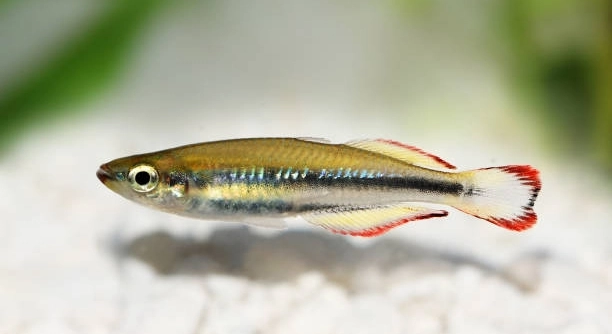
Rainbowfish are colorful and active fish that brighten any aquarium. Many people enjoy keeping them because they are peaceful and lively. Their playful nature makes them appealing companions for other tank inhabitants.
Rainbowfish can coexist with shrimp and snails under proper conditions. They are generally non-aggressive, but tank size, hiding spots, and species compatibility play key roles in ensuring all aquatic life thrives together safely.
Proper setup and monitoring are important to maintain harmony in the tank. Small details can make a big difference in keeping everyone safe and healthy.
Understanding Rainbowfish Behavior
Rainbowfish are active swimmers who enjoy exploring every corner of their tank. They are generally peaceful and prefer living in groups, which keeps them comfortable and reduces stress. Their behavior can change if they feel crowded or if food is scarce. They may chase smaller tank mates occasionally, but this is usually playful rather than aggressive. Providing hiding spots, plants, and decorations helps reduce stress for both rainbowfish and their tank companions. Observing how they interact daily gives insight into their mood and overall health. Temperature, water quality, and lighting also affect behavior. Rainbowfish tend to swim in the middle and upper parts of the tank, while shrimp and snails stay lower. Understanding these patterns helps prevent conflicts and ensures a balanced environment. Feeding routines influence behavior too; overfeeding can lead to aggression, while consistent portions help maintain calm. Choosing compatible species that match their temperament makes coexistence easier.
Monitoring rainbowfish closely ensures they do not disturb smaller tank mates unnecessarily.
Adjusting tank layout and keeping water clean encourages harmony. Providing plenty of plants and hiding spots prevents stress. Tank companions benefit when rainbowfish are comfortable and active, creating a peaceful atmosphere. Watching interactions daily allows for quick adjustments, ensuring shrimp and snails remain safe. Proper care ensures all species thrive together, maintaining health, growth, and natural behavior patterns.
Tank Setup for Compatibility
Proper tank setup is essential for rainbowfish, shrimp, and snails to live together peacefully. Each species has unique space and hiding needs.
A tank should have plenty of plants, rocks, and decorations to create shelter for shrimp and snails. Open swimming areas allow rainbowfish to move freely without disturbing smaller tank mates. Substrate choice matters; soft sand or smooth gravel prevents injury to delicate shrimp and snail bodies. Filtration must maintain clean water without creating strong currents that stress smaller species. Temperature should suit all inhabitants, typically around 74–78°F for rainbowfish and slightly cooler for shrimp. Lighting should be balanced to support plant growth while preventing algae overgrowth that could harm the tank’s health. Regular water changes keep nitrate levels low and maintain chemical stability. Introducing species slowly helps them adjust and reduces stress-related aggression. Observing interactions during the first weeks is crucial to identify any compatibility issues before they escalate. Adjustments in layout, hiding spots, and feeding routines enhance peaceful coexistence. Selecting the right number of rainbowfish prevents crowding and ensures smaller species feel secure.
Water quality, tank size, and environmental enrichment are the most important factors for long-term harmony. Proper preparation and observation keep all species healthy and reduce risks of stress or injury.
Feeding Considerations
Rainbowfish eat small flakes, pellets, and live or frozen foods. Shrimp and snails mostly eat algae, leftover food, and plant matter.
Feeding both rainbowfish and invertebrates requires balance. Overfeeding can lead to leftover food decomposing, which reduces water quality and stresses all tank inhabitants. Feeding in smaller amounts multiple times a day helps ensure rainbowfish get enough nutrition without overwhelming shrimp and snails. Observation is key: watch how each species feeds and adjust portions accordingly. Using slow-sinking pellets or hiding food near plants ensures snails and shrimp have access without competing directly with faster rainbowfish. Regularly supplementing shrimp diets with algae wafers or blanched vegetables supports their health. Rainbowfish benefit from occasional live food to maintain vibrant colors and activity. Avoid feeding too much protein to prevent water pollution and maintain a healthy balance.
It’s helpful to feed in specific areas to reduce chasing or food competition. Each species can enjoy its meal safely.
Maintaining consistent feeding routines encourages natural behavior and reduces stress. Observing who eats first and where they feed helps prevent conflicts. Adjusting food types and locations ensures rainbowfish, shrimp, and snails all get what they need without harming water quality. Regular cleaning of leftover food prevents buildup and keeps the tank stable. Over time, each species will learn its feeding spot, which supports peaceful coexistence.
Monitoring Health
Regular observation is critical to detect health issues early. Watch for unusual swimming, discoloration, or missing parts.
Maintaining water parameters is essential for all species. Rainbowfish thrive in slightly alkaline, clean water, while shrimp and snails prefer stable conditions with minimal chemical fluctuations. Testing pH, ammonia, nitrite, and nitrate levels ensures a safe environment. Signs of disease in shrimp may include lethargy, fading color, or difficulty molting. Snails may show cracked shells or slow movement. Early detection allows for timely interventions, preventing spread of disease. Quarantining new additions before adding them to the main tank reduces risk of infections.
Observation also helps identify behavioral issues. Aggression from rainbowfish, overactive shrimp, or snails competing for food can signal adjustments are needed. Maintaining optimal temperature, avoiding overcrowding, and providing hiding spots support overall health. Regularly checking plants and substrate prevents buildup of harmful bacteria or fungi. Keeping a routine of cleaning, feeding, and monitoring ensures all species remain vibrant and active. Minor changes in behavior or appearance can indicate larger health concerns, making attention to detail essential. Proper care reduces stress and prolongs the life of rainbowfish, shrimp, and snails alike.
Tank Maintenance
Regular cleaning helps keep rainbowfish, shrimp, and snails healthy. Remove uneaten food and debris daily.
Partial water changes once a week maintain water quality. Cleaning filters and checking for buildup prevents harmful toxins.
Plant and Decoration Choices
Live plants provide hiding spots for shrimp and snails while giving rainbowfish areas to explore. Hardscape like rocks and driftwood creates barriers and reduces stress. Choose smooth surfaces to prevent injuries and ensure all species feel safe and secure in the tank.
Observing Interactions
Pay close attention to how rainbowfish, shrimp, and snails behave together. Watch for chasing, hiding, or aggression to address issues early.
Adjusting Tank Conditions
Temperature, lighting, and water chemistry should be adjusted carefully. Sudden changes can stress all inhabitants, so gradual adjustments are safest.
FAQ
Can rainbowfish harm shrimp or snails?
Rainbowfish are generally peaceful and do not intentionally harm shrimp or snails. However, fast swimming or playful chasing may accidentally stress smaller tank inhabitants. Providing plenty of hiding spots and plants helps shrimp and snails feel safe and reduces potential stress from active rainbowfish.
How many rainbowfish can I keep with shrimp and snails?
A small group of 5–7 rainbowfish is usually compatible with a moderate number of shrimp and snails in a 20-gallon tank. Overcrowding increases stress, territorial behavior, and competition for food. Maintaining proper stocking levels ensures each species has enough space and resources.
What are the best tank mates for rainbowfish besides shrimp and snails?
Other peaceful species such as tetras, rasboras, and small gouramis can coexist well. Avoid aggressive or fin-nipping fish, as they may harass both rainbowfish and invertebrates. Choosing compatible species based on temperament and size helps maintain a calm tank environment.
How do I prevent rainbowfish from eating shrimp or snail eggs?
Rainbowfish may eat tiny eggs if they are exposed. Planting dense vegetation and using breeding nets or separate tanks for egg-laying can protect the eggs. Providing plenty of alternative food for rainbowfish also reduces the chance they will target eggs.
Can I mix different species of shrimp with rainbowfish?
Yes, most small freshwater shrimp like cherry, amano, and ghost shrimp coexist well. Larger or more aggressive shrimp may be stressed by rainbowfish. Ensure hiding spots and plants are available so shrimp can retreat when rainbowfish swim quickly.
What water parameters are best for a mixed tank?
Rainbowfish thrive in slightly alkaline water with temperatures between 74–78°F. Shrimp prefer stable, clean water with similar pH and minimal chemical fluctuations. Avoid sudden changes, and keep ammonia and nitrite at zero. Regular testing ensures the tank remains safe for all species.
How should I feed rainbowfish, shrimp, and snails together?
Feed rainbowfish flakes, pellets, or frozen food while providing algae wafers or blanched vegetables for shrimp and snails. Feeding in multiple areas reduces competition and ensures each species gets the nutrition it needs. Observing feeding behavior helps adjust portions and placement.
Do rainbowfish need a specific tank size to live with invertebrates?
A tank of at least 20 gallons is recommended to provide enough swimming space and hiding spots. Larger tanks reduce stress and allow each species to establish its territory. Proper tank size also helps maintain stable water parameters.
How can I tell if shrimp or snails are stressed by rainbowfish?
Signs include hiding constantly, fading colors, slowed movement, or refusing food. If these behaviors persist, consider adding more plants, rearranging decorations, or reducing the number of rainbowfish to improve the tank environment.
Are there any precautions when introducing new shrimp or snails?
Quarantine new invertebrates for a few weeks before adding them to the main tank. This prevents disease introduction and gives them time to adjust. Slowly acclimate them to water temperature and chemistry to reduce stress.
Can rainbowfish and snails help each other in a tank?
Snails clean algae and leftover food, which helps maintain water quality, indirectly benefiting rainbowfish. Rainbowfish movement can circulate water and prevent stagnation, supporting snail health. This natural interaction can improve the overall balance of the tank.
What plants are best for a mixed tank?
Dense plants like java moss, hornwort, and java fern provide hiding spots for shrimp and eggs. Floating plants offer shade and reduce stress for rainbowfish. Avoid sharp-leaved plants that could harm invertebrates.
How often should I check on the tank?
Daily observation is recommended to monitor behavior and feeding. Weekly water testing and partial water changes maintain safe conditions. Adjustments should be made gradually to prevent stress or sudden changes in water chemistry.
Can I breed rainbowfish with shrimp or snails in the same tank?
Breeding is possible but challenging. Rainbowfish eggs need protection, and shrimp may consume them. Snails can reproduce easily without interfering, but dense plants or separate breeding areas are recommended for rainbowfish to increase survival rates.
How do I prevent algae overgrowth in a mixed tank?
Algae can be controlled by balancing light, feeding, and adding algae-eating snails. Regular water changes and proper filtration help keep nutrients in check. Avoid overfeeding, as leftover food accelerates algae growth, impacting both rainbowfish and invertebrates.
Are there any long-term risks of keeping rainbowfish with invertebrates?
If the tank is properly maintained, risks are minimal. Overcrowding, poor water quality, or insufficient hiding spots can stress invertebrates or reduce their lifespan. Regular monitoring, tank maintenance, and compatible stocking prevent most long-term issues and support healthy coexistence.
What signs indicate a harmonious tank?
Calm swimming, active feeding, healthy colors, and visible exploration indicate that rainbowfish, shrimp, and snails are comfortable. Consistent growth and molting in shrimp and intact shells in snails are also signs of a stable, well-maintained tank.
Can I keep baby shrimp or snails safely with rainbowfish?
Yes, if hiding spots and plants are abundant. Baby shrimp and snails are vulnerable, so dense vegetation and crevices reduce predation risks. Feeding small portions in separate areas also improves their survival chances in a mixed tank.
What equipment helps maintain harmony?
Gentle filters, proper lighting, and heaters for stable temperature are essential. Air stones or water circulation devices improve oxygenation without creating strong currents that stress smaller species. Regular cleaning and monitoring equipment performance prevent problems before they escalate.
Is it necessary to separate species during molting or breeding?
Yes, temporarily separating vulnerable shrimp or breeding rainbowfish improves survival. Providing a safe area prevents accidental harm from larger fish or more active tank mates. After recovery, species can return to the main tank gradually.
How do I encourage peaceful coexistence?
Provide sufficient space, hiding spots, and a balanced diet. Observe interactions, avoid overcrowding, and maintain stable water conditions. Gradual introductions and proper acclimation help rainbowfish, shrimp, and snails adapt to living together comfortably.
Can water changes affect coexistence?
Sudden or large water changes can stress all species. Partial weekly water changes are recommended to maintain stability. Gradual adjustments in temperature and chemistry prevent conflict and ensure rainbowfish, shrimp, and snails remain healthy.
Are all rainbowfish species compatible with shrimp and snails?
Most small, peaceful rainbowfish species like Boesemani, Turquoise, or Threadfin are compatible. Larger or aggressive species may pose risks, so research the specific rainbowfish species before introducing them to a mixed tank.
How do I handle illness in a mixed tank?
Quarantine affected individuals if possible. Treating the whole tank may harm sensitive invertebrates, so using targeted treatment or separate quarantine tanks is safer. Maintain water quality and monitor other species for early signs of infection.
Can I use decorations to reduce aggression?
Yes, rocks, driftwood, and plants create barriers that prevent chasing and reduce stress. Arranging decorations to break line of sight gives smaller species spaces to retreat while letting rainbowfish swim freely.
What are common mistakes in mixed tanks?
Overcrowding, insufficient hiding spots, poor water quality, and overfeeding are the main issues. Each can lead to stress, disease, or death. Observing behavior and maintaining consistent care prevents these mistakes.
How often should I feed each species?
Rainbowfish benefit from 1–2 small feedings daily. Shrimp and snails can have supplemental food a few times a week, including algae wafers or vegetables. Adjust feeding frequency based on consumption and tank size to avoid leftover food accumulation.
Can rainbowfish eat snails?
Typically, small peaceful rainbowfish do not eat adult snails, but tiny or baby snails may be at risk if there are no hiding spots. Dense plants and slow introduction of snails help protect vulnerable individuals.
How can I make the tank more natural?
Using live plants, natural substrate, and gentle water flow creates a comfortable environment. Mimicking natural conditions helps reduce stress and encourages normal behavior for rainbowfish, shrimp, and snails.
Is it safe to add more species later?
Yes, but introduce new species gradually. Quarantine them first, monitor interactions, and ensure sufficient space. Adding too many at once can disrupt the balance and stress existing inhabitants.
What should I do if rainbowfish become aggressive?
Rearrange decorations, add hiding spots, or reduce the number of rainbowfish. Aggression usually stems from overcrowding or stress. Observing behavior helps identify the cause and prevent conflicts.
Can I mix different snail species?
Yes, most small freshwater snails coexist peacefully. Ensure they have enough food and space. Avoid aggressive species that may compete or harm smaller snails.
How long can rainbowfish, shrimp, and snails live together?
With proper care, peaceful rainbowfish can live 5–8 years, shrimp 1–3 years depending on species, and snails 2–5 years. Maintaining water quality, proper feeding, and safe tank conditions ensures long-term coexistence.
Do I need special lighting for shrimp and snails?
Moderate lighting that supports plant growth is sufficient. Avoid overly bright lights, which can stress invertebrates. Floating plants or shaded areas help regulate light exposure.
Can I breed shrimp in a rainbowfish tank?
Yes, dense plants and hiding spots improve survival of baby shrimp. Providing algae wafers or small foods ensures they get enough nutrition while avoiding predation.
What is the best substrate for a mixed tank?
Fine sand or smooth gravel prevents injury to shrimp and snails while allowing rainbowfish to swim freely. Avoid sharp or rough surfaces that could damage delicate species.
Are there any chemical concerns in a mixed tank?
Avoid copper-based medications, as they are toxic to shrimp and snails. Use invertebrate-safe treatments and maintain consistent water chemistry to protect all species.
How do I keep all species active and healthy?
Provide proper feeding, hiding spots, and stable water conditions. Observe behavior, rotate plants and decorations, and maintain a clean tank. Consistent care encourages natural activity, growth, and harmony among rainbowfish, shrimp, and snails.
Can baby rainbowfish coexist with shrimp and snails?
Yes, if plenty of hiding spots are available. Baby rainbowfish are small and vulnerable but usually not aggressive. Plants and decorations protect them and allow safe exploration with invertebrates.
How do I balance plants, fish, and invertebrates?
Use a mix of dense plants, open swimming areas, and decorations. Monitor growth, remove decaying matter, and adjust stocking levels. This balance reduces stress and keeps the tank visually appealing and functional.
Can algae-eating snails help the tank?
Yes, snails consume algae and leftover food, improving water quality and supporting a cleaner environment. This indirectly benefits rainbowfish and reduces maintenance workload.
Is tank size more important than decorations?
Both are important. Adequate tank size prevents overcrowding, while decorations provide shelter and reduce stress. Combining proper space with environmental enrichment ensures peaceful coexistence.
Can rainbowfish and snails coexist without plants?
Plants are highly recommended. Without them, shrimp and snails have fewer hiding spots, increasing stress and vulnerability. Plants also improve water quality and create a natural environment for all species.
What is the best way to introduce new shrimp or snails?
Acclimate slowly using a drip method or floating bag. Provide hiding spots immediately and observe interactions closely. Gradual introduction reduces stress and ensures survival of invertebrates.
Do rainbowfish need companions?
Yes, rainbowfish are schooling fish and thrive in groups. Keeping at least 5 individuals prevents stress and encourages natural behavior, which supports harmony with shrimp and snails.
How often should I clean decorations?
Clean lightly every few weeks or when algae buildup becomes visible. Avoid harsh scrubbing that damages plants or snail shells. Regular maintenance keeps surfaces safe for all species.
Can I keep shrimp and snails together?
Yes, most species coexist peacefully. Ensure adequate space, hiding spots, and food. Avoid aggressive invertebrates that may compete or harm smaller species.
What temperature fluctuations are safe?
Keep changes gradual, no more than 1–2°F per day. Rainbowfish, shrimp, and snails tolerate minor fluctuations, but sudden shifts can cause stress or illness. Stable temperature is key to long-term health.
Do I need to separate species during water changes?
Not usually. Partial water changes with proper acclimation are safe for all species. Avoid strong suction or removal that could harm small invertebrates.
Can rainbowfish eat baby shrimp?
They may eat tiny baby shrimp if exposed. Providing dense vegetation and hiding spots protects juveniles and ensures higher survival rates in a mixed tank.
Are there signs of stress in rainbowfish?
Clamped fins, hiding, loss of color, or reduced swimming indicate stress. Adjusting tank conditions, stocking, or layout can reduce tension and improve coexistence.
How do I maintain pH for all species?
Keep slightly alkaline water around 7–8 pH. Test regularly and make gradual adjustments if needed. Stable pH supports rainbowfish, shrimp, and snails.
What is the best filtration for a mixed tank?
A gentle filter that maintains clean water without strong currents is ideal. Sponge filters are safe for shrimp and snails while providing adequate circulation for rainbowfish.
Can I use fertilizers with live plants?
Yes, but choose invertebrate-safe fertilizers. Avoid copper-based or toxic chemicals. Proper dosing supports plant growth without harming shrimp or snails.
How do I prevent overcrowding?
Calculate tank capacity based on species size and number. Avoid adding too many rainbowfish, shrimp, or snails at once. Proper stocking prevents stress, disease, and competition for food.
Can rainbowfish and shrimp share the same diet?
Not entirely. Rainbowfish require protein-rich foods, while shrimp thrive on algae, wafers, and vegetables. Feeding in different areas or using species-specific foods ensures proper nutrition.
How often should I observe the tank?
Daily observation helps detect stress, disease, or behavioral changes early. Monitoring interactions and health prevents minor issues from becoming serious problems.
Are there any special considerations for breeding rainbowfish?
Provide dense plants or breeding nets. Separate eggs to prevent consumption by shrimp or other fish. Stable water conditions and proper nutrition increase hatching success.
Can snails help clean the tank?
Yes, snails consume algae, uneaten food, and detritus. They help maintain water quality, reduce maintenance, and benefit rainbowfish by keeping the tank cleaner.
What should I do if water quality drops?
Perform partial water changes, check filters, and remove debris. Monitor ammonia, nitrite, and nitrate levels. Adjust feeding and stocking if needed to restore balance.
Can I mix multiple rainbowfish species?
Yes, if they have similar sizes and temperaments. Avoid aggressive or large species that may stress smaller rainbowfish or invertebrates. Proper research ensures compatibility.
How can I encourage natural behavior?
Provide plants, hiding spots, and open swimming areas. Feed varied diets and maintain stable conditions. Natural tank features stimulate activity, reduce stress, and support coexistence.
Is it necessary to quarantine new fish?
Yes, quarantining prevents disease introduction and allows gradual acclimation. This protects rainbowfish, shrimp, and snails from potential illness.
Can I use artificial plants instead of live plants?
Artificial plants provide hiding spots but do not improve water quality. Live plants are better for a healthy, balanced tank environment.
How do I reduce stress for all species?
Stable water, adequate space, hiding spots, and proper feeding reduce stress. Monitoring behavior and adjusting conditions as needed ensures peaceful coexistence.
Can rainbowfish coexist with large snails?
Yes, large snails are generally safe. They may compete for food but are rarely harmed. Providing extra hiding spaces reduces stress for smaller species.
How do I prevent overcrowding with invertebrates?
Monitor population growth, especially for fast-breeding shrimp and snails. Remove excess individuals or increase tank size to maintain a balanced environment.
Can rainbowfish and shrimp live together long-term?
Yes, with proper care, space, and monitoring. Maintaining stable water conditions, adequate hiding spots, and proper feeding supports long-term peaceful coexistence.
What should I do if conflicts arise?
Rearrange decorations, add hiding spots, reduce fish numbers, or separate stressed individuals temporarily. Observing behavior and acting early prevents injury or stress.
How can I keep baby invertebrates safe?
Dense plants, moss, and decorations create shelter. Feed small portions in multiple areas and monitor for predation. This improves survival rates for juvenile shrimp and snails.
Are there specific water hardness requirements?
Rainbowfish prefer moderately hard water, while shrimp thrive in stable, slightly soft to moderately hard water. Test and adjust slowly to suit both species.
How important is tank cycling?
Cycling establishes beneficial bacteria that process waste. A fully cycled tank prevents ammonia spikes, supporting healthy rainbowfish, shrimp, and snails.
Can rainbowfish and snails reproduce successfully together?
Yes, they reproduce independently. Snails lay eggs freely, while rainbowfish need dense plants or breeding nets. Proper care ensures both species thrive without interfering with each other.
Do I need a separate tank for breeding shrimp?
Not always, but dense vegetation and hiding spots improve survival of baby shrimp. In crowded tanks, separate breeding areas increase survival chances.
How do I maintain oxygen levels?
Use gentle water circulation, avoid overcrowding, and add air stones if needed. Plants also contribute oxygen during photosynthesis. Adequate oxygen prevents stress in all species.
Can I use medications safely in a mixed tank?
Use invertebrate-safe medications. Avoid copper or strong chemicals that harm shrimp and snails. Always follow dosage instructions and monitor tank inhabitants.
What is the ideal lighting schedule?
8–10 hours of moderate light supports plant growth and reduces stress. Avoid constant bright light, which can disturb shrimp and rainbowfish behavior.
How often should I test water?
Weekly testing of pH, ammonia, nitrite, and nitrate is recommended. Frequent monitoring helps maintain stable conditions and prevents stress or illness.
Can rainbowfish live with freshwater snails like nerites or mystery snails?
Yes, these snails are peaceful and thrive with rainbowfish. They provide algae control and require hiding spots, making them compatible for a shared tank.
Are there risks with large groups of rainbowfish?
Overcrowding can increase chasing, competition, and stress. Proper stocking density, ample swimming space, and decorations help reduce conflicts.
Can I keep multiple shrimp species together?
Keeping rainbowfish, shrimp, and snails together in the same tank can be very rewarding when done correctly. Each species has unique needs, and understanding their behavior is key to maintaining harmony. Rainbowfish are active and love to swim, while shrimp and snails move more slowly and need spaces to hide. By providing plenty of plants, decorations, and open swimming areas, you can create an environment where all three species feel comfortable. Observing daily interactions helps identify stress or aggression early, which allows you to make adjustments before any problems become serious. A balanced tank ensures everyone gets enough food, space, and security, which supports long-term health for each species.
Water quality plays a central role in the success of a mixed tank. Rainbowfish prefer clean, slightly alkaline water, while shrimp and snails thrive in stable conditions with minimal chemical fluctuations. Maintaining consistent temperature, pH, and ammonia levels is crucial to avoid stress or illness. Regular water changes and careful monitoring help prevent problems before they escalate. Using gentle filtration and avoiding strong currents ensures that small invertebrates are not disturbed while still keeping the water clean for rainbowfish. Attention to feeding routines is also important; overfeeding can pollute the water and cause conflicts, while underfeeding can leave some species without proper nutrition. Proper diet management for all species contributes to their growth, activity, and vibrant colors.
Patience and preparation are essential for a successful mixed tank. Introducing new shrimp or snails slowly, providing hiding spots, and arranging plants strategically all help reduce stress and encourage natural behavior. Monitoring health and behavior regularly allows you to respond quickly to changes, whether it is molting, breeding, or signs of illness. Creating a balanced environment with proper tank size, compatible species, and enriched surroundings leads to a peaceful coexistence that is enjoyable to observe. With consistent care, attention to detail, and an understanding of each species’ needs, a rainbowfish, shrimp, and snail tank can flourish beautifully, providing a lively and harmonious aquatic habitat for years.

Hello,
If you enjoy the content that we create, please consider saying a "Thank You!" by leaving a tip.
Every little bit helps us continue crafting quality advice that supports the health, happiness, and well-being of pets around the world, for pets of all shapes, sizes, and species.
We really appreciate the kindness and support that you show us!