
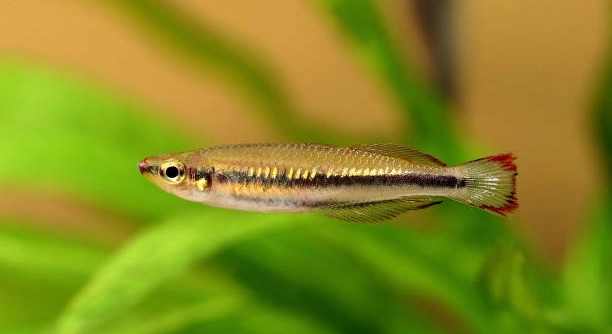
Rainbowfish are popular choices for home aquariums due to their vibrant colors and lively behavior. Many fish owners enjoy watching them swim gracefully while maintaining a healthy, balanced environment for their aquatic companions. Feeding routines play an essential role.
Rainbowfish should be fed small amounts two to three times daily, ensuring they consume all food within a few minutes. Overfeeding can lead to water quality issues and health problems, while underfeeding may affect their growth and overall vitality.
Maintaining a consistent feeding schedule helps support their health and bright coloration. Proper care ensures your rainbowfish remain active and thrive in their tank environment.
Choosing the Right Food for Rainbowfish
Selecting the right type of food is essential for keeping rainbowfish healthy and colorful. They thrive on a diet that includes high-quality flakes or pellets designed for tropical fish. Live or frozen foods, such as brine shrimp, daphnia, or bloodworms, provide important protein and nutrients. Variety helps ensure they receive all necessary vitamins and minerals, promoting growth and vibrant coloration. While flakes are convenient for daily feeding, occasional treats of live or frozen food encourage natural hunting behavior and mental stimulation. Avoid overfeeding, as uneaten food can decay and impact water quality. Observing how much your fish consume within a few minutes will help you gauge the correct portion. It’s also beneficial to introduce new foods gradually, allowing their digestive system to adjust. By choosing nutritious, varied foods and monitoring portions, you create a stable, healthy environment that supports their activity and longevity.
Monitoring water quality and temperature is equally crucial. Proper food alone is not enough for thriving rainbowfish.
A balanced diet also influences their immune system. Rainbowfish with access to protein-rich foods develop stronger resistance to disease. Flakes and pellets alone may meet basic needs, but live or frozen foods improve vitality. Including plants or algae supplements can support digestion and overall health. Consistent feeding times help maintain regular behavior patterns, reducing stress. Stress can weaken their immune system, making them susceptible to illness. Maintaining both nutrition and environmental stability ensures your rainbowfish remain active and display their best colors. Small adjustments in diet, portion, and feeding frequency can prevent common issues like bloating or lethargy. Over time, you will notice more playful swimming and brighter scales. Feeding is not just a routine but a key factor in promoting well-being and tank harmony, making your care efforts visible in their daily activity and appearance.
Common Feeding Mistakes
Feeding too much at once can cause health and water problems.
Overfeeding leads to uneaten food that pollutes the tank, increasing ammonia levels and harming fish. Consistently giving excessive portions may result in obesity, bloating, and digestive issues. Underfeeding, on the other hand, stunts growth and dulls coloration. Maintaining the correct portion and feeding frequency is essential for long-term health. Observing fish behavior during feeding helps detect issues early. Rotating food types and offering live or frozen options occasionally prevents boredom and encourages natural behavior. Clean the tank regularly to remove leftover food and maintain water quality. Adjusting feeding habits according to age, size, and tank population ensures each rainbowfish receives adequate nutrition. By avoiding these mistakes, you create a stable, healthy environment where rainbowfish can thrive and remain active. Proper feeding supports not only their physical health but also their overall energy and color vibrancy, making your aquarium a lively, balanced space.
Feeding Frequency and Portions
Rainbowfish do best when fed small amounts multiple times per day. Two to three feedings allow them to consume food quickly without overloading the tank. Portion control prevents leftover food from polluting the water and reduces the risk of digestive problems.
Consistency in feeding frequency helps regulate metabolism and maintain energy levels. Each feeding should last only a few minutes, enough for all fish to eat comfortably. Observing how much they eat during this time allows adjustments in portion size. Feeding too much at once can lead to bloating and stress, while too little slows growth. Rotating between flakes, pellets, and occasional live food ensures balanced nutrition and keeps fish active. Over time, a consistent routine helps rainbowfish display brighter colors and maintain good health.
Adjusting portions according to tank size and population is important. Larger tanks or groups may require slightly more food, but it’s essential to avoid overfeeding. Pay attention to fish behavior, appetite, and leftover food. If fish leave food behind, reduce portions next time. Regular monitoring prevents health issues and maintains water quality, supporting a thriving environment for rainbowfish. Feeding should remain structured, simple, and consistent to promote long-term vitality.
Signs of Overfeeding and Underfeeding
Overfeeding causes leftover food that decays and increases ammonia in the tank. Fish may appear bloated, lethargic, or show slower swimming patterns.
Underfeeding can result in stunted growth, dull coloration, and weakened immune systems. Fish may appear restless or compete aggressively for food. Monitoring appetite and observing physical condition helps identify feeding problems. Adjusting portion sizes and feeding frequency is necessary to avoid health issues. Consistent feeding routines combined with water quality checks prevent complications. It is also helpful to rotate food types to provide a balanced diet. Feeding habits directly influence both health and energy, making careful observation critical for maintaining a healthy rainbowfish tank.
Best Times to Feed Rainbowfish
Morning and late afternoon are ideal feeding times for rainbowfish. Feeding during these periods aligns with their natural activity patterns, encouraging regular movement and healthy metabolism. Consistency helps fish anticipate feeding and reduces stress in the tank.
Feeding at the same times daily supports routine and promotes stable behavior. Fish become more active during scheduled feedings and show improved appetite. Maintaining regular times prevents overfeeding and ensures all fish receive adequate nutrition.
Preparing Food Properly
Flakes and pellets should be stored in a cool, dry place to maintain freshness. Live or frozen foods must be thawed or rinsed before feeding. Proper preparation ensures nutrition is preserved and prevents contamination, protecting fish health.
Feeding Young Rainbowfish
Young rainbowfish require smaller, more frequent meals to support rapid growth. They digest food faster and need extra nutrients to develop strong coloration and body structure.
Using Supplements
Occasional vitamin or mineral supplements can boost rainbowfish health. These additions support immunity, growth, and color vibrancy when included properly in their diet.
FAQ
How often should I feed my rainbowfish?
Rainbowfish should be fed small amounts two to three times a day. Each feeding should be enough for all fish to finish within a few minutes. This routine prevents overfeeding, maintains water quality, and supports healthy growth and coloration. Observing how quickly food is eaten allows you to adjust portion sizes appropriately.
Can I feed them only flakes or pellets?
While high-quality flakes or pellets provide essential nutrients, relying solely on them can limit variety. Occasional live or frozen foods, such as brine shrimp or daphnia, supply extra protein and encourage natural hunting behavior. Offering a mix ensures rainbowfish receive balanced nutrition and maintain strong immune systems.
What happens if I overfeed my rainbowfish?
Overfeeding can lead to bloating, digestive issues, and lethargy. Uneaten food decays in the tank, increasing ammonia levels and impacting water quality. Over time, this can stress fish and reduce their lifespan. Proper portion control and observation during feeding prevent these problems and maintain a healthy environment.
How can I tell if my fish are underfed?
Signs of underfeeding include slow growth, dull coloration, and increased competition for food. Fish may appear restless or swim more aggressively when feeding occurs. Monitoring behavior and physical appearance helps identify underfeeding, allowing adjustments in meal size or frequency to ensure proper nutrition.
Are live foods necessary for rainbowfish?
Live foods are not strictly necessary, but they provide extra protein and stimulation. They encourage natural foraging and hunting instincts, supporting physical activity and mental engagement. Incorporating live or frozen options occasionally enhances overall health and helps maintain bright colors.
Should I adjust feeding for young or adult fish?
Young rainbowfish require smaller, more frequent meals to support rapid growth. Adults can be fed slightly larger portions less frequently. Adjusting the feeding schedule according to age ensures each fish receives appropriate nutrition for its size and developmental needs.
Can supplements improve rainbowfish health?
Supplements, such as vitamins or minerals, can enhance immunity, growth, and coloration if used occasionally. They are not a replacement for a balanced diet but can provide additional nutrients, especially in tanks with limited food variety. Proper use supports long-term health.
How do I prevent food from polluting the tank?
Feed only what your fish can consume in a few minutes. Remove uneaten food promptly and maintain regular water changes. Proper portion control and observation reduce waste buildup, keeping the tank clean and preventing water quality issues that could harm rainbowfish.
Is it okay to skip a feeding occasionally?
Skipping a single feeding is generally safe, as rainbowfish can tolerate short periods without food. However, consistently skipping meals can lead to stress, poor growth, and weakened immunity. Maintaining a regular feeding schedule ensures their health and energy levels remain stable.
Can rainbowfish eat plant-based foods?
Rainbowfish can consume small amounts of plant-based foods, like spirulina flakes or algae wafers. These provide fiber and essential nutrients, supporting digestion and overall health. Combining plant-based options with protein-rich foods creates a balanced diet that encourages activity and bright coloration.
How do I know the correct portion size?
Portion size is determined by the number of fish and tank size. Feed only what they can finish in two to three minutes. Observe their behavior during feeding and adjust accordingly. Smaller, frequent feedings are safer than large portions, preventing overfeeding and health issues.
Can I feed rainbowfish at night?
Rainbowfish are more active during the day and feed best during daylight hours. Feeding at night may result in uneaten food and increased waste, as fish are less likely to eat actively. Sticking to morning and late afternoon feedings aligns with their natural behavior and promotes healthy routines.
What foods should be avoided?
Avoid foods high in fillers, artificial colors, or low-quality ingredients. Human food, bread, or processed snacks are not suitable, as they can cause digestive problems and affect water quality. Stick to high-quality flakes, pellets, and occasional live or frozen foods to maintain health.
How do seasonal changes affect feeding?
Temperature and daylight can influence appetite. In colder water, rainbowfish may eat less due to slower metabolism. Adjust feeding amounts accordingly, ensuring they receive enough nutrients without overfeeding. Monitoring fish activity and behavior during seasonal shifts helps maintain proper nutrition.
Can rainbowfish eat together with other species?
Rainbowfish generally feed well alongside other peaceful tropical fish. Monitor interactions to ensure all fish receive adequate food and no aggressive competition occurs. Separating feedings by tank sections or offering multiple feeding spots can prevent stress and uneven nutrition.
How important is consistency in feeding?
Consistent feeding times support metabolism, reduce stress, and promote healthy behavior. Fish quickly adapt to routine, becoming more active and showing brighter coloration. Inconsistent feeding can lead to appetite issues, overfeeding, or underfeeding, affecting overall health and tank harmony.
What is the best way to introduce new foods?
Introduce new foods gradually, mixing small amounts with familiar options. This helps rainbowfish adjust to taste and digestibility without causing stress or digestive problems. Observing their response allows you to determine which foods are accepted and ensures smooth dietary transitions.
Can I feed rainbowfish frozen foods directly from the freezer?
Frozen foods should be thawed before feeding. Feeding directly from the freezer can shock their digestive system and reduce palatability. Thawing and rinsing frozen options ensures nutrition is preserved and prevents water contamination.
How long can rainbowfish go without food?
Rainbowfish can tolerate short periods without food, such as a day or two, but extended fasting can cause stress, weakened immunity, and stunted growth. Maintaining regular, small feedings is the most reliable way to ensure long-term health and vitality.
Does water quality affect feeding behavior?
Poor water quality can reduce appetite and stress rainbowfish, even if food is available. Maintaining proper filtration, temperature, and cleanliness ensures fish remain active and eat regularly. Observing feeding behavior can also indicate potential water issues that need attention.
Can rainbowfish overeat on live food?
Yes, live foods are tempting and can lead to overfeeding if not portioned carefully. Offer small quantities that can be consumed quickly. Observing consumption prevents digestive issues and keeps the tank clean, ensuring a healthy environment.
How do I balance protein and plant-based foods?
A combination of protein-rich and plant-based foods provides optimal nutrition. Protein supports growth and energy, while plant-based options aid digestion and overall health. Rotating food types prevents nutritional gaps and encourages natural foraging behavior, keeping rainbowfish active and colorful.
What should I do if some fish eat more than others?
Monitor feeding closely and offer multiple feeding spots to ensure all fish access food. Adjust portion sizes gradually and consider separating particularly aggressive or slow eaters temporarily. Balanced access prevents underfeeding and maintains even growth and coloration across the tank.
Can feeding affect rainbowfish coloration?
Yes, a balanced diet with high-quality proteins, vitamins, and occasional live foods enhances color vibrancy. Lack of variety or insufficient nutrients can dull scales. Regular, appropriate feeding routines maintain both health and bright, lively colors.
How often should I clean the tank to support feeding?
Cleaning leftover food and debris regularly, along with partial water changes, prevents harmful buildup. This supports healthy feeding, reduces stress, and keeps fish active. Maintaining a clean environment complements proper feeding and overall rainbowfish care.
What is the best feeding strategy for a community tank?
Offer small portions at multiple locations to ensure all species receive adequate nutrition. Rotate food types and monitor interactions. Adjust feeding times and amounts to accommodate different appetites while preventing overfeeding or underfeeding any fish. This strategy maintains balance and tank harmony.
How do I know if my rainbowfish are satisfied after feeding?
After a few minutes, they should stop actively searching for food and swim normally. Active, alert behavior indicates adequate portions, while lingering near uneaten food may suggest underfeeding. Observing these patterns helps adjust feeding for consistent health and growth.
Can I use automatic feeders for rainbowfish?
Automatic feeders can work if properly calibrated to dispense small, frequent portions. They provide consistency but require regular checks to ensure food is fresh and quantities are correct. Proper setup prevents overfeeding and maintains healthy tank conditions.
How do I prevent picky eating habits?
Offer variety and rotate foods gradually. Mixing familiar with new options encourages acceptance. Observing preferences and adjusting portions prevents selective eating. Maintaining consistent feeding schedules supports balanced nutrition and reduces stress, ensuring rainbowfish remain active and healthy.
What role does feeding play in overall rainbowfish health?
Feeding provides essential nutrients, supports growth, maintains energy, and enhances coloration. Proper portioning and consistent schedules prevent digestive problems, stress, and water quality issues. Balanced diets with occasional live or frozen foods promote immune strength, active behavior, and long-term vitality.
Final Thoughts
Feeding rainbowfish correctly is one of the most important aspects of keeping them healthy and vibrant. Small, consistent meals two to three times a day provide the nutrients they need without overloading the tank. Observing how quickly your fish consume food helps determine the right portion size. Overfeeding can lead to bloating, digestive issues, and water quality problems, while underfeeding can slow growth and dull their colors. Maintaining a structured routine ensures your rainbowfish receive enough nutrition to stay active and maintain strong immune systems. A balanced diet, including high-quality flakes or pellets, along with occasional live or frozen foods, supports overall health and encourages natural behaviors such as hunting and exploring their environment.
Proper food selection goes hand in hand with portion control. Rainbowfish benefit from variety in their diet, which ensures they receive all essential vitamins and minerals. Protein-rich options, like brine shrimp or daphnia, help support growth and energy, while plant-based foods contribute to digestion and overall wellbeing. Live or frozen foods also stimulate activity and curiosity, which can improve their overall vitality. Paying attention to the age, size, and number of fish in the tank allows you to adjust portions to meet the needs of each individual. Monitoring fish during feeding also helps detect health issues early, as changes in appetite or behavior can signal underlying problems. Consistent observation and careful feeding prevent common issues like bloating, lethargy, or stress, keeping your tank environment stable and safe.
Creating a stable feeding routine also helps maintain tank cleanliness and water quality. Uneaten food can decay and increase ammonia levels, putting rainbowfish at risk. Feeding only what your fish can eat within a few minutes, combined with regular tank maintenance, keeps the environment balanced and supports long-term health. Supplements can be used occasionally to enhance immunity and color, but they should not replace a balanced diet. Over time, careful feeding practices result in fish that are more active, display brighter colors, and enjoy a longer, healthier life. Paying attention to both the food itself and the way it is provided ensures that your rainbowfish thrive, creating a lively and balanced aquarium that reflects the effort you put into their care. Proper feeding is not just a routine task but a foundation for healthy, happy rainbowfish.

Hello,
If you enjoy the content that we create, please consider saying a "Thank You!" by leaving a tip.
Every little bit helps us continue crafting quality advice that supports the health, happiness, and well-being of pets around the world, for pets of all shapes, sizes, and species.
We really appreciate the kindness and support that you show us!