
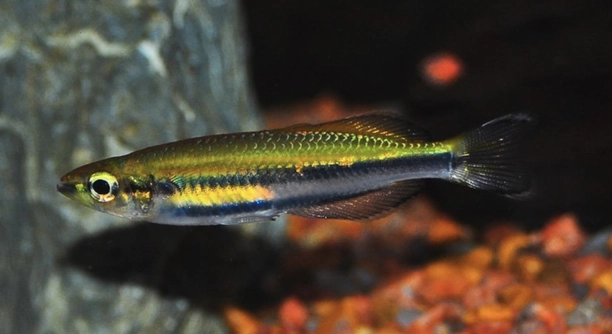
Have you ever tried caring for rainbowfish and felt uncertain about the conditions they need to thrive, especially when it comes to the temperature that keeps them healthy and comfortable in their vibrant freshwater environment.
Rainbowfish prefer warm, stable water between seventy four and seventy eight degrees Fahrenheit, a range that supports healthy metabolism and coloration. Maintaining this temperature window reduces stress, promotes balanced behavior, and sustains overall vitality in home aquariums of these fish.
Learning their optimal temperature range highlights how stable warmth supports health, steady behavior, and lasting comfort in their aquatic home.
Understanding Rainbowfish Temperature Needs
Keeping rainbowfish comfortable depends on consistent temperature management that supports their natural rhythm and overall health. I like focusing on simple steps that make their environment feel calm and steady, since these fish respond well to predictable warmth. Warm water helps them stay active, maintain bright color, and avoid unnecessary stress that can appear when conditions fluctuate too often. When the temperature stays within the right range, you will notice smoother swimming patterns and a more relaxed presence throughout the tank. Stable warmth also supports their appetite, helping them eat regularly and grow at a healthy pace. Paying attention to these small details creates an environment that mirrors their natural habitat in a way that feels effortless once the routine is set. With a gentle approach and consistent care, rainbowfish can adapt well and show steady improvement in both behavior and appearance. This balance keeps them steady throughout daily changes.
Temperature stability supports their immune system, helping them resist stress that can build when water shifts too quickly. Keeping a quiet routine with steady warmth makes daily care easier while allowing rainbowfish to maintain balanced behavior and consistent comfort in their tank throughout their regular activities each and every day.
Understanding how temperature affects their overall health helps you make simple adjustments that support long term stability. Warmth influences their activity level, appetite, and color, so keeping the tank within the proper range becomes a practical routine that benefits them daily. I find that small checks during feeding time help maintain consistency without adding stress or extra tasks. When the temperature remains steady, rainbowfish show smoother movement and more relaxed interactions with one another. This creates a peaceful atmosphere that encourages healthy habits and steady development across all stages of their life. This support strengthens their overall well being daily.
Maintaining Stable Conditions
Keeping the tank steady requires simple habits that fit easily into daily care. Regular monitoring prevents sudden shifts that may affect rainbowfish behavior. Warmth should remain consistent, allowing their bodies to adjust naturally and maintain balanced activity without unnecessary stress or disruption across their regular daily tank care routines periodically.
Long term temperature control depends on consistent attention to the tank environment, but it does not need to feel complicated or overwhelming. Simple routines make the process smooth and allow rainbowfish to remain comfortable without constant adjustment or stress. A reliable heater with a clear thermostat helps maintain steady warmth, and checking it briefly during feeding times keeps everything running as it should. I prefer to keep thermometers in easy view so I can confirm stability at a glance, especially during seasonal changes when indoor temperatures shift more often. When warmth stays within the ideal range, rainbowfish maintain energy, color, and balanced behavior that reflects a healthy environment. Their feeding patterns stay predictable, and they interact calmly with one another, creating a peaceful atmosphere in the tank. Consistent temperature also supports long term health by reducing strain on their immune system and helping them recover faster from everyday stress. Small habits, like avoiding rapid water changes or placing the tank away from drafts, add steady support to their comfort. With thoughtful care and a gentle routine, maintaining stability becomes a natural part of keeping rainbowfish healthy and active while preserving their long term well being in a stable aquatic environment.
Choosing the Right Heater
A reliable heater is essential for maintaining a consistent temperature. I always pick one with a built-in thermostat, so adjustments are easy and precise. It prevents sudden shifts and ensures rainbowfish remain comfortable without needing constant monitoring, keeping the tank stable day after day.
High-quality heaters provide steady warmth, which reduces stress and supports healthy behavior. I usually place it near water flow, allowing heat to distribute evenly. Checking it regularly during feeding ensures it remains accurate. Some models come with safety features that automatically shut off if water drops too low, giving peace of mind. Using a heater suited to tank size also helps avoid temperature fluctuations, making care easier and more predictable while keeping rainbowfish active and colorful.
I also find it helpful to use a separate thermometer to cross-check the heater’s reading. This prevents surprises caused by thermostat inaccuracies. Placing the thermometer at multiple points in the tank ensures the water is uniformly warm. Combining this with gradual adjustments during seasonal changes keeps the environment comfortable without stressing the fish. Consistent temperature makes rainbowfish display natural behavior, eat well, and maintain vibrant color, which is satisfying to observe. Proper placement and monitoring simplify tank management while promoting long-term health for all the fish.
Managing Water Changes
Water changes must be done carefully to avoid shocking the tank. I usually remove only a small portion at a time and make sure replacement water matches the existing temperature closely. This prevents sudden drops that can stress rainbowfish and disrupt their routine.
Slowly adding conditioned water helps maintain chemical balance while keeping temperature steady. I often preheat replacement water and match pH levels to avoid unnecessary strain. Using a gentle flow during the refill prevents turbulence that could alarm the fish. Regular, measured water changes support oxygenation and waste removal without affecting their comfort. This approach keeps rainbowfish healthy and active while minimizing stress.
Keeping water consistent also protects their immune system and prevents illness. I avoid cold tap water and always use a dechlorinator to prevent chemical damage. Timing water changes during active hours helps the fish adapt naturally. Small, frequent changes are better than infrequent large ones, as rainbowfish respond well to gradual adjustments. Over time, this method stabilizes tank conditions, ensuring their behavior and feeding patterns remain predictable. Properly managed water changes are simple to maintain and make a noticeable difference in overall tank harmony and long-term fish health.
Monitoring Temperature Consistently
I check the tank temperature at least once a day. Using a reliable thermometer helps me ensure rainbowfish remain in their preferred warmth range without any sudden changes that could stress them. Consistent monitoring keeps their environment steady and healthy.
I also track temperature trends over several days. Noticing small fluctuations allows me to adjust the heater or room conditions before they become a problem. This proactive approach keeps rainbowfish active and reduces potential stress from sudden temperature shifts.
Seasonal Adjustments
During seasonal changes, I adjust the heater slightly to maintain stable warmth. Indoor temperatures can shift, affecting water conditions. Gradual adjustments prevent stress and ensure rainbowfish continue to thrive without interruption in behavior or appetite. Maintaining stability requires attention but is manageable with routine checks.
Signs of Temperature Stress
Rainbowfish show visible signs when water is too cold or too warm. Reduced activity, faded coloration, or erratic swimming often indicate stress. Observing these behaviors early allows me to correct temperature before it affects their health. Consistent care prevents long-term problems and keeps them comfortable.
FAQ
What is the ideal temperature range for rainbowfish?
Rainbowfish thrive in water between seventy four and seventy eight degrees Fahrenheit. Keeping the temperature within this range supports healthy metabolism, bright coloration, and regular activity. I find that staying consistent with this range prevents stress and keeps the fish comfortable throughout the day.
Can rainbowfish tolerate sudden temperature changes?
No, sudden changes can shock their system. I always make gradual adjustments when the temperature shifts, whether due to seasonal changes or maintenance. Rapid fluctuations can cause stress, weaken the immune system, and even lead to illness, so steady warmth is essential for long-term health.
How often should I check the tank temperature?
I check it at least once daily. Monitoring consistently helps catch small changes early, allowing me to correct them before rainbowfish are affected. During extreme weather or heating system changes, I may check more frequently to maintain stable conditions.
Do rainbowfish need a heater all year round?
Yes, a heater helps maintain a stable temperature regardless of the season. Even in warmer months, room temperatures can fluctuate, so I keep a heater running to ensure the tank does not drop below their preferred warmth range. Stability is more important than absolute heat.
Is it safe to use tap water for water changes?
Only if it is treated first. I always use a dechlorinator and match the temperature of replacement water to the tank. Tap water contains chemicals that can harm rainbowfish if not properly conditioned, so preparing water beforehand keeps them safe.
Can too much heat be harmful?
Yes, water above seventy eight degrees Fahrenheit can cause stress and health problems. I make small adjustments when the temperature rises and use a reliable thermometer to ensure it does not exceed safe limits. Overheating affects appetite, activity, and coloration.
How do I know if my rainbowfish are stressed by temperature?
Signs include lethargy, faded colors, hiding, or irregular swimming. I watch for these behaviors daily, and if I notice them, I check the water and adjust temperature gradually. Early attention helps prevent illness and restores comfort quickly.
What tools help maintain stable temperature?
A heater with a built-in thermostat, a reliable thermometer, and sometimes a small water circulation device help maintain even warmth. I place the heater near a water flow point to distribute heat and use the thermometer to verify consistency. Simple tools make management easy.
Does tank size affect temperature stability?
Yes, smaller tanks fluctuate faster. I pay closer attention in tanks under twenty gallons, as even minor room changes can shift water temperature. Larger tanks are more stable but still need monitoring. Adjustments should always be gradual to protect rainbowfish.
Can temperature affect rainbowfish growth and coloration?
Absolutely. Consistent warmth supports metabolism, feeding, and vibrant color. I have noticed that fish kept within their ideal range grow steadily and maintain bright hues. Temperature directly impacts overall health, so keeping it stable is a priority in care routines.
Should I combine temperature monitoring with other water parameters?
Yes, temperature works best when paired with regular pH, ammonia, and nitrate checks. I find that keeping all parameters stable ensures rainbowfish remain active, healthy, and stress-free. Consistency across conditions is key for long-term wellbeing.
How do seasonal temperature swings affect rainbowfish?
Rapid indoor temperature changes in winter or summer can impact water if not managed. I gradually adjust the heater to compensate and monitor closely. Seasonal awareness prevents stress and helps maintain consistent activity, feeding, and coloration.
Is it necessary to adjust feeding with temperature changes?
Yes, metabolism slows in cooler water and increases in warmer water. I adjust feeding amounts slightly to match their energy needs. Stable temperature makes this predictable, preventing overfeeding or underfeeding and supporting growth without stress.
What is the best practice if a heater fails?
I immediately use a temporary heat source and monitor closely until the heater is replaced. Rapid drops can shock rainbowfish, so I act quickly, gradually restoring warmth to avoid stressing them further. Keeping backup equipment is helpful.
Can multiple heaters improve stability?
In larger tanks, yes. I sometimes use two smaller heaters rather than one large one. This distributes heat evenly and reduces the risk of total failure, keeping the temperature more consistent across the tank.
How long does it take for rainbowfish to adjust to a new temperature?
Gradual changes allow them to adapt in a few hours to a day. Sudden shifts can cause stress immediately. I make incremental adjustments, monitoring behavior and color, to ensure comfort while preventing health issues.
Do nighttime temperatures matter?
Yes, even small drops can affect metabolism and behavior. I keep the heater running overnight and use a thermometer to verify stability. Consistent night temperatures prevent lethargy and maintain healthy routines.
Can aquarium placement affect temperature?
Absolutely. I avoid placing tanks near windows, vents, or heaters that can cause fluctuations. Stable placement ensures consistent warmth and reduces stress, helping rainbowfish maintain steady activity and vibrant color without unnecessary adjustments.
How do I prepare water for partial changes in temperature?
I preheat or cool water to match the tank, then add it slowly. Gradual replacement prevents stress and avoids shocking rainbowfish. Maintaining this simple habit ensures a smooth transition, preserving health and behavior with minimal effort.
What is the simplest way to maintain long-term stability?
Consistent monitoring, a reliable heater, and gradual adjustments. I find that combining these habits with routine water checks creates a stable, comfortable environment. Rainbowfish remain healthy, active, and vibrant when temperature is treated as a daily priority.
Are there any seasonal tips for temperature management?
Yes, during colder months I increase monitoring and adjust heaters gradually, while in warmer months I ensure indoor temperatures do not overheat the tank. Planning ahead reduces stress and keeps rainbowfish stable year-round.
Final Thoughts
Maintaining the proper temperature for rainbowfish is one of the most important aspects of their care. I have found that keeping water between seventy four and seventy eight degrees Fahrenheit consistently creates an environment where the fish can thrive. Temperature affects almost every part of their life, from activity level to appetite and even coloration. When the water is stable, rainbowfish swim more confidently, display brighter colors, and interact naturally with one another. Stress caused by fluctuations can be subtle at first, showing as slight lethargy or reduced feeding, but over time it can lead to more serious health issues. By paying attention to temperature daily, it is possible to prevent these problems before they arise. Consistency makes a noticeable difference, and small habits, such as checking the thermometer and maintaining a reliable heater, go a long way toward creating a comfortable environment. Even minor fluctuations can influence their behavior, so keeping warmth steady should be a priority in any care routine.
Proper tools and setup simplify maintaining stable water conditions. Using a heater with a built-in thermostat is essential for consistent warmth, and placing it near gentle water flow ensures heat is evenly distributed. I always keep a separate thermometer to verify readings because even high-quality heaters can occasionally drift. Gradual adjustments are key, especially during seasonal changes or when moving water during partial changes. Sudden shifts can shock rainbowfish, making careful planning necessary for any maintenance task. Tanks with smaller volumes require extra attention because they are more sensitive to temperature changes, while larger tanks are generally more stable but still need monitoring. Consistent care is not complicated but requires daily attention and small routines that become second nature over time. The payoff is clear: rainbowfish that remain healthy, active, and visually striking throughout the year.
Long-term stability also involves observing the fish for signs of stress and responding promptly. Rainbowfish may display changes in swimming patterns, faded coloration, or reduced appetite when the water is not within their preferred range. I monitor these behaviors regularly and adjust the environment when necessary, whether through minor heater adjustments, water preparation, or placement changes to reduce drafts or direct sunlight. Seasonal awareness, careful water changes, and attention to feeding patterns complement temperature management and help maintain overall tank balance. By combining these practices, it is possible to provide an environment that supports their physical and behavioral health without added stress. Rainbowfish are resilient when given stable, predictable conditions, and following these principles ensures their long-term comfort, vibrant color, and natural activity levels. Maintaining proper temperature is not just a technical task—it is a consistent habit that directly affects the quality of life for these fish, making everyday care more rewarding and successful.

Hello,
If you enjoy the content that we create, please consider saying a "Thank You!" by leaving a tip.
Every little bit helps us continue crafting quality advice that supports the health, happiness, and well-being of pets around the world, for pets of all shapes, sizes, and species.
We really appreciate the kindness and support that you show us!