
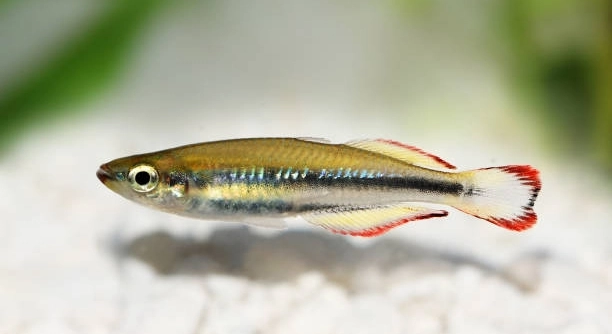
Are your rainbowfish acting differently in their tank, leaving you unsure about what they might be experiencing? Noticing small changes early can make a difference, helping you understand their needs and support their overall wellbeing.
Identifying sickness in rainbowfish involves noting behavioral shifts, physical changes, and irregular swimming patterns. These signs often signal stress or underlying health issues that need timely attention, and observing them early supports better outcomes and maintains a healthier aquatic environment.
Recognizing these signs early helps you create a safer space for your rainbowfish while gaining clarity about their overall condition.
Behavioral Changes to Watch
Noticing behavioral shifts in your rainbowfish can help you understand when something is off, and paying attention to these signals can make care feel more manageable. When rainbowfish become less active or start hiding more often, it usually indicates they are feeling unwell or stressed. You might also see them lose interest in feeding, which is another early sign worth noticing. Rapid gill movement, unusual rest periods, or sudden startle reactions can also point to trouble. Observing these habits consistently is helpful because even small changes can tell you a lot about their overall condition. As someone who enjoys keeping their tank calm and balanced, you may find comfort in knowing that catching these behaviors early often leads to better outcomes. By staying attentive and responding to these shifts, you can gently support your rainbowfish and maintain a stable environment that helps them feel comfortable every day in their home.
These changes give you clear indicators that something is affecting their stability, and responding early keeps their tank healthier. Paying attention to how they move, interact, or behave can guide you toward simple adjustments that support their comfort and help them regain a more natural rhythm in their daily routine.
By noticing behavioral changes early, you allow yourself the chance to protect your rainbowfish before issues become harder to manage. Subtle actions, like a shift in swimming pace or hesitation near feeding time, can offer quiet signals that something is affecting their comfort. Approaching these signs calmly makes the process feel less overwhelming and more manageable. When you understand what each behavior represents, caring for them becomes clearer and more reassuring. This awareness helps you keep their space steady and pleasant, giving them the support they need to stay healthy and active with a sense of ease each passing day.
Visible Symptoms to Identify
Visible symptoms can help you confirm when your rainbowfish needs attention, offering direct signs you can evaluate quickly. Spotting physical changes early supports faster decisions that protect their overall wellbeing and maintain a steady environment that feels safe and consistent for them each day in their aquatic home every time.
Physical symptoms often present clearer signs that your rainbowfish is experiencing discomfort, and observing these details closely can guide your response. Faded coloration, frayed fins, or swollen areas are common indicators that their health may be shifting. You might also notice white patches, raised scales, or irregular breathing patterns that signal irritation or illness. These visible changes should be taken seriously because they often reflect underlying stress or infection that requires attention. When you approach these signs calmly, it becomes easier to understand what your rainbowfish needs and how to support them. Cleaning the tank, adjusting water parameters, or offering targeted care can help them recover faster. Giving yourself time to observe them gently ensures you stay aware of any new developments. When their appearance changes, it is usually their way of showing that something in their environment needs correction. Focusing on these details helps you keep their space stable and comfortable, making it easier for them to return to their usual bright and active behavior. Through steady care and thoughtful observation, you can maintain a setting that protects their wellbeing and supports healthier days ahead for your rainbowfish as they adjust and regain their strength with gentle daily care.
Changes in Swimming Patterns
Changes in swimming patterns often signal discomfort and should be taken seriously. Slower movement, sudden darting, or hovering near the surface can indicate stress. These shifts usually reflect something affecting their sense of balance or ease within the tank, making early attention important.
Unusual swimming can suggest issues with water quality, infections, or internal problems. When rainbowfish begin tilting to one side or struggling to maintain a steady path, it often reflects irritation or pressure in their system. Paying attention to how their movement changes helps you recognize when something in their environment needs adjustment. Stable water conditions, gentle feeding routines, and timely cleaning can offer relief and help them regain a more natural rhythm. Observing these signs calmly allows you to respond with clarity and keeps their space more comfortable.
Consistent changes in movement deserve careful monitoring because they often reveal underlying problems before they progress. When rainbowfish isolate themselves, avoid the group, or move in short, hesitant bursts, it is usually their way of communicating discomfort. Addressing the situation early helps you create a more stable setting that supports their recovery. When you maintain a steady routine and keep their surroundings balanced, it becomes easier for them to settle back into familiar movements. With steady attention, you can guide them toward improved stability.
Appetite Loss and Feeding Issues
A sudden decrease in appetite is a clear sign that something may be affecting your rainbowfish, especially when they ignore food they normally enjoy. This shift can point to environmental issues, early illness, or stress that disrupts their feeding habits and overall comfort in the tank.
Loss of appetite often develops when water parameters shift or when your rainbowfish experiences irritation from parasites or infections. Ignoring food, spitting it out, or approaching it with hesitation suggests they are not feeling their best. Ensuring the tank stays clean, maintaining stable temperatures, and offering fresh food can support their recovery. Observing feeding behavior closely helps you identify when their condition changes. When addressed early, many feeding issues improve with simple adjustments that restore comfort. Staying patient and attentive helps you understand their signals and provide what they need to return to healthier eating patterns.
Changes in Coloration
Faded or dull coloration often signals that your rainbowfish is experiencing stress or early illness. When their normally bright tones begin to lose vibrancy, it usually reflects discomfort linked to water conditions, infections, or shifts in their overall health that need quick attention.
Sudden darkening or blotchy patches can also indicate irritation or an underlying problem affecting their stability. These visual changes help you recognize when something in their environment is no longer supporting their wellbeing, making it important to respond with steady care and close observation.
Breathing Difficulties
Breathing difficulties often point to issues such as poor water quality, parasites, or infections affecting the gills. Rapid breathing, gasping near the surface, or lingering in areas with stronger water flow are signs that your rainbowfish is struggling and needs immediate environmental adjustments to feel more comfortable again.
Isolation or Unusual Resting
Isolation or unusual resting patterns often indicate stress or discomfort that should not be ignored. When your rainbowfish separates itself from the group or spends long periods staying still in one spot, it usually means something in its surroundings is affecting its ease and stability.
FAQ
How quickly do rainbowfish show signs of illness?
Rainbowfish tend to show signs gradually, and the earliest indicators are usually subtle shifts in behavior. You may notice changes in swimming pace, reduced activity, or slight hesitation during feeding before any visible symptoms appear. These early cues often help you act before the condition worsens. Paying attention to these details allows you to respond with calm adjustments that support their comfort. When you notice these small differences, giving the tank a quick check can help you maintain stability and protect their wellbeing through simple, steady care.
Can poor water quality make rainbowfish look sick even if they are not infected?
Yes, poor water quality often triggers symptoms that resemble illness. Stress from elevated ammonia, nitrites, or nitrates can cause faded coloration, heavy breathing, and unusual swimming patterns. Rainbowfish rely on stable conditions to remain vibrant and active, so even minor environmental shifts can create visible stress. Keeping the water clean, changing it regularly, and testing it often prevents problems before they escalate. When their environment feels stable, they settle into their natural routines with ease.
Why does my rainbowfish breathe rapidly even though the tank looks clean?
Rapid breathing can happen even in a tank that appears clean because water parameters can shift without being obvious. Low oxygen levels, high temperatures, or strong currents can affect their breathing. Sometimes gill irritation from parasites or bacterial issues also contributes. Checking the filter, adjusting water flow, and ensuring proper aeration can offer relief. When you respond early, you help them regain steadier breathing and a more comfortable rhythm.
Is it normal for rainbowfish to lose appetite when stressed?
Yes, appetite loss is a common response to stress. When rainbowfish feel unwell or unsettled, they often hesitate around food or ignore it entirely. This happens when water conditions shift or when an early infection affects their comfort. Offering smaller portions, ensuring fresh food, and maintaining a clean environment can help them regain interest. When they begin eating again, it often signals that they feel safer and more balanced in their space.
What should I do if only one rainbowfish is acting strangely while the others seem fine?
Individual fish can react differently to stress or illness, so it is possible for one rainbowfish to show symptoms while the others remain unaffected. This can happen when one fish is more sensitive or already dealing with a minor issue. Observing the affected fish closely helps you determine whether the behavior is temporary or worsening. Adjusting water quality, reducing stress, and providing a calm environment supports their recovery. When handled early, many isolated issues improve without spreading to the rest of the group.
Can stress alone cause visible symptoms like color loss or fin issues?
Stress can absolutely cause visible symptoms. When rainbowfish become overwhelmed, their bodies respond by reducing pigmentation and lowering overall energy. This often appears as faded colors, slight fin wear, or a duller appearance. Stress can stem from overcrowding, sudden noise, irregular feeding, or tank changes. Keeping their environment steady and predictable helps them recover. When they feel secure, their colors usually brighten again.
What is the best way to support a sick rainbowfish while you figure out the cause?
Supporting a sick rainbowfish begins with improving water quality. A clean, stable tank helps relieve pressure on their system while you continue observing their condition. Lowering stress by keeping lights soft, reducing loud noises, and avoiding sudden changes encourages recovery. You can also isolate the affected fish if necessary, which prevents additional stress from tankmates. Offering gentle routines and stable conditions gives them the chance to regain strength. With consistent attention, many rainbowfish respond well to simple adjustments.
Final Thoughts
Caring for rainbowfish becomes simpler when you understand the small signals they give you each day, and these signs often guide you toward what they need to feel safe and stable. Each behavior, color shift, or change in movement offers a quiet message that something in their environment deserves attention. When you take time to notice these details, you begin to recognize patterns that help you respond with a calm and steady approach. Even small adjustments can make a meaningful difference, and consistency is often what keeps them comfortable. While caring for them may feel overwhelming at times, acknowledging their subtle communication helps you create a space where they can maintain their natural brightness. Your observation plays an important role in keeping them steady, and they thrive when their surroundings remain predictable and clean. This awareness helps you respond with clarity, even when the signs seem minimal.
Understanding the early symptoms of stress or illness helps you protect their wellbeing before problems grow more difficult to manage. Whether they change their swimming habits, lose their appetite, or show fading colors, each sign points toward something in their environment that may need correction. When you respond early, you often prevent the condition from progressing, which gives your rainbowfish a better chance at a quick recovery. Stable water quality, gentle lighting, and a balanced feeding routine support their ability to regain comfort. Even when their symptoms seem small, they are worth noticing because they reveal how sensitive rainbowfish can be to their surroundings. Your attention helps maintain the balance they rely on to stay healthy. Over time, this kind of consistency makes the tank feel more natural and reduces the likelihood of recurring issues. When you stay patient and gentle in your care, your rainbowfish benefit from an environment that supports their energy, color, and peaceful behavior.
Maintaining a close connection to your rainbowfish through careful observation ensures that you notice changes as soon as they appear. Responding with steady routines, thoughtful adjustments, and calm decision making builds a setting where they can move, breathe, and interact comfortably. When you pay attention to the signals they offer, you contribute to a healthier space that supports their long term wellbeing. Each moment you spend observing them teaches you a little more about what keeps them stable, and these insights make it easier to adapt their environment whenever needed. As time goes on, the process feels less complicated because you learn to recognize what is normal for them and what suggests discomfort. With consistent care and awareness, you help your rainbowfish stay active, bright, and settled in their home, giving them the peaceful environment they need to thrive.

Hello,
If you enjoy the content that we create, please consider saying a "Thank You!" by leaving a tip.
Every little bit helps us continue crafting quality advice that supports the health, happiness, and well-being of pets around the world, for pets of all shapes, sizes, and species.
We really appreciate the kindness and support that you show us!