
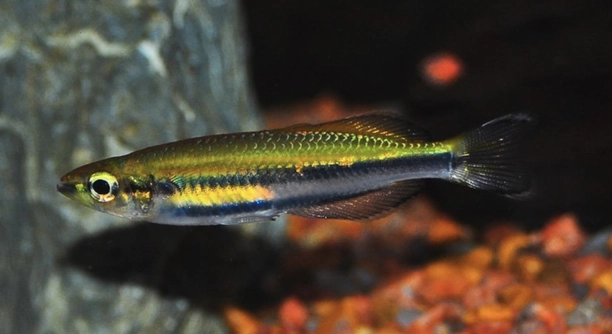
Rainbowfish are small, colorful freshwater fish that brighten up many home aquariums. Their shimmering scales often catch the eye, and their vibrant patterns make them a favorite among fish enthusiasts of all ages.
Rainbowfish can change color to some extent, mainly due to environmental conditions, mood, and social interactions. Changes are usually subtle and temporary, rather than drastic, and are influenced by light, water quality, diet, and the presence of other fish.
Learning how and why these color changes happen can help you care for rainbowfish better and maintain their natural beauty in your aquarium.
How Rainbowfish Change Color
Rainbowfish change color through special cells in their skin called chromatophores. These cells contain pigments that shift slightly when the fish feels stressed, excited, or comfortable. Light and water conditions also affect how bright or dull the colors appear. Male rainbowfish often show stronger colors than females, especially during mating periods. Temperature and diet play a role too. If the water is clean and the fish receives a varied diet with plenty of nutrients, their colors become more vivid. Social interactions matter as well. When rainbowfish are kept in groups, they may display brighter colors to assert dominance or attract mates. Sudden changes in their environment, like moving them to a new tank, can temporarily dull their colors. Over time, with stable conditions, their natural hues return. Observing these subtle shifts is fascinating and gives insight into their health and mood.
Color changes in rainbowfish are gradual and rarely dramatic. Observing them closely helps understand their needs.
Keeping track of lighting, water quality, and tank mates is key. A stable environment promotes healthy coloration. Feeding them foods rich in carotenoids enhances reds and oranges. Avoid overcrowding and sudden water changes, as these stressors reduce color vibrancy. Males in particular display more striking patterns when they feel safe and confident. Tank decorations and background colors can also influence how bright they appear. Monitoring these factors consistently will ensure the fish display their full range of natural colors.
Factors That Affect Rainbowfish Color
Diet has a major impact on rainbowfish coloration. Foods containing carotenoids and other pigments boost red, orange, and yellow shades. A varied diet of high-quality flakes, frozen foods, and live options keeps them healthy and colorful.
Light exposure, water parameters, and social dynamics are also crucial. Bright lighting enhances color intensity, while stable temperatures and clean water prevent dulling. Rainbowfish respond to the presence of other fish, showing stronger hues during social interactions. When stressed, their colors fade. Overcrowded or poorly maintained tanks reduce vibrancy and can trigger health problems. Even small improvements, like adding plants or adjusting lighting, can restore their natural glow. Male rainbowfish tend to show the most dramatic shifts when competing for attention, while females may display subtle variations. Understanding these factors allows you to maintain an aquarium that encourages vibrant, healthy fish, giving you a display of natural beauty without constant intervention.
Stress and Its Impact on Color
Stress can make rainbowfish appear dull or pale. Sudden changes in water, overcrowding, or aggressive tank mates often trigger this reaction.
Chronic stress affects their overall health and can lead to long-term color loss. Fish in stressful conditions may hide, eat less, or act lethargic. Maintaining stable water conditions, proper tank size, and compatible companions reduces stress. Even small adjustments like adding plants, hiding spots, or gentle lighting changes help rainbowfish feel secure. Observing behavior alongside color shifts can indicate when a fish is stressed, allowing timely intervention before health issues develop.
Stress also influences mating displays and social interactions. Males may avoid showing bright colors if they feel threatened, reducing breeding success. Colors return gradually once the fish adapts to calmer conditions. Consistency in care supports both vibrant coloration and long-term well-being.
Environmental Conditions
Lighting affects how rainbowfish display colors, with brighter setups enhancing vibrancy. Dim or inconsistent light can dull scales. Temperature and pH levels also play a role.
Clean water is essential for maintaining strong colors. Poor filtration or irregular water changes lead to discoloration and stress. Adding plants or decorations creates hiding spots, reducing tension and promoting natural behavior. Even subtle shifts in tank environment, such as background colors or substrate choice, can influence how vivid rainbowfish appear. Observing their reaction to changes helps optimize the tank setup.
Stable temperature and water chemistry are critical. Sudden swings can stress fish and temporarily fade colors. Providing a consistent day-night light cycle supports natural patterns. Males often display the brightest colors under optimal conditions, while females show softer variations. Using natural-colored substrates and backgrounds enhances their appearance. Overall, careful attention to the tank environment ensures rainbowfish remain healthy, active, and visually striking.
Social Interaction
Rainbowfish often change color based on their social environment. Males display brighter hues when competing for attention or establishing dominance.
Females may show subtle shifts in color when stressed or during breeding periods. Group dynamics directly influence how vivid their patterns appear in the tank.
Diet and Coloration
A nutritious diet directly affects rainbowfish coloration. Foods rich in carotenoids, such as shrimp or specialized flakes, intensify reds and oranges. Live or frozen foods contribute to overall health, supporting natural vibrancy. Regular feeding with variety ensures that scales remain bright. Poor diet leads to dulling over time, even in well-maintained tanks.
Lighting Influence
Lighting impacts how rainbowfish display their natural colors. Bright, consistent light highlights scales, while dim or uneven lighting can make colors appear faded.
FAQ
Can rainbowfish change color overnight?
Rainbowfish do not usually change color instantly. Minor shifts in hue or brightness can occur quickly if the fish is stressed or moved to a new environment, but dramatic changes take days or weeks. Stable conditions help them retain their natural coloration.
Why do my rainbowfish suddenly look pale?
Paleness is often a sign of stress, illness, or poor water quality. Overcrowding, aggressive tank mates, sudden temperature changes, or inadequate diet can make colors fade. Regular monitoring and maintaining proper tank conditions can restore their vibrancy.
Do all rainbowfish change color the same way?
Different species of rainbowfish have varying capacities for color change. Some species, like the Boesemani rainbowfish, display dramatic shifts, while others, such as the threadfin, show only subtle variations. Male fish generally exhibit stronger color changes than females.
Does tank size affect rainbowfish color?
Yes. Crowded tanks increase stress, which can dull coloration. A properly sized tank with sufficient swimming space allows rainbowfish to display their full range of colors and reduces tension between individuals.
Can diet improve rainbowfish color?
Absolutely. A diet rich in carotenoids and other pigments enhances reds, oranges, and yellows. Providing a variety of high-quality flakes, live foods, and frozen options ensures health and vibrancy. Poor nutrition leads to dulling over time, even in optimal tank conditions.
How does lighting affect rainbowfish color?
Proper lighting brings out the brightness of their scales. Bright, consistent light enhances vividness, while dim or inconsistent lighting can make colors appear faded. Full-spectrum lighting that mimics natural sunlight works best.
Do rainbowfish change color when breeding?
Yes. Male rainbowfish often become more vibrant to attract females. Females may show subtle shifts during breeding as well. Color intensity during mating is a natural response and usually indicates a healthy, confident fish.
Can stress permanently affect rainbowfish color?
Chronic stress can lead to long-term dulling if not addressed. Factors like aggressive tank mates, poor water quality, or sudden environmental changes reduce overall coloration. Stabilizing the environment and reducing stress allows colors to gradually return.
Does background and tank décor influence color?
Yes. Fish often adjust coloration based on surroundings. Natural-colored substrates and plants enhance contrast, making colors appear brighter, while reflective surfaces or unnatural backgrounds may reduce perceived vibrancy.
Is it normal for rainbowfish color to fade with age?
Slight fading can occur as rainbowfish age. However, healthy adults usually maintain vibrant colors. Significant color loss may indicate poor care, stress, or illness rather than natural aging.
Can multiple stress factors combine to affect color?
Yes. Even small issues like minor water changes, lighting shifts, or slight overcrowding can compound, reducing color intensity. Consistent observation and care prevent cumulative effects.
How can I encourage natural coloration?
Provide stable water conditions, a varied diet, proper lighting, sufficient space, and compatible tank mates. Observing their behavior alongside color changes helps identify needs early, ensuring healthy, vibrant fish.
Do rainbowfish show color changes at night?
Colors naturally become less vivid at night or under dim lighting. This is normal and not a cause for concern. Their scales reflect less light in low-light conditions, returning to full brightness during the day.
Can rainbowfish display stress without color change?
Yes. Some fish may remain brightly colored despite stress, showing behavioral signs like hiding, reduced appetite, or lethargy. Color is one indicator among many, and monitoring overall health is important.
How long does it take for color to return after stress?
Recovery depends on the severity of stress and environmental stability. Minor stress may result in color restoration within a few days, while prolonged issues can take weeks. Consistency in care speeds recovery and maintains vibrancy.
Rainbowfish are fascinating creatures, especially because of the subtle ways they can change color. Their scales respond to factors like environment, diet, and social interactions, showing that even small adjustments in care can make a noticeable difference. Watching these changes over time can be rewarding and helps you understand your fish better. Maintaining clean water, providing proper lighting, and ensuring a balanced diet are simple steps that have a big impact on their overall appearance. Even minor improvements, like adding plants or a comfortable hiding space, can encourage natural behaviors and more vibrant colors.
It’s important to recognize that not all color changes are sudden or dramatic. Many of the shifts in rainbowfish hues are gradual, reflecting their mood, health, or social status. Male rainbowfish, in particular, often show brighter colors during mating periods or when they feel confident in their environment. Females tend to display more subtle changes, but these are still indicators of their comfort and health. Stress, overcrowding, or sudden changes in water conditions can quickly dull colors, which is why consistent care is essential. By paying attention to their behavior and the subtle differences in coloration, you can identify potential issues before they affect the fish’s health.
Ultimately, keeping rainbowfish healthy and colorful is about creating a stable and supportive environment. Providing appropriate tank size, clean water, a varied diet, and compatible companions ensures they have everything they need to thrive. Observing these fish regularly will help you notice small changes in both behavior and coloration, allowing for timely adjustments. While they may not change color as dramatically as some other fish, the subtle shifts are part of their natural charm and a reflection of their well-being. With thoughtful care and attention, rainbowfish can display their full range of natural colors, making them a beautiful and lively addition to any freshwater aquarium.

Hello,
If you enjoy the content that we create, please consider saying a "Thank You!" by leaving a tip.
Every little bit helps us continue crafting quality advice that supports the health, happiness, and well-being of pets around the world, for pets of all shapes, sizes, and species.
We really appreciate the kindness and support that you show us!