
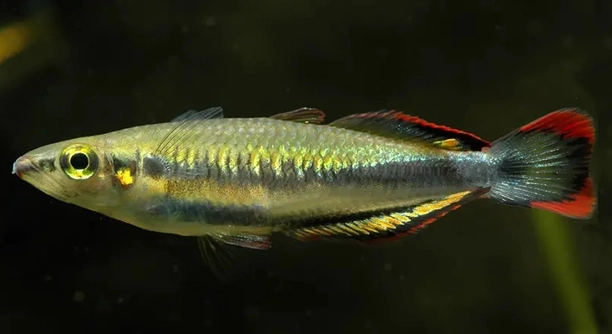
Rainbowfish are colorful and lively additions to any freshwater aquarium. Their health depends greatly on what they eat, and even small dietary mistakes can lead to serious problems over time for these delicate fish.
Feeding rainbowfish inappropriate foods can disrupt their digestion, stunt growth, and cause illness. Certain human foods, fatty items, and improper fish foods are particularly harmful. Maintaining a diet suited to their natural needs is essential for their long-term well-being.
Knowing which foods to avoid will help keep your rainbowfish healthy and vibrant, ensuring they thrive in a safe and balanced environment.
Foods High in Fat
Rainbowfish should avoid foods high in fat, such as fried snacks or fatty meats. Their digestive systems are not designed to process these items, which can lead to sluggishness, obesity, and organ strain over time. Even small amounts of fatty food can accumulate, affecting their overall health and activity levels. It’s important to focus on foods that provide balanced nutrients instead of unnecessary fats. Fatty foods may also pollute the tank more quickly, causing water quality issues that further stress the fish. Natural foods and high-quality commercial fish foods are better choices for maintaining their vibrant colors and energy. Consistency in feeding the right diet supports growth and strengthens their immune system. Observing how your rainbowfish respond to their meals can help ensure they remain healthy and lively. Avoiding fatty foods is a simple step that has a significant impact on their long-term health and tank environment.
High-fat foods are dangerous even in small amounts, as they can impair digestion and overall health.
By limiting fat intake and providing proper nutrition, your rainbowfish will show improved activity, stronger coloration, and a lower risk of illness, creating a healthier aquarium environment for all aquatic life.
Human Food Items
Human food items such as bread, chips, or cooked rice are not suitable for rainbowfish. These foods can expand in their stomachs, cause bloating, and disrupt digestion. Even foods that seem harmless can introduce salts, oils, or additives that are toxic to fish. Bread and other starchy items offer no nutritional benefit and may encourage unhealthy bacterial growth in the tank. Small treats may seem harmless, but over time, they can lead to severe health problems. Feeding only fish-appropriate foods ensures they get the vitamins, minerals, and proteins needed for strong growth and vibrant coloration. Processed human foods also risk altering water quality, which is critical for rainbowfish survival. Clean, fresh water and balanced fish food are far safer and more beneficial. Keeping human food away from the tank prevents digestive issues, strengthens immunity, and maintains a stable aquatic environment. Prioritizing proper nutrition is essential for long-term health and vitality.
Avoiding human foods protects their digestive system and maintains water quality in the aquarium.
Consistently feeding rainbowfish high-quality commercial foods or natural aquatic diets ensures they remain active, colorful, and less prone to illness. This approach prevents bloating, nutrient deficiencies, and stress caused by unsuitable foods, supporting their overall well-being. Proper feeding routines also reduce waste accumulation, keeping the tank cleaner and safer for all fish. Observing their eating habits allows adjustments to meet nutritional needs, helping them thrive in a controlled and healthy environment.
Iceberg Lettuce and Similar Vegetables
Iceberg lettuce and similar watery vegetables offer little nutritional value for rainbowfish. They can fill the stomach without providing essential proteins or vitamins, potentially causing malnutrition over time if fed regularly.
While leafy vegetables like spinach or kale can be healthy in small amounts, iceberg lettuce is mostly water and fiber, which rainbowfish cannot efficiently digest. Feeding these types of vegetables may lead to bloating or poor nutrient absorption. Over time, relying on watery vegetables can stunt growth and reduce overall vitality. Rainbowfish require protein-rich foods and well-balanced flakes or pellets to maintain proper health and coloration. Even occasional servings of iceberg lettuce can dilute their diet, making it less effective for sustaining energy and immune function. Proper feeding ensures they thrive and remain active, avoiding unnecessary digestive stress from unsuitable vegetables. Choosing nutrient-dense foods helps them maintain bright colors and strong swimming performance.
Avoid iceberg lettuce to prevent digestive issues and nutrient deficiencies in your rainbowfish.
Providing balanced fish food instead of watery vegetables supports growth, immune health, and consistent energy, keeping your rainbowfish lively and vibrant. Over time, this diet ensures long-term well-being and reduces tank water contamination caused by decomposing plant matter. High-quality flakes, pellets, or small amounts of protein-rich live food are far more beneficial, supplying essential amino acids and vitamins for their development. Observing their response to appropriate foods helps confirm they are healthy and active, while also preventing the slow decline caused by unsuitable plant-based treats.
Citrus Fruits and Acidic Foods
Citrus fruits and acidic foods can irritate a rainbowfish’s digestive tract and affect water chemistry in the tank. High acidity disrupts pH balance, which can stress fish and make them more prone to illness.
Feeding slices of lemon, orange, or grapefruit can change the acidity of the water, which rainbowfish are highly sensitive to. Even small amounts of acidic food can harm their gills and stomach lining, leading to lethargy, loss of appetite, and poor growth. These fruits do not provide nutrients suitable for rainbowfish, making them unnecessary and potentially dangerous. Regular exposure to acidic foods can also reduce natural coloration and weaken the immune system. Maintaining a neutral pH environment with proper fish food avoids these problems and ensures long-term health and vitality.
Avoid citrus and other acidic foods entirely to maintain stable water chemistry and proper digestive health.
Consistently offering fish-appropriate diets helps rainbowfish grow, remain colorful, and avoid digestive irritation. Using high-quality flakes, pellets, or live food preserves their natural energy levels and prevents stress caused by unsuitable acidic items. Proper feeding practices maintain tank water quality, keeping all fish healthier. Observing their behavior confirms they are thriving while preventing pH fluctuations that can harm their environment. Balanced nutrition is critical for sustained health and vibrant colors in rainbowfish.
Raw Potatoes
Raw potatoes are not suitable for rainbowfish. They contain compounds that are difficult to digest and can be mildly toxic, leading to digestive upset and reduced appetite if consumed.
Even small pieces of raw potato can swell in the digestive tract, causing bloating or discomfort. Cooking does not always remove harmful compounds completely, so it is safest to avoid potatoes altogether. Rainbowfish require protein-rich and nutrient-dense foods to maintain health, energy, and vibrant colors. Feeding inappropriate foods like raw potatoes can stunt growth and increase vulnerability to disease. Sticking to proper fish food prevents unnecessary stress on their digestive system and helps them thrive consistently in the tank environment.
Chocolate and Sweets
Chocolate and sugary foods are highly toxic to rainbowfish. Even minimal exposure can affect their metabolism, leading to severe health problems, including organ failure and death. Rainbowfish should never be fed desserts, candy, or any food containing cocoa or added sugar, as these are not digestible and disrupt their natural diet. Providing sweet foods can alter water quality, encourage harmful bacteria growth, and negatively impact their behavior. Maintaining a strict separation from human treats ensures their health and longevity. Proper feeding with appropriate fish food protects their digestive system, supports immune function, and preserves natural coloration and energy levels.
Raw Meat
Raw meat can carry harmful bacteria and parasites that rainbowfish cannot handle. Feeding it increases the risk of infections and digestive problems. Rainbowfish thrive on small, high-protein items specifically designed for fish, such as flakes, pellets, or live food. Raw meat lacks the nutrients they need and may introduce harmful microorganisms. Even occasional feeding can compromise their health and stress the immune system. Sticking to safe, fish-appropriate protein sources ensures they remain active, healthy, and colorful. Avoiding raw meat entirely reduces the risk of disease, tank contamination, and long-term health issues, providing a stable environment for growth and vitality.
Dairy Products
Dairy products are unsuitable for rainbowfish because they are difficult to digest and can cause digestive distress. Milk, cheese, or yogurt should never be introduced to their diet, as fish cannot process lactose.
FAQ
What happens if I accidentally feed my rainbowfish the wrong food?
If a rainbowfish eats an unsuitable food once, it usually recovers without serious problems. Occasional exposure to fatty foods, human snacks, or vegetables like iceberg lettuce may cause temporary digestive upset, bloating, or reduced activity. However, repeated feeding of harmful items can lead to chronic health issues, poor coloration, stunted growth, and a weakened immune system. Observing your fish for changes in behavior or appetite after an accidental feeding helps determine if intervention is needed. Ensuring their diet returns immediately to balanced, fish-appropriate foods supports recovery and long-term health.
Can rainbowfish eat fruits like apples or bananas?
Rainbowfish should not consume fruits such as apples, bananas, or other sweet produce. These foods are too high in sugar and fiber, which they cannot digest properly. Feeding fruits can cause bloating, disrupt nutrient absorption, and affect water quality in the tank. Even small portions may introduce acidity or sugars that interfere with their digestive systems and overall health. Proper nutrition comes from commercial fish food, high-quality flakes, pellets, or occasional live foods like brine shrimp. Avoiding fruit ensures rainbowfish remain active, maintain natural coloration, and grow healthily without stress from inappropriate dietary items.
Is it safe to feed rainbowfish cooked vegetables?
Some cooked vegetables, like peas or spinach, can be safe in moderation if they are soft and free of seasoning. Avoid starchy or watery vegetables like potatoes or iceberg lettuce. Cooked vegetables should be finely chopped to prevent choking and aid digestion. They provide fiber and some vitamins but should never replace protein-rich fish food. Feeding rainbowfish primarily vegetables can lead to nutrient deficiencies, weaker immunity, and slower growth. Using vegetables as an occasional supplement, alongside flakes, pellets, or live food, helps maintain a balanced diet and ensures the fish stay healthy, active, and colorful.
Can rainbowfish eat live or frozen food instead of flakes?
Yes, live and frozen foods can supplement flakes or pellets effectively. Foods like brine shrimp, daphnia, or bloodworms provide protein, stimulate natural hunting behavior, and support growth. They are particularly useful for young or breeding rainbowfish that need higher nutrient intake. Frozen foods must be thawed and rinsed to remove preservatives, while live foods should be sourced carefully to avoid introducing parasites. A combination of high-quality commercial fish food and occasional live or frozen items ensures proper nutrition, enhances coloration, and keeps the fish active. Relying solely on live food, however, can create dietary imbalances.
How often should rainbowfish be fed each day?
Rainbowfish should generally be fed small portions two to three times a day. Overfeeding increases the risk of obesity, digestive issues, and water contamination. Each feeding should consist of only what the fish can consume within two to three minutes. Uneaten food should be removed promptly to maintain water quality. Consistent, moderate feeding supports healthy growth, vibrant colors, and active behavior. Adjustments can be made depending on the age, size, and activity level of your rainbowfish. Maintaining a routine reduces stress and prevents nutritional imbalances, ensuring long-term well-being and a cleaner tank environment.
Can I feed rainbowfish table scraps or leftovers?
Table scraps and leftovers are unsafe for rainbowfish. Foods intended for humans often contain spices, oils, salt, and other additives that fish cannot process. These items may cause digestive distress, poisoning, or long-term organ damage. Leftovers also decay quickly in water, reducing quality and increasing the risk of bacterial growth. Feeding only fish-appropriate food is the safest approach. High-quality flakes, pellets, and occasional live or frozen foods provide the necessary proteins, vitamins, and minerals. Avoiding table scraps keeps rainbowfish healthy, active, and colorful while preventing tank contamination and unnecessary stress on their digestive systems.
What signs indicate my rainbowfish ate something harmful?
Symptoms of feeding rainbowfish inappropriate foods include bloating, lethargy, reduced appetite, faded coloration, or unusual swimming behavior. Digestive upset may lead to floating near the surface or struggling to swim. Water quality may also decline quickly if uneaten food remains in the tank. Immediate removal of harmful food and returning to a proper diet is essential. Observing closely over the next 24 to 48 hours helps determine whether professional intervention is needed. Maintaining a clean tank, balanced nutrition, and proper feeding routines prevents most dietary issues and keeps rainbowfish healthy, active, and vibrant in appearance.
Can rainbowfish adapt to new foods easily?
Rainbowfish can adapt gradually to new foods, but sudden changes may cause stress or digestive issues. Transitioning slowly, mixing small amounts of the new food with familiar flakes or pellets, helps them adjust. Observation during this period is important to ensure they accept the food and maintain normal behavior. Gradual adaptation ensures they receive proper nutrition, preserve vibrant coloration, and avoid health complications. Sudden introduction of unsuitable items, however, can have adverse effects, emphasizing the importance of careful feeding practices and gradual diet adjustments to support overall well-being.
Are freeze-dried foods safe for rainbowfish?
Freeze-dried foods, such as bloodworms or brine shrimp, are generally safe and nutritious if properly prepared. They are convenient, high in protein, and preserve essential nutrients. Before feeding, they should be soaked in water to prevent digestive issues and ensure easier consumption. Overfeeding freeze-dried foods can cause bloating or constipation, so moderation is key. Combining freeze-dried items with flakes or pellets ensures a balanced diet and supports growth, coloration, and activity. Careful handling, proper storage, and moderation help maintain the health and longevity of rainbowfish, making freeze-dried foods a useful addition to their diet.
Rainbowfish are delicate and beautiful fish that require careful attention to their diet. Providing them with the right foods is essential for their overall health, growth, and coloration. Many common human foods and some vegetables, fruits, or fatty items can be harmful if fed to rainbowfish, even in small amounts. Their digestive systems are not equipped to handle these types of foods, and repeated exposure can lead to serious health problems over time. By focusing on high-quality flakes, pellets, and occasional live or frozen foods, you can ensure that rainbowfish receive the nutrients they need to thrive. Maintaining a consistent feeding routine with appropriate portions also prevents overfeeding and keeps the aquarium environment clean, reducing stress on the fish. Proper nutrition supports not only their physical health but also their energy levels and activity, helping them swim actively and display vibrant coloration.
It is also important to recognize the impact of certain foods on water quality. Foods that are inappropriate for rainbowfish often break down quickly in water, increasing ammonia and nitrate levels. This can lead to poor water conditions, which stress the fish and make them more susceptible to illness. Avoiding high-fat foods, human snacks, citrus fruits, raw meat, dairy, and watery vegetables helps maintain a balanced and stable environment. Observing the fish regularly allows you to detect early signs of digestive problems or health changes caused by diet. Taking preventive steps with careful feeding and monitoring will ensure that rainbowfish remain healthy over the long term. Feeding only foods designed for their nutritional needs also reduces waste accumulation and keeps tank maintenance manageable, allowing the fish to live comfortably in a stable habitat.
Focusing on proper diet practices is a simple but effective way to support rainbowfish health. By avoiding foods that cause digestive stress, nutrient deficiencies, or water contamination, you help them maintain strong immunity, growth, and natural coloration. Consistent care and attention to diet reinforce healthy behavior and activity levels, while also protecting them from preventable illnesses. Rainbowfish respond positively to balanced nutrition, showing improved swimming performance, vibrant colors, and overall vitality. Prioritizing their dietary needs is one of the most significant actions you can take to ensure long-term well-being and a thriving aquarium environment. Providing the right foods consistently, observing their response, and adjusting as needed ensures your rainbowfish live a healthy, active, and visually stunning life.

Hello,
If you enjoy the content that we create, please consider saying a "Thank You!" by leaving a tip.
Every little bit helps us continue crafting quality advice that supports the health, happiness, and well-being of pets around the world, for pets of all shapes, sizes, and species.
We really appreciate the kindness and support that you show us!