
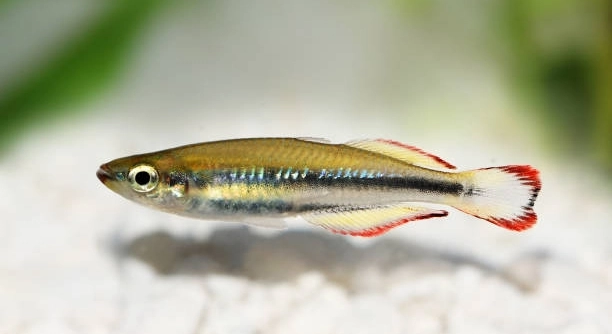
Do you ever set up a rainbowfish tank with high hopes, only to notice your fish looking stressed or the water cloudy? Managing a tank can be tricky, even for those who enjoy caring for fish.
Many beginner mistakes with rainbowfish tanks stem from improper water conditions, overcrowding, and incorrect feeding. Maintaining stable temperature, pH balance, and adequate space is critical to ensuring the health, growth, and vibrant colors of these freshwater species.
Knowing these common errors early can prevent stress for your fish and help you enjoy a thriving, colorful aquarium environment.
Overcrowding the Tank
Many beginners make the mistake of adding too many rainbowfish to a single tank. It is tempting to fill the aquarium with colorful fish, but overcrowding can quickly lead to stress, aggression, and poor water quality. Rainbowfish are active swimmers and need space to move freely. Without enough room, they may exhibit dull colors or become less active. Overcrowding also increases waste production, making it harder to maintain stable water conditions. Filters can only do so much, and ammonia or nitrate levels can rise faster than expected. A good rule of thumb is one inch of fish per gallon of water, but also consider the adult size of each species. Regular observation is essential to ensure the fish are healthy and behaving naturally. Providing enough swimming space and hiding spots will reduce stress and encourage natural behaviors. Proper stocking levels create a healthier, more balanced environment for your rainbowfish to thrive.
Overcrowding not only stresses fish but also makes maintaining water quality more challenging, leading to long-term health problems.
Giving rainbowfish enough space ensures they swim freely, display vibrant colors, and interact naturally. Thoughtful stocking keeps the tank balanced and manageable.
Ignoring Water Parameters
Water conditions play a crucial role in rainbowfish health. Beginners often overlook pH, temperature, and hardness, assuming tap water is sufficient. Rainbowfish thrive in stable water with a pH between 6.5 and 7.5, moderate hardness, and temperatures ranging from 72 to 82°F. Sudden changes can shock the fish, leading to illness or death. Regular testing and small, gradual adjustments maintain a safe environment. Filtration and partial water changes help control nitrate and ammonia levels, but consistency is key. Neglecting these details may result in stress, faded colors, or fin damage. Understanding the specific needs of your species ensures their long-term well-being. Observing your fish daily for changes in behavior or appearance is essential. Setting up a routine for testing water and monitoring fish will prevent small issues from becoming major problems. Even slight negligence can quickly affect the overall health of your rainbowfish tank.
Consistently monitoring water conditions protects rainbowfish from stress and illness while promoting vibrant colors and natural behavior patterns.
Proper attention to water parameters prevents sudden health issues and allows your fish to thrive. Balancing pH, temperature, and hardness creates a stable, healthy environment. Small, regular changes and careful observation maintain optimal conditions, ensuring long-term success and fewer problems in your tank.
Overfeeding Rainbowfish
Overfeeding is a common mistake that can harm rainbowfish. Excess food leads to poor water quality and can cause obesity or digestive issues in the fish. Feeding small portions and removing uneaten food helps maintain a clean tank.
Providing the right amount of food is critical for rainbowfish health. They should be fed once or twice daily, giving only what they can consume in a few minutes. Overfeeding increases waste in the tank, which can raise ammonia and nitrate levels quickly. This affects water quality, stressing the fish and making them more susceptible to disease. Using a varied diet of flakes, pellets, and occasional live or frozen foods keeps them healthy. Monitoring how much the fish eat ensures that food is not left to decompose in the water. A consistent feeding schedule also encourages natural behavior and active swimming, supporting overall well-being.
Removing leftover food after feeding prevents water contamination and reduces the risk of algae growth. It is a simple step that maintains stability in the tank and promotes vibrant, healthy fish.
Using the Wrong Tank Decorations
Many beginners choose decorations without considering their effect on water flow or fish safety. Sharp or rough objects can injure rainbowfish. Smooth rocks, driftwood, and plants provide hiding spots and swimming areas while minimizing risk.
Decorations influence both the physical environment and the mental well-being of rainbowfish. They need open space for swimming along with hiding spots to reduce stress. Dense or poorly placed decorations can restrict movement and increase territorial disputes among fish. Live plants improve water quality by absorbing nitrates and creating natural shelter. Artificial plants or smooth ornaments work too, but avoid rough or sharp edges that may tear fins. Arranging decorations thoughtfully allows for swimming paths while creating areas for fish to rest or hide when stressed. Rotating or occasionally rearranging decorations can stimulate natural exploration and activity. Ensuring decorations are securely placed prevents accidental injury or damage.
Decorations should balance aesthetics with safety, allowing rainbowfish to swim freely while providing shelter. Smooth, well-placed objects create a functional and appealing habitat that supports both health and natural behavior.
Skipping Regular Water Changes
Skipping water changes is a mistake that quickly affects rainbowfish health. Waste and uneaten food build up, causing ammonia and nitrate levels to rise. Regular partial water changes keep the tank clean and fish healthy.
Consistent water changes maintain stable water conditions. Changing 20-25% of the water weekly removes toxins, replenishes minerals, and prevents algae overgrowth. Neglecting this step stresses fish and can lead to disease or faded colors.
Ignoring Compatible Tank Mates
Rainbowfish do best with peaceful species that share similar water requirements. Aggressive or very small fish can cause stress, bullying, or predation, affecting overall tank harmony.
Not Acclimating New Fish
Introducing new rainbowfish too quickly can shock them. Gradual acclimation to tank water reduces stress, helping fish adjust safely to their new environment.
How often should I feed my rainbowfish?
Rainbowfish should be fed once or twice a day with only the amount they can consume in two to three minutes. Overfeeding leads to excess waste, poor water quality, and digestive issues. A varied diet of flakes, pellets, and occasional live or frozen foods supports their health and coloration. Observing their eating habits helps ensure that all fish are getting enough food without leaving uneaten portions behind.
What is the ideal tank size for rainbowfish?
Rainbowfish are active swimmers and need space to move freely. A tank of at least 30 gallons is recommended for small species, with additional space for each added fish. Overcrowding causes stress, dull colors, and aggressive behavior. Providing open swimming areas along with hiding spots creates a balanced environment. Proper stocking and monitoring fish behavior ensures the tank remains comfortable and healthy for all inhabitants.
How do I maintain proper water conditions?
Stable water parameters are crucial for rainbowfish health. Aim for a pH between 6.5 and 7.5, moderate hardness, and temperatures ranging from 72 to 82°F. Sudden changes can shock the fish, leading to illness or death. Regular testing of pH, hardness, and nitrate levels helps detect problems early. Partial water changes of 20-25% weekly remove toxins and replenish essential minerals. A reliable filtration system, combined with consistent maintenance, ensures a stable and healthy aquatic environment for rainbowfish.
What are signs of stress in rainbowfish?
Rainbowfish display stress through faded colors, clamped fins, reduced activity, and hiding more than usual. Aggression between fish or frequent attempts to escape the tank may also indicate stress. Poor water quality, overcrowding, and incompatible tank mates are common causes. Monitoring these behaviors early allows intervention, such as adjusting water conditions, reducing overcrowding, or providing additional hiding spaces to improve overall well-being.
Can rainbowfish live with other fish?
Rainbowfish are peaceful and do best with compatible tank mates that share similar water needs. Avoid aggressive species or very small fish that may be bullied or eaten. Providing enough space and hiding spots reduces stress and promotes harmony in the tank. Observation after introducing new fish ensures compatibility and prevents conflicts that could harm the rainbowfish or other inhabitants.
How do I acclimate new rainbowfish to my tank?
New rainbowfish should be introduced gradually to prevent shock. Float the sealed bag in the tank for 15-20 minutes to equalize temperature. Slowly add small amounts of tank water to the bag over 30-60 minutes to adjust to pH and hardness. Once acclimated, gently release the fish into the tank, avoiding sudden changes that could cause stress or illness. Observing new arrivals closely for signs of distress ensures a smooth transition.
What is the best way to prevent algae growth?
Algae can thrive in tanks with excess nutrients and light. Avoid overfeeding, perform regular water changes, and maintain proper filtration. Controlling light exposure and adding live plants can reduce algae by competing for nutrients. Cleaning decorations and the tank walls regularly keeps algae under control while maintaining a healthy environment for rainbowfish.
How can I keep rainbowfish colors vibrant?
Vibrant colors depend on proper nutrition, stable water conditions, and reduced stress. Feed a balanced diet with high-quality flakes, pellets, and occasional live foods. Avoid overcrowding and maintain consistent water parameters. Providing open swimming space and minimal disturbances encourages natural behavior, allowing rainbowfish to display their full color potential.
How often should I test my tank water?
Testing water weekly is recommended for ammonia, nitrite, nitrate, pH, and hardness. Early detection of imbalances prevents stress and illness. Consistent monitoring helps maintain stable conditions, ensuring rainbowfish remain healthy and active. Adjustments should be gradual to avoid shocking the fish.
Can I keep rainbowfish in a planted tank?
Yes, rainbowfish thrive in planted tanks. Plants provide hiding spots, reduce stress, and improve water quality by absorbing nitrates. Both live and artificial plants can work, but live plants offer additional benefits like oxygenation and natural filtration. Arrange plants to create open swimming areas while allowing shelter.
How do I know if my tank is overstocked?
Signs of overstocking include constant fighting, hiding, rapid waste accumulation, cloudy water, and poor fish coloration. Calculating fish size and tank volume helps prevent overcrowding. Proper stocking ensures each fish has adequate swimming space and reduces stress-related issues. Observing fish behavior regularly can indicate whether adjustments are needed.
How long do rainbowfish typically live?
With proper care, rainbowfish can live 5 to 8 years, depending on species. Maintaining stable water conditions, providing adequate space, feeding a balanced diet, and monitoring health are essential for longevity. Regular observation and prompt intervention for health issues help ensure a long, vibrant life.
What is the best way to introduce multiple rainbowfish at once?
Introduce several fish simultaneously to reduce territorial aggression. Ensure the tank has enough swimming space and hiding spots. Gradual acclimation and careful observation prevent stress and injuries. Adding new fish in groups promotes balanced social behavior and minimizes conflicts.
How do I prevent fin damage in rainbowfish?
Fin damage often occurs from sharp decorations, aggressive tank mates, or poor water quality. Use smooth ornaments, monitor fish interactions, and maintain stable water parameters. Prompt treatment of any injuries prevents infections and ensures healthy, intact fins.
What should I do if a fish appears sick?
Isolate sick fish in a separate tank to prevent disease spread. Test water parameters and check for signs of illness such as clamped fins, lethargy, or discoloration. Treat with appropriate medication based on symptoms and maintain clean, stable water conditions to support recovery.
Are rainbowfish sensitive to sudden changes in environment?
Rainbowfish are highly sensitive to rapid changes in temperature, pH, or water hardness. Sudden shifts can cause stress or illness. Gradual adjustments, proper acclimation, and careful monitoring ensure fish adapt safely to new conditions.
Can I keep rainbowfish in a community tank?
Yes, as long as tank mates are peaceful and have similar water requirements. Avoid aggressive or very small species. Provide ample space and hiding spots to maintain harmony. Observing interactions ensures a balanced and stress-free environment for all fish.
Do rainbowfish require special lighting?
Rainbowfish do not need special lighting, but moderate, consistent light enhances coloration and supports plant growth. Avoid overly bright or constant light, which can stress fish and promote excessive algae growth. A regular day-night cycle helps maintain natural behavior patterns.
Is it necessary to quarantine new fish?
Quarantining new fish for at least two weeks reduces the risk of introducing disease into the main tank. Monitor health, test water, and treat if necessary. Quarantine prevents stress and protects existing fish from infections or parasites.
How important is tank maintenance for rainbowfish?
Regular maintenance is essential. Water changes, filter cleaning, decoration checks, and monitoring water parameters keep rainbowfish healthy. Neglecting maintenance leads to stress, disease, and poor coloration. Consistent care ensures a stable, thriving environment.
What foods bring out rainbowfish colors best?
High-quality flakes and pellets designed for color enhancement, along with live or frozen foods like brine shrimp, daphnia, or bloodworms, support vibrant hues. Variety in diet ensures optimal health and natural coloration without overfeeding.
Can rainbowfish tolerate slightly different water conditions?
Rainbowfish are somewhat adaptable but prefer stable water parameters. Minor variations are tolerated temporarily, but long-term changes can cause stress, color fading, and increased susceptibility to disease. Maintaining consistent conditions is the safest approach.
How do I encourage natural behavior in rainbowfish?
Providing open swimming space, hiding spots, compatible tank mates, and varied feeding promotes natural schooling, foraging, and exploration behaviors. Avoid overcrowding and sudden disturbances to maintain calm and active fish.
Are rainbowfish sensitive to noise or vibrations?
Yes, loud noises or vibrations can stress rainbowfish. Placing the tank in a quiet, stable area minimizes stress. Observing reactions to disturbances helps identify and reduce environmental stressors.
How do I prevent aggressive behavior among rainbowfish?
Aggression often results from overcrowding or incompatible tank mates. Maintain adequate space, introduce fish simultaneously, and provide hiding spots. Monitoring interactions allows intervention before conflicts escalate.
Can I keep different species of rainbowfish together?
Yes, but ensure species have similar water requirements and adult sizes. Mixing incompatible species can lead to stress or aggression. Adequate space and careful observation maintain a peaceful, balanced tank.
What is the best filter type for rainbowfish tanks?
A filter that provides moderate water flow and efficient mechanical and biological filtration is ideal. Overly strong currents can stress rainbowfish, while poor filtration leads to water quality issues. Regular cleaning maintains efficiency and ensures a stable environment.
How can I reduce stress when moving fish?
Transport fish in a secure container with water from their original tank. Avoid sudden temperature changes, excessive handling, and prolonged exposure outside the tank. Gradually acclimate them to the new environment to minimize stress and health risks.
Do rainbowfish require special water additives?
Generally, no additives are needed if water parameters are stable and clean. Trace elements and minerals can be added if deficiencies are detected. Avoid unnecessary chemicals, which may stress fish or disrupt balance.
How do I keep my rainbowfish tank balanced long-term?
Consistent water changes, proper feeding, monitoring water parameters, maintaining decorations, and observing fish behavior are key. Balance ensures healthy growth, vibrant colors, and active, stress-free fish. Adjustments should be gradual to maintain stability and prevent sudden shocks.
Can rainbowfish breed in a home aquarium?
Yes, given stable water conditions, adequate space, and proper diet. Providing plants or spawning mops allows egg laying. Removing eggs or separating fry may be necessary to prevent predation. Monitoring breeding behavior ensures successful reproduction.
How do I handle water temperature fluctuations?
Use a reliable heater and thermometer to maintain stable temperatures. Sudden drops or spikes cause stress. Gradual adjustments are necessary when acclimating new fish or making changes to the tank environment.
Is it normal for rainbowfish to jump?
Rainbowfish are active swimmers and may jump. A secure lid prevents escape and reduces injury. Providing sufficient swimming space and stable water conditions can minimize jumping behavior.
How can I improve rainbowfish health naturally?
Stable water parameters, balanced diet, regular maintenance, and stress reduction support natural immunity. Avoid overcrowding, monitor fish behavior, and provide a clean, safe environment to keep rainbowfish healthy without relying on medications.
Are rainbowfish compatible with shrimp or snails?
Many species coexist with peaceful shrimp and snails, but small or slow-moving shrimp may be eaten. Snails generally fare better. Adequate hiding spaces and observation help ensure compatibility and protect vulnerable tank inhabitants.
What are common diseases in rainbowfish?
Ich, fin rot, and fungal infections are frequent issues. Stress, poor water quality, and injuries increase susceptibility. Prompt identification and treatment, along with maintaining clean, stable conditions, prevent serious outbreaks.
How often should I clean the filter?
Clean the filter every 3-4 weeks, or as needed based on debris buildup. Avoid complete media replacement to preserve beneficial bacteria. Proper cleaning maintains water quality and reduces stress on rainbowfish.
Can rainbowfish live in hard water?
Yes, most species tolerate moderately hard water. Sudden changes or extreme hardness can cause stress. Monitor water parameters and maintain stable conditions for optimal health.
How do I reduce nitrate levels naturally?
Partial water changes, live plants, and avoiding overfeeding help lower nitrates. Proper filtration and routine maintenance prevent accumulation, promoting a healthier tank environment.
Should I rearrange decorations frequently?
Occasional rearrangement stimulates exploration but avoid drastic changes, which stress rainbowfish. Maintain open swimming areas while providing consistent hiding spots. Gradual adjustments encourage natural behavior without disruption.
Can rainbowfish tolerate community tank light schedules?
Yes, a regular day-night cycle of 8-10 hours supports natural activity and coloration. Avoid prolonged or overly bright light, which stresses fish and encourages algae growth.
How do I handle sudden fish deaths?
Remove the deceased fish immediately, test water parameters, and observe remaining fish for stress or disease. Investigate possible causes to prevent further losses and maintain tank stability.
Are rainbowfish sensitive to pH swings?
Yes, sudden changes in pH can stress or harm rainbowfish. Maintain stable conditions and make gradual adjustments when necessary to prevent health problems.
What is the best way to quarantine plants?
Rinse new plants, inspect for pests or algae, and optionally dip in a mild disinfectant or bleach solution. Quarantine prevents introducing diseases or parasites into the main tank.
Can I use tap water directly for rainbowfish?
Tap water should be treated to remove chlorine and chloramine. Testing for hardness and pH ensures compatibility. Proper preparation prevents stress and health issues.
How can I encourage schooling behavior?
Keep rainbowfish in groups of at least six to support natural schooling. Providing open swimming areas and minimal disturbances allows coordinated movement and reduces stress.
Is frequent water testing necessary for small tanks?
Yes, smaller volumes are more prone to rapid parameter changes. Weekly testing for ammonia, nitrites, nitrates, and pH ensures stability and prevents stress or disease.
What temperature range is safest for rainbowfish?
Maintain 72-82°F for most species. Consistent temperatures prevent stress, support immune function, and promote vibrant coloration. Sudden changes should be avoided to protect health.
Do rainbowfish need a separate breeding tank?
While optional, a separate breeding tank increases fry survival. Spawning mops or plants allow eggs to develop safely, reducing predation by adults. Proper preparation supports successful breeding.
How can I minimize stress during tank cleaning?
Clean decorations, substrate, and filters carefully, avoiding sudden water changes or excessive disturbance. Partial water changes and gentle handling reduce stress and maintain stable conditions for rainbowfish.
Can rainbowfish adapt to slightly cooler water?
Minor temperature drops are tolerated temporarily, but long-term exposure to cooler water slows metabolism, reduces activity, and may compromise immune function. Consistent temperature control is recommended.
How important is aeration for rainbowfish tanks?
Aeration improves oxygen levels and water circulation. While not always critical with moderate flow and live plants, additional aeration benefits active fish and helps maintain stable water quality.
Do rainbowfish need dark hiding areas?
Yes, shaded spots or dense plants reduce stress and allow rest. Adequate hiding spaces contribute to natural behavior, healthier fish, and improved coloration.
How do I prevent disease outbreaks?
Maintain clean water, stable parameters, proper diet, and quarantine new fish. Regular observation and prompt treatment of minor health issues prevent widespread disease.
Are rainbowfish sensitive to medications?
Yes, some treatments can stress or harm rainbowfish. Use only species-safe medications, follow instructions carefully, and monitor fish closely during treatment.
What is the best way to transport rainbowfish?
Use a secure, oxygenated container, avoid temperature shocks, and minimize handling. Gradual acclimation to new water reduces stress and ensures safe transport.
How do I maintain long-term water stability?
Consistent partial water changes, monitoring parameters, proper filtration, and avoiding overstocking maintain stability. Gradual adjustments prevent sudden stress or chemical swings.
Can rainbowfish coexist with small catfish?
Generally yes, as long as catfish are peaceful and occupy different tank areas. Ensure enough space and hiding spots for all species to prevent conflict.
How do I know if my fish are getting enough food?
Monitor eating behavior during feedings. All fish should eat quickly, leaving minimal leftover food. Adjust portion sizes if some fish remain hungry or excess food remains after feeding.
Are rainbowfish sensitive to water flow?
Yes, overly strong currents can stress them. Moderate flow allows natural swimming and proper filtration without causing fatigue or agitation.
How can I prevent color fading in rainbowfish?
Stable water parameters, proper diet, reduced stress, and adequate space support vibrant colors. Avoid overcrowding, sudden changes, and poor nutrition.
Do rainbowfish need live plants for health?
Not required, but live plants improve water quality, provide hiding spots, and encourage natural behavior. They complement a balanced, well-maintained aquarium environment.
How can I tell if a tank is over-filtered?
Excessive water flow causing fish to struggle while swimming or hiding frequently may indicate over-filtration. Adjust flow to create comfortable swimming conditions without sacrificing filtration efficiency.
What is the role of substrate in a rainbowfish tank?
Substrate affects water chemistry, provides shelter for fry, and supports plants. Choose smooth, non-toxic materials to avoid injury and maintain a healthy environment.
How do I prevent ammonia spikes?
Regular partial water changes, proper stocking, careful feeding, and effective filtration prevent sudden ammonia increases, protecting fish health and water stability.
Can rainbowfish tolerate seasonal temperature changes?
Minor seasonal variations are tolerable if changes are gradual. Sudden shifts can stress fish. Maintain a consistent environment for optimal health and coloration.
What should I do if my rainbowfish stop schooling?
Check water quality, stocking levels, and tank conditions. Stress, illness, or overcrowding may disrupt schooling. Correcting environmental issues often restores natural behavior.
How do I maintain stable pH long-term?
Use buffering substrates or additives as needed, avoid sudden water changes, and monitor regularly. Gradual adjustments maintain stability and reduce stress on rainbowfish.
Are rainbowfish sensitive to vibrations?
Yes, constant or strong vibrations can cause stress, hiding, and erratic swimming. Place the tank on a stable surface in a low-traffic area.
How do I prevent nitrate accumulation?
Regular partial water changes, avoiding overfeeding, maintaining plants, and proper filtration reduce nitrate buildup, keeping water safe and fish healthy.
Can rainbowfish tolerate slightly brackish water?
Most rainbowfish prefer freshwater. Minor brackish conditions may stress them and should be avoided unless the species naturally tolerates it. Maintaining stable freshwater is safest.
How do I handle sudden algae outbreaks?
Reduce feeding, perform partial water changes, clean surfaces, and consider adding live plants or algae-eating species. Maintain proper lighting to prevent recurrence.
Is it necessary to monitor hardness for rainbowfish?
Yes, moderate hardness supports health and coloration. Sudden changes or extremes can stress fish. Regular testing ensures a stable environment.
How do I maintain a balanced ecosystem with rainbowfish?
Proper stocking, regular maintenance, consistent water parameters, compatible tank mates, and varied diet support balance. Observation allows timely corrections, preventing long-term problems.
Can rainbowfish live in a tank without a lid?
No, they are active jumpers. A secure lid prevents escapes and injuries, maintaining safety for the fish and surrounding area.
How do I encourage natural foraging behavior?
Scatter small amounts of food throughout the tank, provide live or frozen options, and offer plants or hiding areas for exploration. This
Caring for rainbowfish requires attention, patience, and consistency. These vibrant fish thrive in stable environments with clean water, proper space, and a balanced diet. Many problems in beginner tanks arise from simple mistakes, such as overcrowding, overfeeding, or neglecting water parameters. Addressing these issues early can prevent stress, illness, and shortened lifespans. Consistently observing your fish and maintaining their tank creates a healthier, more enjoyable environment. A well-kept rainbowfish tank reflects careful planning and daily attention, which helps ensure that the fish remain active, colorful, and healthy over time. Taking the time to understand their specific needs is crucial for long-term success.
A major factor in keeping rainbowfish healthy is water quality. Regular testing for pH, hardness, ammonia, and nitrate levels ensures stability and reduces the risk of disease. Partial water changes remove toxins, replenish minerals, and support a balanced ecosystem. Proper filtration also plays a critical role, maintaining clean water and preventing waste accumulation. Temperature control is equally important, as sudden shifts can stress the fish and affect their immune system. By monitoring and adjusting these conditions, the tank becomes a secure and suitable home for rainbowfish. Small, consistent steps in maintenance prevent larger problems, making it easier to manage the aquarium effectively.
Rainbowfish also benefit from thoughtful tank arrangements and compatible tank mates. Providing open swimming spaces alongside hiding spots reduces stress and encourages natural behavior. Decorations should be safe, smooth, and non-toxic, while plants can improve water quality and offer shelter. Choosing peaceful fish species with similar water requirements prevents aggression and promotes harmony. Feeding routines should be measured and varied, offering high-quality flakes, pellets, or occasional live foods to support vibrant colors. By combining proper diet, water care, and tank design, you create a balanced environment that allows rainbowfish to thrive. Maintaining these practices consistently ensures that your aquarium remains a visually appealing and healthy habitat for years to come.

Hello,
If you enjoy the content that we create, please consider saying a "Thank You!" by leaving a tip.
Every little bit helps us continue crafting quality advice that supports the health, happiness, and well-being of pets around the world, for pets of all shapes, sizes, and species.
We really appreciate the kindness and support that you show us!