
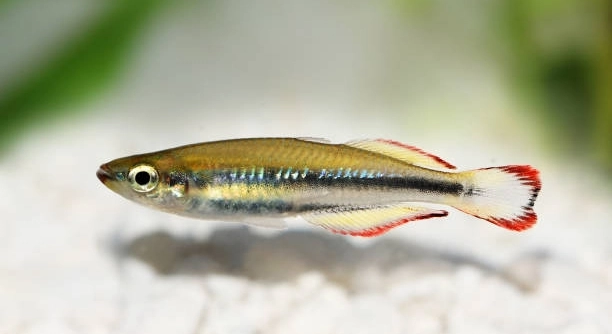
Caring for rainbowfish can reveal subtle changes in their behavior that suggest something is off, encouraging you to notice signs that may reflect emotional strain and a need for better support in their aquarium today.
Loneliness in rainbowfish often appears through reduced activity, fading coloration, or increased skittishness, all linked to insufficient social interaction. Providing compatible companions, improving environmental enrichment, and maintaining stable water conditions are essential steps to support their emotional balance and health.
These early clues reveal deeper patterns in your rainbowfish social needs, helping you create a stable and comforting aquatic environment.
Reduced Activity Levels
When a rainbowfish begins moving less than usual, it often signals that it feels isolated in its tank, creating a noticeable shift in its routine that can be easy to overlook until the pattern becomes consistent each day. Reduced swimming, lingering near corners, or slowly drifting around the aquarium often reflects a need for more social interaction with others of its kind. These fish thrive in groups, and when kept alone or in overcrowded spaces with incompatible tank mates, their behavior can change quickly. By observing these small details, you can catch early signs that something is not right and support your rainbowfish with simple adjustments. Adding compatible companions, improving environmental enrichment, and ensuring the tank offers enough open swimming space can help restore a sense of comfort. These steps may appear small, but they matter to a fish that depends heavily on social cues to feel balanced every day.
A rainbowfish that slows down often responds well to added companions and a more stimulating tank. Small adjustments create a calmer environment that brings back its natural rhythm. Consistent care helps your fish regain confidence and maintain steady activity that reflects its need for social stability in its daily routine.
Recognizing reduced activity early allows you to make changes that support your rainbowfish in a gentle and effective way. As schooling fish, they rely on group dynamics to maintain healthy energy levels, so isolation can influence behavior faster than you might expect. Creating a balanced environment with compatible companions, proper lighting, and enough space helps them feel secure. When you stay attentive to these subtle details, your rainbowfish can regain its natural vibrancy and settle comfortably into a routine that supports its well-being each day. Thoughtful care ensures your fish feels supported and understood in a calm and steady manner.
Faded Coloration
Color fading in rainbowfish often signals emotional strain linked to loneliness or unstable tank conditions. When their environment lacks stimulation or social contact, their appearance shifts quickly. Addressing lighting, water quality, and group size brings noticeable improvements that reflect stability and care in a simple yet effective way each day.
When a rainbowfish begins losing its bright colors, the shift often points to emotional stress that builds quietly over time, especially when the fish does not have enough social support from others of its species. These fish depend heavily on group interactions to feel stable, so any disruption in their environment can influence their appearance. Poor lighting, fluctuating water parameters, or a lack of compatible companions can lead to dull or uneven coloration that becomes more noticeable each day. Addressing this issue begins with creating a stable habitat that encourages natural behavior. A well-planted tank with open swimming areas allows your fish to move confidently without feeling exposed or overwhelmed. Maintaining consistent water conditions, offering balanced nutrition, and introducing appropriate tank mates strengthens their overall sense of security. Subtle environmental changes, like improving lighting or rearranging decor, can stimulate their interest and lift their mood. When these needs are met, rainbowfish often regain their bright hues and display more expressive movements that show comfort. Paying attention to color changes helps you catch early signs of stress and respond with gentle adjustments that support long-term well-being. Thoughtful care fosters a calm atmosphere that allows your rainbowfish to thrive with steady energy.
Increased Skittishness
Increased skittishness often appears when a rainbowfish feels unsure in its environment, reacting quickly to movement or sounds. This behavior usually reflects emotional strain caused by isolation or unstable tank conditions. Providing consistent care and proper social support can help your fish regain calm, steady reactions that show comfort daily.
Skittish behavior often develops when a rainbowfish feels exposed or unsupported within its tank, reacting to even minor disturbances with sudden movements. This response usually signals a need for stronger group presence and a more stable setup that allows the fish to feel safe. Creating a calm space with balanced lighting, steady filtration, and compatible companions reduces unnecessary stress. When a rainbowfish senses consistent structure in its environment, it begins to move with confidence rather than fear. Paying attention to these subtle changes helps you address concerns early, supporting your fish in a gentle way that restores emotional balance today.
Supporting a skittish rainbowfish begins with meeting its basic social needs, offering conditions that prevent isolation from shaping its behavior. These fish rely on group dynamics to understand their surroundings, so maintaining an appropriate school size is essential. A well-arranged tank with plants, open swimming room, and predictable care encourages steady movements. Reducing sudden changes, such as abrupt lighting shifts or loud disturbances, helps your fish feel grounded. Over time, consistent structure builds familiarity that reduces fear-driven reactions. When your rainbowfish feels secure, its movements become smoother and more expressive, showing comfort that reflects a supportive environment built with attention.
Social Withdrawal
Social withdrawal in rainbowfish often appears when they lack proper group interaction, spending long periods hiding or distancing themselves from other tank mates. This behavior usually reflects emotional strain linked to isolation, unstable conditions, or mismatched companions. Addressing this sign begins by creating a balanced setup that supports healthy schooling. Providing consistent lighting, steady water parameters, and suitable companions encourages your rainbowfish to reengage, helping it feel more secure and supported within its environment today.
When rainbowfish withdraw socially, the change often points to unmet needs that affect their comfort, especially in tanks that lack proper structure or balanced group numbers. These fish rely heavily on schooling behavior to feel stable, so a missing or incompatible group can influence their actions quickly. Improving the environment begins with evaluating space, lighting, and overall layout to ensure it supports natural movement without crowding or stress. Adding compatible companions can ease tension and promote steady interaction, allowing your rainbowfish to return to its usual patterns. Maintaining consistent feeding routines and predictable care also reduces uncertainty that may trigger isolation. Over time, these adjustments rebuild confidence and encourage active participation within the group. These changes help your rainbowfish regain stability with steady social behavior.
Lack of Interaction
Lack of interaction within the tank often makes rainbowfish appear detached, showing less interest in group movement and shared routines. This shift reflects emotional strain that builds quietly, especially when the fish does not receive enough social engagement to maintain steady comfort in its daily environment each and every day.
This behavior usually becomes more noticeable when tank conditions lack structure, leading the rainbowfish to withdraw from normal schooling patterns. Simple adjustments such as improving space, adding companions, and maintaining stable lighting often encourage natural interaction that helps restore calm behavior and renewed engagement within the group each new day.
Irregular Feeding Behavior
Loneliness can also cause irregular feeding behavior, making your rainbowfish eat less or lose interest in food altogether. This shift often reflects emotional strain linked to isolation, especially when the tank lacks proper stimulation or compatible companions. Improving feeding consistency begins with creating a stable environment that supports natural routines. Balanced lighting, predictable schedules, and a comfortable group size encourage your rainbowfish to approach meals with more confidence. Offering high quality food in small portions can also help rebuild interest without overwhelming the fish. When these needs are met, feeding becomes steady and reflects overall well-being in its daily routine.
Unusual Glass Surfing
Unusual pacing along the tank glass often indicates that your rainbowfish feels uneasy, moving in repetitive patterns that reflect stress. Creating a balanced space with consistent lighting, proper companions, and predictable care helps ease this behavior, encouraging steadier movement and a calmer presence throughout the day in its daily life.
FAQ
How can I tell if my rainbowfish is lonely or simply stressed?
Loneliness and general stress can look similar, but loneliness often creates a pattern rather than a single reaction. A lonely rainbowfish usually shows reduced interaction, slower swimming, faded color, or more hiding. Stress from water issues appears more abruptly and may come with rapid breathing or darting. When the behavior shifts gradually and stays consistent, it often points to emotional strain linked to isolation. Observing these patterns over several days helps you understand what your fish is experiencing. Addressing social needs, providing companions, and improving enrichment often bring noticeable relief when loneliness is the main issue.
Can a rainbowfish live alone without problems?
Rainbowfish are schooling fish that depend on group interaction to feel stable, so living alone can create emotional strain over time. While a single fish can survive, it will not thrive or show its natural behavior. These fish communicate through movement, color changes, and group patterns that help them feel secure. Without companions, they lose an important layer of support that influences daily comfort. Keeping them in groups of at least five to six individuals maintains emotional balance and encourages steady behavior. A proper group size also reduces skittishness and helps prevent withdrawal that can develop in isolation.
What tank conditions help reduce loneliness?
Maintaining a well-structured tank is essential for supporting rainbowfish. A spacious setup with open swimming areas, stable lighting, steady filtration, and plants for light cover helps them feel grounded. Consistent water parameters prevent unnecessary stress, making it easier for the fish to focus on social interaction instead of environmental discomfort. Keeping a predictable feeding schedule and minimizing sudden changes further supports a calm atmosphere. These simple adjustments create a space that feels steady and safe, helping the fish stay engaged with their companions rather than becoming withdrawn or restless.
How many rainbowfish should be kept together to prevent isolation?
A minimum of five to six rainbowfish encourages healthy schooling behavior. Larger groups often work even better, especially in spacious tanks, because they create more natural movement and clearer social patterns. When kept in small or mismatched numbers, their behavior may shift, creating signs of tension or hesitation. Balanced group sizes help each fish feel included and supported, reducing the likelihood of emotional strain. Ensuring compatibility between species and sizes also makes it easier for the group to function without conflict. Thoughtful stocking choices build a stable community where each fish feels safe.
Why does my rainbowfish lose color when lonely?
Color changes often reflect emotional strain, especially when the fish lacks proper social contact. Rainbowfish use color to express comfort, energy, and communication, so dull or uneven hues often signal that something is off. When loneliness sets in, they may not feel confident enough to display their usual brightness. Stable water, balanced lighting, and compatible companions help restore confidence and natural coloration. When these needs are met, the fish often appears more vibrant, showing that it feels secure again.
What enrichment helps keep rainbowfish mentally engaged?
Simple additions such as plants, open swimming space, gentle current, and varied decor help stimulate natural movement. These fish enjoy exploring but need enough room to glide comfortably without feeling crowded. Changing the layout occasionally, while keeping the core structure stable, sparks fresh interest. Offering a mix of high quality foods in small portions also supports engagement. Enrichment helps your rainbowfish stay active, confident, and emotionally balanced, especially when paired with an appropriate group size.
Final Thoughts
Caring for rainbowfish becomes easier when you understand how much their behavior depends on social structure, steady patterns, and a stable environment. These fish are sensitive to changes that may seem small, yet those changes shape how they move, interact, and respond to their surroundings each day. When they begin to show signs of loneliness, the shift often appears quietly, building through small patterns like slower swimming, less interaction, or subtle hiding. Recognizing these signs early helps you offer support before deeper stress develops. A balanced group, reliable tank conditions, and calm routines create a sense of security that shapes their comfort in meaningful ways. By staying attentive to these details, you give your fish a space where they can feel grounded. This approach supports their natural instincts and helps you understand what they need to maintain emotional balance. As a woman who appreciates gentle routines and predictable care, I find that simple consistency makes a noticeable difference in their overall comfort.
Supporting rainbowfish is not about chasing perfection but about building stability through thoughtful decisions that support their daily well-being. These fish rely on movement, color, and group behavior to communicate how they feel, so any shift in these patterns becomes a quiet message. When their colors fade or their movements slow, the change usually signals emotional strain that needs attention. Offering compatible companions, improving enrichment, and maintaining steady lighting helps rebuild the structure they rely on. A clean, calm environment encourages healthier interactions that prevent isolation from developing. Even small efforts like organizing the tank in a way that supports open swimming or keeping feeding schedules consistent can help your rainbowfish feel more confident. When you care for them with steady habits, their behavior becomes clearer and easier to read. Over time, these small adjustments form a foundation that keeps them comfortable and emotionally supported.
Creating a healthy environment for rainbowfish is an ongoing process that reflects patience, observation, and steady care. These fish thrive in community settings, where each individual contributes to the comfort of the group. Loneliness disrupts that balance, but supportive care helps restore it. When you focus on maintaining stable water conditions, appropriate school sizes, and predictable routines, you offer a sense of calm that shapes their behavior in a positive way. The more you learn to notice the small details, the easier it becomes to understand what your rainbowfish needs. This awareness helps you give them the support they deserve, creating an environment where they can move confidently, show brighter colors, and interact with ease. Thoughtful, consistent care builds a setting that encourages long-term comfort, allowing your rainbowfish to thrive with the kind of gentle support that makes a meaningful difference over time.

Hello,
If you enjoy the content that we create, please consider saying a "Thank You!" by leaving a tip.
Every little bit helps us continue crafting quality advice that supports the health, happiness, and well-being of pets around the world, for pets of all shapes, sizes, and species.
We really appreciate the kindness and support that you show us!