
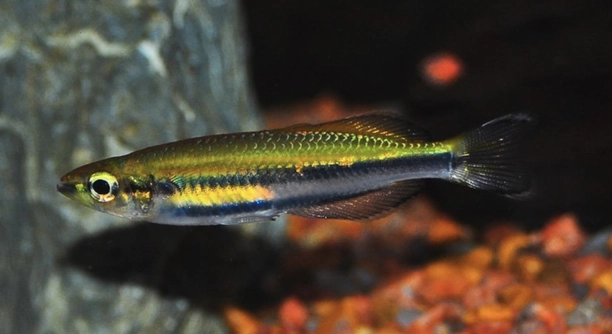
Do you enjoy keeping rainbowfish but sometimes find one missing from the tank? These small, colorful fish bring life to any aquarium, yet their sudden disappearance can leave owners worried and searching for answers.
Rainbowfish may disappear due to several factors, including water quality issues, disease, predation from tank mates, stress, insufficient hiding spots, poor nutrition, or accidental escape from the aquarium. Each factor directly impacts their survival and behavior.
Understanding these causes will help maintain a healthier environment for your fish and prevent future unexpected losses in your aquarium.
Poor Water Quality
Maintaining clean water is essential for rainbowfish health. Dirty water can quickly become toxic, leading to stress and even death. Ammonia, nitrite, and nitrate levels can rise if the tank is not regularly cleaned. Temperature fluctuations or improper pH levels also affect their well-being. Regular water testing and partial water changes keep the environment stable. Overcrowding the tank makes water quality worse, as more waste is produced than the filtration system can handle. Rainbowfish are sensitive to sudden changes, so it is important to make adjustments slowly. Using a reliable water filter and performing weekly maintenance helps prevent dangerous conditions. Additionally, adding plants or hiding spots can improve water quality naturally. Observing your fish for unusual behavior, such as gasping at the surface or hiding excessively, can indicate water problems before serious harm occurs. Consistency in care is key to keeping your rainbowfish safe and healthy.
Poor water conditions are often the main reason fish disappear unexpectedly.
Monitoring parameters, performing water changes, and maintaining a balanced ecosystem ensures rainbowfish thrive, reducing stress-related disappearances and health issues effectively.
Disease and Illness
Disease can strike rainbowfish quickly, sometimes without obvious warning. Bacterial infections, parasites, and fungal issues can all affect their survival. Early signs include lethargy, clamped fins, loss of appetite, or visible spots on the body. Treating disease promptly is critical because infections can spread to other tank inhabitants. Quarantining new fish before introducing them helps prevent outbreaks. Medications may be required depending on the type of illness, but natural remedies like salt baths or maintaining clean water can also support recovery. Weak immune systems due to poor diet or stress make rainbowfish more vulnerable. Observing daily behavior and noting changes allows for quick action when disease is suspected. Routine preventive care, including proper feeding and stable environmental conditions, reduces the likelihood of illness. Remember, even minor infections can escalate, so vigilance is necessary to protect the health of your fish. Regular monitoring and immediate response make all the difference in preventing serious health issues.
Stress from Tank Mates
Aggressive or larger fish can stress rainbowfish, causing them to hide or disappear. Even minor harassment can impact their health and lead to fatal outcomes if prolonged.
Stress weakens rainbowfish, making them more susceptible to illness and reducing their activity. Tank mates that chase, nip, or dominate feeding areas create an unsafe environment. Providing enough space and hiding spots helps rainbowfish feel secure. Observing interactions between species allows you to identify tension before it escalates. Sometimes separating aggressive fish or creating visual barriers reduces stress. Choosing compatible species and monitoring behavior daily ensures a balanced, calm tank where rainbowfish can thrive without constant fear or competition for resources.
Overcrowding adds to stress, as competition for food and territory increases. Maintaining proper stocking levels, along with consistent feeding schedules, helps minimize conflict. Structured hiding areas let rainbowfish escape when threatened. Stress management is critical for their survival.
Escaping or Jumping Out
Rainbowfish are active swimmers and sometimes jump out of tanks if the water feels unsafe or there are sudden disturbances. Covering the tank prevents accidental escapes.
Jumping can occur due to sudden noises, rapid movements near the aquarium, or changes in water quality. Rainbowfish may also leap if the tank lacks hiding spots or if they feel crowded. Ensuring a calm environment, stable water conditions, and proper filtration reduces the urge to jump. A secure lid protects fish from accidental loss while maintaining airflow. Providing floating plants or décor gives rainbowfish safe zones, lowering stress and discouraging jumping behaviors. Observing the tank daily helps detect patterns in activity that could lead to escapes.
Proper tank setup, including secure covers and visual barriers, keeps rainbowfish safely inside while maintaining a comfortable and engaging environment. Attention to detail in their surroundings supports health and prevents unnecessary disappearances.
Poor Nutrition
Rainbowfish need a varied diet of flakes, pellets, and occasional live or frozen foods. A lack of essential nutrients can weaken them quickly and affect their behavior.
Feeding too little or too much can also cause health problems. Consistent, balanced meals help maintain their energy and immune system, reducing the risk of disappearance.
Inadequate Hiding Spots
Rainbowfish require places to retreat when stressed. Without plants, rocks, or décor, they may feel exposed and hide in corners or disappear completely. Properly arranged hiding spots create a sense of security, encouraging normal activity and reducing anxiety within the tank.
Breeding Behavior
Rainbowfish sometimes hide or move to secluded areas during spawning. This natural behavior can make them appear missing, but it is part of their reproductive process. Providing plants and calm sections in the tank supports successful breeding and reduces stress for both males and females.
Accidental Loss
Small or young rainbowfish can accidentally get trapped in filters, decorations, or aquarium equipment. Regularly checking all areas and maintaining equipment properly prevents unintentional losses and ensures the safety of your fish.
FAQ
Why did my rainbowfish disappear overnight?
Rainbowfish can vanish quickly due to stress, poor water conditions, disease, or even jumping out of the tank. They are sensitive to sudden changes in their environment. Checking water quality, tank mates, and tank security can help determine the cause and prevent future disappearances.
Can aggressive tank mates make rainbowfish hide or vanish?
Yes, larger or aggressive fish can stress rainbowfish. Nipping, chasing, or dominating feeding areas can force them to hide for long periods. Providing adequate space, visual barriers, and compatible tank mates reduces stress and encourages normal activity.
How can water quality affect rainbowfish survival?
Dirty water, high ammonia, nitrite, or nitrate levels, and fluctuating temperature or pH can harm rainbowfish. Even small changes in water chemistry can cause them to hide or die. Regular testing and partial water changes maintain a stable, safe environment.
Could disease be the reason my rainbowfish disappeared?
Disease is a common factor. Bacterial infections, parasites, and fungal issues can quickly weaken rainbowfish. Signs include lethargy, clamped fins, loss of appetite, or spots. Prompt treatment and quarantine of new fish help protect the tank.
Do rainbowfish sometimes hide for breeding purposes?
Yes, during spawning, rainbowfish often retreat to secluded areas. Males and females may separate temporarily, which can make it appear as though they have disappeared. Providing plants or secure spots supports safe breeding.
Can poor nutrition make rainbowfish disappear or die?
Insufficient or unbalanced feeding weakens rainbowfish. A diet lacking essential nutrients lowers their immunity, making them more vulnerable to disease and stress. Feeding a mix of flakes, pellets, and occasional live or frozen foods ensures health and activity.
Is it possible for rainbowfish to jump out of the tank?
Rainbowfish are active swimmers and may jump if startled or stressed. Sudden noises, water changes, or overcrowding increase the risk. A secure lid and calm environment reduce jumping and accidental losses.
How do hiding spots help rainbowfish feel safe?
Providing plants, rocks, and décor gives rainbowfish places to retreat. Feeling secure reduces stress, supports natural behavior, and prevents disappearances caused by fear or bullying. A well-arranged tank improves both health and activity.
Could young rainbowfish be lost in the tank accidentally?
Yes, small or juvenile fish can get trapped in filters, tubing, or decorations. Regular checks and proper maintenance of equipment prevent accidental loss. Observing all areas of the tank ensures their safety.
How can I prevent rainbowfish from disappearing in the future?
Maintaining clean water, providing a balanced diet, adding hiding spots, choosing compatible tank mates, and securing the tank lid are essential. Observing behavior daily allows for early intervention when issues arise, ensuring long-term health and safety.
Are environmental changes dangerous for rainbowfish?
Sudden changes in temperature, light, or water chemistry can stress rainbowfish, causing hiding or death. Gradual adjustments and consistent care reduce the impact of environmental fluctuations, helping rainbowfish remain active and healthy.
What should I do if a rainbowfish goes missing?
First, check the entire tank, including filters and decorations. Test water quality, review tank mates’ behavior, and examine for signs of disease. Understanding the cause helps prevent recurrence and ensures the remaining fish are safe.
Can overcrowding cause rainbowfish to disappear?
Yes, too many fish increase competition for food and territory. Overcrowding creates stress and weakens immune systems, making rainbowfish more likely to hide, get injured, or die. Maintaining appropriate stocking levels is critical for a stable tank environment.
Do rainbowfish need any special care to prevent disappearance?
Rainbowfish require consistent water quality, a balanced diet, compatible tank mates, hiding spots, and a secure tank lid. Regular monitoring of their behavior and environment reduces risks and supports healthy, active fish.
Can I reintroduce a rainbowfish that disappeared due to stress?
If a rainbowfish survives but hides due to stress, creating a calm environment with hiding places and proper nutrition encourages them to return to normal behavior. Avoid sudden changes and aggressive tank mates during recovery.
What is the most common reason rainbowfish disappear?
The most frequent causes are poor water quality, stress from tank mates, disease, and accidental escapes. Regular maintenance, observation, and a secure, balanced environment prevent most unexpected disappearances.
How often should I monitor my rainbowfish to prevent loss?
Daily observation is ideal. Watching behavior, feeding, and movement helps detect early signs of stress, disease, or environmental problems. Quick intervention prevents hiding, illness, or accidental loss, keeping the tank safe and healthy.
Can adding more plants prevent rainbowfish from disappearing?
Yes, plants and décor offer hiding spots and reduce stress. A well-planted tank encourages natural behavior, protects fish from aggressive mates, and lowers the likelihood of jumping or hiding excessively.
Is stress reversible in rainbowfish?
Stress can be reversed if the cause is identified and corrected quickly. Providing clean water, hiding spots, compatible tank mates, and proper nutrition restores health and encourages normal behavior.
Do rainbowfish need specific tank conditions to stay visible?
Rainbowfish require stable temperature, pH, and water quality, along with adequate space and hiding areas. Proper conditions keep them active, reduce hiding, and ensure long-term survival in the aquarium.
Rainbowfish are lively and colorful additions to any aquarium, but their sudden disappearance can be alarming. Many factors contribute to this, from environmental conditions to stress and disease. Understanding the common causes of disappearance helps fish owners maintain a safer, healthier tank. Clean water is essential, as poor water quality quickly affects their health. Ammonia, nitrite, and nitrate levels must be regularly tested and controlled, and water changes performed consistently. Temperature and pH stability are equally important. Even minor fluctuations can stress rainbowfish and lead to hiding, illness, or death. Observing fish behavior daily allows for early detection of problems, preventing serious consequences before they escalate.
Tank mates also play a significant role in rainbowfish wellbeing. Aggressive or larger fish can intimidate or harass rainbowfish, causing stress that affects feeding, movement, and immune response. Providing adequate space, hiding spots, and compatible companions helps reduce stress and encourages natural activity. Rainbowfish also need secure areas for retreat, especially during breeding or when the environment feels unsafe. Plants, rocks, and other décor give them places to feel protected. Overcrowding should be avoided, as it increases competition for food and territory, making rainbowfish more vulnerable. A balanced diet supports overall health, strengthens immunity, and prevents disappearance caused by weakness or illness.
Accidental loss is another common reason rainbowfish may vanish. They are active swimmers and sometimes jump out of the tank if startled. Small or young fish can also get trapped in filters or decorations. Ensuring a secure lid, checking equipment, and maintaining proper tank setup reduces the risk of accidental disappearance. Disease can strike quickly, and early intervention is critical. Quarantining new fish, observing for unusual signs, and treating infections promptly help protect the tank population. By monitoring water quality, stress levels, nutrition, and tank safety, rainbowfish owners can create a stable, supportive environment. Attention to these details prevents many issues, allowing rainbowfish to remain healthy, active, and visible in the aquarium.

Hello,
If you enjoy the content that we create, please consider saying a "Thank You!" by leaving a tip.
Every little bit helps us continue crafting quality advice that supports the health, happiness, and well-being of pets around the world, for pets of all shapes, sizes, and species.
We really appreciate the kindness and support that you show us!