
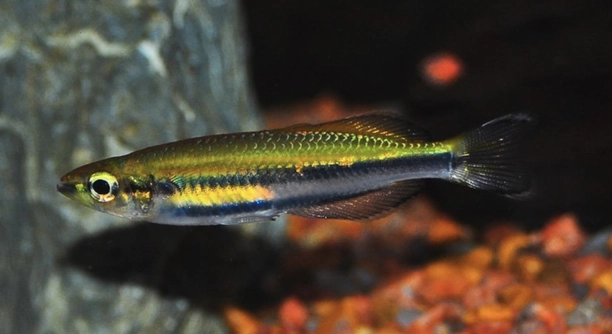
Rainbowfish are colorful and lively creatures that bring life to any aquarium. Observing their behavior and environment closely helps owners understand their well-being and overall contentment in the tank. Happy rainbowfish contribute to a vibrant aquatic display.
A rainbowfish’s happiness can be determined through its behavior, coloration, and interaction with its environment. Calm swimming, bright colors, and active feeding indicate a positive state, while stress signs include dull colors, hiding, or erratic movements, reflecting poor welfare.
Knowing these indicators allows you to create a supportive environment and improve the health of your rainbowfish. Recognizing signs early ensures your fish remain vibrant and thriving in their aquatic home.
Recognizing Happy Behavior in Rainbowfish
Rainbowfish show happiness through their swimming patterns and social interactions. They glide smoothly through the water, often exploring different areas of the tank. Bright, vibrant colors are a clear sign of health and contentment. When feeding time comes, happy rainbowfish actively chase food and compete without stress. They maintain a balanced interaction with other fish, avoiding aggressive behavior. Observing them in groups can reveal subtle social cues, such as synchronized swimming or gentle nudging, which indicate comfort. Signs of stress, such as hiding, clamped fins, or sudden lethargy, contrast sharply with these behaviors. Lighting, temperature, and tank setup all influence their mood. Clean water and a well-maintained environment encourage natural behavior. Decorations and plants give them places to explore or hide, helping them feel secure. Regular observation helps you notice subtle changes, ensuring your rainbowfish stay in a positive state of mind and maintain their health over time.
Happy rainbowfish swim actively, interact calmly, and display bright colors consistently. These are the most reliable signs of contentment in the tank.
Monitoring behavior daily helps you identify shifts in mood. Subtle changes, like decreased movement or faded colors, can indicate issues. By paying attention, you ensure your fish remain healthy, reducing stress and maintaining an engaging aquarium environment.
Creating a Comfortable Habitat
A stable and clean tank supports rainbowfish happiness. Temperature, pH levels, and proper filtration are essential to maintain water quality. Decorations, plants, and hiding spots allow fish to explore safely and reduce stress.
Maintaining water quality is critical for long-term health. Regular testing and partial water changes keep ammonia, nitrate, and nitrite levels low. Consistent temperature control prevents stress that may cause disease or dull colors. A variety of plants provides shelter and mimics natural environments, encouraging natural swimming and exploration. Open swimming areas allow active behavior, while hiding spots give refuge during rest or social tension. Proper lighting enhances coloration and supports biological rhythms, contributing to a calm and healthy tank. Tank mates should be chosen carefully to prevent aggression, ensuring harmony among the fish. Balanced feeding schedules and high-quality food provide necessary nutrients for vibrant colors and growth. Attention to these details creates an environment that promotes physical health and emotional well-being, allowing rainbowfish to thrive and display natural, happy behavior consistently.
Feeding and Nutrition
Providing a balanced diet keeps rainbowfish healthy and energetic. They need a mix of flakes, pellets, and occasional live or frozen foods to maintain vibrant colors and strong immune systems.
Overfeeding can lead to poor water quality and health issues. Small, frequent meals are better than one large feeding, allowing the fish to digest properly and preventing leftover food from polluting the tank. Variety is important; including vegetables or brine shrimp adds essential nutrients. Observation during feeding helps spot unhealthy fish, as slow eaters or picky eaters may need dietary adjustments. Consistent feeding routines also reduce stress, helping rainbowfish stay active and display natural behaviors. A well-fed rainbowfish is more likely to show bright colors, interact positively with tank mates, and remain energetic throughout the day.
Even minor changes in diet can affect behavior. Introducing new foods gradually helps fish adjust without causing digestive issues. High-quality food supports growth, reproduction, and overall happiness.
Social Interaction and Tank Companions
Rainbowfish thrive in groups and benefit from social interaction. Keeping them in schools of at least six reduces stress and encourages natural swimming patterns.
Compatibility with tank mates is important. Aggressive or overly passive fish can create tension, leading to hiding, color fading, or stress behaviors. Choosing similar-sized, peaceful species ensures harmony and a balanced social environment. Observation is key, as rainbowfish may show dominance behaviors like chasing or fin displays. Providing sufficient space and visual barriers helps reduce conflicts. Properly arranged plants and decorations allow fish to interact safely while retreating when needed. Social stimulation keeps rainbowfish active, reduces stress, and promotes natural behaviors. A tank with compatible companions creates a lively and balanced environment, making fish more resilient and visually appealing.
Water Quality and Maintenance
Clean water is essential for rainbowfish well-being. Regular water changes, proper filtration, and monitoring of ammonia, nitrite, and nitrate levels prevent stress and disease.
Maintaining stable temperature and pH is equally important. Sudden changes can shock fish, causing color fading, lethargy, or hiding. Consistency ensures a healthy, happy environment.
Observing Physical Health
Healthy rainbowfish have bright colors, smooth scales, and clear eyes. Any signs of clamped fins, spots, or unusual growths indicate possible health issues that require attention. Regular observation helps detect problems early and maintain overall tank health.
Stress Reduction Strategies
Stress in rainbowfish often results from overcrowding, aggressive tank mates, or poor water quality. Addressing these factors quickly keeps fish calm and vibrant.
Lighting and Environment
Proper lighting enhances rainbowfish coloration and supports natural behavior. Avoid overly bright or flickering lights. A balanced environment with plants and open swimming spaces encourages exploration and reduces stress.
FAQ
How often should I feed my rainbowfish?
Rainbowfish should be fed small portions two to three times a day. Overfeeding can harm water quality and lead to health issues. Providing a mix of high-quality flakes, pellets, and occasional live or frozen foods ensures proper nutrition. Observing their appetite helps you adjust the amount and type of food.
What size tank is best for rainbowfish?
A minimum of 30 gallons is recommended for a small school of rainbowfish. Larger tanks allow them to swim freely and display natural behaviors. Adequate space reduces stress, prevents aggression, and supports overall health. Schools of at least six fish are ideal for social interaction.
How do I know if my rainbowfish is stressed?
Signs of stress include hiding, clamped fins, faded colors, erratic swimming, or loss of appetite. Stress can result from poor water quality, aggressive tank mates, overcrowding, or sudden changes in the environment. Addressing these issues promptly helps restore well-being.
What water parameters do rainbowfish need?
Rainbowfish thrive in slightly alkaline water with a pH between 6.5 and 8.0. Temperature should be stable between 74°F and 82°F. Regular testing of ammonia, nitrite, and nitrate levels is necessary to maintain a healthy habitat and prevent stress.
Can rainbowfish live with other fish?
Yes, rainbowfish do well with peaceful, similarly sized species. Aggressive or very small tank mates can cause stress or injury. Observe interactions closely and provide plenty of space and hiding spots to ensure a harmonious tank environment.
How can I enhance my rainbowfish’s colors?
Bright colors often indicate good health and low stress. Providing a varied diet rich in carotenoids, proper lighting, and a clean, stable tank encourages vibrant coloration. Avoid overcrowding and maintain water quality to prevent color fading.
How often should I clean the tank?
Partial water changes of 20-30% every one to two weeks are recommended. Regular cleaning of substrate and filters helps remove waste and prevents the buildup of harmful chemicals. Maintaining a consistent cleaning routine promotes a healthy and happy fish population.
What types of decorations are suitable for rainbowfish?
Plants, driftwood, and rocks create hiding spots and open swimming areas. Live plants provide natural cover and improve water quality, while carefully arranged decorations reduce stress and encourage natural behavior. Avoid sharp or rough objects that could injure fins.
How can I encourage natural behavior in my rainbowfish?
Providing enough space, plants, and compatible tank mates allows rainbowfish to swim, explore, and interact naturally. Maintaining stable water conditions and a consistent feeding schedule supports healthy activity levels and social behaviors. Observation helps ensure they remain active and stress-free.
When should I be concerned about health issues?
Immediate attention is needed if rainbowfish show persistent lethargy, loss of appetite, unusual growths, torn fins, or abnormal swimming patterns. Early detection and intervention prevent serious illness and maintain the overall well-being of the tank community.
Can rainbowfish recognize their owners?
Rainbowfish can become accustomed to regular feeding routines and may respond to movements near the tank. While not as interactive as some species, they can display recognition through increased activity or approaching the front of the tank during feeding times.
How do I introduce new rainbowfish to an existing tank?
New fish should be quarantined for two weeks to prevent disease transmission. Introduce them slowly, monitoring behavior and ensuring sufficient space and hiding spots. Gradual acclimation to water conditions reduces stress and improves acceptance by existing fish.
Do rainbowfish require special lighting?
Moderate lighting enhances colors and encourages natural behavior. Avoid overly bright or flickering lights, as they can cause stress. A balanced day-night cycle supports healthy rhythms and contributes to the overall well-being of the fish.
How long do rainbowfish typically live?
With proper care, rainbowfish can live five to eight years on average. Maintaining stable water conditions, a balanced diet, and a stress-free environment contributes to longevity and sustained health.
Is it normal for rainbowfish to change color?
Color changes can indicate mood, stress, breeding readiness, or illness. Bright, consistent colors generally reflect health, while dull or faded colors may signal stress or poor water conditions. Monitoring behavior and tank conditions helps determine the cause.
How can I prevent disease in rainbowfish?
Maintain clean water, stable temperatures, and a balanced diet. Avoid overcrowding and aggressive tank mates. Quarantining new fish and observing for early signs of illness reduces the risk of disease and supports long-term health.
What is the best way to handle a sick rainbowfish?
Isolate the affected fish in a separate tank and treat according to symptoms. Maintain clean water and proper temperature. Prompt attention prevents disease spread and improves recovery chances. Observing tank mates for similar signs helps catch issues early.
Can rainbowfish breed in a home aquarium?
Yes, rainbowfish can breed if kept in appropriate conditions with stable water parameters and a stress-free environment. Providing fine-leaved plants or spawning mops encourages egg-laying. Separate fry from adults to prevent predation and ensure survival.
How do I maintain consistent water temperature?
Use a reliable heater and thermometer to monitor temperature. Avoid placing the tank near drafts, direct sunlight, or fluctuating room conditions. Consistency reduces stress and supports healthy growth and activity levels.
Are rainbowfish sensitive to chemicals in the water?
Yes, chlorine, heavy metals, and high nitrate or nitrite levels can harm rainbowfish. Using water conditioners, regular testing, and proper filtration ensures safe water conditions and prevents stress or illness.
How can I tell if my rainbowfish is happy?
A happy rainbowfish swims actively, displays bright colors, eats regularly, and interacts calmly with tank mates. Observing these behaviors over time helps confirm their well-being and indicates a balanced, healthy environment.
What should I do if my rainbowfish shows unusual behavior?
Check water quality, tank mates, diet, and environmental conditions. Addressing changes promptly can prevent illness or stress. Observing carefully helps identify the cause, allowing you to take corrective action before the problem worsens.
Can rainbowfish live in planted tanks?
Yes, planted tanks provide shelter, reduce stress, and mimic natural habitats. Live plants also improve water quality and create areas for exploration, which encourages natural behavior and contributes to overall happiness.
How important is regular observation of rainbowfish?
Daily observation allows you to detect early signs of stress, illness, or behavior changes. Prompt attention to these indicators maintains health, prevents disease, and ensures rainbowfish remain active and vibrant in their tank.
What role does tank size play in happiness?
Larger tanks allow rainbowfish to swim freely, establish territories, and interact socially. Overcrowding causes stress, aggression, and reduced coloration. Adequate space supports natural behavior and overall well-being, making fish more resilient and lively.
Are rainbowfish good for community tanks?
Rainbowfish are generally peaceful and adaptable to community tanks with compatible species. Proper selection of tank mates and sufficient space reduces stress and ensures harmonious interactions, contributing to their overall health and happiness.
How can I tell if my rainbowfish is comfortable with its tank mates?
Comfortable fish swim actively, interact without aggression, and maintain bright colors. Persistent chasing, hiding, or color fading indicates discomfort. Adjusting tank layout or companions helps restore balance and reduce stress.
Is it necessary to provide hiding spots for rainbowfish?
Yes, hiding spots reduce stress and mimic natural habitats. Plants, rocks, and decorations allow fish to retreat when threatened or resting, promoting well-being and natural behavior.
Final Thoughts
Caring for rainbowfish requires attention to both their physical needs and their environment. Observing behavior, maintaining water quality, and providing a balanced diet are essential steps to ensure they remain healthy and happy. Rainbowfish show clear signs of contentment through bright colors, smooth swimming, and active feeding. By paying attention to these indicators, you can make adjustments that improve their well-being and prevent common issues related to stress or illness. A properly maintained tank with stable conditions allows them to thrive, display natural behaviors, and interact peacefully with other fish.
Providing a balanced and varied diet is an important part of maintaining rainbowfish health. Flakes and pellets offer essential nutrients, while occasional live or frozen foods add protein and variety. Overfeeding should be avoided, as it can harm water quality and lead to obesity or digestive problems. Regular observation during feeding times helps identify picky eaters or fish that may need extra attention. A consistent feeding schedule reduces stress and encourages active behavior, ensuring the fish remain vibrant and engaged in their environment. Healthy, well-fed rainbowfish are more likely to display their natural colors, interact with tank mates, and explore their surroundings confidently.
The tank setup and social environment also play a major role in rainbowfish happiness. Schools of at least six fish allow them to interact naturally and reduce stress caused by isolation. Decorations, plants, and open swimming spaces provide both shelter and opportunities for exploration. Proper lighting enhances their colors and supports natural rhythms, while careful selection of tank mates prevents aggression and tension. Regular maintenance, including water changes and monitoring of ammonia, nitrite, and nitrate levels, ensures a stable environment. By combining proper nutrition, a supportive habitat, and consistent observation, you can create a space where rainbowfish remain healthy, stress-free, and visually striking, making your aquarium a lively and enjoyable part of your home.

Hello,
If you enjoy the content that we create, please consider saying a "Thank You!" by leaving a tip.
Every little bit helps us continue crafting quality advice that supports the health, happiness, and well-being of pets around the world, for pets of all shapes, sizes, and species.
We really appreciate the kindness and support that you show us!