
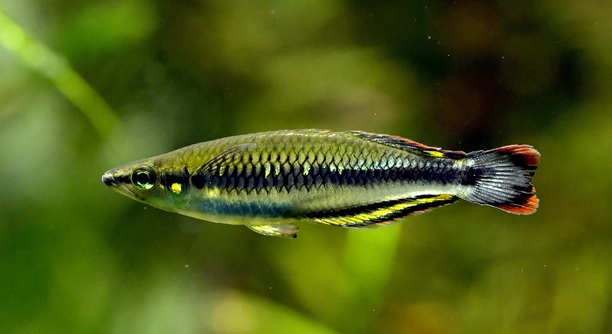
Have you ever spent time watching your rainbowfish swim gracefully in its tank, noticing its vibrant colors and playful movements, and wondered whether it can recognize you as its caretaker and companion in its aquatic environment?
Rainbowfish have the ability to remember their owners through visual and behavioral cues. Studies indicate they can distinguish familiar humans from strangers, associating them with feeding and interaction patterns, which helps form a consistent recognition over time.
Knowing how rainbowfish perceive and respond to you can improve your interaction, care routines, and overall relationship with these fascinating, colorful creatures.
How Rainbowfish Recognize Their Owners
Rainbowfish use their eyes and memory to recognize familiar people. Over time, they notice patterns in your behavior, such as when you feed them or approach the tank. Their brains store these repeated experiences, which allows them to associate you with positive actions. When a rainbowfish sees a familiar face, it may swim closer or become more active, signaling recognition. This ability is not limited to large fish; even smaller species show similar responses to consistent human interaction. Consistency in care strengthens this bond, as rainbowfish learn who is safe and predictable. Environmental factors like tank layout and lighting also play a role, making visual recognition easier. In contrast, erratic behavior or infrequent contact may reduce their ability to remember. Observation of subtle behaviors, like changes in swimming patterns or color brightness, helps owners understand when recognition occurs. Over time, rainbowfish can distinguish between different people who interact with them regularly, showing selective memory abilities.
Familiarity with a consistent caregiver reduces stress in rainbowfish, helping them feel secure and more active in their tank.
Spending time observing your rainbowfish daily allows you to notice small cues of recognition. They may swim toward the tank wall when you approach, follow your hand movements, or react differently when a stranger appears. These behaviors indicate they can distinguish between known and unknown individuals. Reinforcing positive interactions through gentle feeding and calm movements strengthens this recognition. Understanding their memory and responses makes it easier to provide proper care, as stress and fear can affect health. Recognizing their ability to remember encourages mindful interaction, ensuring the fish are comfortable, stimulated, and confident in their environment, which promotes both physical and mental well-being.
Improving Interaction with Rainbowfish
Regular interaction helps rainbowfish remember their owners more effectively.
Simple practices like feeding at consistent times, approaching the tank slowly, and speaking softly near the water encourage recognition. Over time, they associate these repeated actions with positive experiences. Changing these routines or being inconsistent may confuse them, reducing responsiveness. Interaction should be calm and predictable. Watching their reactions can guide adjustments to your care. Consistent, gentle handling reinforces memory, making them more confident and engaged. Small, daily actions create a sense of stability, allowing the fish to respond more naturally. Rewards like small food treats when they approach can strengthen this behavior, encouraging them to recognize patterns linked to your presence. Ensuring a quiet, stable environment further enhances memory and recognition. By observing and respecting their behavior, owners can build effective routines that encourage familiarity and reduce stress.
Rainbowfish are highly responsive to routine and visual cues. They notice patterns, like when you enter the room, feed them, or touch the water. Over time, their recognition improves, showing a clear preference for familiar people. Visual and behavioral consistency allows them to form memory associations, which guides their reactions. Even subtle changes in behavior, like swimming toward a hand or adjusting color intensity, indicate recognition. Gentle interactions, calm movements, and predictable routines enhance memory retention, making rainbowfish more confident and responsive. Stressful or sudden actions may interfere with their ability to recognize people. Maintaining a consistent environment, including proper tank lighting, decorations, and feeding habits, supports this cognitive ability. Careful observation helps owners identify specific cues that signal recognition, ensuring interactions are positive. Over weeks and months, rainbowfish develop reliable responses, showing their ability to remember and respond to the person providing regular care. This strengthens their overall well-being and makes daily interaction rewarding for both the fish and the owner.
Signs Your Rainbowfish Remembers You
Rainbowfish often swim toward familiar faces or become more active when their regular caregiver approaches. They may follow hand movements near the tank or react differently to strangers, showing recognition through subtle changes in behavior.
Watching your rainbowfish closely helps you identify these signs. They may brighten their colors, swim energetically, or come closer when you feed them. Repeated positive interactions strengthen these responses, making recognition more consistent over time. Not all fish display the same behaviors, so observing your individual rainbowfish is important. Small cues like swimming patterns or position in the tank can indicate familiarity. Gradual improvements in these behaviors show that your fish is learning and remembering your presence. By maintaining calm and predictable routines, you reinforce memory while reducing stress. Recognition is built over weeks, not days, and patience ensures the strongest responses.
Behavioral cues often indicate memory more clearly than physical changes alone. Rainbowfish rely on consistency, so regular feeding, slow movements, and visual familiarity are key. Over time, they associate your presence with safety and care, responding accordingly. Recognizing these signals helps improve interaction and ensures a healthy environment.
Tips to Strengthen Recognition
Consistent routines encourage your rainbowfish to remember you. Feeding, approaching the tank, and interacting at similar times creates reliable cues. Gentle movement and patience reinforce this learning process.
Providing stability and consistency allows rainbowfish to form strong memory associations. Using the same feeding methods, timing, and approach helps them link your presence to positive experiences. Gradually, they begin to respond to visual and behavioral patterns, recognizing you more quickly. Avoid sudden changes in routine, as these can confuse them or reduce recognition. Observing their reactions informs adjustments to care, enhancing memory retention. Over time, consistent interaction reduces stress, promotes active behavior, and strengthens their response to you. Even small daily practices, like gentle gestures or predictable feeding, contribute to lasting familiarity. Visual cues, calm movements, and repetitive care form the foundation of memory, helping rainbowfish distinguish familiar humans from strangers. Positive reinforcement through consistent treatment and observation is key to nurturing recognition and encouraging confident, stress-free behavior.
Creating a Comfortable Environment
Rainbowfish remember better when their tank is stable and calm. Consistent lighting, water temperature, and decorations make them feel secure, helping them focus on familiar people instead of stressors.
Providing hiding spots and open swimming areas reduces anxiety. A balanced environment encourages natural behavior, which supports memory retention and recognition of regular caregivers.
Using Feeding to Encourage Recognition
Feeding at the same time and in the same way helps rainbowfish link your presence to positive experiences. Small, gentle portions reinforce familiarity and reward recognition, strengthening their memory.
Observing Subtle Behavioral Changes
Changes in swimming patterns, color brightness, or approach behavior signal memory. Paying attention to these details helps you understand when your rainbowfish recognizes you and responds to consistent care.
Avoiding Stress
Minimizing loud noises, sudden movements, and frequent changes in the tank allows rainbowfish to stay calm. Stress can interfere with memory, making recognition less reliable.
FAQ
How long does it take for a rainbowfish to recognize its owner?
Rainbowfish can start recognizing a familiar person within a few days of consistent interaction. However, full recognition usually develops over several weeks. Daily feeding, calm movements, and predictable routines help them form strong memory associations, making recognition more reliable over time.
Can rainbowfish remember multiple people?
Yes, rainbowfish are capable of distinguishing between different individuals. They tend to respond more actively to those who interact with them regularly. Less familiar people may receive slower or cautious responses, showing that rainbowfish prioritize recognition based on experience and repeated positive interactions.
Do rainbowfish react differently to strangers?
Rainbowfish often behave cautiously around unfamiliar people. They may swim away, hide, or remain still. This contrast in behavior highlights their ability to differentiate between familiar and unfamiliar humans, relying on visual and behavioral cues they have learned over time.
What behaviors indicate recognition?
Signs include swimming toward you, following hand movements near the tank, or brightening their colors. They may also become more active when you approach or during feeding. Subtle changes, like adjusting swimming patterns, signal that they remember who regularly provides care.
Does stress affect their memory?
Yes, stress can interfere with memory and recognition. Sudden changes in water temperature, loud noises, or rapid movements can cause anxiety, reducing their ability to remember familiar people. A calm and consistent environment supports learning and recognition.
Is feeding the best way to reinforce recognition?
Feeding is one of the most effective ways to strengthen recognition. By associating your presence with food, rainbowfish form positive associations. Consistent timing, gentle gestures, and small portions help reinforce familiarity without causing stress.
Can visual cues alone trigger recognition?
Visual cues are important, but they work best with routine and behavior consistency. Rainbowfish remember faces, movements, and repeated patterns. Using the same approach, gestures, or hand movements enhances recognition over time.
Do rainbowfish remember interactions after a long absence?
Rainbowfish have good memory retention, especially when interactions were consistent. They may show slower or cautious recognition after a long absence but usually regain familiarity quickly once routines are reestablished.
How can I improve my rainbowfish’s recognition of me?
Consistency is key. Feed at the same times, approach the tank slowly, and keep interactions calm. Avoid sudden changes, provide a stable environment, and observe their behavior. Reinforcing positive experiences gradually strengthens memory and ensures they respond reliably to your presence.
Are some rainbowfish better at remembering people than others?
Individual differences exist. Some rainbowfish may be more responsive due to temperament or prior experiences. Patience, regular interaction, and gentle care help even shy fish build memory and recognition over time.
How do I know if my rainbowfish actually remembers me or just reacts to food?
While food is a strong motivator, recognition can be observed in non-feeding contexts. Approaching the tank calmly or performing familiar gestures may elicit active swimming or attention even without food, showing memory beyond simple feeding cues.
Can interactions improve rainbowfish social behavior?
Yes, consistent interaction encourages confident behavior. Recognizing their caregiver reduces stress and promotes activity. Rainbowfish may explore more, swim openly, and display brighter colors when they feel secure and familiar with regular people.
How often should I interact with my rainbowfish for recognition?
Daily interaction is most effective. Even brief, calm engagement strengthens memory. Irregular contact can slow recognition, while steady, predictable routines encourage consistent responses and improve overall fish well-being.
Do tank conditions influence memory and recognition?
Stable water parameters, appropriate lighting, and a comfortable environment support memory. Frequent changes, poor water quality, or overcrowding can stress the fish and hinder their ability to remember familiar people. Consistency in their environment enhances learning.
Are younger rainbowfish easier to train for recognition?
Younger rainbowfish may adapt quickly to routines but still require consistent interaction. Adults can also form recognition with patience. Early, gentle, and regular engagement helps fish of any age build memory associations effectively.
Final Thoughts
Rainbowfish are more intelligent and aware than many people realize. They have the ability to recognize and remember the people who care for them, responding to familiar faces with active swimming, color changes, or curiosity. This recognition is not instantaneous but develops over time with consistent interaction. Daily routines, such as feeding at the same time, approaching the tank calmly, and providing a stable environment, help strengthen these memory associations. Even small, repeated actions matter. Rainbowfish rely on visual and behavioral cues, so consistent gestures, movements, and patterns in your care make a noticeable difference. Their memory allows them to distinguish between familiar and unfamiliar people, showing selective recognition rather than reacting the same way to everyone. Observing subtle behaviors, such as changes in swimming speed or proximity to the tank wall, helps owners understand how their fish are responding to them. Recognition is built gradually, and patience is key to seeing reliable responses over time.
Creating a calm and stable environment plays an important role in memory and recognition. Stress, sudden changes in water conditions, or loud noises can disrupt a rainbowfish’s ability to remember familiar people. Providing proper water temperature, lighting, hiding spots, and consistent decorations helps them feel secure, reducing anxiety and improving cognitive responses. A predictable routine gives rainbowfish confidence, which makes them more willing to approach and respond positively to their caretaker. Feeding consistently and gently is another effective way to reinforce recognition. When rainbowfish associate your presence with positive experiences, they are more likely to remember you. This does not mean that recognition is limited to feeding; even non-feeding interactions, like approaching the tank or performing familiar gestures, can reinforce memory. Paying attention to their reactions in these moments allows you to strengthen your bond in a natural and stress-free way. Over time, these consistent interactions improve the fish’s well-being and make daily care more enjoyable for both the rainbowfish and the person caring for them.
Understanding that rainbowfish have memory and recognition abilities encourages mindful and thoughtful care. Consistent attention, calm behavior, and observing their subtle cues all contribute to stronger recognition and a healthier fish. Every rainbowfish is unique, and their responses may vary based on personality, age, and prior experiences. Some may take longer to show clear recognition, while others respond quickly to familiar patterns. Patience and careful observation are essential. By maintaining a routine, minimizing stress, and reinforcing positive experiences, you help your rainbowfish feel secure and confident in its environment. Recognizing their ability to remember familiar humans also highlights the importance of responsible care. It allows owners to interact with their fish in ways that respect their memory, reduce stress, and promote natural behavior. Over time, the effort invested in building familiarity pays off, resulting in a more active, responsive, and healthy rainbowfish that can reliably recognize its caretaker.

Hello,
If you enjoy the content that we create, please consider saying a "Thank You!" by leaving a tip.
Every little bit helps us continue crafting quality advice that supports the health, happiness, and well-being of pets around the world, for pets of all shapes, sizes, and species.
We really appreciate the kindness and support that you show us!