
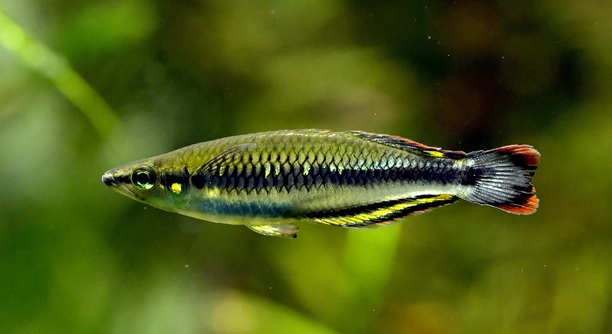
Is your rainbowfish losing its vibrant colors, leaving your aquarium looking dull and lifeless? Many fish owners notice their once-bright pets fading over time, which can be concerning and confusing, especially when everything else seems normal.
Rainbowfish often lose color due to stress, poor water quality, inadequate nutrition, illness, or aging. Addressing these factors through proper tank maintenance, a balanced diet, and monitoring environmental conditions is essential for maintaining the species’ characteristic vivid pigmentation and overall health.
Understanding the reasons behind color loss is important for keeping your rainbowfish healthy and lively in its aquatic environment. Proper care can restore vibrancy and enhance your enjoyment of your aquarium.
Poor Water Quality
If your rainbowfish tank is not properly maintained, water quality can quickly decline, affecting the health and color of your fish. Accumulated waste, uneaten food, and high ammonia or nitrate levels can stress your fish, leading to duller colors. Regular water changes and monitoring of pH, hardness, and temperature are essential. Using a reliable water testing kit helps detect any imbalances before they harm your rainbowfish. Even small fluctuations in water conditions can impact coloration, so consistency is key. Proper filtration and avoiding overcrowding also play a significant role in maintaining optimal water quality. Fish kept in clean, well-maintained tanks tend to display their brightest colors and remain more active and healthy. Observing behavior and appearance daily can alert you to water-related problems before they escalate.
Poor water quality directly affects your rainbowfish’s coloration and overall health, making routine maintenance critical.
Maintaining stable and clean water ensures your rainbowfish can thrive. Regular partial water changes, proper filtration, and monitoring chemical levels help reduce stress and prevent fading colors. Overcrowding and leftover food worsen water quality, so removing debris and maintaining the right population density keeps your fish healthy. By focusing on these factors, you can restore and preserve the vivid hues your rainbowfish are known for. Clean water promotes natural behavior, strengthens immunity, and enhances their appearance. Implementing a consistent maintenance schedule minimizes sudden color loss and keeps your aquarium visually appealing. With proper care, rainbowfish will remain vibrant and active.
Stress and Overcrowding
Stress in rainbowfish often comes from overcrowded tanks or aggressive tank mates. Fish under stress may hide more, lose appetite, and gradually fade in color.
Chronic stress reduces immune function, making rainbowfish more susceptible to disease.
Keeping the right number of fish and choosing compatible species is essential. Provide hiding spots and enough space to swim freely. Monitoring behavior helps identify stressed individuals early. Stress not only dulls color but can shorten lifespan, so addressing environmental factors is vital for long-term well-being.
Inadequate Nutrition
A poor diet can quickly lead to faded colors in rainbowfish. Lack of essential vitamins and carotenoids reduces vibrancy and affects overall health. High-quality flakes, pellets, and occasional live or frozen foods help maintain natural pigmentation and vitality.
Feeding rainbowfish a varied diet ensures they receive all necessary nutrients. Carotenoids, found in certain live or frozen foods, directly enhance color intensity. Flakes and pellets formulated for tropical fish provide essential vitamins and minerals to support growth and immune function. Avoid overfeeding, as leftover food can degrade water quality, indirectly affecting color. By offering a balanced diet, your rainbowfish will display brighter, more consistent hues while staying active and healthy.
Neglecting proper nutrition weakens rainbowfish over time, making them prone to disease and color loss. Supplementing with high-quality, nutrient-rich foods helps maintain vibrancy, supports natural growth, and prevents dullness caused by deficiencies. Consistency in feeding schedules also contributes to healthier, more colorful fish.
Illness and Parasites
Illnesses and parasites can cause sudden or gradual color loss in rainbowfish. Symptoms include lethargy, clamped fins, and faded scales, often indicating internal or external infections. Immediate attention is required to prevent worsening conditions.
Parasites, bacterial infections, and fungal growth disrupt normal physiology, leading to stress and diminished coloration. Quarantining affected fish and treating with appropriate medications helps contain the problem. Maintaining clean water and proper nutrition reduces the likelihood of disease. Regular observation allows early detection, making treatment more effective and improving recovery chances.
Preventive care, including proper hygiene and monitoring behavior, is essential to avoid illness-related color loss. Healthy rainbowfish exhibit brighter, consistent colors, while sick fish often show pale or blotchy patterns. Timely intervention and consistent care support long-term health and visual appeal.
Aging
As rainbowfish age, their colors naturally become less vibrant. Older fish may appear paler or duller compared to younger, more active individuals.
Reduced activity and slower metabolism also contribute to the gradual fading of colors over time.
Inconsistent Lighting
Rainbowfish require a consistent light schedule to maintain coloration. Irregular or inadequate lighting can weaken pigmentation and disrupt natural behavior. Proper lighting enhances their natural hues and supports overall health.
Genetics
Some rainbowfish are naturally less colorful due to their genetic background. Even with perfect care, individual variation can result in paler coloration compared to other fish in the same tank.
FAQ
Why is my rainbowfish suddenly losing color?
Sudden color loss usually points to stress, illness, or a sudden change in water conditions. Check for unusual behavior, clamped fins, or visible parasites. Testing water parameters like ammonia, nitrite, nitrate, pH, and temperature can reveal issues affecting your fish. Immediate attention often prevents further fading.
Can poor diet really affect color?
Yes. Rainbowfish need a varied diet with essential nutrients, especially carotenoids, to maintain vibrant colors. Feeding only basic flakes may not provide enough pigments. Adding live or frozen foods, such as brine shrimp or daphnia, boosts color naturally and keeps your fish healthy.
How often should I change the water?
Partial water changes of 20–30% weekly are ideal for rainbowfish tanks. This helps remove waste and prevents chemical buildup. Frequent monitoring ensures water parameters stay stable, which is key for maintaining both health and coloration.
Will overcrowding cause my rainbowfish to lose color?
Overcrowding increases stress and competition for food, which can dull colors. Make sure the tank has enough space for swimming, hiding, and proper oxygen circulation. Limiting population density also reduces the risk of aggression and disease, keeping fish bright and active.
Can lighting affect the vibrancy of my rainbowfish?
Yes. Rainbowfish need consistent lighting to maintain color. Too little light or irregular schedules can weaken pigmentation. Using a timer ensures a regular day-night cycle, promoting natural behavior and helping your fish display their full coloration.
Do older rainbowfish naturally fade?
Aging does affect color. Older rainbowfish often appear paler due to slower metabolism and reduced activity. While care can slow fading, genetics and age limit how vibrant older fish remain. Recognizing natural changes helps you adjust expectations and continue proper care.
How do I know if my fish is stressed?
Signs include hiding, reduced appetite, clamped fins, or lethargy. Stress often accompanies faded color and makes fish more susceptible to disease. Observing behavior daily and addressing environmental factors like tank mates, water quality, and diet helps reduce stress.
Are genetics responsible for dull colors?
Some rainbowfish are naturally less colorful. Even with excellent care, individual variation and selective breeding may result in paler fish compared to others. Genetics can influence patterns, brightness, and overall vibrancy, so not all fish will reach the same visual intensity.
What can I do to restore color?
Focus on proper diet, stable water conditions, consistent lighting, and low-stress environments. Addressing illnesses promptly and monitoring behavior ensures your rainbowfish regain brightness over time. Combining these measures supports health and allows their natural colors to return gradually.
Is it normal for rainbowfish to fade temporarily?
Yes, temporary fading can happen due to minor stress, recent transport, or environmental changes. Colors usually return once conditions stabilize, food is adequate, and stressors are minimized. Consistency and observation are key to helping your fish recover naturally.
Can disease permanently affect color?
Severe or prolonged illness can cause lasting color loss. Early detection and treatment are crucial. Maintaining clean water, balanced nutrition, and reducing stress supports recovery and minimizes permanent fading.
How can I prevent color loss in the future?
Regular tank maintenance, a balanced diet, proper lighting, and monitoring fish behavior all prevent fading. Keeping a stable environment with appropriate tank mates and avoiding sudden changes helps rainbowfish remain vibrant and healthy for years.
This FAQ addresses common issues related to rainbowfish color loss and offers practical, easy-to-follow solutions to maintain their natural beauty and well-being. Consistency in care is the most important factor in keeping them bright and lively.
Rainbowfish are naturally vibrant and beautiful, but their colors can fade for a variety of reasons. Maintaining proper care is essential to keeping them healthy and visually striking. Factors such as water quality, diet, stress, lighting, and even age all influence the intensity of their coloration. Paying attention to these details ensures that your rainbowfish remain active and colorful, enhancing the overall appeal of your aquarium. Regular observation allows you to notice subtle changes early, giving you the opportunity to take action before the problem worsens. Clean water, stable conditions, and a varied diet create an environment where rainbowfish can thrive and display their natural hues consistently.
Proper nutrition is one of the most important aspects of maintaining your rainbowfish’s color. A diet rich in carotenoids, vitamins, and minerals supports healthy pigmentation and overall well-being. Live or frozen foods, such as brine shrimp or daphnia, can be used as supplements to enhance coloration. Commercially prepared flakes or pellets formulated for tropical fish provide a balanced mix of essential nutrients. Overfeeding should be avoided, as leftover food can accumulate in the tank and reduce water quality, which in turn impacts coloration. Feeding your fish a consistent, high-quality diet while maintaining a clean tank helps them remain bright, active, and healthy over the long term.
Stress management and a stable environment are equally critical for rainbowfish. Overcrowding, aggressive tank mates, or sudden changes in water conditions can all lead to faded colors. Providing enough space, hiding spots, and compatible companions reduces stress and encourages natural behavior. Consistent lighting schedules and regular water changes further contribute to their overall health. Aging and genetics also play a role in how vibrant your fish appear, so some variation is natural. By focusing on a balanced diet, stable water conditions, and a stress-free environment, you can ensure that your rainbowfish retain their lively colors and remain a visually appealing part of your aquarium for years to come.

Hello,
If you enjoy the content that we create, please consider saying a "Thank You!" by leaving a tip.
Every little bit helps us continue crafting quality advice that supports the health, happiness, and well-being of pets around the world, for pets of all shapes, sizes, and species.
We really appreciate the kindness and support that you show us!