
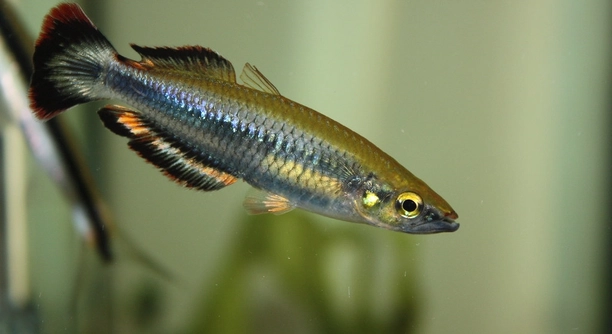
Are your Madagascar rainbowfish showing signs of stress or low activity, leaving you unsure about what might be affecting their social behavior and daily comfort in the tank as they move through their usual routines.
Madagascar rainbowfish often become lonely due to inadequate group size, limited environmental enrichment, and insufficient social interaction, which disrupt their natural schooling instincts and behavioral stability, leading to stress-related responses that indicate a lack of companionship within their aquatic environment.
Learning why these fish struggle with loneliness will help you support their needs and encourage interactions in their shared space.
1. Small Group Size
Keeping Madagascar rainbowfish in small numbers can lead to noticeable changes in how they act each day. These fish rely on group structure, and when their group is too small, they often become withdrawn or unsettled. You might see their colors fade slightly or their movements slow down as they try to adjust to the lack of social presence. In a proper group, they show brighter colors and smoother swimming patterns that reflect comfort. When they do not have enough companions, they may spend more time hiding or staying near corners of the tank instead of exploring the space. Adding more of their kind can ease this stress and build a sense of safety. A well-sized group also reduces tension among individuals because they can spread their attention and energy across the whole group. Supporting them with enough companions helps their behavior stay steady and keeps activity level healthy.
Adding a proper number of rainbowfish helps balance their behavior by restoring natural group dynamics. With enough companions, they move with more confidence and show clearer patterns that indicate comfort. A stable group structure supports steady activity and reduces signs of stress in the tank during their normal daily routines.
When you increase the group size, you may notice quick improvements in how your rainbowfish behave. They start using more of the tank and interact with one another in smoother patterns. Their colors may appear brighter as they feel more secure. A suitable group encourages natural schooling habits that help them feel grounded. This change also reduces the chance of tension between individuals because they no longer feel isolated or uncertain. Watching them settle into a balanced group can give you a better understanding of how strongly they rely on social structure and how stability adds to their daily life.
2. Lack of Environmental Enrichment
A tank without enough enrichment can leave Madagascar rainbowfish inactive and disengaged. These fish depend on a structured space that allows steady movement and mental stimulation. Without plants, open areas, and sheltered spots, they often show reduced energy and may withdraw from regular activity in their usual daily patterns day.
Madagascar rainbowfish thrive in tanks that offer variety, gentle movement, and areas that let them feel protected while still having room to swim freely. When the tank lacks these elements, they begin to show signs of restlessness or withdrawal as they try to adapt to a plain environment. Plants, rocks, and open swimming paths help them use the entire space with confidence. These features also give them places to retreat when they need a break from group activity. A well-planned layout supports their natural instincts and helps them maintain stable interactions with others in the tank. Flow from the filter can create mild currents that keep them engaged without overwhelming their swimming efforts. When the environment feels empty, they tend to stay in one small section, which limits their stimulation and reduces healthy activity. By shaping a tank with thoughtful structure and gentle movement, you help them stay active, settle into predictable behavior, and maintain steady social connections. This added support encourages smoother schooling patterns and ensures they have a space that meets their basic needs. Creating an enriched habitat makes it easier for them to remain comfortable and steady as they move through their daily routines in the tank.
3. Inconsistent Tank Mates
Keeping Madagascar rainbowfish with incompatible species can disrupt their comfort and daily routine. Aggressive or overly active tank mates may cause them to withdraw, while slow or timid species may not match their movement patterns, leading to uneven interactions in the shared space.
When tank mates behave unpredictably, Madagascar rainbowfish often shift to cautious swimming or remain near the edges of the tank to avoid sudden activity around them. This mismatch affects how they use the space and reduces natural schooling habits that keep them stable. Choosing species with calm behavior and similar swimming styles helps them feel more secure, allowing them to express natural patterns such as smooth movement and steady group coordination. A peaceful tank environment supports their confidence and reduces unnecessary stress that can build when they feel crowded or overwhelmed by unsuitable companions. Matching tank mates thoughtfully can make their social behavior more consistent.
When the group dynamic is stable, rainbowfish show clearer signs of comfort and maintain healthy levels of activity. Balanced tank mates help create a rhythm where all fish move naturally without startling one another. This stability allows Madagascar rainbowfish to swim in open areas more often, explore hiding spaces without hesitation, and interact at their normal pace. Even minor improvements in tank compatibility can change how they behave across the entire day. Paying attention to species that complement their energy levels supports long term comfort and keeps their interactions smoother and more predictable.
4. Poor Tank Layout
A cramped or unbalanced layout can limit their movement and reduce opportunities for natural interaction. When the tank lacks open swimming space or has cluttered areas, they may spend more time avoiding obstacles instead of forming steady patterns with the group in their typical routine.
A thoughtful layout helps Madagascar rainbowfish move freely and reduces unnecessary tension within the group. Clear swimming lanes, grouped plants, and well placed shelters allow them to navigate the tank without interruption. When you provide organized sections, they can shift between open areas and shaded pockets with ease, which helps them feel grounded. A layout that encourages smooth movement also supports better schooling behavior, since they rely on predictable space to stay aligned. Adjusting the layout creates a more stable environment that keeps their activity levels balanced throughout the day.
5. Limited Swimming Space
A small tank can restrict natural movement and keep Madagascar rainbowfish from forming steady group patterns. When space is tight, they may become tense, hold back from open swimming, and struggle to stay active throughout the day in a comfortable and predictable way.
Expanding their swimming area allows them to stretch out, shift between zones smoothly, and maintain healthier behavior. With more room, they show clearer coordination with the group and settle into calmer routines. Adequate space supports confidence and helps them avoid the stress that comes from constant crowding.
6. Irregular Lighting Conditions
Unstable lighting can disrupt their sense of rhythm and make them withdraw from regular activity. Sudden changes in brightness or inconsistent light cycles may cause hesitation, uneven movement, or confusion as they try to adjust to unpredictable conditions in the tank.
7. Insufficient Group Interaction
Being separated from regular social engagement can make them feel unsettled and less active. Madagascar rainbowfish depend on steady group presence to stay comfortable, and without it, they may drift into quieter behavior and use less of the tank during the day.
FAQ
Why do Madagascar rainbowfish rely so strongly on group structure?
Madagascar rainbowfish developed behaviors that center around staying close to others of their kind. Their confidence and stability depend on having a group that moves with them, reacts with them, and shares the same space in a steady pattern. When they stay near companions, they feel safer and more balanced in their daily routine. This closeness also helps them communicate through subtle body movements and shifts in swimming rhythm. Without their group, they lose these signals and may begin to withdraw or appear restless. Their entire social system is built on shared movement, which is why they respond so strongly to changes in group size. Keeping enough individuals together supports their sense of safety, reduces conflict, and maintains the calm patterns they rely on. A proper group helps them stay active, comfortable, and grounded in their tank environment.
How can tank layout affect their behavior so quickly?
The layout changes how they move, rest, and interact. When the tank is arranged thoughtfully, it gives them places to explore and areas where they can retreat without feeling trapped. Clear swimming paths allow them to coordinate with their group, while shaded areas and plants give them resting spots that feel secure. Even small adjustments, such as shifting a plant cluster or opening more space in the center, can change their confidence. A spacious and balanced layout helps them use the entire tank instead of hiding in one corner. By supporting natural movement, the layout encourages calm interactions and healthier patterns. Madagascar rainbowfish benefit from an environment that feels open yet sheltered, predictable yet stimulating. A well planned setup helps them stay relaxed and active each day.
What lighting routine works best for Madagascar rainbowfish?
A stable light cycle supports their internal rhythm and makes it easier for them to stay consistent in their behavior. Soft, steady lighting with a predictable schedule helps them move with confidence. Sudden bright light can startle them, while inconsistent hours may leave them unsure of when to rest or stay active. A simple timer can keep their day and night cycles predictable. Even lighting across the tank helps them navigate without hesitation and reduces the stress that comes from abrupt changes in brightness. A gentle transition between light and dark periods can also help them stay calm. With a steady routine, they tend to swim smoothly and interact in a balanced way throughout the day.
How many Madagascar rainbowfish should live together for healthy social activity?
A small group often leads to stress, so keeping at least six individuals helps them maintain natural patterns. Larger groups allow them to spread their attention across more companions, reducing tension and strengthening their coordination. When they have enough partners, they form a more stable structure that supports their comfort. A larger group helps prevent individuals from feeling isolated and encourages smoother schooling. This number also reduces the chance of one fish being singled out or overstimulated. A group that feels complete promotes steady patterns and builds a calmer tank environment.
Can tank mates influence how lonely they feel?
Their sense of comfort depends on companions that match their energy level and behavior. Aggressive or erratic species can cause them to pull back from normal activity. Slow or shy fish may not engage with them in a way that feels balanced. By choosing species with similar movement and gentle habits, you help them stay confident. Balanced tank mates allow them to move naturally, maintain clear routines, and avoid the stress that comes from unpredictable behavior. A stable mix gives them more chances for calm interaction and steady swimming patterns throughout the day.
Final Thoughts
Caring for Madagascar rainbowfish becomes much easier once you understand how strongly they depend on stable patterns, calm surroundings, and steady social contact. Their behavior is shaped by group structure, predictable routines, and a tank that supports natural movement. When any of these elements becomes unbalanced, they begin to show signs that something feels off, whether through reduced activity, duller color, or smaller use of the tank. These reactions are not dramatic, but they are consistent and often appear as quiet shifts in how they swim or where they spend their time. Supporting them means looking closely at their comfort and making small, thoughtful adjustments that help them feel secure. From group size to lighting, every detail adds to the overall environment they experience each day. When these details work together, the fish develop stable patterns that make them more confident and more active in their shared space.
You may notice that even simple improvements can bring meaningful change. A larger group can help them regain calm movement, while a clearer swimming path can make them more willing to explore. A lighting schedule that follows a predictable rhythm can help them settle into a routine that matches their natural behavior. These fish are sensitive to both social and environmental shifts, yet they respond well when those shifts support their needs. Because they rely on predictable surroundings, each adjustment strengthens the foundation they depend on. The goal is not to create a perfect setup, but to create one that feels consistent and balanced for them. Once these elements fall into place, their movements become smoother, their colors may appear stronger, and their daily behavior becomes easier to understand. Over time, they show more confidence as they learn that their space is safe and steady.
As you continue to care for them, paying attention to small details will help you stay in tune with what they need. Madagascar rainbowfish benefit from calm spaces, stable groups, and an environment that gives them room to move without feeling exposed. When you support their natural habits, they reward you with clear signs of comfort. Their social nature makes them interesting to observe, and their behavior often reflects the effort you put into their tank. Creating a space that meets their basic needs allows them to stay connected to their group and maintain the balanced patterns they rely on. By focusing on stability, thoughtful layout, and consistent care, you help them feel grounded and confident. Over time, this steady approach makes it easier to guide them toward healthy routines and a more comfortable daily life.

Hello,
If you enjoy the content that we create, please consider saying a "Thank You!" by leaving a tip.
Every little bit helps us continue crafting quality advice that supports the health, happiness, and well-being of pets around the world, for pets of all shapes, sizes, and species.
We really appreciate the kindness and support that you show us!