
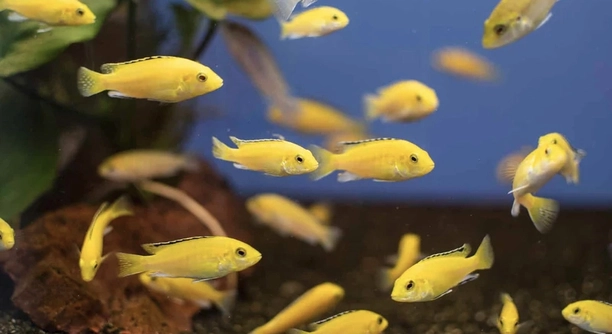
Maintaining a healthy aquarium requires more than just clean water and proper feeding. Observing subtle behaviors in fish can reveal the true stability of a tank. Small patterns often indicate long-term balance and overall aquatic health.
Stable tanks often display consistent schooling, regular feeding responses, minimal aggression, and predictable resting spots among inhabitants. These behaviors indicate environmental balance, appropriate water chemistry, and proper nutrition. Monitoring these subtle actions provides insight into the tank’s long-term stability and fish well-being.
Recognizing these quiet signs helps ensure a thriving, balanced aquarium. Each detail contributes to understanding your aquatic ecosystem more deeply.
Predictable Feeding Responses
Fish in a stable tank respond to food consistently, gathering quickly and eating efficiently. Sudden hesitation or disinterest often indicates stress or water quality issues. Regular feeding times create routines that fish rely on, helping reduce anxiety and encouraging natural behaviors. Observing how fish approach food can reveal both physical health and comfort with their surroundings. Fish that feed calmly without competition or panic suggest a balanced environment. Providing varied diets and avoiding overfeeding supports these predictable responses. When new food is introduced, stable tanks allow gradual exploration without conflict or fear. Monitoring feeding patterns helps identify changes in behavior that may signal underlying problems. This consistency also aids in maintaining proper growth, weight, and overall vitality. Tanks that frequently experience disruptions or overcrowding often show irregular feeding behaviors, signaling the need for attention. Tracking feeding patterns provides a simple measure of stability that reflects both the environment and the fish’s well-being.
Stable feeding patterns indicate a comfortable, stress-free tank with healthy fish routines.
Consistent feeding behaviors show that fish feel secure. When they approach food without hesitation, it reflects proper water conditions, compatible tank mates, and a routine that supports overall health. Monitoring these responses helps maintain a thriving tank environment.
Regular Resting Spots
Fish often choose predictable resting areas within a stable tank. These locations are consistent and show that the environment is comfortable and secure. Changing rest areas or avoiding usual spots can indicate stress, illness, or environmental imbalance. Resting spots are influenced by light, water flow, and tank decorations. Providing shelters or plants helps fish feel safe and encourages natural resting behaviors. Observing where fish rest allows caretakers to monitor comfort levels and make adjustments if necessary. Regular resting patterns reduce stress and support overall health. Fish that consistently use the same areas are more likely to show normal activity, proper feeding responses, and minimal aggression. Environmental stability encourages this behavior, and small disruptions, such as water parameter fluctuations, can quickly alter rest routines. Understanding these subtle signs gives insight into tank health and helps maintain long-term balance, ensuring the fish remain relaxed and active.
Minimal Hiding Behavior
Fish rarely retreat excessively when the tank is stable. Excessive hiding often signals stress, poor water quality, or aggressive tank mates. Observing natural, moderate hiding patterns shows comfort and security.
When fish hide only occasionally, it reflects a well-balanced environment with proper lighting, decorations, and compatible species. Minimal hiding allows fish to explore freely, interact naturally, and display normal behaviors. Overly shy or reclusive fish may indicate sudden changes in temperature, water chemistry, or tank layout. Monitoring hiding patterns helps identify subtle shifts in tank conditions before serious problems occur. A stable tank encourages natural curiosity and reduces unnecessary stress, supporting healthy activity throughout the day. Maintaining consistent maintenance routines and observing these behaviors ensures fish remain comfortable.
Hiding is also influenced by the presence of plants, caves, or other shelters. Fish use these spaces for short periods without disrupting daily activity. Minimal hiding indicates overall security and confidence in the environment. Careful observation helps maintain a stable tank where fish can rest safely while remaining active and engaged with their surroundings.
Smooth Social Interactions
Stable tanks display calm and predictable social behaviors. Fish interact without constant chasing or nipping, and dominant-subordinate relationships are clear and balanced.
When social interactions remain smooth, fish coexist peacefully and engage in normal schooling, feeding, and resting behaviors. Consistent group dynamics indicate proper space, compatible species, and a low-stress environment. Sudden spikes in aggression often point to overcrowding, insufficient hiding spots, or unstable water conditions. Maintaining smooth social interactions promotes efficient feeding, reduces injury risks, and encourages natural behaviors among all inhabitants. Observing these interactions regularly allows early detection of issues and ensures ongoing tank stability.
Smooth social behavior also reflects proper introduction of new fish and adherence to compatible species selection. Fish that interact without tension show that the environment supports healthy communication, hierarchy, and activity levels. Maintaining decorations, shelters, and adequate swimming space enhances these natural interactions. Observing social behavior daily helps catch potential problems early, ensuring the tank remains a balanced, low-stress environment for all inhabitants. Consistent monitoring reinforces overall stability, promoting both physical and mental well-being of the fish.
Steady Swimming Patterns
Fish swim in calm, predictable routes when the tank is stable. Erratic or frantic movements usually signal stress or poor water conditions.
Observing steady swimming indicates comfort and security. Fish maintain consistent energy levels, navigate without hesitation, and respond normally to environmental changes. Stability allows natural exploration and social interactions without fear or conflict.
Consistent Breathing Rates
Fish show regular gill movement when oxygen levels and water quality are balanced. Rapid or irregular breathing can indicate stress, disease, or poor water chemistry. Monitoring breathing provides an immediate measure of overall tank health and helps catch problems before they worsen.
Low Sensitivity to External Stimuli
Fish in stable tanks are less reactive to outside disturbances, such as sudden lights or vibrations. They remain calm, maintaining normal behaviors without panic. Consistent exposure to a secure environment helps fish adapt to minor changes naturally, reducing stress.
Healthy Coloration
Vibrant and consistent coloring is a clear sign of well-being. Dull or faded tones often reflect stress, illness, or poor nutrition. Stable tanks provide proper lighting, diet, and water conditions, supporting natural pigmentation. Regular observation of coloration helps track fish health and maintain an optimal environment.
FAQ
What are the signs of a stable tank?
A stable tank shows consistent behaviors among fish, including steady swimming patterns, minimal aggression, predictable feeding, and regular resting spots. Fish display normal coloration, breathe steadily, and interact without excessive hiding or panic. Observing these subtle behaviors over time gives clear insight into overall tank health. Stable water conditions, proper filtration, and compatible species all contribute to a secure and balanced environment. Consistent routines, including feeding schedules and maintenance, help maintain these indicators. A tank that remains stable allows fish to explore naturally, interact calmly, and thrive without frequent signs of stress or illness.
How often should I observe my tank for stability?
Daily observation is ideal, even if only for a few minutes. Watching how fish swim, interact, feed, and rest helps detect small changes early. Noticing deviations from normal patterns can prevent bigger problems later. While automated monitoring tools exist, personal observation remains essential. Observing over time builds familiarity with natural behaviors and identifies subtle shifts caused by water chemistry changes, new tank mates, or environmental stress. Keeping a brief log of daily behaviors can help track patterns and highlight potential issues before they escalate. Consistency in observation supports proactive maintenance and ensures long-term tank stability.
Why do some fish hide more in certain tanks?
Excessive hiding usually signals stress from overcrowding, aggressive tank mates, poor water quality, or insufficient shelter. In stable tanks, fish hide only briefly and use familiar spaces. Providing adequate plants, caves, or decorations allows fish to rest naturally without fear. Monitoring hiding behavior helps identify discomfort early. Fish that hide constantly may be experiencing environmental changes, illness, or social tension. Adjusting water parameters, ensuring proper feeding, and reviewing tank layout can reduce excessive hiding. Observing which fish hide and when provides insight into both individual and overall tank health. Stable hiding patterns reflect security and comfort.
How can I encourage smooth social interactions?
Ensure the tank has enough space, compatible species, and proper hiding spots. Introducing new fish gradually reduces stress and avoids disrupting established hierarchies. Observing interactions helps identify aggression or bullying early. A balanced environment with predictable feeding schedules and sufficient swimming space supports calm social behaviors. Avoid overcrowding, sudden environmental changes, or incompatible species, which can lead to tension. Decorations, plants, and caves provide natural boundaries and reduce conflicts. Smooth social interactions reflect a secure tank and reduce stress-related behaviors. Maintaining water quality and observing daily ensures fish coexist peacefully.
What does consistent feeding behavior indicate?
When fish approach food calmly and eat efficiently, it shows they feel secure and healthy. Consistent feeding reflects balanced water conditions, proper nutrition, and low stress. Irregular or hesitant feeding can indicate environmental instability, illness, or aggressive tank mates. Monitoring feeding behavior is an effective way to track both tank health and fish well-being. Proper feeding routines prevent overfeeding, competition, and nutritional imbalances. Fish in stable tanks usually respond to food at predictable times without panic or aggression. Keeping track of feeding patterns helps detect subtle changes and maintain a thriving environment.
Why is observing resting spots important?
Predictable resting locations indicate that fish feel safe and the tank environment is balanced. Changes in resting spots can signal stress, illness, or disruptions in the tank. Providing consistent shelters, plants, and decorations supports normal resting behaviors. Fish that rest regularly in familiar spots are likely healthy and comfortable. Observing resting behavior alongside swimming, feeding, and social interactions gives a complete picture of tank stability. It also helps spot early signs of discomfort before they affect feeding, schooling, or coloration. Resting patterns reflect both individual well-being and overall environmental balance.
How do I know if my tank water is stable?
Stable water shows consistent temperature, pH, and clarity, with low ammonia, nitrite, and nitrate levels. Fish behaviors like steady swimming, calm interactions, and regular feeding often reflect good water conditions. Frequent testing, proper filtration, and routine water changes support stability. Observing subtle behaviors alongside water parameters provides a reliable measure of overall health. Stability reduces stress and supports vibrant coloration, smooth social interactions, and predictable feeding and resting patterns. Any sudden behavioral or environmental changes may indicate water instability that needs immediate attention.
Can tank stability prevent illnesses?
Yes. A stable environment reduces stress, which lowers susceptibility to disease. Proper water quality, consistent feeding, and minimal aggression contribute to strong immune responses in fish. Observing subtle behaviors like swimming, feeding, and coloration helps detect early signs of illness. Prompt attention to behavioral changes prevents minor issues from becoming severe. Maintaining stability is one of the most effective ways to support long-term health. Fish in stable tanks are generally more active, feed regularly, and display natural behaviors, all of which contribute to disease prevention.
How long does it take for a tank to become stable?
New tanks require time for the nitrogen cycle to establish and for fish to adjust. Depending on the tank size, species, and setup, stability may take several weeks to months. Regular observation, consistent feeding, and proper maintenance accelerate the process. Stability is indicated by predictable behaviors, calm interactions, consistent resting, and steady water parameters. Patience and careful monitoring are essential during this period. Rapid changes or introducing too many fish at once can delay stability. Observing patterns, adjusting conditions carefully, and maintaining proper routines ensure a long-lasting balanced environment.
What are the benefits of a stable tank?
Stable tanks support fish health, reduce stress, promote natural behaviors, and prevent aggression or illness. Predictable routines allow fish to feed, swim, and rest confidently. Stability also simplifies maintenance, reduces emergency interventions, and ensures long-term balance. Fish in a stable environment display vibrant colors, smooth social interactions, and steady activity. Regular monitoring and adjustments based on behavior observations help maintain these benefits. Stability fosters a secure, low-stress habitat that allows all inhabitants to thrive. By paying attention to subtle signs, caretakers can maintain an aquarium that promotes overall health and longevity.
Word count: 507
Final Thoughts
Maintaining a stable tank requires careful observation, consistent routines, and attention to small details. Fish behavior is the clearest indicator of stability, revealing whether the environment is balanced and secure. Predictable schooling, calm social interactions, steady swimming, and regular resting patterns are all signs of a tank that is functioning well. Monitoring these behaviors helps identify problems early, such as water quality fluctuations, aggressive tank mates, or environmental stress. Small adjustments, like rearranging decorations, adjusting water parameters, or providing extra hiding spaces, can make a significant difference in maintaining a stable environment. Over time, understanding these subtle cues allows caretakers to provide better care and ensures fish remain healthy and active. Stability is not only about water chemistry but also about creating a predictable and comfortable environment where fish can display natural behaviors without stress.
Consistency in care routines is one of the most important aspects of maintaining a stable aquarium. Feeding schedules, water changes, and filtration maintenance all contribute to overall stability. Fish respond positively to predictable routines, which reduces stress and encourages natural behaviors such as feeding, exploring, and interacting with tank mates. Sudden changes in water temperature, pH, or lighting can disrupt these routines, leading to stress and hiding behaviors. Observing feeding patterns, resting spots, and reactions to environmental changes provides insight into the tank’s overall health. Regular monitoring and recording subtle behavior patterns can help caretakers detect issues before they become serious. A tank that is consistently monitored and maintained creates a secure space where fish can thrive, display vibrant colors, and maintain healthy energy levels. By prioritizing routine and careful observation, tank caretakers can ensure a long-lasting, balanced aquarium.
The long-term benefits of a stable tank extend beyond just fish health. A stable environment promotes minimal aggression, proper feeding responses, and smooth social interactions among all tank inhabitants. Fish in stable tanks display natural behaviors more consistently, which reflects both comfort and security. Regular observation of subtle behaviors like steady swimming, predictable hiding, and consistent coloration allows caretakers to maintain balance and prevent issues. Stability also simplifies maintenance, as a well-balanced tank is less likely to experience sudden problems or illness outbreaks. Creating a stable aquarium requires patience, attention to detail, and a willingness to adjust the environment based on careful observation. By focusing on the small behaviors that indicate comfort and security, caretakers can provide a safe and thriving habitat. Over time, this consistent attention not only improves fish health but also creates a more enjoyable and predictable aquarium experience. A stable tank benefits both the inhabitants and the person caring for them, creating a harmonious environment that supports long-term success.
Word count: 418

Hello,
If you enjoy the content that we create, please consider saying a "Thank You!" by leaving a tip.
Every little bit helps us continue crafting quality advice that supports the health, happiness, and well-being of pets around the world, for pets of all shapes, sizes, and species.
We really appreciate the kindness and support that you show us!