
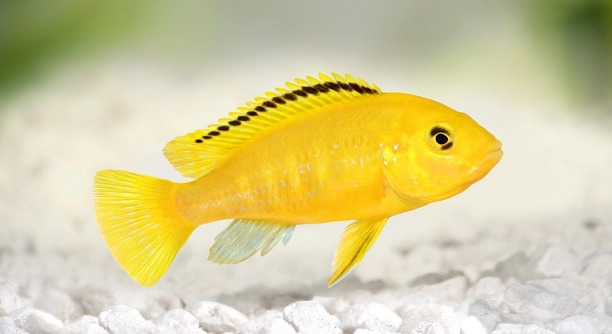
Creating an aquarium that feels both natural and engaging can be a rewarding experience. Selecting the right theme for your aquatic setup adds personality and ensures your fish thrive in a balanced environment. Thoughtful planning is key.
For this species, successful aquarium themes combine environmental enrichment, appropriate hiding spaces, and visual harmony. Decorations, substrate, and plants should replicate natural habitats while considering water chemistry and lighting requirements to support health, behavior, and long-term sustainability of the fish.
Exploring these seven themes will help you design a beautiful and functional aquarium that meets both aesthetic and biological needs. Each option offers unique ways to enhance your aquatic display.
Natural Riverbed Theme
Creating a natural riverbed setup allows the fish to feel at home. Smooth stones, driftwood, and sand mimic the flowing river environment. Using live plants helps maintain water quality and offers hiding spots. This setup encourages natural behaviors, such as foraging and exploring, which keeps the fish active and reduces stress. It also provides visual interest through subtle movement of plants and the natural arrangement of rocks. Maintaining a balance between open swimming areas and covered spaces is essential. Lighting should be moderate to highlight textures without stressing the fish. Careful selection of plant species ensures compatibility with water flow and nutrient levels. Regular cleaning of the substrate prevents debris buildup without disturbing the natural arrangement. Attention to water flow is important, as many river-dwelling fish prefer gentle currents. Adding small water features, like a bubbler or gentle filter output, can enhance circulation while preserving the tranquil atmosphere. This approach creates a dynamic yet calm habitat.
Natural riverbed setups suit species that enjoy mild currents and structured hiding spots.
Replicating a riverbed environment supports natural fish activity. Stones, sand, and driftwood create texture, while live plants maintain water quality and provide shelter. Proper water flow encourages foraging, and balanced lighting ensures comfort. Regular maintenance preserves structure and health, keeping fish thriving.
Coral Reef Inspired Theme
This theme uses bright colors, coral replicas, and varied textures to recreate a reef environment.
A coral reef-inspired aquarium offers visual stimulation and hiding areas. Fish interact with artificial coral while maintaining their natural behaviors.
Careful planning ensures the arrangement is stable and safe for the species. Live or artificial corals should not leach harmful substances. Layering substrates with sand and gravel adds depth. Choosing complementary colors creates contrast and highlights fish patterns. Providing small caves and overhangs allows shy fish to retreat while open areas support active swimmers. Lighting should mimic natural reef conditions, promoting plant growth if live corals are included. Water quality must be closely monitored, as reef setups are sensitive to pH and salinity. Regular cleaning and observation prevent algae overgrowth and maintain clarity. Placement of equipment should not disrupt the visual appeal or fish movement. This setup combines aesthetics and functionality, creating a lively and engaging environment that encourages exploration and interaction, while supporting overall health and long-term well-being.
Zen Garden Theme
A Zen garden aquarium uses minimal decorations, smooth stones, and low plants. It emphasizes calm spaces and symmetry, giving fish room to swim freely while providing subtle hiding spots. Lighting is soft, highlighting textures without overwhelming the tank.
The simplicity of this setup encourages natural fish behaviors without overcrowding. Carefully placed stones and driftwood create focal points while leaving open areas for swimming. Low-maintenance plants, like moss or small ferns, enhance water quality and provide gentle shelter. Gentle filtration keeps water clean without disturbing the serene layout. Soft lighting helps highlight textures and shadows, creating a peaceful visual effect. This style suits species that prefer calm, structured environments and minimal stress.
Maintenance involves regular trimming of plants and occasional repositioning of stones to preserve balance. Cleaning should be gentle to avoid disturbing the Zen arrangement. Water parameters must remain stable to support fish health. The combination of open swimming space, soft lighting, and natural textures ensures a functional and aesthetically pleasing habitat. This layout is ideal for fish that thrive in low-stress, visually simple environments.
Amazon Rainforest Theme
Dense plants, driftwood, and leaf litter recreate a rainforest environment. Fish have ample hiding spaces, and water conditions mimic their natural habitat.
Choosing tall plants and overhanging decorations adds vertical interest and shelter. Substrate should include sand and small leaf litter to simulate forest floors. Driftwood provides resting spots and encourages territorial behaviors. Lighting should be soft to replicate dappled sunlight through foliage. Filtration must maintain water clarity without strong currents, as many species prefer gentle flows. Regular water changes prevent buildup of decaying plant matter, keeping the habitat healthy. Maintaining diverse plants ensures oxygenation and shelter. Monitoring temperature and pH is critical for long-term fish health.
A rainforest-style aquarium creates a vibrant, lush environment. Fish can explore complex structures while feeling secure. Leaves, plants, and driftwood encourage natural foraging and resting behavior. Soft lighting highlights textures and colors without stressing the inhabitants. Proper maintenance balances aesthetics and water quality. This setup supports species that prefer shaded, intricate habitats with gentle currents. Over time, the dense arrangement fosters natural interactions and reduces aggressive behaviors. Such an environment offers a dynamic yet stable ecosystem that benefits both plants and fish, making it a practical and visually pleasing choice.
Minimalist Modern Theme
Clean lines, simple decorations, and uniform substrate define this theme. Open swimming space is prioritized, with only a few plants or rocks for subtle visual interest. Lighting is even and highlights the tank’s simplicity.
This setup emphasizes function and clarity. Fewer decorations reduce hiding spots, encouraging fish to explore and interact. Maintenance is easier, with less debris buildup and simpler cleaning routines.
Jungle Canopy Theme
Tall plants and hanging vines create a canopy effect. Fish navigate through dense foliage while shaded areas offer shelter. Substrate is natural, with leaves and small wood pieces. Lighting is soft, simulating filtered sunlight. Filtration should maintain gentle water flow to avoid disturbing plants. Live plants improve oxygenation and water quality. Regular pruning prevents overcrowding while promoting growth. Driftwood adds texture and resting areas, while careful plant placement maintains swimming space. The combination of height, foliage density, and open water supports both active and shy species. Stable temperature and pH ensure the habitat remains suitable long-term.
Rocky Mountain Theme
Stacked stones and varying rock sizes mimic a mountain stream environment. Fish have crevices to explore and shelter.
FAQ
How do I choose the best theme for my species?
The best theme depends on the natural habitat and behavior of the species. Observe your fish’s activity level, hiding needs, and preferred water conditions. Consider substrate, decorations, and plant types that match their native environment. Matching light, flow, and temperature to natural conditions ensures fish comfort.
Can live plants be used in all themes?
Live plants can be included in most themes, but their placement and care differ. Some species may uproot or nibble on plants. Choose hardy species like Anubias, Java fern, or mosses. Ensure proper lighting and nutrients to support growth without harming fish or disrupting the layout.
How important is water flow in themed aquariums?
Water flow is critical for fish health and theme accuracy. Some species prefer gentle currents, while others thrive in moderate flow. Incorrect flow can stress fish, reduce oxygen, and disturb plants. Adjust filters or add water pumps to mimic natural conditions for each theme.
What substrate works best for different themes?
Substrate choice depends on the theme and species. Sandy substrates suit riverbed or stream setups, gravel works well in modern or rocky designs, and nutrient-rich soil supports jungle or rainforest themes. Consider depth, texture, and ease of cleaning. Some species like burrowing or digging require softer substrates.
How do I maintain decorations safely?
Ensure decorations are non-toxic and aquarium-safe. Rinse rocks, driftwood, and artificial corals before adding them. Avoid sharp edges that can injure fish. Periodically clean items to prevent algae buildup and decay. Placement should allow free swimming space while providing hiding areas and aesthetic appeal.
How often should I clean a themed aquarium?
Cleaning frequency depends on fish load and theme density. Light trimming of plants and substrate cleaning may be weekly. Full water changes every 2-4 weeks maintain water quality. Avoid disturbing the layout excessively; gentle cleaning preserves the theme’s appearance and keeps fish stress-free.
Can artificial decorations replace live plants entirely?
Artificial decorations can replace live plants but may reduce water quality benefits. They offer visual appeal and hiding spots without requiring maintenance. Combine artificial items with some live plants when possible to balance aesthetics, oxygenation, and natural filtration.
How do I balance aesthetics with fish health?
Prioritize fish needs over purely decorative choices. Ensure adequate swimming space, hiding spots, and water quality. Use decorations that mimic natural habitats while avoiding overcrowding. Observation of fish behavior helps determine if adjustments are needed to maintain comfort and reduce stress.
Is lighting important for themed aquariums?
Yes, lighting affects both fish and plant health. Natural-looking lighting enhances colors and promotes plant growth. Adjust intensity and duration to match theme requirements. Too much light can cause algae, while too little can stress plants and fish. Use timers to maintain consistency.
What are common mistakes when setting up a themed aquarium?
Overcrowding, mismatched decorations, improper water conditions, and ignoring species-specific needs are common mistakes. Avoid excessive plants or rocks that reduce swimming space. Ensure filtration, temperature, and pH match natural habitats. Planning ahead and observing fish behavior prevents long-term issues.
How do I encourage natural behaviors in a themed setup?
Provide hiding spots, open swimming areas, and environmental enrichment. Use substrates and decorations that mimic natural habitats. Feeding routines can simulate foraging. Varied textures, plants, and decor stimulate exploration and reduce boredom, keeping fish active and healthy.
Can I mix species in a themed aquarium?
Mixing species is possible if they share similar water requirements, temperaments, and space needs. Avoid aggressive combinations. Compatibility ensures all fish thrive while maintaining the intended theme. Research each species’ habits and needs before introducing them.
How do I prevent algae in a decorated aquarium?
Algae growth is controlled by balancing light, nutrients, and water changes. Avoid overfeeding and maintain proper filtration. Live plants compete with algae for nutrients, and periodic cleaning of decorations prevents excessive buildup. Algae-eating species can also help manage growth naturally.
What role does temperature play in themed aquariums?
Temperature must match the species’ natural environment. Tropical themes often require 24-28°C, while cooler river or mountain setups need lower ranges. Consistent temperature reduces stress and prevents disease. Use heaters or chillers as necessary and monitor regularly.
How do I adapt a theme as fish grow?
Fish size and behavior change over time, so decorations may need adjustment. Increase open swimming areas, reinforce hiding spots, and ensure plants or rocks remain safe. Re-evaluating water flow, lighting, and substrate keeps the habitat functional and visually appealing.
Are there maintenance differences between artificial and live elements?
Live elements require more care, including pruning, fertilization, and monitoring for decay. Artificial items need periodic cleaning but remain stable over time. Combining both allows aesthetic consistency while supporting fish health and ecosystem balance.
How long does it take to set up a themed aquarium?
Setup time varies with complexity, from a few hours for minimalist designs to days or weeks for dense, planted, or reef-inspired themes. Planning substrate layers, decorations, and plant placement ensures a functional layout before introducing fish. Patience is key to long-term success.
Can lighting and decor enhance fish coloration?
Yes, proper lighting highlights natural colors, and certain substrates or background colors improve visual contrast. Plants and decorations create shadows and depth, enhancing patterns and making the aquarium more visually appealing without stressing the fish.
How do I monitor fish health in a themed aquarium?
Observe swimming patterns, feeding behavior, and coloration. Stress, disease, or aggression may indicate environmental issues. Regular water testing ensures parameters remain within safe ranges. Maintaining the theme should never compromise fish well-being; adjustments may be needed over time.
Is it better to start simple or elaborate when choosing a theme?
Starting simple allows observation of fish responses and easier maintenance. Complex layouts can be added gradually. Simple setups reduce mistakes, help balance water chemistry, and give time to understand species behavior before committing to intricate designs.
How do I ensure a theme lasts long-term?
Regular maintenance, monitoring water quality, and replacing or adjusting plants and decorations help sustain the theme. Stable conditions prevent decay or overcrowding. Observing fish behavior ensures the environment remains suitable, preserving both aesthetic appeal and biological balance.
This FAQ addresses the main concerns and practical tips for maintaining a successful themed aquarium. Understanding these elements helps ensure both visual appeal and fish well-being.
Final Thoughts
Choosing the right aquarium theme for your species is more than just decoration. It directly affects how your fish feel, behave, and thrive. A well-planned theme provides hiding spaces, open swimming areas, and environmental enrichment that mimic their natural habitat. Paying attention to substrate, plants, rocks, and lighting ensures both comfort and safety. Each detail, from the size of stones to the placement of plants, contributes to a functional and visually appealing aquarium. Overcrowding or poor arrangement can cause stress, reduce activity, and even impact the health of the fish. Maintaining a balance between aesthetics and practicality is essential. This involves observing the fish, understanding their natural behaviors, and adjusting the layout as needed.
Maintenance plays a crucial role in keeping any themed aquarium successful. Regular water changes, substrate cleaning, and plant trimming preserve water quality and prevent buildup of debris or algae. Monitoring temperature, pH, and filtration ensures a stable environment. Even artificial decorations need occasional cleaning to maintain visual appeal and prevent deterioration. Live plants require additional care, including proper lighting and nutrient supply. Combining live and artificial elements can simplify upkeep while still providing natural hiding spots and environmental stimulation. Planning for long-term care makes it easier to maintain both the health of the fish and the integrity of the theme. Consistency in daily and weekly routines helps prevent sudden changes that can stress the inhabitants.
Every theme has its own advantages and challenges. Whether it’s a Zen garden, a rainforest setup, or a rocky riverbed, the goal is to create an environment that promotes natural behavior while remaining manageable for the owner. Observing fish regularly provides insight into their comfort level, activity, and interaction with the habitat. Adjustments may be necessary as plants grow, fish mature, or decorations shift over time. Thoughtful design, proper care, and attention to detail ensure the aquarium remains both a functional home for the species and an attractive display. Prioritizing the needs of the fish over purely visual choices ensures long-term health and satisfaction, resulting in a thriving, balanced aquatic environment that continues to be enjoyable to maintain and observe.

Hello,
If you enjoy the content that we create, please consider saying a "Thank You!" by leaving a tip.
Every little bit helps us continue crafting quality advice that supports the health, happiness, and well-being of pets around the world, for pets of all shapes, sizes, and species.
We really appreciate the kindness and support that you show us!