
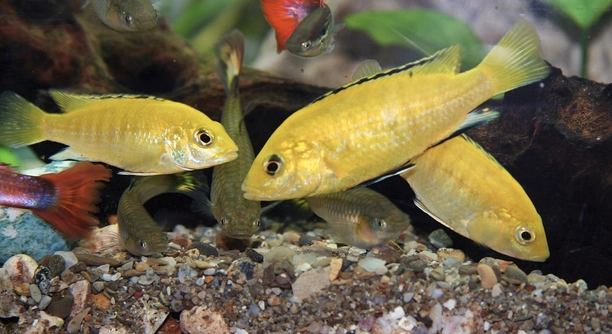
Many aquarists enjoy the calm of a community tank, but even in peaceful setups, subtle changes in fish behavior can signal shifts in territory. Observing these behaviors can help maintain harmony and prevent conflicts.
Subtle territorial shifts in community tanks often occur when dominant fish claim new areas or when smaller fish adjust their positions. Recognizing these changes early allows for proper tank management and reduces stress, promoting a balanced and stable aquatic environment.
Noticing these small adjustments can help you maintain a peaceful community tank and ensure all fish feel secure in their space.
Dominant Fish Claiming New Territories
In many community tanks, dominant fish may start exploring areas they previously avoided. This behavior often coincides with their growth or changes in tank population. They may patrol larger sections of the tank, swim along the substrate, or hover near decorations, asserting control. Other fish may respond by retreating or shifting their usual spots. Observing these patterns is crucial because unchecked territorial expansion can increase stress for other species. Over time, dominant fish may repeatedly chase others away from preferred hiding places or feeding areas, leading to uneven access to resources. Some aquarists notice these shifts gradually, while in other cases, the changes appear quickly after a new addition or rearrangement of decorations. Recognizing which fish are asserting dominance and understanding the underlying triggers helps manage the tank environment effectively. Small adjustments like adding plants or visual barriers can reduce tension and give all inhabitants a fair share of space and comfort.
These territorial changes are usually subtle but noticeable, often affecting the behavior of other tank mates and overall tank harmony.
Addressing dominant fish behavior starts with careful observation. By noting which areas are claimed and how other fish react, you can make informed decisions to reduce stress. Reorganizing decorations, adding plants, or introducing shelters can limit confrontation. Ensuring feeding areas are distributed across the tank prevents smaller fish from being cornered. Monitoring water parameters and keeping a consistent routine helps maintain a calm environment. Sometimes, simply spacing out hiding spots allows subordinate fish to reclaim areas, promoting balance. Over time, consistent observation and minor adjustments encourage peaceful coexistence, reducing aggressive interactions and ensuring all fish have secure zones in the tank.
Shifts in Subtle Body Language
Fish often communicate territorial shifts through small changes in posture or movement. Tail flicks, fin flares, or slow circling can indicate discomfort or assertion.
These signals reveal which fish are adjusting to new boundaries and help you intervene before conflicts escalate.
Observing these cues requires patience. By watching how fish interact near favored spots or feeding areas, you can identify subtle tension. Some species show changes in coloration or minor trembling, which can suggest stress or submission. Recognizing these signs early allows timely intervention, such as adding visual barriers or adjusting groupings. Paying attention to the tank’s daily rhythms and interactions provides insight into unspoken hierarchies and prevents long-term issues. Regular monitoring also helps track which fish thrive and which need additional support, creating a more balanced and healthy environment for all.
Territorial Feeding Zones
Feeding areas can become subtle hotspots for territorial behavior. Fish may defend certain spots, limiting access for others and creating tension during mealtime.
Establishing multiple feeding zones helps distribute attention and reduces competition. Dominant fish often position themselves near preferred areas, chasing smaller fish away. By scattering food and offering small portions in several locations, all fish can eat without confrontation. Observing feeding behavior also provides insight into hierarchy shifts. Some fish may only eat when others are distracted, while others boldly guard their chosen area. Adjusting feeding routines gradually allows fish to adapt, promoting fairness and minimizing stress.
Over time, careful monitoring of feeding zones can prevent aggressive incidents and ensure all fish maintain healthy eating habits. Tracking which species claim which spots helps you anticipate potential conflicts and plan tank layout changes accordingly. Providing extra cover or plants near feeding areas gives timid fish confidence to access food. These small adjustments encourage more equitable sharing, reduce stress levels, and maintain stability in the community tank environment.
Changes Around Hiding Spots
Fish often start claiming new hiding spots as territories shift. This can alter the tank’s social balance.
Subtle repositioning of decorations or plants can trigger these changes. Dominant fish may occupy favored caves or dense plant clusters, while others are forced to explore new areas. Smaller or less aggressive fish may spend more time in open water or less desirable spaces, increasing stress levels. Adding additional shelters or rearranging current ones can help redistribute occupancy and create more comfort zones for all fish. Tracking how often each spot is used reveals patterns and helps prevent prolonged disputes.
Monitoring interactions around hiding spots is key for long-term tank harmony. If fish consistently avoid certain areas, consider why dominance is shifting. Some fish prefer vertical territories, others horizontal. Observation helps you identify which species require more security and which adapt easily. Minor adjustments, such as moving rocks or planting tall vegetation, can balance space without disrupting the tank’s layout. Over weeks, these small changes help all fish feel safe, encourage natural behaviors, and reduce stress-related health issues, contributing to a stable community tank environment.
Movement Patterns Around Decorations
Fish often adjust their swimming paths when territories shift. This can change how they use the tank space.
Dominant fish may patrol high-traffic areas, while others take longer, less direct routes. Observing these patterns helps identify tension points and opportunities for rearranging decorations to ease stress.
Subtle Color Changes
Some fish show minor color changes when claiming new territory or feeling threatened. These shifts are usually temporary but meaningful.
Watching for darker or brighter patches can indicate stress or dominance. Consistent observation helps you respond appropriately, ensuring the tank remains balanced and all fish feel secure.
Vertical Space Adjustments
Fish often use vertical levels differently as territories shift. Subtle changes in position can signal dominance or avoidance.
Careful monitoring of top, middle, and bottom levels allows you to see which fish are claiming space, and whether adjustments to decor or plant placement are needed.
FAQ
How can I tell if a fish is claiming new territory?
Territorial behavior is often subtle. Dominant fish may patrol specific areas more frequently, hover near preferred decorations, or chase smaller fish gently. Changes in swimming routes, positioning during feeding, and increased fin displays can all signal that a fish is asserting control over a portion of the tank.
Why do smaller fish suddenly avoid certain areas?
Smaller or less aggressive fish often retreat when dominant fish expand their territory. This avoidance helps reduce confrontation and stress. If a previously favored hiding spot is suddenly less visited, it usually indicates a shift in hierarchy or space preference among tank inhabitants.
Do territorial shifts affect feeding behavior?
Yes, they can. Dominant fish may guard preferred feeding zones, leaving timid fish to eat elsewhere or wait until the dominant fish moves away. Scattering food in multiple locations or using sinking and floating varieties ensures that all fish get adequate nutrition without conflict.
Can adding plants or decorations reduce territorial disputes?
Absolutely. Strategic placement of plants, rocks, or other decorations can break lines of sight, create more hiding spaces, and distribute dominant influence. Multiple shelters reduce tension by giving shy fish confidence and dispersing dominant activity, which keeps the tank environment calmer overall.
How long does it take for fish to adjust to new territories?
Adjustment times vary by species and individual temperament. Some fish settle within days, while others take weeks to find comfortable zones. Observing daily interactions helps you understand the speed of adaptation and whether interventions, like rearranging shelters, are needed to promote balance.
Should I separate fish if territorial issues persist?
Not always. Persistent issues can sometimes be resolved through tank adjustments, adding visual barriers, or providing additional hiding spaces. Only consider separation if aggression leads to injury or chronic stress, as careful observation and minor changes often restore harmony without splitting the community.
Are territorial behaviors more common in certain species?
Yes, some species naturally exhibit stronger territorial instincts. Cichlids, certain tetras, and bettas often display more pronounced claims, while schooling species like danios or rasboras are generally more flexible. Knowing species-specific tendencies helps plan the tank layout and avoid unnecessary conflicts.
Does tank size influence territorial shifts?
Larger tanks tend to reduce conflict because fish have more space to establish separate areas. Smaller tanks force closer proximity, which can intensify disputes. Even in spacious setups, observing interactions and creating adequate hiding spots ensures a balanced environment for all fish.
How often should I monitor territorial behavior?
Daily observation is ideal, especially during feeding and after tank changes. Monitoring swimming patterns, interactions, and use of shelters helps identify early signs of territorial shifts. Keeping notes on behavior trends allows timely adjustments and prevents long-term stress among tank inhabitants.
Can water quality impact territorial behavior?
Yes. Poor water quality can increase stress, making fish more aggressive or more prone to avoid areas. Maintaining proper filtration, temperature, and regular water changes supports healthy behavior and reduces the likelihood of disputes over territory.
What subtle signs indicate a fish is stressed by territorial changes?
Signs include hiding more than usual, loss of color, erratic swimming, or reduced feeding. Observing these behaviors early allows you to make environmental adjustments before stress affects overall health. Addressing the issue promptly ensures all fish can coexist comfortably.
Is it normal for dominant fish to repeatedly patrol the same spots?
Yes, repeated patrols are typical territorial behavior. Dominant fish use this routine to assert control and maintain awareness of their surroundings. Providing visual breaks and additional shelters helps diffuse tension and gives subordinate fish safe spaces to explore freely.
Can rearranging tank decorations help reestablish balance?
Rearranging decorations can be highly effective. Moving rocks, plants, or other hiding spots changes sightlines and disrupts established patrol routes. This encourages fish to explore new areas and often reduces repeated conflicts, creating a more even distribution of territory across the tank.
How do I encourage shy fish to reclaim space?
Gradually adjust tank layout, add more shelters, and distribute food in less-contested areas. Over time, timid fish gain confidence to explore new zones. Avoid sudden changes or overcrowding, as this can increase stress rather than encourage reclaiming space.
Are there long-term consequences if territorial shifts are ignored?
Ignoring territorial changes can lead to chronic stress, reduced feeding efficiency, and injury from repeated aggression. Long-term tension may affect growth, coloration, and immunity. Early observation and small interventions help maintain a healthier, more balanced community tank for all species involved.
Final Thoughts
Managing territorial shifts in a community tank requires careful observation and attention to detail. Even small changes in fish behavior can signal that one species is starting to claim more space than others. Dominant fish may patrol areas, hover near decorations, or chase smaller fish away from certain spots. These changes do not always result in aggression, but they can create stress for less assertive fish. Watching how fish interact, especially around feeding zones and hiding spots, allows aquarists to understand the social dynamics of the tank. By noting patterns, you can make adjustments before problems escalate, creating a calmer environment for all inhabitants. Even minor interventions, such as adding plants or rearranging decorations, can have a significant impact on reducing tension.
Maintaining balance in the tank also depends on thoughtful placement of shelters and feeding areas. Multiple hiding spots give timid fish confidence to explore and avoid constant confrontation with dominant species. Spreading food across different locations ensures that all fish get their share without forcing competition. Observation is key, as it helps identify which species are asserting dominance and which are avoiding areas. Subtle signs, like minor color changes, fin displays, or altered swimming paths, indicate how fish respond to territorial shifts. Adjusting the tank layout gradually, rather than making sudden changes, allows fish to adapt naturally. Over time, these small steps can lead to a more harmonious community, where each fish has its own space and can move freely without fear of conflict.
It is important to remember that territorial behavior is normal and often unavoidable in mixed-species tanks. Understanding these dynamics helps aquarists make informed decisions to support the health and well-being of all fish. Ignoring subtle signs of stress or conflict can result in reduced feeding, injury, or long-term tension, which affects the overall stability of the tank. By paying attention to daily interactions, monitoring territory use, and providing sufficient resources, you create an environment that encourages peaceful coexistence. The goal is not to eliminate natural behaviors but to manage them in a way that benefits all species in the tank. With patience and observation, community tanks can remain balanced, allowing each fish to thrive in a shared space without constant stress or competition. A thoughtful approach ensures a healthy, stable, and enjoyable aquatic environment for both the fish and the aquarist.

Hello,
If you enjoy the content that we create, please consider saying a "Thank You!" by leaving a tip.
Every little bit helps us continue crafting quality advice that supports the health, happiness, and well-being of pets around the world, for pets of all shapes, sizes, and species.
We really appreciate the kindness and support that you show us!