
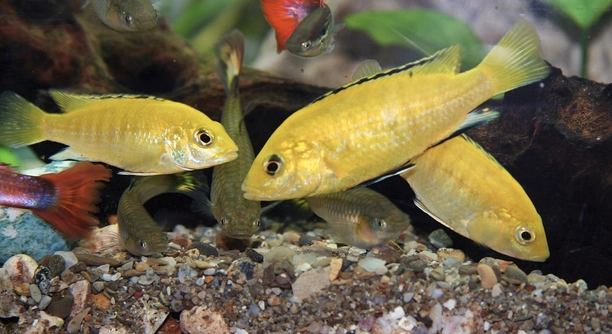
Cichlids are colorful and lively fish, but even small mistakes in their tank can cause them stress. Many owners unintentionally create environments that make their fish anxious or uncomfortable, affecting their behavior and overall health.
Common mistakes that stress cichlids include overcrowding, poor water quality, lack of hiding spaces, incompatible tankmates, improper feeding routines, inadequate filtration, and sudden changes in water parameters. These factors disrupt their natural behaviors and can lead to long-term health issues.
By understanding these small but impactful errors, you can improve your cichlids’ well-being and create a calmer, more balanced tank environment for them to thrive.
Overcrowding the Tank
Keeping too many cichlids in a small tank can quickly lead to stress and aggression. They need space to swim freely and establish territories. Overcrowding increases competition for food, hiding spots, and mates, causing frequent squabbles. It also worsens water quality, making it harder to maintain stable conditions. Even if the tank looks lively, too many fish can overwhelm each other. Watching them constantly chase or nip one another is a clear sign that the tank is too full. Stress from overcrowding can lower immunity, making them more prone to illness. Properly spacing your cichlids helps maintain their health, reduces tension, and allows natural behaviors to occur. Choosing the right number of fish per gallon is crucial, and considering their adult size helps prevent future stress. Rearranging decorations can give a sense of more space, but it doesn’t replace enough swimming room.
A crowded tank raises stress levels, increases aggression, and leads to poorer water quality, which can harm cichlids physically and behaviorally over time.
To keep them comfortable, plan tank size carefully and limit the number of fish. Adding hiding spots and territorial markers can ease tension, helping each cichlid feel secure. Observing their interactions regularly helps you notice signs of stress early, allowing you to adjust the setup or population before problems escalate. Even small adjustments like splitting aggressive fish or rearranging decorations can reduce conflict. Maintaining a balanced environment supports their health, keeps water stable, and encourages natural, calm behavior. Overcrowding is a simple problem to prevent, and taking these steps ensures the tank remains a stable, comfortable habitat for all cichlids. Regular monitoring and careful planning make a big difference in their long-term well-being.
Poor Water Quality
Dirty or poorly maintained water can stress cichlids almost immediately. They are sensitive to changes in pH, ammonia, nitrites, and nitrates, which can rise quickly if the tank isn’t cleaned regularly.
Keeping water clean requires consistent testing, partial water changes, and proper filtration. Neglecting these routines leads to cloudy water, harmful chemical buildup, and unpleasant odors. Even if fish appear healthy at first, prolonged exposure to poor water quality weakens them and increases the risk of disease. Certain cichlids are more sensitive than others, so monitoring water parameters is essential. Using reliable test kits, changing 20–30% of water weekly, and keeping the filter in good condition helps maintain balance. Adding live plants can assist with ammonia absorption, but it doesn’t replace regular maintenance. Small daily habits, like removing uneaten food, prevent water pollution and help fish feel secure. A clean tank creates a stable environment, reducing stress and allowing cichlids to display natural behavior. It also improves color, activity, and overall health. Over time, maintaining excellent water quality becomes routine and highly rewarding.
Lack of Hiding Spaces
Cichlids need places to retreat when they feel threatened. Without hiding spots, they become anxious and may act aggressively or hide constantly. Rocks, caves, and plants create security and reduce stress.
Providing sufficient shelters prevents constant chasing and fights. It allows shy fish to rest and reduces territorial disputes. In tanks without hiding spaces, dominant cichlids control most areas, forcing others into constant stress. Adding caves or dense plants in different corners gives each fish a personal retreat. Even rearranging decorations occasionally can refresh the environment and lower tension. Hiding spots also mimic their natural habitat, helping them feel safer and more relaxed.
Hiding spaces benefit breeding pairs as well. Many cichlids prefer secluded spots to lay eggs and protect fry. Lack of proper shelters can interfere with natural behaviors, causing poor breeding success. By observing their use of caves or plant cover, you can adjust the layout to better suit the group. Providing varied and adequate shelters supports social hierarchy while keeping the tank peaceful.
Incompatible Tankmates
Mixing cichlids with species that have different temperaments can create constant conflict. Aggressive fish stress peaceful cichlids, while timid fish get bullied.
Even fish that seem calm may trigger fights over food or territory. Choosing compatible species based on size, aggression, and behavior helps maintain balance. Some cichlids are more territorial, while others are social, so knowing their tendencies prevents unnecessary stress. Incompatible tankmates can lead to injuries, hidden stress, and suppressed natural behaviors, affecting health. Proper research before introducing new fish ensures harmony.
Compatibility also affects feeding and water requirements. Different species may need distinct diets or thrive in varying water conditions, creating stress if combined. Even small differences in temperature or pH preferences can disrupt harmony. Observing interactions carefully allows for timely adjustments, like separating aggressive fish or changing tank layout. Planning tankmates thoughtfully creates a stable, calm environment, supporting overall health and natural behavior. Proper pairing reduces daily tension and helps all fish feel secure.
Improper Feeding
Overfeeding or underfeeding cichlids can cause stress and health problems. Uneaten food pollutes the water, while insufficient food leads to aggression and malnutrition.
Feeding the right amount at consistent times helps maintain calm behavior. A balanced diet supports growth, color, and energy, keeping cichlids healthy and active.
Inadequate Filtration
Poor filtration allows waste and toxins to accumulate quickly. Strong or weak filters disrupt water flow, making fish uncomfortable. Maintaining a filter suited to tank size ensures water stays clean and oxygenated. Regular cleaning and monitoring are essential to prevent buildup that stresses cichlids.
Sudden Changes in Water Parameters
Cichlids are sensitive to abrupt shifts in temperature, pH, or hardness. Sudden changes trigger stress, suppress immunity, and can cause illness. Gradual adjustments help them adapt without discomfort, keeping their behavior and health stable.
Lack of Observation
Ignoring daily fish behavior can let small problems grow unnoticed. Stress signs include hiding, loss of color, or aggression. Regular observation helps catch issues early, ensuring timely corrections.
How can I tell if my cichlids are stressed?
Stressed cichlids often show changes in behavior and appearance. They may hide more than usual, swim erratically, or display aggression toward tankmates. Loss of color, clamped fins, and reduced appetite are common signs. Observing these behaviors consistently helps identify stress before it affects their health.
What is the best way to prevent overcrowding?
Start with the proper tank size for the species you keep. Research the adult size of each cichlid and plan the number of fish accordingly. Avoid adding too many fish at once. Using decorations to create territories can help, but it doesn’t replace sufficient swimming space.
How often should I clean my cichlid tank?
Partial water changes of 20–30% weekly are ideal for most tanks. Remove uneaten food and debris daily. Clean the filter according to manufacturer instructions without disrupting beneficial bacteria. Regular maintenance keeps water parameters stable, preventing stress and disease.
What type of hiding spaces should I provide?
Caves, rocks, and dense plants are excellent choices. Provide multiple shelters to reduce competition and allow shy fish to retreat. Rearranging decorations occasionally refreshes the environment. Shelters mimic natural habitats, helping fish feel safe and lowering stress.
Which fish make good tankmates for cichlids?
Choose species with similar size, temperament, and water requirements. Avoid overly aggressive or very timid fish. Research the specific type of cichlid you have, as some are highly territorial while others are more social. Observing interactions helps ensure harmony and reduces stress.
How do I manage feeding to reduce stress?
Feed small portions multiple times a day, ensuring all fish get food. Remove uneaten food promptly to prevent water pollution. Offer a balanced diet with pellets, flakes, and occasional live or frozen food. Consistent routines help fish feel secure and reduce competition-related aggression.
Can sudden changes in water harm cichlids?
Yes. Abrupt shifts in temperature, pH, or hardness can stress cichlids and weaken their immune system. Always introduce changes gradually over hours or days. Using a heater, buffer, or conditioner can stabilize water slowly, keeping fish comfortable and healthy.
How do I know if filtration is adequate?
Water should remain clear, oxygenated, and free of debris. Observe flow patterns; too strong can stress fish, too weak fails to remove waste. Clean and maintain filters regularly. Proper filtration prevents toxin buildup and supports stable water conditions, which reduces stress.
What should I do if my cichlids are showing stress signs?
Identify and correct the source immediately. Adjust population density, improve water quality, provide shelters, or remove incompatible tankmates. Gradual changes in diet or water parameters help them recover. Monitoring their behavior after adjustments ensures they return to normal.
How important is daily observation?
Daily checks let you spot minor problems before they escalate. Look for abnormal behavior, color changes, or illness. Observing feeding and interactions helps maintain a peaceful, stable tank. Prompt action prevents long-term stress and supports overall cichlid health.
These FAQs cover the most common causes and solutions for stress in cichlids, providing practical steps to maintain a calm, healthy environment. Regular monitoring, proper care, and attention to tank setup make a big difference in their well-being.
Caring for cichlids can be very rewarding, but it requires attention to small details that affect their comfort and health. Even tiny mistakes in tank setup or daily routines can create stress that impacts behavior, growth, and overall well-being. Overcrowding, poor water quality, lack of hiding spaces, incompatible tankmates, improper feeding, inadequate filtration, and sudden changes in water parameters are all common issues that many cichlid owners face. Recognizing these factors early and addressing them can make a significant difference in how your fish interact and thrive. Cichlids are naturally active and territorial, and their stress levels often show in their behavior and appearance. By carefully observing them, you can spot problems before they lead to illness or aggression, helping maintain a more balanced and peaceful tank environment. Taking simple preventive steps, like maintaining water quality and providing enough space, ensures your cichlids can grow and display natural behaviors without unnecessary stress.
Maintaining a healthy cichlid tank also involves consistency and routine. Water changes, feeding schedules, and filter maintenance should be carried out regularly to prevent harmful buildups of toxins and to keep the environment stable. Introducing hiding spaces and decorations in strategic locations can reduce tension between fish, allowing shy or weaker individuals to feel secure. Choosing compatible tankmates based on temperament, size, and behavior reduces conflict and promotes harmony. Even small adjustments, like rearranging decorations or adding additional shelters, can refresh the environment and lower stress. Paying attention to feeding routines also helps prevent competition or aggression over food, ensuring all fish get enough nutrition. Gradual changes in water parameters and careful monitoring of daily behavior help cichlids adapt without discomfort. Overall, attention to detail and patience are key to creating a stable environment where fish feel safe and healthy.
Ultimately, a calm and thriving cichlid tank reflects careful planning, observation, and maintenance. Each adjustment, whether it’s adding hiding spots, managing the number of fish, or keeping water clean, contributes to a more comfortable habitat. Stress in cichlids is often avoidable when owners are proactive and aware of their fish’s needs. Observing behavior, recognizing early warning signs, and taking corrective action quickly can prevent long-term issues. By understanding how small mistakes affect stress levels, you can provide an environment that allows cichlids to display their natural colors, interact peacefully, and grow healthily. Maintaining this balance takes effort, but it rewards you with a lively, vibrant aquarium and healthier fish. In the end, careful attention to tank setup and daily care ensures that your cichlids remain active, happy, and resilient for years to come.

Hello,
If you enjoy the content that we create, please consider saying a "Thank You!" by leaving a tip.
Every little bit helps us continue crafting quality advice that supports the health, happiness, and well-being of pets around the world, for pets of all shapes, sizes, and species.
We really appreciate the kindness and support that you show us!