
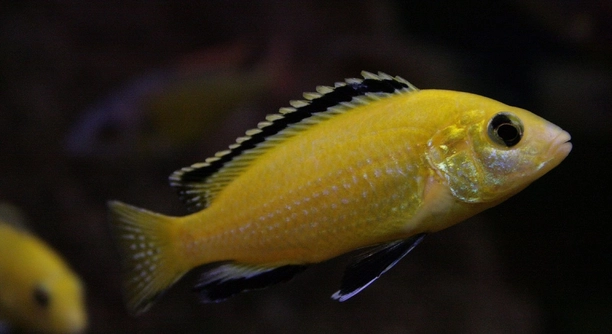
Have you ever noticed how electric yellow cichlids seem to move together effortlessly in aquariums? Their bright color and lively presence make them a favorite among hobbyists, but their social habits are just as fascinating to observe.
Electric yellow cichlids exhibit shoaling behavior as a natural social strategy. They group together for safety, communication, and efficient foraging. Shoaling reduces stress and increases survival rates, highlighting the importance of maintaining compatible group sizes in captivity.
Learning more about their social patterns helps hobbyists create healthier environments. Observing how they interact offers insight into their needs and daily behaviors.
Shoaling Behavior and Group Dynamics
Electric yellow cichlids are naturally social fish, often forming tight shoals in both natural and aquarium settings. I’ve noticed that when kept in small groups, they can become shy or even aggressive. Shoaling helps them feel secure and reduces stress, allowing their bright colors to really shine. In larger groups, they establish a hierarchy, with dominant individuals often guiding movement and feeding patterns. This hierarchy is not rigid, and shifts can occur depending on the personalities and sizes of the fish. Shoaling also encourages natural behaviors like synchronized swimming and foraging, which makes observing them much more interesting. Their interactions show clear signs of communication, such as fin displays and body positioning, which help them avoid conflicts while maintaining group cohesion. Providing enough space and hiding spots ensures that each fish can retreat if needed, which keeps the shoal stable. Overall, understanding their group dynamics is essential for maintaining healthy, active cichlids.
Shoaling keeps electric yellow cichlids calmer and more confident. Groups provide safety and encourage natural behavior.
Keeping their environment suitable is crucial. Proper tank size, compatible companions, and minimal stress help maintain group cohesion. Fish thrive when their social needs are met consistently.
Feeding Habits Within Shoals
Electric yellow cichlids show unique feeding behaviors in shoals. When food is introduced, they often cluster together, with dominant fish eating first. I’ve observed that providing multiple feeding spots reduces competition and prevents stress. Shoaling encourages cooperation; fish learn from watching others and quickly locate food. Their diet should include high-quality flakes, pellets, and occasional live or frozen foods to maintain vibrant colors and energy levels. Overfeeding can cause water quality issues, which affects the entire shoal, so portion control is important. Feeding at the same time each day helps them develop a routine, reducing anxiety and aggression. Observing their feeding order and interaction offers insights into social structure, showing which fish are more dominant or submissive. Overall, feeding within shoals is more than nutrition—it reinforces social bonds and promotes healthier, happier fish.
Feeding patterns reveal social hierarchy in cichlid shoals. Observing interactions provides insight into group behavior and health.
Consistent feeding practices and varied diet are essential for maintaining vibrant, active electric yellow cichlids. Providing enough space and food minimizes aggression, while careful observation helps detect any illness or stress early. Adjusting feeding methods based on shoal dynamics supports both growth and social stability, ensuring the tank remains a balanced and lively environment for all members. Watching how fish interact during feeding can also improve overall tank management, making the aquarium more enjoyable to maintain while supporting the well-being of the shoal. Proper diet and feeding routine ultimately strengthen the social structure and reduce conflicts, creating a harmonious environment that highlights their natural colors and behaviors.
Tank Setup for Shoaling
A proper tank setup is essential for electric yellow cichlids to thrive in shoals. They need enough space to swim freely, hiding spots, and open areas for group interactions. Overcrowding can lead to stress and aggression, while a well-structured tank supports natural behavior.
Providing at least 55 gallons for a small shoal allows fish to establish territories without constant conflict. Rocks, caves, and plants create hiding spots, which are critical when dominant fish chase others. Open swimming areas let the shoal move together naturally, while proper filtration and water flow maintain water quality. Temperature should remain steady, around 74-82°F, with pH between 7.5 and 8.5. Substrate choice, such as sand or fine gravel, also matters since cichlids like to dig. Careful attention to lighting, decoration placement, and tank layout encourages shoaling while minimizing stress. Observation helps determine if adjustments are needed for a balanced environment.
Shoaling behavior is enhanced when the tank provides both security and space. Fish can form natural groups without constant fighting.
Breeding Behavior in Shoals
Shoaling impacts breeding behaviors, as electric yellow cichlids often show more confidence in groups. Males display brighter colors and perform courtship rituals when females are nearby. I’ve noticed that when kept alone, they are less likely to show these behaviors. Providing multiple hiding places allows females to avoid aggressive males until ready to spawn. Spawning typically occurs on flat rocks, and both parents guard the eggs and fry. Group dynamics influence which males succeed, as dominant males often secure the best sites. Watching these interactions can teach a lot about social hierarchy and reproductive strategies within the shoal.
When observing a breeding shoal, dominance and territorial behaviors are clear. Males compete for females while maintaining the group’s cohesion.
Proper tank conditions, such as stable water parameters and sufficient space, are crucial for successful breeding. Maintaining a shoal with enough males and females encourages natural courtship and reduces stress-related aggression. Environmental enrichment, like rocks and caves, gives fish control over territory, which enhances spawning success. Monitoring water quality and removing uneaten food ensures eggs and fry remain healthy. Understanding these dynamics helps create a balanced breeding environment where fish can thrive socially and reproductively. Careful observation allows adjustments to tank setup and group composition, supporting both adult fish and future generations.
Common Shoaling Mistakes
Overcrowding is a frequent mistake with electric yellow cichlids. Too many fish in a small tank increases stress, aggression, and disease risk. Maintaining the proper group size and tank volume is essential for healthy shoaling.
Neglecting hiding spots is another issue. Without caves, rocks, or plants, shy fish may be constantly harassed. A balanced environment reduces tension and allows the shoal to display natural behaviors, keeping all members active and healthy.
Monitoring Social Hierarchy
Watching how cichlids interact helps maintain a peaceful shoal. Dominant fish may chase or push others, which is normal, but excessive aggression indicates stress. Regular observation lets you adjust tank conditions, rearrange hiding spots, or separate overly aggressive individuals to preserve harmony within the group.
Stress Indicators
Signs of stress include faded color, erratic swimming, and hiding more than usual. Noticing these behaviors early helps prevent serious health issues and ensures the shoal remains balanced and active.
Tank Maintenance
Consistent water changes and cleaning are crucial. Poor water quality can disrupt shoaling, increase stress, and harm fish health. Filtration should match tank size, and testing parameters like pH, temperature, and ammonia keeps conditions stable for all shoal members.
FAQ
How many electric yellow cichlids should be kept together?
Shoaling is a natural behavior for electric yellow cichlids, so keeping them in small groups is essential. Ideally, a minimum of six fish creates a stable social structure. Smaller groups may lead to shyness or aggression, while larger groups require sufficient tank space and hiding spots to prevent conflict.
What size tank is best for shoaling?
A 55-gallon tank is recommended for a small shoal of six to eight cichlids. Larger groups need more space to swim freely and establish territories. Adequate open swimming areas and hiding places like rocks and caves reduce stress and support natural shoaling behavior.
Do they need hiding spots?
Yes, hiding spots are critical. Cichlids use caves, rocks, or dense plants to retreat when threatened or avoiding dominant fish. These areas allow shy fish to recover and prevent excessive aggression, helping maintain a balanced shoal with less stress.
How does feeding affect shoaling?
Feeding impacts group dynamics. Dominant fish usually eat first, but multiple feeding areas reduce competition. Offering a balanced diet of flakes, pellets, and occasional live or frozen foods keeps all members healthy. Consistent feeding schedules also help reduce stress and aggression.
Can shoaling reduce aggression?
Yes, appropriate shoaling minimizes fighting. In groups large enough to establish a social hierarchy, dominant and submissive roles are clearly defined. This reduces random attacks and encourages coordinated movement. Overcrowding, however, can increase aggression, so maintaining proper numbers is crucial.
How do they communicate within a shoal?
Electric yellow cichlids communicate through body language, fin displays, and swimming patterns. These signals indicate dominance, submission, and territory boundaries. Observing these behaviors helps identify social hierarchy and ensures the group remains stable without unnecessary conflicts.
Does shoaling improve breeding success?
Shoaling positively influences breeding. Males in groups display brighter colors and court females more confidently. A well-structured tank with hiding spots allows females to avoid aggressive males until ready to spawn. Group dynamics often determine which males successfully secure spawning sites.
What are the signs of a stressed shoal?
Stress signs include faded color, erratic swimming, excessive hiding, or reduced appetite. These indicate overcrowding, poor water quality, or insufficient hiding spots. Early intervention, such as adjusting tank layout, water conditions, or group composition, helps prevent long-term health issues.
How often should water be changed for a shoal?
Regular water changes are essential. A 20-25% weekly change helps maintain stable parameters and removes waste that could disrupt social behavior. Testing pH, temperature, ammonia, nitrite, and nitrate ensures water remains suitable for the shoal, keeping fish healthy and active.
Can electric yellow cichlids live with other species?
They can, but tankmates must be carefully chosen. Non-aggressive, similarly sized fish are best. Mixing with overly aggressive or tiny species may lead to stress or predation. Observing interactions is important to ensure shoaling behavior and group cohesion remain unaffected.
Is it necessary to rearrange the tank?
Occasionally rearranging decorations can prevent territorial disputes. Rocks, caves, and plants should be repositioned carefully to reduce stress while maintaining hiding spots. Minor changes stimulate exploration and can improve shoaling by encouraging natural movement patterns.
How do I know if my shoal is balanced?
A balanced shoal shows coordinated swimming, clear social hierarchy, and minimal chasing outside normal interactions. Fish display vibrant colors, eat well, and have access to hiding areas. Observing these behaviors over time helps identify if adjustments in group size, tank setup, or feeding are needed.
Can shoaling behavior change over time?
Yes, it can. New fish, growth, or changes in tank conditions may alter hierarchy and interactions. Introducing fish gradually, monitoring behavior, and providing space and hiding spots help maintain a stable shoal as dynamics evolve.
Are all cichlids equally social?
No, individual personalities affect shoaling. Some fish are naturally more dominant or shy, impacting group dynamics. Understanding these tendencies helps in arranging tanks and providing an environment that supports healthy social behavior for all members.
Electric yellow cichlids are remarkable fish that thrive in groups. Their natural shoaling behavior helps them feel secure and reduces stress, making it easier for them to display bright colors and natural behaviors. In aquariums, understanding this behavior is key to keeping them healthy and active. Watching a shoal move together, interact, and establish hierarchy can be very rewarding. It shows how much social structure matters to these fish, and how environment and tank setup directly influence their comfort and behavior. Providing the right number of fish, proper hiding spots, and enough swimming space allows them to develop natural patterns and reduces unnecessary stress or aggression. Their interactions are not random; they are guided by clear social rules that emerge when the tank is properly managed. A well-planned tank encourages cooperation and balance within the group, which supports both their physical health and social stability.
Proper tank maintenance is equally important for supporting shoaling behavior. Clean water, stable temperature, and balanced nutrition all contribute to a healthy environment where these cichlids can thrive. Overcrowding or poor water conditions can cause stress, leading to faded colors, aggression, and even illness. Providing multiple feeding points and monitoring interactions ensures that all fish receive proper nutrition and reduces competition within the group. Hiding spots such as rocks, caves, or dense plants allow shy or subordinate fish to retreat when necessary. These environmental factors are just as critical as group size in maintaining a harmonious shoal. Watching how each fish responds to its surroundings gives valuable insight into their social hierarchy and helps identify when adjustments are needed. Even small changes in tank layout or water quality can affect the overall balance, so careful observation and maintenance are essential.
Shoaling behavior also plays a role in breeding and overall social development. In groups, males display brighter colors and perform courtship behaviors more confidently, while females can choose safer spaces to spawn. The social structure within the shoal influences which males succeed, highlighting the importance of maintaining a balanced group. Over time, the dynamics within the shoal may change as fish grow or new members are introduced, and a carefully arranged environment helps manage these shifts. Observing the shoal daily can help prevent aggression, ensure fish are feeding properly, and detect early signs of stress or illness. By understanding the natural tendencies of electric yellow cichlids and providing the right conditions, hobbyists can create an aquarium where these fish thrive socially, physically, and visually. A thoughtful approach to tank setup, maintenance, and observation ensures that the shoal remains active, healthy, and vibrant over time.

Hello,
If you enjoy the content that we create, please consider saying a "Thank You!" by leaving a tip.
Every little bit helps us continue crafting quality advice that supports the health, happiness, and well-being of pets around the world, for pets of all shapes, sizes, and species.
We really appreciate the kindness and support that you show us!