
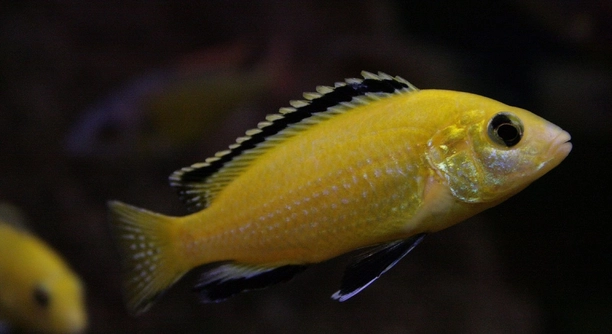
Have you ever wondered how your aquarium community handles the presence of fast moving tankmates, creating moments that feel playful yet chaotic as different species respond in their own unique ways within the shared space.
Fast moving tankmates trigger a range of behavioral responses in surrounding fish, influencing stress levels and social patterns. These reactions arise from instinctive survival mechanisms that shape how each species interprets rapid motion and adjusts to environmental changes within habitat.
Understanding these reactions helps reveal subtle shifts occurring beneath surface, guiding you toward a calmer and balanced aquarium experience daily.
Startled Reactions and Sudden Retreats
Many fish react to fast moving tankmates with sudden retreats that look sharp and unexpected. I have seen this happen often, and it usually appears when a quick swimmer cuts across the tank too rapidly. The startled fish pull back toward plants, rocks, or whatever structure helps them feel hidden. This response is a natural way for them to regain a sense of safety when the flow of movement around them becomes overwhelming. Even peaceful species can show this reaction when motion near them feels too intense. The retreat usually lasts only a moment, but it can repeat several times if the energetic swimmer keeps rushing across their space. These short bursts of withdrawal do not always mean serious distress, but they can show that the environment needs more balance. When you notice these patterns, small changes in layout or stocking can help reduce stress for your slower tank residents.
Some fish continue this reaction throughout the day, especially if they share the tank with very active swimmers that never slow down. This steady pattern can wear them out and limit their natural behavior.
With gentle observation, you can spot these responses early and adjust the habitat so each fish feels secure without constant pressure from faster tankmates.
Chasing Patterns and Competitive Bursts
Fast moving tankmates often trigger quick bursts of chasing among more active species, creating short displays of competition that may appear playful at first glance but can grow into persistent tension in shared spaces.
These bursts can start when a swift swimmer darts across the tank and another fish responds instantly, matching the speed to maintain control of a favored zone. Over time, repeated bursts can lead to dominance displays that unsettle calmer species nearby. I have noticed this happens most in smaller tanks where territory feels tight and movement paths overlap too often. When chasing becomes frequent rather than occasional, it may push slower fish to hide more, eat less, or stay away from brighter areas of the tank. Adjusting decorations, adding plant cover, or spacing out feeding spots can help reduce these high energy races. You want your tank to feel active without creating constant strain for species that prefer steadier and quieter surroundings.
Stress Flicks and Rapid Fin Movements
Some fish respond to fast tankmates by flicking their fins in quick, tense motions that signal discomfort. I have seen this happen when active swimmers sweep through calm areas, causing slower species to tense up and shift their posture repeatedly throughout the day.
These movements can appear subtle at first but grow more noticeable when the fast swimmer keeps cutting across their path. The stressed fish may hover near the edges of the tank, tilt slightly, or give abrupt twitches as they try to settle themselves. These reactions can disrupt their feeding habits, rest patterns, and general comfort. When this continues, it helps to place more plants or decorations between activity zones, allowing slower fish to stay in calmer sections without constant visual stimulation. This simple arrangement gives them steady ground where they can regain confidence without feeling overwhelmed by nonstop motion.
Over time, these stress flicks can become a regular part of their behavior if nothing changes. I have watched peaceful species grow more skittish when they cannot escape busy tankmates darting around them. They may start avoiding open water and instead stick to shadowed corners, reducing their natural movement. Creating clear zones with gentle flow and visual breaks lets your quieter fish settle down and regain a healthier rhythm.
Curiosity Trails and Investigative Following
Some species react with gentle following behavior, gliding behind their fast tankmates as if studying the movement. It can seem sweet at first, but it often shows the slower fish trying to understand the activity happening around them without knowing how to engage.
This following pattern can become more pronounced when the fast swimmer repeatedly loops around shared spaces. I have noticed that curious fish may keep a steady but cautious distance, trailing behind and adjusting their speed to stay close enough to observe. While not aggressive, this behavior can lead them into energetic zones where they feel out of place. Over time, repeated exposure to these high activity paths can make them restless or unsure of where to settle. Offering a mix of open swimming space and quieter pockets can help these curious fish return to their normal routines without constantly tracking faster tankmates.
Defensive Posturing and Space Guarding
Some fish respond to constant fast movement by guarding their space more firmly, holding a steady position and widening their fins. I have seen this happen when energetic swimmers keep brushing past areas that calmer fish prefer to claim.
When this continues, the guarding behavior can grow stronger. The fish may take shorter patrols, circle their chosen area, or hover just above it while keeping a close watch on every quick motion nearby.
Energy Spikes and Resting Disruptions
Fast tankmates can cause certain species to shift between bursts of energy and long periods of stillness. I have watched fish that normally move gently become jumpy, then settle heavily in shaded corners as they try to regain balance.
Shadow Tracking and Light Sensitivity
Some fish start paying extra attention to shifting shadows created by fast swimmers, reacting to every flicker of light. This can pull them out of their usual routines and make them more alert than they would be in a calmer environment.
FAQ
Why do some fish get stressed when fast tankmates swim around them so quickly?
Many slower species struggle with sudden motion because it feels unpredictable. I have seen calm fish jolt or retreat when a fast swimmer darts past them without pause. Their instinct pushes them to react as if something dangerous just rushed through their space. Even when nothing harmful is happening, the repeated bursts of motion create tension. Over time, this can affect their appetite, their resting habits, and how confident they feel in open water. Creating more visual breaks and quiet sections in the tank helps them avoid constant stimulation and regain a steady rhythm.
Can fast moving tankmates cause long term behavior changes in calmer fish?
Yes, they can. When slower fish face nonstop activity, they may shift into patterns that are not natural for them. I have watched peaceful species become more cautious, staying close to plants or rocks for most of the day. They stop exploring the tank freely and lose interest in the open areas they used to enjoy. If you notice this happening, it usually means the environment needs adjustments. Adding more cover or widening the layout can help reduce the pressure created by constant speed. Once things settle, many fish slowly return to their usual habits.
Is chasing always a sign of aggression when faster fish are involved?
Not always. Sometimes chasing is simply an energetic response, especially in active species that enjoy quick bursts of motion. I have seen these bursts appear playful, but they can shift into something more intense when space is limited or paths overlap too often. If the chasing repeats for long stretches or causes other fish to hide, it becomes a concern. The behavior can create tension even if no one is getting hurt. A more spacious setup or a better arrangement of decorations can help break up the paths that trigger these chases.
How can I help slower fish feel safer around fast swimmers?
Creating distinct zones works well. I often place tall plants, textured rock structures, or driftwood between high activity areas and calmer resting spots. This gives slower fish a barrier that softens movement and helps them stay relaxed. When they have access to quiet corners, they do not have to react to every sudden flash of motion. This layout also helps fast swimmers enjoy their space without overwhelming others.
Do fast moving fish always cause problems in a mixed community tank?
No, not always. Many community setups stay balanced as long as the environment supports different activity levels. Some slow species become used to the movement and simply ignore it. The problems start when speed and size differences are too extreme or when the tank is too small for everyone to spread out. I have seen tanks stay peaceful for years with mixed activity levels, as long as there is enough space and variety in the layout.
Why do some fish start following fast tankmates around the tank?
Curiosity plays a big role. Some species respond to quick movement by trailing behind, trying to understand what is happening. They may not want to join the fast swimmer, but they feel drawn to the activity. Over time, this following can lead them into zones that feel too busy or bright for their comfort. When this happens often, it can create mild restlessness. Offering them calmer pockets in other areas helps them settle without feeling pulled into fast paced sections of the tank.
Can lighting changes help reduce stress caused by fast movement?
Yes, softer lighting often helps. Bright light makes every quick motion more intense, and this can amplify stress. When I dim the lighting slightly or add floating plants that scatter the light, slower fish relax more easily. Their reactions become gentler, and they stop overreacting to small bursts of motion.
How do I know when fast tankmates are truly causing problems for others?
You can usually tell by watching how slower fish behave throughout the day. If they hide more, move less, or flick their fins repeatedly, something is off. When these patterns stay consistent, it often points to stress caused by the nonstop motion around them. Adjusting the tank setup typically helps restore balance.
Final Thoughts
Fast moving tankmates can shape the behavior of every fish in the aquarium, and understanding these responses helps create a calmer space for everyone. I have watched peaceful fish change their routines simply because their environment felt too busy. They start drifting toward shaded corners or staying close to structures that give them comfort, even if they once enjoyed swimming through open water. When fast swimmers dominate the central areas, slower species begin making choices based on avoidance rather than curiosity or habit. This shift does not happen all at once. It appears slowly, through small changes that build up over time, and these changes can tell you a lot about how balanced your tank truly is. Paying attention to these signals makes it easier to offer support before stress begins affecting health or long term wellbeing.
Creating a better layout can ease much of this tension. Small adjustments, like adding more plants, placing decorations at gentle angles, or widening open paths, can help each species settle into its own rhythm. I have seen tanks transform simply because the movement patterns became softer and more predictable. When slower fish have quiet sections where they can rest without interruption, they start returning to their natural behaviors. They swim more steadily, feed with confidence, and explore at their own pace. Fast swimmers also benefit from defined routes, because it gives them energy outlets without forcing other fish to react constantly. This kind of balance does not require major changes or expensive equipment. It relies more on observing how different species move, how they react to one another, and how they settle once the environment supports everyone equally.
Caring for a mixed community tank becomes much easier when you recognize how movement influences behavior. Fast swimmers bring energy, color, and life to the aquarium, but they also create moments that can overwhelm calm species if there is not enough space or cover. By understanding the patterns, you can create a setup that feels peaceful without losing the activity that makes the tank enjoyable. I have learned that even the smallest details matter, like where light falls or how shadows shift during the day. When everything works together, each fish finds its place and the tank feels more comfortable to watch and maintain. This balance gives your fish room to grow and adapt in a way that feels natural, allowing the entire community to thrive in a stable and reassuring environment.

Hello,
If you enjoy the content that we create, please consider saying a "Thank You!" by leaving a tip.
Every little bit helps us continue crafting quality advice that supports the health, happiness, and well-being of pets around the world, for pets of all shapes, sizes, and species.
We really appreciate the kindness and support that you show us!