
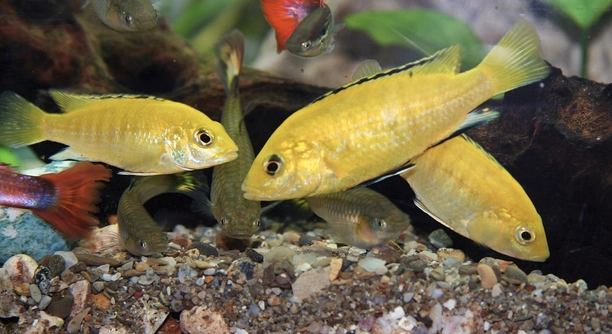
Many aquarium owners enjoy watching their fish move gracefully through the tank. Over time, subtle behaviors and gestures toward the tank glass begin to catch their attention. These actions reveal much about the fish’s mood and environment.
Fish often use gestures toward tank glass as a form of communication. These behaviors can indicate curiosity, territorial instincts, or the desire for interaction. Observing these movements helps owners understand the well-being and emotional state of their fish.
Learning to recognize these signals can improve your relationship with your fish. Each gesture provides insight into their daily habits and comfort within the tank.
Tapping and Nudging the Glass
Some fish tap or nudge the tank glass regularly. This behavior can signal excitement, boredom, or curiosity. Fish often explore their environment using gentle contact. They may also be trying to get your attention for feeding. Observing these gestures over time helps identify patterns in behavior and preference. Different species express themselves in various ways, and subtle differences can reveal a lot about their comfort level. Overstimulation or stress can sometimes increase this activity. Providing enrichment, like decorations or plants, can reduce excessive tapping. Tanks with reflective surfaces may also trigger more interaction. Recognizing the cause of this behavior ensures that the fish remain healthy and active. Gentle nudging is generally harmless, but consistent observation allows owners to adjust tank conditions if needed. Monitoring changes in frequency or intensity provides insights into your fish’s mood and environmental satisfaction. Daily attention improves the quality of care and strengthens the connection.
Tapping the glass can indicate curiosity or the need for attention from their owner.
Regularly noting when and how fish tap helps adjust feeding schedules or tank layout. This ensures stimulation and reduces stress.
Following Your Movements
Fish often follow movements outside the tank with keen interest. This behavior shows recognition and awareness of activity around the tank. Watching closely allows them to feel engaged and safe. It also reflects their intelligence and ability to learn routines. Noticing your presence can stimulate mental activity and encourage regular interaction patterns. Following movements is particularly common when feeding or performing tank maintenance, as fish anticipate events linked to routine care. Some species are more responsive than others, and their reactions vary depending on personality. Tank placement near windows or high-traffic areas may increase these behaviors. Owners can use this tendency to gently interact without causing stress. Understanding these patterns helps create a stable and enriching environment. By recognizing cues like following movement, you can meet their physical and emotional needs. Consistent observation ensures fish remain active and alert.
Following your movements shows that fish are aware and curious about their surroundings, making observation rewarding.
Fish following your movements can indicate comfort and recognition. This simple gesture is often paired with other behaviors, such as swimming near the glass or adjusting position in anticipation. Over time, this behavior can strengthen the connection between owner and fish. It also provides insights into their learning ability and memory. Some fish may respond to hand gestures or tapping routines, showing they can associate signals with specific outcomes, such as feeding time. Environmental factors, including tank size and layout, affect the extent to which fish track movements. Smaller tanks may make the behavior more noticeable, while larger tanks may require more effort from the observer to detect patterns. By understanding this interaction, owners can ensure the tank remains engaging and stimulating, supporting both mental and physical health. Watching how fish respond to movements allows timely adjustments, like adding enrichment or rearranging decorations to sustain interest. This attentive approach fosters a balanced environment and encourages natural behaviors, improving overall well-being.
Resting Near the Glass
Some fish spend long periods resting close to the tank glass. This is often a sign they feel secure in that spot. It can also indicate they are observing their surroundings while staying safe.
Resting near the glass allows fish to monitor activity outside the tank without feeling exposed. Many species choose areas where they can see movement and light changes, which helps them feel in control of their environment. Glass edges can offer a stable surface for support or a comfortable place to pause. Observing how often fish rest near the glass can help determine if the tank layout meets their needs. Frequent resting in one area may also suggest limited hiding spots or insufficient enrichment. Adjusting plants, rocks, or decorations can encourage exploration and reduce repetitive behavior. Tracking these patterns over time improves understanding of daily routines and overall comfort. Recognizing these behaviors early ensures the tank remains a safe and engaging space for your fish.
Fish resting near the glass may also be positioning themselves for feeding or interaction. This behavior often combines curiosity with security.
Fin Flicking Against the Glass
Fin flicking against the glass is a common way fish express subtle excitement or stress. They may display this behavior when noticing movement outside the tank or during feeding anticipation.
Flicking fins against the glass can serve multiple purposes, including communication with other fish and reaction to environmental changes. It may indicate mild agitation, territorial display, or readiness to feed. Observing the frequency and timing of this behavior provides insight into their daily routine and comfort level. Some fish use this gesture as a form of self-stimulation, especially if the tank lacks enrichment or interaction opportunities. Consistent flicking may suggest changes in tank conditions, such as water quality or temperature, prompting closer attention. Owners can support their fish by adjusting the environment, adding hiding places, or creating more space to move freely. This helps reduce stress while maintaining healthy activity levels. Recognizing these gestures ensures fish remain engaged without negative impact on their health.
Rubbing Against the Glass
Some fish rub their bodies against the glass. This behavior can indicate itching or mild irritation, often due to water quality or parasites. Observing the frequency helps identify potential health concerns.
Rubbing can also be a way for fish to explore textures or mark territory. Gentle monitoring ensures that this behavior doesn’t cause injury or signal a larger problem.
Hovering Close to the Surface
Fish often hover near the water surface for oxygen intake or when anticipating feeding. This position allows easy access to food and fresh water.
Hovering near the surface is common when fish are alert or curious. It may also indicate excitement during feeding times, as they anticipate interaction or movement outside the tank.
Mirror Interaction
Some fish interact with their reflection in the glass. This can stimulate activity or trigger playful behavior.
Swimming Patterns Along the Glass
Swimming along the tank glass repeatedly can indicate territorial instincts or exercise needs. Monitoring these patterns helps understand fish behavior and adjust the environment for enrichment and comfort.
FAQ
Why does my fish tap the glass constantly?
Tapping the glass is often a sign of curiosity or attention-seeking behavior. Fish may tap when they notice movement outside the tank, during feeding time, or as a response to reflections. Occasional tapping is normal, but frequent or aggressive tapping can indicate stress or boredom. To reduce excessive tapping, consider rearranging decorations, adding hiding spots, or introducing enrichment items like plants and rocks. Observing patterns in this behavior helps you identify the cause and adjust the tank environment to keep your fish comfortable and active.
Is it normal for fish to follow me around the tank?
Yes, fish following your movements is a common behavior. It shows they recognize activity around the tank and feel comfortable with your presence. Some species learn routines, like feeding schedules, and anticipate your actions. Following movements can also indicate curiosity and intelligence. Maintaining consistent observation allows you to interact without causing stress. Over time, fish may respond to hand gestures, tapping, or other signals, strengthening their recognition and providing mental stimulation. Tracking these behaviors ensures they stay engaged and content in their environment.
Why does my fish rub against the glass?
Rubbing against the glass can signal irritation, itching, or an attempt to remove parasites. It can also be a way to explore textures or mark territory. If rubbing is frequent, check water quality, pH, and temperature, as poor conditions can cause discomfort. Mild rubbing occasionally is generally harmless, but persistent or aggressive rubbing may require adjustments to tank conditions or consulting a specialist. Adding hiding spots, smooth surfaces, and plants can help reduce stress and provide alternative areas for exploration, keeping the fish comfortable and safe.
What does fin flicking mean?
Fin flicking is often a subtle expression of excitement, stress, or territorial behavior. Fish may flick their fins when noticing activity outside the tank, interacting with other fish, or during feeding anticipation. This behavior can also serve as self-stimulation if the tank environment is lacking in enrichment. Observing the frequency and context of fin flicking provides insights into their comfort and health. Minor flicking is usually harmless, but sudden increases may indicate stress, environmental changes, or water quality issues that need attention.
Why does my fish hover near the surface?
Hovering near the surface often indicates oxygen intake or anticipation of feeding. Some species prefer the top layer of water because it provides easy access to food and a sense of alertness. This behavior is normal if the tank is well-oxygenated and water quality is maintained. However, prolonged hovering combined with gasping may suggest low oxygen levels or poor water conditions. Regular maintenance, aeration, and monitoring help ensure fish remain healthy while using the surface area for normal behavior and engagement.
Is it a problem if my fish swims along the glass repeatedly?
Repeated swimming along the glass can reflect territorial instincts, exercise needs, or interest in activity outside the tank. In some cases, it may indicate stress, boredom, or insufficient space. Providing hiding spots, enrichment items, and rearranging the tank layout can help reduce repetitive patterns. Observing the timing and frequency of this behavior gives insight into the fish’s mental and physical state. Encouraging varied swimming patterns and offering stimulation supports overall well-being and prevents the development of harmful habits.
Why does my fish interact with its reflection?
Some fish respond to their reflection as if it is another fish. This can encourage play, territorial displays, or social interaction. While generally harmless, excessive interaction may cause stress or fatigue. Placing the tank in a location with limited reflective surfaces or adding plants and decorations can redirect attention and provide alternative stimulation. Observing these interactions helps you understand their behavior and adjust the environment to support healthy engagement, mental stimulation, and comfort.
How can I tell if my fish’s gestures indicate stress or curiosity?
Signs of stress include rapid or erratic movements, constant rubbing against surfaces, excessive hiding, or frequent fin flicking. Curiosity is usually shown through gentle following, tapping, or hovering near the glass without aggressive behavior. Monitoring the context and consistency of these gestures helps distinguish between normal exploratory activity and stress responses. Adjusting tank conditions, enrichment, and observation routines ensures the fish remains comfortable, active, and mentally stimulated.
Observing your fish and the gestures they make toward the tank glass can provide valuable insight into their well-being. Each action, from gentle tapping to hovering near the surface, carries meaning. Fish communicate subtly, and by paying attention to these cues, owners can better understand their moods and needs. Simple behaviors often reflect curiosity, comfort, or a desire for interaction. Over time, recognizing patterns helps create a more harmonious environment and strengthens the connection between you and your aquatic pets. Even small observations, like following movements or resting near the glass, contribute to understanding how fish experience their surroundings and respond to daily routines.
Creating a comfortable tank environment is essential for encouraging natural behaviors and reducing stress. Providing adequate space, plants, decorations, and hiding spots gives fish options to explore and rest safely. Water quality, temperature, and oxygen levels also directly affect behavior, so consistent maintenance is crucial. Enrichment helps prevent boredom and repetitive gestures, ensuring fish remain active and healthy. Observing their interactions with the tank glass can indicate when changes are needed. Adjusting feeding schedules, rearranging decorations, or adding new elements can enhance their mental and physical stimulation. These adjustments support a balanced, engaging environment that allows fish to express themselves naturally.
Consistent attention and observation allow owners to respond appropriately to their fish’s needs. Gestures toward the glass can be signals of curiosity, excitement, or mild stress. Understanding these signals ensures interventions are timely and beneficial. Tracking behaviors over weeks or months helps identify patterns and potential health concerns before they become serious. Paying attention to even subtle actions strengthens the bond with your fish and supports long-term health. By observing, adjusting, and responding thoughtfully, owners can create a tank environment that encourages natural behaviors, provides comfort, and promotes active engagement, ultimately leading to happier and healthier fish.

Hello,
If you enjoy the content that we create, please consider saying a "Thank You!" by leaving a tip.
Every little bit helps us continue crafting quality advice that supports the health, happiness, and well-being of pets around the world, for pets of all shapes, sizes, and species.
We really appreciate the kindness and support that you show us!