
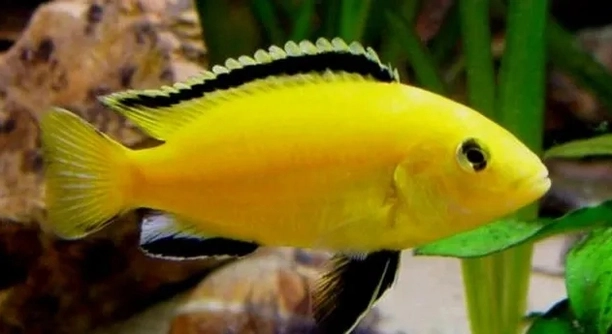
Electric Yellow Cichlids are popular aquarium fish admired for their bright color and lively personalities. Many aquarists notice these cichlids often shake or wiggle their bodies, creating both curiosity and concern about their behavior.
The primary reason Electric Yellow Cichlids shake their bodies is related to communication, territorial display, and stress responses. This behavior signals social interactions, establishes dominance, or helps release discomfort, reflecting their natural instincts and environmental reactions within the aquarium setting.
Observing these movements can reveal important insights into their health and social dynamics, encouraging careful attention to their habitat and behavior patterns.
Reasons Behind Shaking Behavior
Electric Yellow Cichlids often shake for multiple reasons. One of the main causes is communication with other fish. Shaking can signal dominance or submission during interactions, helping establish a social hierarchy. It also serves as a territorial warning, especially if they feel their space is being invaded. Another factor is stress from environmental conditions. Poor water quality, incorrect temperature, or lack of hiding spots can trigger this response. Sometimes shaking is part of natural movement patterns, especially during feeding or exploring their surroundings. Observing when and how often they shake can provide clues about their comfort levels. Frequent shaking paired with other unusual behavior may indicate health issues like parasites or infections. Ensuring stable conditions and monitoring interactions reduces unnecessary stress and promotes well-being. Understanding these behaviors helps create a more harmonious aquarium where fish can express natural instincts safely without excessive agitation.
Shaking can be normal, but consistent or intense movements often indicate stress or social tension within the tank.
By paying attention to tank conditions and social interactions, you can minimize stress-induced shaking. Adjusting water quality, temperature, and providing hiding areas often reduces this behavior. Regular observation allows early detection of health concerns, keeping your cichlids active and comfortable. A calm environment supports natural behavior, making it easier to distinguish between normal communication and signs of discomfort or illness.
Environmental Factors Affecting Shaking
Water quality has a direct effect on cichlid behavior. Poor filtration or infrequent water changes increase stress, prompting frequent shaking.
Maintaining ideal environmental conditions is crucial for Electric Yellow Cichlids’ health and comfort. Temperature, pH, and ammonia levels must remain within recommended ranges. Sudden changes or prolonged exposure to unsuitable conditions can provoke shaking and aggressive behavior. Tank size also influences stress levels; overcrowding leads to competition for space and food, increasing tension and repeated body shaking. Decorations, plants, and hiding spaces help reduce stress by providing secure areas. Even minor environmental shifts can affect their mood, prompting behavioral changes that might seem unusual at first. Regular monitoring, careful acclimation of new fish, and consistent maintenance are essential to minimize stress-induced shaking. By understanding and managing these factors, it is possible to create a stable habitat where Electric Yellow Cichlids display natural movements without excessive agitation, improving both health and overall tank harmony.
Social Interactions and Shaking
Shaking is often part of how Electric Yellow Cichlids communicate. It signals dominance, submission, or readiness to mate, helping maintain social order and reduce conflicts in the tank.
These fish use subtle movements and body vibrations to express intentions. When a cichlid shakes near another, it may be asserting its position or testing reactions. Shaking can occur during feeding, when establishing territory, or when new fish are introduced. Observing these interactions carefully reveals patterns in hierarchy and behavior. Over time, you may notice certain individuals shake more often, reflecting their confidence or stress levels. Recognizing these social cues helps prevent misunderstandings and aggression between fish.
Body shaking also aids in showing interest or attracting mates. Male cichlids often perform brief, repeated shakes to display health and strength. Female responses can vary, with some showing acceptance while others retreat, indicating preference or caution. This behavior is part of natural instincts that support reproduction and social balance. Watching these patterns gives insight into their personality and overall well-being.
Health Considerations
Shaking can indicate underlying health issues, even if the fish appears active. Minor stress might escalate if ignored.
Parasites, infections, or internal discomfort can trigger shaking in cichlids. Gill flukes, skin parasites, or bacterial infections often cause repeated vibrations and erratic movements. Poor diet or nutritional deficiencies may also contribute, weakening the fish and making them more prone to stress behaviors. Early detection is essential to prevent worsening conditions and to ensure timely treatment. Observation should include appetite, color changes, and interaction with other fish. Identifying signs early can prevent serious illness and improve recovery outcomes, keeping the tank environment stable.
Maintaining a consistent routine for water changes, feeding, and monitoring health is key. Quarantining new fish before introduction reduces the risk of spreading parasites or infections. Using proper treatments for diagnosed conditions ensures recovery and prevents recurrence. Stress from illness often amplifies shaking, so minimizing environmental stressors simultaneously supports healing. Regular observation allows adjustments in care, providing reassurance that fish are safe and thriving. Understanding these connections between health and behavior helps keep cichlids active, social, and less prone to harmful shaking patterns.
Feeding and Shaking
Shaking can occur during feeding as cichlids compete for food or express excitement. This behavior helps establish who eats first and reinforces social hierarchy within the tank.
Frequent shaking during meals can also indicate stress if fish feel threatened. Observing feeding patterns allows adjustments in portion size, placement, and timing to reduce tension and ensure all fish eat comfortably.
Breeding Behavior
During mating periods, males often shake to attract females or ward off rivals. This movement signals strength and readiness, playing a key role in reproduction. Shaking may also occur when guarding eggs or fry, demonstrating protective instincts. Recognizing these patterns helps track breeding activity and ensures proper care.
Monitoring and Adjustments
Careful observation allows identification of abnormal shaking. Adjusting environment, social groupings, and diet can minimize stress-induced movements.
FAQ
Why do Electric Yellow Cichlids shake even when they seem healthy?
Shaking is not always a sign of illness. Healthy cichlids often shake to communicate with other fish, establish dominance, or mark territory. It can also be a response to environmental stimuli like changes in lighting, tank movement, or the presence of new tankmates. Observing the context of the shaking helps determine if it is normal behavior or something that requires attention.
Can shaking indicate stress in my cichlids?
Yes, frequent or intense shaking can be a sign of stress. Stress may result from poor water quality, sudden temperature changes, overcrowding, or aggressive tankmates. Providing hiding spaces, stable water conditions, and proper tank size helps reduce stress. Regular observation ensures that stress-related behaviors do not escalate into health problems.
Is shaking related to feeding behavior?
Shaking during feeding is common. Cichlids may shake when competing for food or expressing excitement. If shaking is excessive, it could indicate that some fish are feeling threatened or that the feeding setup is causing competition. Adjusting feeding locations, portion sizes, and meal timing often reduces these behaviors.
Do males shake more than females?
In many cases, yes. Male Electric Yellow Cichlids often use shaking as a display during mating or territorial defense. They may perform short, repeated shakes to attract females or warn rivals. Females can also shake, but it is usually less frequent and often linked to social interactions or stress.
Can shaking indicate illness?
Shaking can sometimes signal health problems. External parasites, bacterial infections, or internal issues may cause repeated body vibrations. Monitoring other signs, such as loss of appetite, discoloration, or lethargy, helps identify whether the behavior is related to illness. Prompt treatment can prevent worsening conditions.
How do I tell normal shaking from problematic shaking?
Normal shaking occurs during social interactions, feeding, or environmental exploration. Problematic shaking is frequent, intense, or paired with other unusual behaviors like hiding, clamped fins, or rapid gill movement. Keeping a record of when shaking occurs makes it easier to identify patterns and potential triggers.
Does tank size affect shaking?
Yes, overcrowding can increase shaking. Limited space forces fish to compete for territory and resources, leading to frequent stress behaviors. Ensuring adequate space and providing hiding spots helps fish feel secure, reducing shaking and promoting more natural behavior.
Can water quality trigger shaking?
Poor water quality is a major factor. High ammonia, nitrite, or nitrate levels, as well as sudden pH changes, can stress cichlids and cause shaking. Maintaining consistent water parameters through regular testing and cleaning reduces stress and keeps shaking within normal limits.
Is shaking a sign of readiness to breed?
Shaking is often part of mating behavior. Males shake to display strength and health, attracting females and signaling readiness. During breeding, both males and females may shake near eggs or fry to protect or stimulate them. Observing these behaviors helps track reproductive activity.
How can I minimize shaking in my tank?
Provide a stable environment with proper water conditions, temperature, and space. Reduce aggressive interactions by monitoring social hierarchy, offering hiding spots, and feeding properly. Regular observation and quick response to environmental or health changes prevent excessive shaking and maintain a calm, healthy aquarium.
Does diet influence shaking?
Yes, a balanced diet supports health and reduces stress-related shaking. Nutritional deficiencies can weaken fish, making them more prone to stress and frequent movements. Offering high-quality food with proper vitamins and minerals supports natural behavior and overall well-being.
Should I separate shaking fish from others?
Separation is not always necessary unless the shaking is caused by aggression or illness. Quarantining sick fish prevents disease spread. For socially stressed fish, adjusting tank layout or adding hiding spaces often resolves the issue without the need for separation.
How long should I monitor shaking before taking action?
Observe shaking patterns for several days to a week. Note frequency, intensity, and context. If shaking persists or worsens, especially with signs of illness or stress, intervene with environmental adjustments, dietary improvements, or health treatments. Consistent monitoring ensures timely care and prevents long-term problems.
Can shaking be a sign of aging?
Aging may slightly affect movement, but pronounced shaking is more likely linked to stress, environmental changes, or health issues rather than age alone. Older fish may need more stable conditions and attentive care to reduce unnecessary stress behaviors.
Do hiding spots reduce shaking?
Yes, hiding spots help fish feel secure, reducing stress-induced shaking. Plants, rocks, and decorations provide refuge, especially for timid individuals or during social tension. Proper placement encourages natural exploration while giving fish safe areas to retreat when needed.
Can introducing new fish trigger shaking?
New fish can cause temporary shaking due to stress or territorial disputes. Proper acclimation, gradual introductions, and monitoring behavior reduce tension. Over time, most fish adjust to the presence of newcomers without excessive shaking, creating a balanced social environment.
Are there any long-term effects of frequent shaking?
Chronic shaking caused by stress or illness can weaken fish, reduce immunity, and affect growth or reproduction. Addressing underlying causes early ensures long-term health and maintains stable behavior patterns in the aquarium. Regular care and monitoring prevent these issues from developing.
Does tank lighting influence shaking?
Bright or inconsistent lighting may startle cichlids, triggering shaking. Gradual light adjustments and providing shaded areas help reduce stress responses. Stable lighting mimics natural conditions, encouraging calm behavior and regular activity patterns.
Can shaking indicate aggression between fish?
Yes, shaking is often part of aggressive displays. Dominant fish may shake near subordinates to assert control. Observing interactions and maintaining proper social groupings reduces conflict and unnecessary shaking. Providing space and hiding areas prevents escalation and supports overall tank harmony.
How often should I check water parameters to prevent shaking?
Regular testing of ammonia, nitrite, nitrate, pH, and temperature is recommended at least weekly. Consistent monitoring helps detect changes that might stress fish, allowing prompt adjustments to maintain a stable environment and minimize shaking.
Does shaking occur at night?
Shaking is usually less frequent at night, as fish rest. Persistent nighttime shaking may indicate stress, discomfort, or poor water conditions. Observing behavior during different times of the day helps identify normal patterns versus concerning activity.
Can shaking be a normal part of exploration?
Yes, brief shakes often occur when fish investigate new objects or areas. This type of shaking is short-lived and typically stops once the fish feels secure. Providing a varied environment encourages exploration while minimizing prolonged stress-related shaking.
Are some cichlids more prone to shaking than others?
Behavioral tendencies vary by individual. Some Electric Yellow Cichlids shake more due to personality, dominance, or stress sensitivity. Understanding each fish’s behavior helps interpret shaking correctly and adjust care as needed.
Does water current affect shaking?
Strong or uneven currents can trigger shaking as fish adjust to maintain position. Moderate, consistent currents reduce unnecessary effort and minimize stress-induced movements, creating a comfortable swimming environment.
Can frequent shaking affect breeding success?
Excessive shaking due to stress or environmental instability can reduce mating success. Calm, stable conditions encourage natural displays, improve egg laying, and increase fry survival. Proper tank management supports healthy reproductive behavior.
Is shaking influenced by tank mates?
Yes, the presence and behavior of other fish affect shaking. Aggressive or overly active tankmates can trigger repeated shaking, while peaceful companions create a calmer environment. Choosing compatible fish helps maintain stability.
Does temperature fluctuation increase shaking?
Sudden temperature changes stress cichlids and can trigger shaking. Maintaining a consistent temperature within recommended ranges reduces stress and supports natural behavior, growth, and immune function.
Can shaking be contagious among fish?
Shaking itself is not contagious, but stress-related shaking may increase tension in other fish, causing them to shake or act defensively. Reducing stressors and providing space helps prevent a chain reaction of agitation.
How do I know if shaking is temporary or chronic?
Temporary shaking is brief and linked to specific situations like feeding, exploration, or social interactions. Chronic shaking is frequent, prolonged, and often accompanied by stress or illness signs. Monitoring patterns over time distinguishes between normal behavior and ongoing issues.
Are there behavioral signs to watch alongside shaking?
Yes, clamped fins, loss of appetite, lethargy, rapid gill movement, and hiding are important indicators. Pairing these observations with shaking helps assess fish health and environmental suitability.
Does tank size impact shaking frequency?
Smaller tanks increase competition and stress, often leading to more frequent shaking. Providing adequate space and hiding spots allows natural behavior without constant agitation. Proper stocking density reduces tension and improves overall well-being.
How long does it take for shaking to stop after environmental adjustments?
Shaking usually decreases within a few days once water quality, social balance, and stress factors are addressed. Continuous observation ensures adjustments are effective and that fish adapt comfortably to improved conditions.
Can shaking indicate discomfort from substrate or decorations?
Yes, rough or sharp substrates may irritate fish, prompting shaking. Smooth, safe substrates and well-placed decorations allow natural movement while minimizing accidental stress or injury. Proper setup supports comfort and normal behavior.
Should I use medications if shaking persists?
Only if illness is confirmed. Unnecessary medication can stress healthy fish. Proper diagnosis of parasites, infections, or internal issues ensures effective treatment while maintaining tank stability. Observation and water management are the first steps before medical intervention.
Does overfeeding contribute to shaking?
Yes, overfeeding can lead to stress, aggression, and digestive issues, which may increase shaking. Proper portion control and feeding schedules reduce competition and promote calm behavior. Balanced nutrition supports overall health and stability in the tank.
Are there natural ways to calm shaking fish?
Providing hiding spots, stable water conditions, and compatible tankmates are effective. Consistent routines, proper feeding, and careful monitoring create a secure environment, reducing stress-induced shaking without intervention.
Can shaking be seasonal or weather-related?
Environmental changes, including seasonal temperature shifts or barometric pressure changes, can subtly affect behavior. Stable indoor conditions generally minimize these effects, though some sensitivity may remain in certain fish.
Is it normal for newly introduced cichlids to shake?
Yes, new fish often shake while acclimating to the tank. This behavior usually decreases over several days as they adjust to water parameters, social structure, and environment. Monitoring ensures a smooth transition.
Can shaking affect interactions with other species in a community tank?
Frequent shaking may trigger curiosity, defensive behaviors, or aggression in other species. Observing interactions and adjusting tank composition prevents conflicts and supports peaceful coexistence.
Does shaking interfere with feeding?
Excessive shaking can make feeding more competitive or stressful. Adjusting feeding locations, portions, and timing helps ensure all fish access food calmly, reducing competition-induced shaking.
How do I track shaking patterns effectively?
Keep a log of frequency, intensity, time of day, and context. Notes on water quality, tankmates, and feeding schedule help identify triggers and determine whether adjustments are needed.
Is shaking always visible externally?
Some shaking is subtle, involving only slight vibrations or rapid fin movement. Careful observation, especially during interactions or feeding, helps detect behaviors that might otherwise go unnoticed.
Can stress from handling cause shaking?
Yes, netting, water changes, or tank maintenance can temporarily trigger shaking. Gentle handling and minimal disturbance reduce stress-related movements and allow fish to return to normal behavior quickly.
Do cichlids shake more in smaller groups?
Group size affects social dynamics. Smaller groups may reduce competition but can also increase attention on individual fish, prompting more noticeable shaking during interactions. Balancing numbers ensures stable social behavior.
Is shaking influenced by noise or vibrations outside the tank?
Loud sounds or vibrations can startle cichlids, causing brief or repeated shaking. Placing the tank in a quiet, stable location helps reduce environmental stress triggers and promotes calm behavior.
Can shaking indicate discomfort with water flow direction?
Yes, cichlids may shake or dart if currents are too strong or inconsistent. Adjusting flow and creating gentle areas allows comfortable swimming and natural movement.
Does the type of substrate affect shaking during resting periods?
Rough or uneven substrates can irritate fish while resting, causing minor shaking. Smooth or soft substrate helps them settle without unnecessary stress or discomfort.
Can shaking indicate internal parasites?
Internal parasites may cause prolonged shaking, loss of appetite, or lethargy. Proper diagnosis and treatment are required to eliminate parasites and restore normal behavior.
How long should I observe shaking before changing tank setup?
Observe for at least several days to identify patterns. Sudden adjustments without understanding triggers may increase stress. Careful, gradual changes support fish comfort and reduce shaking.
Does frequent shaking affect growth?
Chronic stress from shaking can impact growth by reducing appetite and energy. Maintaining stable conditions, proper diet, and minimal stress ensures healthy development.
Can shaking indicate low oxygen levels?
Yes, low oxygen can cause rapid gill movement and shaking. Adequate aeration and proper water circulation prevent oxygen deficiency and related stress behaviors.
How do I distinguish normal exploration from stress shaking?
Normal exploration is brief, context-specific, and stops once the fish is comfortable. Stress shaking is frequent, prolonged, and may coincide with other signs of discomfort or agitation.
Do fish stop shaking when fully comfortable?
Yes, once environmental, social, and health conditions are ideal, shaking decreases. Observing consistent calm behavior indicates a well-adjusted, comfortable tank environment.
Can seasonal lighting changes affect shaking?
Abrupt changes in light intensity may trigger temporary shaking. Maintaining consistent lighting schedules supports stable behavior and reduces stress responses.
Is shaking more common in juveniles or adults?
Juveniles may shake more due to social learning and exploration, while adults often shake for territorial or breeding reasons. Behavior varies by age and social context.
How does tank decoration placement affect shaking?
Strategically placed plants and rocks reduce stress and provide hiding spots. Improper placement may increase tension, causing unnecessary shaking during navigation or social interactions.
Does shaking affect long-term social hierarchy?
Shaking is part of establishing dominance and submission. Consistent, non-stressful shaking helps reinforce social hierarchy without causing long-term harm.
Can shaking indicate discomfort with water hardness or pH?
Yes, unsuitable pH or hardness can stress cichlids. Maintaining appropriate water chemistry minimizes shaking and promotes stable, healthy behavior.
Are some fish more sensitive to shaking in others?
Yes, timid or subordinate fish may react to shaking by hiding, displaying defensive behaviors, or shaking themselves. Understanding these dynamics helps maintain tank harmony.
Can shaking signal hunger outside feeding times?
Occasional shaking may indicate anticipation of food, especially if it occurs near feeding areas. Consistent, balanced feeding reduces unnecessary food-related shaking.
Does tank location affect shaking frequency?
High-traffic areas or exposure to vibrations can increase stress-induced shaking. Placing the tank in a quiet, stable location promotes calm and natural behavior.
How can I track shaking alongside other health indicators?
Keep notes on appetite, color, energy, and interactions while monitoring shaking. Combined observations give a complete picture of fish health and environmental suitability.
Can adding live plants reduce shaking?
Yes, live plants provide cover, reduce stress, and encourage natural behavior. This calming effect often decreases frequent shaking related to social tension or environmental discomfort.
Does water temperature consistency reduce shaking?
Maintaining a stable temperature prevents stress-induced movements. Sudden fluctuations often trigger shaking, while steady conditions allow fish to move naturally without agitation.
Can shaking indicate pain or injury?
Yes, sharp or repetitive shaking may signal irritation, injury, or discomfort. Observing the fish closely and checking for visible damage helps identify and address issues.
Are some behaviors mistaken for shaking?
Rapid fin flicks, short darting movements, or tail quivering may resemble shaking but are part of normal activity. Careful observation distinguishes behavior types accurately.
Can external stressors trigger shaking long-term?
Persistent stress from aggressive tankmates, noise, or poor conditions can lead to chronic shaking. Addressing these stressors promptly supports long-term health and stability.
How does feeding schedule affect shaking?
Consistent feeding times reduce anticipation-related shaking. Irregular schedules can cause repeated excitement or stress during feeding, prompting unnecessary movements.
Can shaking indicate internal discomfort unrelated to environment?
Yes, digestive issues or organ problems may cause subtle or persistent shaking. Monitoring behavior alongside physical signs helps identify internal problems early.
Do fish stop shaking when comfortable with tankmates?
Yes, once social dynamics stabilize and hierarchies are established, shaking decreases. Observing interactions ensures compatibility and reduces stress-related movements.
Can vibrations from equipment trigger shaking?
Motors, filters, or pumps producing strong vibrations can startle fish. Ensuring equipment is stable and quiet reduces stress and prevents repetitive shaking.
Are there signs of improvement once shaking decreases?
Calmer swimming, normal feeding, and regular social interactions indicate improvement. Reducing stress, maintaining water quality, and monitoring health encourage positive behavior changes.
Does shaking affect interactions with offspring?
Excessive shaking during breeding or fry care can stress offspring. Calm adults provide better protection and encourage natural development without disruption.
Can shaking indicate boredom or lack of stimulation?
Yes, under-stimulated fish may exhibit repetitive movements like shaking. Enrichment through plants, hiding spots, and varied environment reduces stress and encourages natural activity.
Is shaking more noticeable during the day?
Yes, active periods often reveal shaking more clearly. Nighttime activity is usually lower, though persistent shaking at night may indicate stress or discomfort.
Can shaking indicate reaction to chemical changes in water?
Yes, chlorine, heavy metals, or sudden parameter shifts can provoke shaking. Proper water treatment and testing prevent these reactions and ensure a safe environment.
Does tank cleanliness affect shaking?
Dirty tanks increase stress, encouraging shaking. Regular maintenance, water changes, and debris removal support health and calm behavior.
Can shaking be part of normal exercise?
Short, occasional shakes can be part of stretching or moving muscles. Healthy fish often display brief shakes without stress or discomfort.
Are some cichlids naturally more active and shake more?
Yes, individual personality and activity levels affect shaking. Some fish are naturally energetic, displaying more movement without indicating problems.
How do I know if shaking is related to dominance or aggression?
Shaking paired with chasing, nipping, or territorial displays indicates social dominance. Context and observation distinguish this from stress or illness.
Does shaking change with age?
Younger fish may shake more due to exploration. Adults shake for territory or breeding purposes. Observing context clarifies reasons.
Can seasonal temperature shifts influence shaking?
Yes, even minor temperature changes can temporarily stress fish. Maintaining stable indoor conditions limits seasonal impacts.
Is shaking during acclimation normal?
Yes, new fish often shake when adjusting to
Electric Yellow Cichlids are vibrant and lively fish, and their shaking behavior can sometimes be alarming for aquarists. Understanding why they shake is important for maintaining a healthy aquarium. Shaking is a natural behavior for these cichlids and can have many causes. It may be a form of communication, helping them establish social hierarchies or signal readiness to mate. Territorial displays often involve short, repeated shakes to show dominance or warn other fish. Observing the context in which shaking occurs is essential to determine whether it is normal behavior or a sign of stress or illness. Healthy fish display shaking that is brief and situational, while persistent or intense shaking may indicate environmental or health concerns that require attention.
Environmental factors play a significant role in how frequently Electric Yellow Cichlids shake. Water quality, temperature, pH, and tank size all affect their comfort and behavior. Poor water quality, sudden temperature changes, or overcrowding can increase stress, which may lead to repeated or prolonged shaking. Providing a stable and well-maintained environment reduces these risks. Hiding spots, plants, and decorations offer areas for retreat, allowing fish to feel secure. Feeding practices also impact behavior, as competition or excitement during meals can trigger shaking. Proper portions, timing, and placement of food help minimize stress-related movements. By maintaining consistent tank conditions, monitoring water parameters, and observing social interactions, aquarists can ensure that shaking remains a normal part of cichlid behavior rather than a symptom of a problem.
Health is another factor to consider when evaluating shaking. External parasites, bacterial infections, or internal discomfort can cause repeated body vibrations. Early detection of illness is crucial, and observation of additional signs such as appetite loss, discoloration, or lethargy helps identify issues. Consistent monitoring, along with proper care routines like regular water changes, a balanced diet, and careful introduction of new fish, supports overall well-being. Understanding the different reasons behind shaking allows aquarists to respond appropriately, whether adjusting the environment, improving diet, or seeking treatment. By paying attention to these details, Electric Yellow Cichlids can live in a stable, comfortable environment where their natural behaviors, including shaking, occur without unnecessary stress or health complications.

Hello,
If you enjoy the content that we create, please consider saying a "Thank You!" by leaving a tip.
Every little bit helps us continue crafting quality advice that supports the health, happiness, and well-being of pets around the world, for pets of all shapes, sizes, and species.
We really appreciate the kindness and support that you show us!