
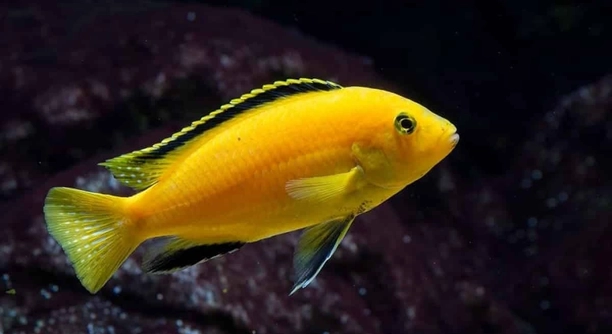
Spawning is an essential part of many aquatic species’ life cycles, but it does not always happen on schedule. Environmental factors, health, and nutrition can all influence the timing, sometimes causing unexpected delays.
Delays in spawning commonly occur due to suboptimal water conditions, nutritional deficiencies, stress, and environmental changes. These factors can disrupt reproductive cycles, reduce fertility, or alter hormonal signals, ultimately preventing organisms from spawning at their expected times.
Recognizing these situations can help you address problems and support healthy reproduction in your aquatic animals. Understanding the causes ensures better care and more consistent spawning outcomes.
Poor Water Quality
Water quality plays a major role in the reproductive success of aquatic animals. High levels of ammonia, nitrites, or nitrates can stress fish and amphibians, making them less likely to spawn. Temperature fluctuations or pH imbalance also impact their readiness to reproduce. Consistently clean water helps maintain hormonal balance and encourages natural behavior. Regular water testing, partial water changes, and proper filtration are essential for creating a stable environment. Even minor changes in water conditions can disrupt spawning cycles, especially for sensitive species like axolotls, tetras, or certain cichlids. Providing hiding spaces and gentle water flow can further reduce stress. Healthy water conditions not only improve spawning frequency but also increase the survival rate of eggs and fry. Observing your animals closely can help you notice early signs of stress or discomfort. Maintaining stable water parameters requires commitment but is a key factor in consistent reproductive success for any aquatic setup.
Maintaining clean, stable water is crucial for promoting healthy reproductive cycles.
Stress caused by poor water quality affects hormone levels and reproductive behavior. Fish and amphibians may become lethargic, stop feeding, or hide frequently. These changes often delay spawning and reduce the number of viable eggs produced. Long-term exposure to unstable water can lead to weakened immune systems, increasing susceptibility to disease. By prioritizing water quality, you not only encourage timely spawning but also support overall health and growth. Regular monitoring ensures that potential problems are caught early, allowing adjustments before reproductive behavior is significantly affected. Creating a consistent and supportive environment is essential for fostering natural breeding behaviors.
Nutritional Deficiencies
Inadequate diet can delay or prevent spawning entirely. Many species need specific nutrients or vitamins to support reproductive health. Lack of protein, fatty acids, or calcium can affect egg development and sperm quality. Feeding a variety of live, frozen, and high-quality pellet foods ensures your animals receive balanced nutrition. Overfeeding or underfeeding can also disrupt their reproductive cycles, as excess fat or malnutrition impacts hormonal signals. Seasonal changes in diet can influence spawning as well, especially for species that rely on natural food cues. Supplementing with vitamin-rich foods or occasional live prey can stimulate natural breeding behaviors. Careful observation of eating habits helps identify deficiencies before they affect reproduction. Consistency in diet, combined with clean water, creates an environment where animals are more likely to spawn regularly. Avoiding sudden dietary changes is equally important, as stress from diet disruption can delay reproductive readiness.
A varied, nutrient-rich diet supports reproductive health and encourages spawning.
Nutritional deficiencies directly impact fertility. In females, insufficient nutrients may prevent egg maturation or reduce egg viability. In males, sperm quality can decline, lowering the chances of successful fertilization. Regularly providing diverse, high-quality foods tailored to the species’ needs prevents these issues. Adding supplements like calcium or vitamins can correct minor deficiencies. Observing your animals’ physical condition and feeding behavior can reveal early signs of poor nutrition. Timely adjustments help maintain reproductive cycles and overall health. Proper feeding practices reduce stress and improve energy levels, making animals more responsive to breeding cues. Consistent nutrition not only encourages timely spawning but also enhances offspring survival. Maintaining a stable diet routine is a practical and effective way to ensure that your aquatic animals reach reproductive maturity without unnecessary delays.
Stressful Environment
Stress can prevent aquatic animals from spawning on time. Loud noises, frequent handling, overcrowding, or sudden changes in lighting and temperature all increase stress levels, disrupting reproductive behavior.
Chronic stress interferes with hormonal cycles that trigger spawning. Fish and amphibians may hide more, reduce feeding, or become aggressive. Even subtle stressors, like vibrations from nearby equipment or too little cover, can delay reproduction. Creating a calm environment with proper hiding spots, stable water parameters, and minimal disturbances allows animals to feel safe. Reducing stress not only encourages timely spawning but also improves overall health and activity levels, making them more responsive to natural breeding cues. Observing behavior daily can help identify stress triggers before they significantly impact reproduction.
A consistent, peaceful environment is essential for supporting regular spawning. Stress management ensures animals remain healthy, active, and ready to reproduce.
Incompatible Pairing
Spawning may be delayed when males and females are not compatible. Aggressive behavior, size differences, or social hierarchy issues can prevent mating. Proper pairing improves reproductive success.
Compatibility influences courtship and fertilization. If a male is too dominant or a female too timid, mating may not occur. Similarly, mismatched sizes or species variations can lead to stress or avoidance, reducing the likelihood of spawning. Observing interactions before introducing pairs helps ensure compatibility. Providing multiple hiding spots and monitoring aggression can reduce conflicts. Over time, compatible pairs are more likely to engage in natural breeding behaviors and produce healthy eggs, ensuring better long-term reproductive outcomes.
Selecting compatible pairs carefully improves mating success and reduces stress. Observation and adjustment of pairings are practical steps for encouraging timely spawning.
Insufficient Lighting
Proper lighting is important for signaling reproductive cycles. Too little or inconsistent light can confuse fish and amphibians, delaying spawning.
Simulating natural day and night cycles helps maintain hormonal balance. Gradual changes in lighting encourage normal behavior and readiness to reproduce.
Seasonal Changes
Many species rely on seasonal cues to trigger spawning. Temperature shifts, daylight length, and water flow patterns all signal when it’s time to reproduce.
Adjusting tank conditions to reflect seasonal changes can stimulate natural breeding behavior. Mimicking these patterns supports timely spawning and improves egg viability.
Health Issues
Illness or injury can prevent animals from reproducing. Parasites, infections, or physical damage reduce energy and interfere with hormonal cycles, delaying spawning.
Maintaining regular health checks and prompt treatment is essential. Healthy animals are more likely to reproduce successfully.
FAQ
Why is my fish not spawning even though the water looks clean?
Clean water is important, but water quality involves more than clarity. Ammonia, nitrites, nitrates, pH, and temperature must all be stable. Even small fluctuations can stress fish and prevent spawning. Regular testing, partial water changes, and proper filtration are essential to maintain conditions that support reproduction.
Can diet really affect spawning?
Yes, nutrition has a direct impact on reproductive health. Lack of protein, fatty acids, or essential vitamins can prevent egg development or reduce sperm quality. Feeding a varied diet of high-quality pellets, live, and frozen foods ensures proper nutrient intake. Supplements may help correct minor deficiencies and stimulate reproductive behavior.
How does stress prevent spawning?
Stress disrupts hormonal cycles that trigger reproduction. Loud noises, overcrowding, frequent handling, or sudden changes in water conditions can make fish or amphibians hide, stop feeding, or become aggressive. Reducing stress with proper hiding spaces, stable water parameters, and minimal disturbances supports timely spawning.
Do all species need seasonal cues to spawn?
Many species rely on environmental cues such as temperature changes, daylight length, and water flow patterns. These cues signal the right time for reproduction. Adjusting tank conditions to mimic natural seasonal changes can encourage timely spawning and improve the success rate of eggs and fry.
What role does compatibility play in breeding?
Compatibility between males and females is crucial. Aggressive behavior, size differences, or mismatched social hierarchies can prevent mating. Observing interactions before pairing and providing multiple hiding spots can reduce conflicts. Compatible pairs are more likely to exhibit natural courtship behaviors and successfully produce offspring.
Can health problems delay spawning?
Illness or injury can significantly impact reproductive cycles. Parasites, infections, or physical damage reduce energy, weaken the immune system, and interfere with hormone production. Regular health checks, prompt treatment, and maintaining optimal tank conditions are vital to ensure animals remain capable of reproducing.
Does lighting affect reproductive behavior?
Yes, lighting influences hormonal balance and signals reproductive cycles. Too little light, inconsistent schedules, or sudden changes can delay spawning. Simulating natural day and night cycles gradually helps maintain readiness to reproduce and encourages normal courtship behavior.
How can I encourage spawning in older or less active fish?
Older or less active fish may need extra attention to nutrition, water quality, and stress reduction. Providing varied, nutrient-rich food, stable environmental conditions, and sufficient hiding spaces can improve their readiness to reproduce. Patience is key, as older fish may take longer to respond.
What should I do if eggs are not hatching?
Check water quality, temperature, and oxygen levels. Some species require specific conditions for eggs to develop. Ensure the eggs are not being eaten by adults or other tank inhabitants. Adjusting environmental conditions and removing eggs to a separate hatching tank can increase survival rates.
Can changing tank layout affect spawning?
Yes, sudden changes in tank layout can stress animals and disrupt spawning. Rearranging decorations or removing hiding spots may confuse fish or amphibians. Gradual adjustments with attention to maintaining secure spaces help them feel safe and more willing to reproduce.
Is it normal for spawning to be delayed sometimes?
Yes, delays can happen naturally due to environmental changes, stress, health, or seasonal factors. Observing animals and addressing water quality, diet, and compatibility improves the chances of spawning. Some species naturally take longer to reproduce, so patience and consistent care are essential.
How often should I monitor my tank for spawning readiness?
Daily observation is recommended. Watching behavior, feeding patterns, and interactions between males and females helps identify potential issues early. Timely intervention for water quality, nutrition, or stress management ensures animals remain healthy and ready to spawn.
What are signs that spawning is about to occur?
Look for increased activity, courtship behavior, and changes in coloration. Females may become rounder if carrying eggs, and males may display more aggressive or territorial behavior. Providing appropriate spawning sites supports the process and increases the likelihood of successful reproduction.
Can environmental enrichment help with spawning?
Yes, adding plants, hiding spots, and varied substrates can reduce stress and encourage natural breeding behavior. Environmental enrichment makes fish feel secure, supports courtship, and improves egg survival rates, contributing to more consistent and successful spawning outcomes.
How long should I wait before trying to encourage spawning again?
Recovery time depends on species, health, and age. Allowing adequate rest, ensuring stable water conditions, and maintaining proper nutrition is important before attempting another spawning period. Rushing the process can increase stress and further delay reproduction.
Is it better to breed in a separate tank?
In many cases, a separate breeding tank reduces stress, prevents egg predation, and allows better control over water conditions. It provides a safer environment for eggs and fry and makes monitoring easier. This practice is especially useful for sensitive or aggressive species.
How do temperature changes influence spawning?
Temperature impacts metabolism, hormone production, and egg development. Sudden shifts can delay reproduction, while gradual adjustments that mimic natural seasonal changes can stimulate spawning behavior. Maintaining stable and appropriate temperatures is essential for consistent reproductive success.
Can overcrowding affect spawning?
Yes, overcrowding increases stress, competition, and aggression. Fish may hide, stop feeding, or avoid mating. Reducing population density, providing sufficient hiding spaces, and ensuring balanced sex ratios support natural breeding behavior and increase the chances of successful spawning.
Are there signs of nutritional deficiencies that affect spawning?
Look for poor coloration, slow growth, lethargy, or reduced appetite. These indicate nutrient deficiencies that may impair egg development or sperm quality. Adjusting diet with high-quality, varied foods and supplements ensures reproductive readiness and overall health.
How important is observation in successful spawning?
Close observation helps detect stress, health issues, or behavioral changes early. Timely action prevents delays and supports natural reproductive cycles. Monitoring feeding, interactions, and environmental conditions ensures fish or amphibians remain healthy and prepared for successful spawning.
Spawning is a natural process that requires the right balance of environmental conditions, nutrition, and health. Many factors can influence whether fish or amphibians reproduce on time, including water quality, lighting, diet, stress, and compatibility between males and females. Understanding these elements is essential for creating a stable and supportive environment. Even small changes in water parameters or tank setup can impact hormonal cycles, feeding behavior, and overall reproductive readiness. Paying attention to the needs of each species and maintaining consistent conditions helps encourage natural breeding behavior. Proper care involves not only keeping water clean and food nutritious but also providing a safe, calm space where animals feel secure enough to spawn. Monitoring daily behavior allows for early identification of potential problems, which can prevent delays and improve the chances of successful reproduction.
Nutrition plays a central role in reproductive health. A varied diet with adequate protein, vitamins, and essential fatty acids is necessary for both egg development and sperm quality. Feeding only one type of food or neglecting nutritional needs can cause delays in spawning or reduce fertility. Supplementing with live or frozen foods and occasional vitamins ensures that nutritional requirements are met. Observing how animals eat and respond to food can indicate whether they are receiving the proper nutrients. Overfeeding or underfeeding can also cause problems, as excess fat or insufficient energy affects hormone production. By maintaining a consistent and balanced feeding routine, you help support reproductive cycles while also improving overall health. Combining proper nutrition with clean water and a stress-free environment creates conditions where animals are more likely to engage in natural breeding behavior and produce healthy offspring.
Stress management and careful pairing are equally important. Environmental stress, including overcrowding, loud noises, or sudden changes in temperature or lighting, can delay spawning significantly. Providing hiding spots, minimizing disturbances, and keeping water parameters stable reduces stress levels and encourages natural courtship. Compatibility between males and females also affects reproductive success. Aggression, size differences, or social hierarchy issues can prevent mating or lead to conflict. Observing interactions and making adjustments when necessary ensures pairs are able to reproduce successfully. Additionally, health monitoring is critical, as illness or injury can prevent spawning entirely. Regular checks, prompt treatment, and maintaining overall wellness improve reproductive readiness. By addressing water quality, nutrition, stress, compatibility, and health together, you create a reliable and supportive environment for timely spawning and increase the likelihood of successful reproduction for your aquatic animals.

Hello,
If you enjoy the content that we create, please consider saying a "Thank You!" by leaving a tip.
Every little bit helps us continue crafting quality advice that supports the health, happiness, and well-being of pets around the world, for pets of all shapes, sizes, and species.
We really appreciate the kindness and support that you show us!