
Paragraph: Many animals rely on temperature to guide their daily activities and comfort. Observing them in the right environment can help you understand their natural habits and behavior. Temperature plays a key role in their overall well-being.
Paragraph: Maintaining appropriate temperatures encourages natural behaviors by supporting thermoregulation, activity levels, and feeding patterns. Specific temperature ranges align with the physiological needs of animals, promoting instinctive actions and improving both physical health and behavioral expression.
Paragraph: Learning about these temperature effects allows you to create environments that support natural routines, health, and overall happiness for the animals in your care.
Optimal Temperature for Cats
Cats are very sensitive to temperature, and their behavior changes noticeably depending on how warm or cold it is. At cooler temperatures, cats often seek cozy spots like blankets or sunny windows, curling up to conserve body heat. In warmer conditions, they may stretch out, lie on cool floors, or become more active during early mornings and evenings when it is cooler. Maintaining a steady indoor temperature between 20°C and 25°C helps cats feel comfortable and encourages natural behaviors such as grooming, playing, and resting. Cats are also more likely to explore and interact when they are neither too cold nor too hot. Sudden changes in temperature can stress cats, leading to hiding or decreased appetite. Observing your cat’s responses to different temperatures allows you to adjust their environment, making it easier for them to follow their normal routines and maintain healthy activity levels.
Providing a stable temperature range helps cats maintain normal body functions, stimulates natural behaviors, and reduces stress or anxiety caused by environmental fluctuations.
Cats react quickly to changes in temperature, and adjusting indoor conditions can make a significant difference. Monitoring their behavior will help you maintain comfort and health.
Ideal Temperature for Dogs
Dogs show different activity patterns depending on temperature, and their comfort affects behavior. Some breeds tolerate cold better, while others prefer moderate warmth. Regular exposure to a suitable temperature encourages exercise, social interaction, and proper rest.
Maintaining a consistent temperature between 18°C and 22°C promotes healthy behavior in most dog breeds. Dogs naturally regulate their activity, seeking shade, water, or rest during higher temperatures and staying active when it is cool but not cold. Temperature also influences eating patterns and sleep cycles. Puppies and older dogs are more sensitive to extreme temperatures, requiring closer monitoring. Adjusting indoor heating or cooling, providing shaded areas outdoors, and ensuring access to water all support their natural responses. Consistent temperature management reduces stress, encourages play, and maintains overall well-being, allowing dogs to follow instinctive routines safely and comfortably. Observing your dog’s posture, movement, and resting habits helps determine if the environment is suitable, creating a space that aligns with their natural needs and promotes behavioral stability.
Temperature Preferences for Rabbits
Rabbits are very sensitive to heat, and extreme temperatures can impact their behavior. They tend to seek cool areas in hot weather and burrow or huddle in colder conditions to stay comfortable and safe.
Maintaining temperatures between 15°C and 21°C helps rabbits stay active and healthy. At these temperatures, they engage in natural behaviors like hopping, grooming, and exploring. Overheating can lead to lethargy and loss of appetite, while cold conditions may cause shivering or hiding. Proper ventilation, shaded areas, and insulated bedding are key to keeping rabbits comfortable. Temperature also affects their feeding habits and energy levels, so consistent monitoring is essential. By observing their reactions, you can ensure they have an environment that supports instinctive behaviors and overall well-being.
Rabbits adjust to temperatures slowly, so gradual changes are best. Sudden heat or cold can stress them, causing health and behavioral issues. Keeping their living space steady encourages natural activity and reduces anxiety, promoting a happier, more active rabbit.
Temperature Effects on Birds
Birds are highly responsive to temperature changes, which influence activity, feeding, and social interaction. Maintaining moderate conditions encourages normal movement, preening, and vocalization. Temperature extremes can suppress these natural behaviors and lead to stress or illness.
Optimal temperatures for most pet birds range from 18°C to 25°C. Within this range, they remain active, eat consistently, and interact with their environment. Birds use wing-flapping, perching in shaded or warmer areas, and adjusting body posture to regulate heat. Overly hot conditions may cause panting or reduced activity, while cold temperatures can lead to fluffing feathers and huddling. Providing proper shelter, perches, and access to sunlight or shade allows birds to manage temperature naturally. Observing daily habits and making small adjustments ensures birds maintain instinctive behaviors and avoid health complications.
Temperature also affects reproduction and molting in birds. Sudden shifts or prolonged exposure to unsuitable temperatures can disrupt these cycles, impacting overall health. Consistent climate control, combined with attentive observation, allows birds to perform their natural routines safely. Managing humidity, airflow, and light exposure alongside temperature further supports their instinctive behaviors, ensuring a healthy and stimulating environment.
Temperature Needs for Guinea Pigs
Guinea pigs are sensitive to heat and cold. They prefer stable environments and often hide or reduce activity if temperatures are uncomfortable. Maintaining moderate warmth helps them stay active and engaged.
Temperatures between 18°C and 24°C encourage natural behaviors like exploring, eating, and social interaction. Sudden changes can stress them, so keeping their habitat consistent supports overall health and comfort.
Optimal Temperature for Hamsters
Hamsters thrive in temperatures between 20°C and 22°C. Proper warmth encourages active periods at night and healthy sleep during the day. Extreme heat or cold can cause lethargy, reduced appetite, and stress. Monitoring their cage environment ensures they maintain instinctive behaviors naturally.
Ideal Temperature for Reptiles
Reptiles rely heavily on temperature for regulating metabolism and activity. They require specific heat zones to digest food, move, and bask. Improper temperature can suppress natural behavior and impact overall health.
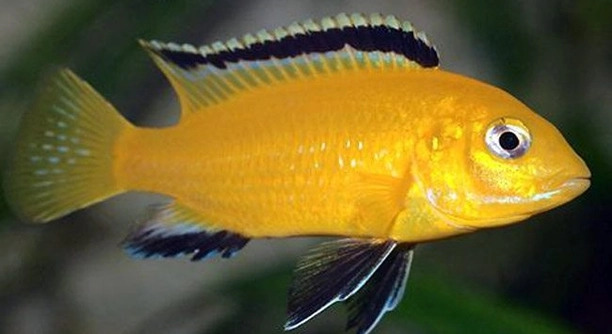
Temperature Comfort for Fish
Fish perform best in stable water temperatures that match their species’ natural habitat. Proper temperature encourages feeding, swimming, and interaction with the environment.
FAQ
What temperature is best for indoor cats?
Indoor cats feel most comfortable between 20°C and 25°C. This range allows them to remain active, groom themselves, and rest naturally without seeking extra warmth or cool areas. Maintaining this temperature encourages normal exploration and play while reducing stress caused by sudden changes.
Can dogs handle high temperatures?
Dogs tolerate moderate heat, but extreme temperatures can reduce activity and increase risk of heat-related issues. Keeping indoor temperatures between 18°C and 22°C helps most dogs maintain natural behavior, including walking, playing, and resting, without becoming lethargic or uncomfortable.
How do rabbits react to cold weather?
Rabbits may huddle, burrow, or limit movement when temperatures drop. Keeping them between 15°C and 21°C prevents stress and encourages normal behaviors like hopping, grooming, and socializing. Insulated bedding and draft-free housing support their comfort and health.
Do birds need temperature regulation?
Yes, birds are very sensitive to temperature changes. Maintaining 18°C to 25°C encourages natural activities like perching, preening, and social interaction. Sudden extremes can cause stress, reduce feeding, and suppress natural behaviors, so stable conditions are essential.
What is the ideal temperature for guinea pigs?
Guinea pigs thrive in 18°C to 24°C. Consistent warmth encourages exploration, eating, and social interaction. Avoid sudden fluctuations, as these can stress them and reduce natural behaviors, affecting overall health.
How important is temperature for hamsters?
Hamsters need 20°C to 22°C for normal nighttime activity and daytime rest. Proper temperature encourages feeding, exercise, and nesting behaviors. Extreme heat or cold can cause lethargy, appetite loss, and stress, so consistent monitoring is important.
Do reptiles need heat lamps?
Yes, reptiles rely on external heat to regulate metabolism and digestion. Proper heat zones in their enclosure allow natural behaviors like basking, hunting, and moving between warm and cool areas. Without correct temperatures, activity levels and health decline.
How do fish respond to water temperature changes?
Fish behavior depends heavily on water temperature. Species-specific temperature ranges encourage swimming, feeding, and interaction. Sudden drops or increases can stress them, reduce activity, and affect health. Maintaining stable water temperatures is crucial for normal behavior and longevity.
Can temperature affect pet behavior overall?
Yes, temperature directly influences activity, feeding, social interaction, and rest. Proper environmental control reduces stress, encourages instinctive behaviors, and supports overall health. Observing pets’ reactions helps adjust conditions and ensures comfort.
How do I monitor temperature effectively?
Use reliable thermometers for cages, tanks, or rooms. Observe behavior for signs of stress, lethargy, or hiding. Gradual adjustments help pets adapt while promoting natural behaviors. Regular checks and consistency maintain comfort and health across species.
Why do pets hide when it’s too cold or hot?
Hiding is a natural response to uncomfortable temperatures. Pets seek shelter to conserve energy or stay cool. Ensuring their habitat stays within ideal temperature ranges encourages exploration, activity, and normal interaction with their environment.
Does humidity affect temperature perception in pets?
Yes, high or low humidity can make temperatures feel more extreme. Monitoring both temperature and humidity ensures pets remain comfortable, maintain normal behavior, and reduce stress. Proper ventilation, water access, and humidity control help support natural routines.
Can temperature changes impact pet health long-term?
Consistent exposure to unsuitable temperatures can affect growth, digestion, immunity, and behavior. Maintaining stable environments encourages natural activity, reduces stress, and supports long-term well-being across all types of pets.
Maintaining the right temperature is one of the simplest yet most important ways to support your pets’ natural behavior. Each species has a preferred temperature range where it feels comfortable, active, and healthy. When animals are kept within these ranges, they are more likely to eat properly, play, explore, and rest without stress. Sudden changes in temperature or prolonged exposure to heat or cold can cause anxiety, illness, or a reduction in normal behaviors. Observing how your pets react to their environment is key to keeping them comfortable. For example, cats and dogs may move to shaded or sunny spots depending on warmth, while rabbits, guinea pigs, and hamsters may huddle or burrow. Birds and reptiles adjust their posture, activity levels, or location to maintain balance, and fish rely on stable water temperatures to swim, feed, and interact naturally. By providing environments that align with their instincts, you help them lead a healthier and more active life.
Temperature not only affects physical health but also directly influences behavior. Animals that are too cold or too hot may become lethargic, hide, or show signs of stress, reducing their ability to engage in normal routines. On the other hand, stable and suitable temperatures encourage movement, social interaction, and feeding patterns. In reptiles, proper heat zones allow digestion and basking behavior. Birds use temperature cues to preen, perch, and communicate. Mammals, such as cats, dogs, and small pets, adjust their activity to conserve or release energy depending on warmth. Even subtle changes in the environment can impact habits over time, so maintaining consistent conditions is essential. Tools like thermometers, insulated bedding, shaded areas, or regulated heating and cooling systems make it easier to create an environment that supports natural behavior for a variety of pets. Taking these steps allows you to provide a space where animals feel secure, active, and well-cared for.
Understanding your pet’s temperature needs requires careful observation and adjustment. Every animal is different, and factors like age, breed, size, and health can influence how they respond to temperature. Younger or older pets, for instance, are usually more sensitive to extremes and need extra attention to remain comfortable. It’s also important to consider environmental factors, such as humidity, drafts, sunlight, and ventilation, which can affect how pets perceive temperature. Regularly checking behavior, movement, and posture can help you detect whether the environment is suitable. Small adjustments, like adding shaded areas, heat lamps, or cooling options, can make a big difference in encouraging natural activity and well-being. Ultimately, providing the right temperature is not only about comfort but also about promoting instinctive behavior, reducing stress, and supporting long-term health. Ensuring your pets live in a space that respects their natural needs creates a more balanced, active, and contented life for them.

Hello,
If you enjoy the content that we create, please consider saying a "Thank You!" by leaving a tip.
Every little bit helps us continue crafting quality advice that supports the health, happiness, and well-being of pets around the world, for pets of all shapes, sizes, and species.
We really appreciate the kindness and support that you show us!