
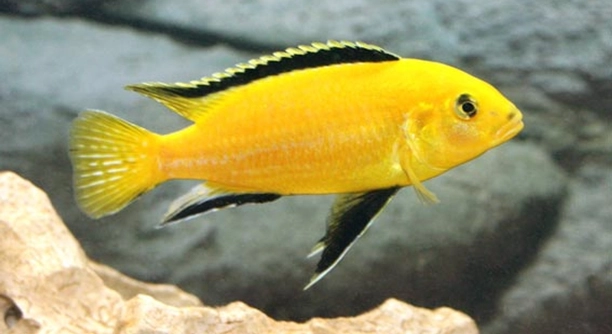
Wild-caught and captive-bred animals often behave very differently due to the environments in which they grow up. Their daily routines, reactions to humans, and survival instincts can vary significantly, shaping how they interact with the world around them.
Wild-caught animals typically retain natural instincts for foraging, predator awareness, and territorial behavior, while captive-bred animals are generally more accustomed to human interaction, controlled environments, and reduced survival challenges, resulting in distinct behavioral patterns that are observable and measurable.
Understanding these differences can improve how we care for them and ensure their well-being in captivity and the wild. Proper knowledge leads to better management and more harmonious interactions.
Activity Levels
Wild-caught animals are generally more active than their captive-bred counterparts. They spend most of their time searching for food, avoiding predators, and navigating complex environments. This constant motion keeps them physically fit and mentally alert. Captive-bred animals, on the other hand, experience a more controlled environment with predictable food and limited space. As a result, their activity levels are often lower, and they may show repetitive or less dynamic movements. Observing these behaviors helps owners understand their pets’ needs and adapt care routines. For example, wild-caught reptiles may require more space and environmental enrichment to remain healthy, while captive-bred individuals can adapt more easily to smaller, simplified habitats. This difference in activity also affects social interactions, feeding behavior, and even stress responses. Providing the right environment can help bridge the gap, allowing captive-bred animals to develop natural behaviors and wild-caught animals to adjust safely to captivity. Awareness of activity differences is key for long-term health.
Activity levels influence diet, enrichment, and overall well-being, making understanding these differences essential for proper care and management of animals.
Adjusting environments to match activity needs improves quality of life. Captive-bred animals thrive with moderate exercise, while wild-caught animals often require more stimulating spaces. Enrichment tools like climbing structures, hiding spots, and foraging toys help mimic natural conditions, reducing stress and preventing boredom. Regular monitoring allows owners to recognize fatigue, excessive inactivity, or overstimulation. Tailoring activity opportunities to each animal’s background ensures healthier physical and mental development. Over time, consistent observation may reveal unique preferences and behavior patterns that guide long-term habitat adjustments. Balancing safety with natural stimulation supports natural instincts, encourages exploration, and strengthens the animal’s confidence in its environment.
Social Behavior
Wild-caught animals often exhibit stronger territorial instincts and may be less tolerant of other animals in confined spaces.
Captive-bred animals generally adapt better to social interactions because they are raised in environments where human presence and limited social groups are common. Social behavior varies depending on species, individual personality, and early experiences. Wild-caught animals may react aggressively when stressed or approached, while captive-bred ones may seek companionship or tolerate handling more easily. Understanding these tendencies is important for housing multiple animals together safely. For pets, this means knowing when to provide separate spaces, supervised interactions, or gradual introductions. Observing early signs of discomfort, such as defensive postures or avoidance, allows owners to intervene before conflicts arise. Over time, captive-bred animals may show playful interactions and curiosity that wild-caught animals express cautiously or sparingly. Recognizing these social patterns ensures proper care, reduces stress, and fosters better relationships between humans and animals, as well as among animals sharing the same habitat.
Feeding Behavior
Wild-caught animals often rely on natural foraging and hunting instincts, making them more selective and cautious eaters. Their feeding routines are influenced by availability, season, and environmental challenges, which shape strong survival behaviors.
Captive-bred animals are usually accustomed to regular feeding schedules and prepared diets. They may accept a wider variety of foods more readily and are less likely to show selective eating patterns. This difference affects how owners plan meals and introduce new foods. For wild-caught animals, gradual introduction of diet changes and observation of preferences can prevent stress and nutritional deficiencies. Captive-bred animals often adapt quickly, but monitoring portion sizes and nutrient balance remains important. Feeding behavior also reflects stress levels, energy needs, and activity patterns, making it a key aspect of care. Understanding these differences helps ensure all animals maintain proper health, weight, and natural behavior expression.
Feeding approaches must consider natural instincts, environment, and previous experiences to maintain balanced nutrition and healthy habits in all animals.
Wild-caught animals may exhibit hesitation or defensive postures while feeding, especially in new surroundings. Captive-bred animals usually display curiosity and readiness to eat, showing less fear or caution. Caregivers must respect these tendencies to create safe and supportive feeding environments.
Stress Response
Wild-caught animals often react more intensely to changes or unfamiliar situations due to survival instincts. They may display avoidance, aggression, or heightened alertness when exposed to new environments or handling.
Captive-bred animals typically show milder stress responses because they grow accustomed to human interaction and predictable routines. Stress can still occur if their environment is disrupted, but recovery tends to be faster and less severe. Providing hiding spots, gradual introductions, and predictable schedules helps reduce stress for both types of animals. Monitoring body language, behavior, and appetite can reveal early signs of stress, allowing timely intervention. Adjustments such as environmental enrichment or reducing handling frequency improve welfare and prevent long-term negative effects on health. Awareness of stress responses ensures safer interactions and promotes emotional well-being, particularly for wild-caught individuals that require extra care to acclimate.
Handling Tolerance
Wild-caught animals often tolerate handling less because they are not accustomed to human contact. Sudden movements or close proximity can trigger defensive or fearful reactions, requiring careful and minimal interaction to avoid stress.
Captive-bred animals are generally more comfortable with handling due to early exposure. They adapt more quickly to human presence and can enjoy gentle interaction, making routine care, feeding, and cleaning easier. Proper handling still requires attention to body language and comfort, but their tolerance allows for safer and more predictable interactions.
Learning Ability
Captive-bred animals often show faster learning and adaptability in structured environments. Being raised with human interaction and predictable routines enhances their ability to understand new tasks, training cues, or enrichment activities. They respond well to repetition and positive reinforcement.
Aggression Levels
Wild-caught animals tend to display higher aggression, especially when stressed, threatened, or defending territory. Recognizing early warning signs is crucial for safety and proper care.
FAQ
What is the main difference between wild-caught and captive-bred animals?
The main difference lies in their upbringing and environment. Wild-caught animals grow up in natural habitats with unpredictable food sources, predators, and environmental challenges. Captive-bred animals are raised in controlled conditions, often with regular feeding, human interaction, and minimal threats. These differences affect behavior, stress responses, social interactions, and adaptability. Wild-caught animals may retain strong survival instincts, while captive-bred animals are generally more comfortable with humans and routine care. Understanding these distinctions helps caregivers provide proper enrichment, handling, and housing tailored to each animal’s background.
Are wild-caught animals harder to care for?
Yes, wild-caught animals usually require more careful observation and specialized care. They can be more stressed by handling, new environments, or changes in routine. Feeding may require gradual adaptation, and they often need more space, hiding spots, and environmental enrichment to mimic natural behaviors. Captive-bred animals are easier to manage because they are accustomed to predictable routines and human presence. Proper preparation and awareness of these differences ensure that wild-caught animals adjust safely while maintaining physical and mental health.
Do captive-bred animals live longer than wild-caught animals in captivity?
Typically, yes. Captive-bred animals often live longer because they are raised in controlled conditions with consistent food, fewer predators, and medical care. Wild-caught animals may experience stress, injury, or disease when transitioning to captivity, which can impact longevity. Proper care, diet, and stress management are essential for all animals, but captive-bred individuals usually have a health advantage due to their early exposure to safe and stable environments.
Can wild-caught animals become more social over time?
Yes, but it takes patience. Wild-caught animals may initially be wary or defensive, avoiding humans and other animals. Gradual introductions, consistent handling, and providing safe spaces allow them to slowly build trust. Progress depends on the species, individual temperament, and early experiences. While some may never fully adapt, many can develop tolerance and even curiosity toward human interaction. Patience and observation are key to ensuring positive social growth without causing stress or fear.
How do feeding habits differ between wild-caught and captive-bred animals?
Wild-caught animals rely on natural foraging and hunting instincts, which makes them selective and cautious eaters. They may require gradual diet adjustments when introduced to captivity. Captive-bred animals are familiar with prepared diets and scheduled feedings, often accepting a wider variety of foods without hesitation. Owners should monitor eating patterns, nutrient intake, and portion sizes to maintain health. Providing opportunities to forage or simulate natural feeding can help bridge the gap for wild-caught animals, keeping their instincts active and reducing stress.
Is training easier with captive-bred animals?
Generally, yes. Captive-bred animals are more accustomed to human presence, routines, and positive reinforcement. They respond more consistently to cues, learning tasks, and enrichment exercises faster than wild-caught individuals. Wild-caught animals may require extended time and patience, as stress or fear can interfere with learning. Training should be gradual, rewarding desired behaviors while respecting each animal’s comfort and limits. Consistency, positive reinforcement, and understanding of individual temperament are essential for successful training and enrichment for both wild-caught and captive-bred animals.
Do wild-caught animals experience more stress in captivity?
Yes, wild-caught animals are generally more prone to stress due to unfamiliar environments, handling, and restricted space. Stress can affect appetite, immune function, and behavior. Providing hiding spots, gradual acclimation, and minimal handling reduces stress levels. Captive-bred animals experience stress less frequently because they are used to human presence and predictable routines, though environmental changes can still affect them. Careful observation of body language, activity, and feeding behavior helps identify and address stress in both types of animals, ensuring their health and well-being.
Can captive-bred animals retain natural instincts?
Some natural instincts are retained, but they are often less pronounced. Captive-bred animals may show curiosity, basic foraging behavior, or predator avoidance, but these are usually less critical for survival than in wild-caught animals. Providing enrichment, environmental challenges, and opportunities to explore helps maintain these instincts, supporting mental and physical health. Wild-caught animals retain stronger instincts, which can be beneficial in some care situations but may require more management to prevent stress or conflict in captivity.
Are wild-caught animals more aggressive than captive-bred ones?
Often, yes. Wild-caught animals rely on territorial defense, predator awareness, and survival instincts, which can manifest as aggression in captivity. Captive-bred animals are generally calmer and more tolerant due to early human exposure and predictable routines. Monitoring behavior, providing adequate space, and managing interactions reduce risks for both types of animals. Understanding species-specific aggression patterns is important to prevent injury and stress while promoting safe housing and enrichment.
How can owners support both wild-caught and captive-bred animals effectively?
Providing tailored environments, consistent care, and appropriate enrichment is essential. Observing behavior, adjusting handling, and maintaining predictable routines support both types of animals. Recognizing differences in activity, social interaction, feeding, and stress responses ensures physical and mental health. Awareness of individual needs allows for better management, stronger bonds, and safer interactions. Small adjustments, patience, and understanding create a supportive environment where both wild-caught and captive-bred animals can thrive. Proper care benefits longevity, behavior, and overall well-being, making each animal feel secure and stimulated in captivity.
Wild-caught and captive-bred animals differ in many ways, and understanding these differences is essential for proper care. Wild-caught animals often come with strong instincts and behaviors shaped by their natural habitats. They may be more cautious, alert, and selective in their actions, reflecting the need to survive in unpredictable environments. Their reactions to new surroundings, humans, and other animals can be more intense because they rely heavily on instincts to protect themselves. Captive-bred animals, on the other hand, are raised in controlled environments where food, shelter, and social interactions are predictable. They are generally more comfortable with human contact and routine care, and their behaviors often show less caution and more adaptability. Recognizing these differences allows owners and caregivers to provide appropriate living conditions, enrichment, and handling to support the health and well-being of each animal.
Providing a suitable environment for both types of animals is crucial for their physical and mental health. Wild-caught animals benefit from spaces that mimic natural conditions, including hiding spots, climbing areas, and opportunities to forage or explore. Captive-bred animals also need enrichment, though they may adapt more easily to structured environments. Understanding activity levels, social behaviors, and feeding habits is key when designing care plans. For wild-caught animals, gradual introductions to new experiences, careful handling, and observation of stress signals are important to prevent anxiety or aggressive responses. Captive-bred animals may require less intensive adjustment, but monitoring for boredom, repetitive behaviors, or minor stress is still necessary. Attention to these details ensures that both wild-caught and captive-bred animals maintain their health, express natural behaviors, and experience an overall better quality of life.
Ultimately, knowledge and patience are essential when caring for these animals. Each individual may respond differently depending on their species, background, and personality. Wild-caught animals may take longer to adapt but can thrive with careful observation and proper support. Captive-bred animals generally adjust quickly but still require attention to their mental stimulation and enrichment needs. By recognizing the differences between wild-caught and captive-bred animals, caregivers can make informed decisions about handling, housing, diet, and social interaction. This understanding not only helps prevent stress or behavioral issues but also allows animals to live healthier, more fulfilling lives. Providing the right environment and care, tailored to each animal’s history and instincts, is the most effective way to ensure long-term well-being and a balanced, natural lifestyle, whether they come from the wild or were raised in captivity.

Hello,
If you enjoy the content that we create, please consider saying a "Thank You!" by leaving a tip.
Every little bit helps us continue crafting quality advice that supports the health, happiness, and well-being of pets around the world, for pets of all shapes, sizes, and species.
We really appreciate the kindness and support that you show us!