
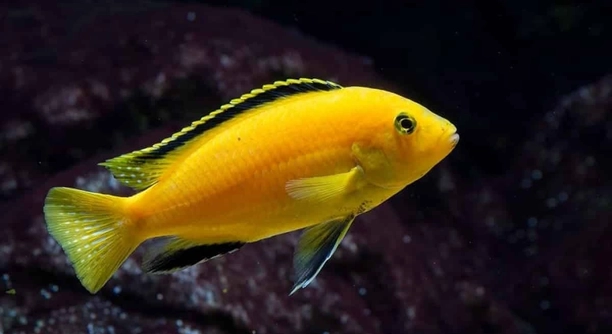
Cichlids are fascinating fish known for their vivid colors and active behaviors. Observing them can be rewarding, but conflicts often arise in shared tanks. Understanding early signs of tension helps maintain a peaceful aquarium environment.
Before actual fights occur, cichlids often display specific movements that signal conflict. These include flaring fins, chasing, body tilting, gill spreading, rapid swimming, head bobbing, and mouth opening. Recognizing these behaviors allows aquarists to intervene and prevent escalation.
Knowing these movements can improve tank management and prevent stress. Learning to identify subtle cues ensures both fish safety and a harmonious aquatic environment.
Flaring Fins
When cichlids flare their fins, it is usually a clear warning to others nearby. The fins spread wide to make the fish appear larger and more intimidating. This behavior often happens near territories or during feeding times when competition is higher. Watching the fins flare can give you a sense of which fish are asserting dominance. Some cichlids flare more than others, and it can depend on their mood or the specific species. It is important to note that frequent flaring may indicate ongoing tension in the tank. In many cases, flaring is not followed by physical aggression, but it signals that conflict could occur if the situation continues. By recognizing this behavior early, you can rearrange tank décor, add hiding spots, or monitor interactions more closely. Observing fin flaring regularly helps maintain a calmer environment for all the fish in the aquarium.
Flaring fins are a warning sign that a cichlid may feel threatened or competitive.
Managing flaring can reduce tension in a shared tank. Providing space and visual barriers often prevents fights.
Chasing
Chasing is a movement that shows one cichlid is asserting dominance over another. It usually involves one fish swimming rapidly after another, often driving it away from a preferred area. This behavior is most common near hiding spots, food, or breeding areas. Chasing can escalate quickly if the targeted fish has nowhere to retreat, leading to stress or injury. Observing patterns of chasing can reveal which fish are the aggressors and which are more submissive. In some cases, short chases are part of normal social interaction, but repeated or prolonged chasing can be harmful. It is essential to provide enough space and breaks in the tank layout to minimize conflict. Watching chasing behavior closely allows intervention before serious aggression occurs. Adjusting the environment or separating overly aggressive fish can create a more stable, peaceful tank ecosystem. Understanding these movements is key to keeping all cichlids healthy and comfortable in their habitat.
Body Tilting
Body tilting often occurs when a cichlid is sizing up another fish. The fish angles its body slightly to appear more dominant or intimidating. This movement is usually subtle but indicates growing tension in the tank.
Tilting the body can precede more aggressive actions like chasing or fin flaring. When one fish tilts, it may be testing the reaction of others nearby. This behavior is common during feeding times or when new decorations change the tank layout. Body tilting signals awareness of territory and establishes hierarchy among cichlids. By noticing these movements, aquarists can anticipate conflicts and create more space or hiding areas for less dominant fish.
Repeated body tilting can increase stress if not addressed. Providing multiple areas of refuge or separating highly aggressive individuals can reduce tension. This adjustment helps maintain a peaceful environment, allowing all cichlids to thrive without constant stress or injury. Recognizing these signals early is essential for balanced social dynamics in a shared tank.
Gill Spreading
Gill spreading is a clear sign a cichlid is preparing to assert itself. The fish spreads its gills wide to appear larger, often staring directly at another fish. This display is a warning and rarely occurs without reason.
Gill spreading is usually paired with other aggressive movements like fin flaring or chasing. It serves to intimidate rivals and protect territory. Fish that spread their gills frequently may feel insecure or be highly territorial, especially during breeding periods. Observing gill spreading patterns helps determine which fish dominate the tank and which may need more space. Recognizing these early warning signals allows timely intervention, such as rearranging tank décor or adding visual barriers, to reduce stress.
Stress from constant gill spreading can impact a fish’s health and appetite. Providing visual breaks and ample hiding spots minimizes confrontations. Understanding this behavior allows for better tank management and keeps aggressive interactions under control. Over time, cichlids respond to a well-structured environment with calmer behavior and more stable social hierarchies, reducing the likelihood of injury or prolonged stress.
Rapid Swimming
Rapid swimming is a clear indication that a cichlid is feeling agitated or threatened. The fish moves quickly around the tank, often in short bursts, showing it is alert and ready to react to any perceived threat.
This movement can escalate into chasing or aggressive displays if another fish enters its space. Monitoring rapid swimming helps identify early tension and allows adjustments, such as adding hiding spots or rearranging decorations to reduce stress.
Head Bobbing
Head bobbing is a subtle yet significant movement. A cichlid moves its head up and down repeatedly, often while facing another fish. This behavior communicates dominance and can be a prelude to aggressive interaction. Head bobbing is common among territorial males, especially near breeding or feeding areas. It signals readiness to defend space or resources. Fish that observe head bobbing may respond by retreating or displaying submissive behavior. Recognizing this early allows for intervention, such as providing more space, visual barriers, or rearranging tank elements. Awareness of head bobbing patterns can help maintain a calmer, safer tank environment and reduce stress-related conflicts among cichlids.
Mouth Opening
Mouth opening is often a defensive behavior. A cichlid opens its mouth wide to appear threatening and assert dominance over nearby fish.
FAQ
How can I tell if my cichlids are about to fight?
Cichlids often show warning signs before a fight. Common movements include fin flaring, chasing, body tilting, gill spreading, head bobbing, rapid swimming, and mouth opening. Observing these behaviors helps you identify which fish are stressed or dominant. Early detection allows you to create space, add hiding spots, or rearrange tank décor to prevent escalation. Fish showing repeated aggressive behaviors may need monitoring or temporary separation to maintain harmony. Keeping track of patterns over several days gives a clearer understanding of social hierarchies and reduces unexpected conflicts in the tank.
Why do cichlids flare their fins?
Fin flaring is a visual display used to assert dominance or claim territory. By spreading their fins, cichlids appear larger and more threatening to other fish. This behavior is common during feeding, near nesting sites, or when new fish are introduced. Flaring is not always followed by fighting but indicates tension. If flaring occurs frequently, adjusting the tank layout or providing additional hiding spaces can help reduce stress. Monitoring which fish flare most often helps identify dominant individuals and prevents prolonged conflict.
What does chasing indicate in cichlids?
Chasing is a direct form of asserting control over territory or resources. A dominant fish may pursue a subordinate one, especially around food, hiding spots, or breeding areas. Short chases are normal, but repeated or intense chasing can cause stress or injury. Providing ample space, visual barriers, and multiple feeding areas reduces conflicts. Observing which fish are consistently chased identifies the social hierarchy and helps maintain a safer environment for all tank inhabitants.
Is body tilting always aggressive?
Body tilting is a subtle form of intimidation and is usually a precursor to more aggressive actions like chasing or fin flaring. Fish angle their bodies to appear larger or more dominant while assessing rivals. This behavior often occurs during feeding, breeding, or when establishing territory. Not every tilt leads to aggression, but repeated tilting suggests tension that may require intervention. Rearranging tank decorations or adding hiding spots can prevent escalation and reduce stress for subordinate fish.
Why do cichlids spread their gills?
Gill spreading is a warning display to appear larger and discourage rivals. It signals that the fish is ready to defend its territory or resources. Gill spreading often accompanies fin flaring or chasing. Observing which fish spread their gills frequently helps identify dominant individuals and potential points of tension. Providing breaks in line of sight or extra hiding spots reduces prolonged stress and helps maintain a calmer tank environment.
What is the purpose of head bobbing?
Head bobbing communicates dominance and signals readiness to defend territory. This movement is common among territorial males or during breeding periods. Fish observing head bobbing may retreat or display submissive behavior. Recognizing this early allows you to intervene by adjusting tank layout, providing more space, or adding visual barriers to prevent escalation. Head bobbing is an important indicator of social dynamics within the tank.
Why do cichlids open their mouths wide?
Mouth opening is a defensive behavior meant to intimidate other fish. It often accompanies fin flaring or gill spreading and signals dominance. This behavior can occur during territory disputes or when defending resources. Repeated mouth opening without escalation may indicate ongoing tension. Creating more space or temporary separation for aggressive individuals reduces stress and prevents potential injuries. Observing which fish frequently open their mouths helps manage aggression and maintain a balanced tank environment.
How can I prevent conflicts between cichlids?
Preventing conflicts involves observing early warning behaviors and making environmental adjustments. Adding hiding spots, rearranging decorations, ensuring enough space, and monitoring dominant fish are key steps. Separating overly aggressive individuals temporarily or providing multiple feeding areas also helps. Understanding the subtle cues of tension allows proactive management and creates a safer, calmer environment for all cichlids. Maintaining balance in the tank reduces stress and promotes healthier social interactions.
Can conflicts be completely avoided?
Conflicts can rarely be completely avoided, as cichlids naturally establish hierarchies. However, early recognition of warning movements and proactive management minimizes stress and injuries. Providing adequate space, hiding spots, and multiple feeding areas reduces the frequency and intensity of disputes. Regular observation ensures timely intervention when aggression escalates. While occasional tension is normal, careful management maintains a largely peaceful tank where all fish can thrive without prolonged stress.
Final Thoughts
Observing cichlids in a shared tank can be both fascinating and challenging. These fish are naturally territorial, and their interactions often involve displays of dominance before any real conflict occurs. Movements such as fin flaring, chasing, body tilting, gill spreading, head bobbing, rapid swimming, and mouth opening are all early signals of tension. Learning to recognize these behaviors is essential for maintaining a peaceful environment. By paying attention to how your fish behave on a daily basis, you can better predict when disagreements might occur. This awareness allows you to take preventive measures, such as providing adequate space, adding visual barriers, or rearranging tank decorations to reduce direct confrontations. Small adjustments in the tank setup can make a significant difference in how your cichlids interact with one another.
It is also important to understand that not all aggressive behaviors indicate serious conflict. Many of the movements cichlids display are part of their natural communication and social hierarchy. Short bursts of chasing, fin flaring, or head bobbing are often warnings rather than actual attempts to harm other fish. However, repeated or prolonged displays can lead to stress and health problems if left unmanaged. Providing multiple hiding spots, ample swimming space, and separate feeding areas helps reduce the likelihood of sustained aggression. Observing which fish are most dominant and which are more submissive allows you to anticipate potential points of tension. Intervening early, even in subtle ways, can prevent more serious disputes and keep the tank environment balanced and stable. Over time, cichlids tend to adjust to one another when the environment supports peaceful coexistence.
Maintaining a harmonious tank requires ongoing attention and patience. No single method will completely eliminate conflict, but combining careful observation with thoughtful adjustments creates a healthier environment for all the fish. Paying attention to early warning movements allows you to respond proactively rather than reactively, reducing stress for both dominant and subordinate cichlids. Regularly checking the tank layout, monitoring fish interactions, and making small changes when necessary can ensure that your cichlids thrive in a stable social structure. Understanding their natural behaviors not only helps prevent injuries and stress but also allows you to enjoy watching their fascinating interactions. A well-managed tank with appropriate space, hiding places, and environmental enrichment encourages calm behavior and supports the long-term health and well-being of your cichlids.

Hello,
If you enjoy the content that we create, please consider saying a "Thank You!" by leaving a tip.
Every little bit helps us continue crafting quality advice that supports the health, happiness, and well-being of pets around the world, for pets of all shapes, sizes, and species.
We really appreciate the kindness and support that you show us!