
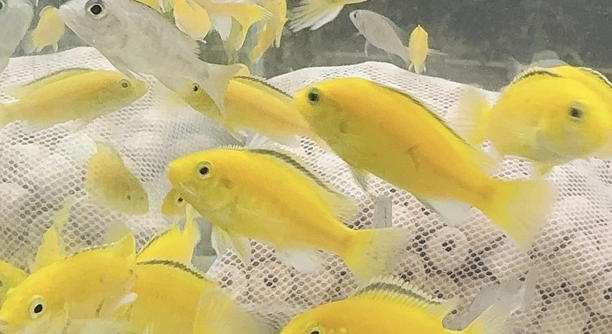
Feeding your fish seems simple, yet small mistakes can lead to unexpected problems. Fin nipping is a common behavior in community tanks, often caused by overlooked feeding habits and misunderstandings about proper nutrition and portioning.
Many cases of fin nipping arise from inconsistent feeding schedules, overfeeding, or offering inappropriate foods. Ensuring a balanced diet, monitoring portion sizes, and maintaining consistent meal routines significantly reduces aggression and promotes healthy social interactions among fish.
Recognizing these feeding pitfalls early can protect your fish and create a calmer, healthier tank environment for everyone.
Overfeeding Your Fish
Overfeeding is one of the most common mistakes that leads to fin nipping. When fish are given more food than they can consume in a few minutes, leftover food sinks to the bottom and begins to decay. This can increase stress levels in the tank, as poor water quality impacts fish behavior and health. Excess food can also cause fish to compete aggressively, leading to fin damage. Fish may chase one another to get the extra food, and slower or smaller fish often get nipped at the fins. Over time, repeated overfeeding weakens fish and makes them more susceptible to disease. It is important to measure portions carefully and feed only what the fish can finish in two to three minutes. Feeding smaller amounts multiple times a day is more effective than a single large feeding, promoting both health and calm interactions among tank mates.
Controlling portion sizes can significantly reduce fin nipping and improve overall tank harmony.
Creating a feeding schedule helps maintain consistent portions. Observe how quickly your fish consume the food and adjust amounts as needed. Avoid leaving uneaten food in the tank, as this directly contributes to stress and fin injuries. Some fish are faster eaters, so it may be necessary to feed slower or smaller fish separately to ensure they receive enough nutrition. Using feeding tools like tongs or automatic feeders can help regulate portions accurately. Maintaining water quality through regular cleaning also supports healthy behavior. By combining careful portioning, monitoring, and proper tank maintenance, you reduce aggression and protect fins.
Inconsistent Feeding Times
Irregular feeding can confuse fish and trigger aggressive behaviors.
Fish thrive on routine. Feeding at unpredictable times can make them anxious, leading to fin nipping as they compete when food finally appears.
Maintaining a consistent feeding schedule is key to reducing stress and aggression. Fish recognize patterns and feel secure when meals come at regular times. Skipping meals or feeding at inconsistent hours can make fish more competitive during feeding, increasing the likelihood of chasing and biting fins. Consistency also helps with digestion and overall health, as fish can anticipate their energy intake. For community tanks, staggered feeding times may be necessary to accommodate different species, ensuring all fish receive their share without conflict. By establishing a clear routine, you minimize stress-induced behaviors and create a calmer tank environment, keeping fins intact and fish healthier overall.
Offering the Wrong Food
Feeding fish food that does not meet their nutritional needs can cause aggression and fin nipping. Some species require protein-rich diets, while others need more plant-based foods. Incorrect diets can lead to stress, irritability, and increased chasing among tank mates.
Providing the wrong food affects fish behavior and health. Fish with unbalanced diets may become more aggressive as they try to compensate for missing nutrients. Carnivorous fish fed mostly flakes may nip fins to get additional protein, while herbivores given too much protein can develop digestive issues and irritability. Choosing the correct type of food for each species, whether flakes, pellets, frozen, or live options, helps reduce aggression and supports overall well-being. Observing your fish and adjusting their diet according to species-specific requirements is essential.
Even small mistakes, like feeding only one type of food, can trigger fin nipping. Offering a variety that suits each species ensures calmer interactions and healthier fish. Paying attention to their natural dietary needs prevents nutrient deficiencies and reduces stress-related behaviors.
Uneven Food Distribution
When food is concentrated in one area, faster fish dominate and nip fins of slower ones. Uneven feeding creates tension and competition in the tank.
Distributing food evenly across the tank ensures all fish get access without aggressive chasing. Fish that struggle to reach food often become stressed, and fin nipping increases. Using feeding rings, multiple feeding points, or scattering flakes in different areas allows every fish to eat at its pace. Over time, this reduces anxiety and creates calmer interactions. Consistency in distribution, along with appropriate portion sizes, supports both nutrition and social balance. Ensuring each fish receives proper nutrition prevents stress-related aggression, keeping fins intact and the tank environment more peaceful.
Feeding Too Quickly
Rushing fish meals can lead to aggression and fin nipping. When food is delivered too fast, fish compete intensely, and faster swimmers may nip slower ones’ fins to secure their share.
Slowing down feeding helps fish eat at their own pace. Using smaller amounts multiple times a day prevents stress and reduces chasing, allowing all fish to access food without harm.
Feeding Infrequently
Infrequent feeding can make fish anxious and trigger aggressive behaviors. Fish that go long periods without food often become more competitive when meals finally arrive, leading to fin nipping and chasing. Proper scheduling helps maintain calm and balanced interactions.
Using Inappropriate Feeding Tools
Feeding with tools that are not suited to your tank can cause uneven distribution and stress. Scoops, tongs, or large feeding devices may deliver food too quickly or in one spot, causing faster fish to dominate and nip fins. Choosing the right tool ensures fair feeding.
Ignoring Individual Fish Needs
Each species and even individual fish have unique feeding requirements. Overlooking differences can result in stress, competition, and fin nipping. Observing behaviors and adjusting feeding methods ensures all fish receive proper nutrition and reduces aggressive interactions.
FAQ
What causes fin nipping besides feeding mistakes?
Fin nipping can also be influenced by overcrowding, incompatible species, or a lack of hiding spaces. Stress, poor water quality, and territorial behavior make fish more likely to chase and bite fins. Correcting feeding habits helps, but tank setup and compatibility are equally important.
How often should I feed my fish to prevent fin nipping?
Feeding small portions two to three times a day is generally ideal. This keeps fish satisfied without overloading the tank with excess food. Consistent schedules reduce anxiety and aggressive chasing, ensuring calmer interactions among all fish.
Can switching fish food types help reduce fin nipping?
Yes. Providing species-appropriate diets that meet nutritional needs helps reduce competition and aggression. Some fish require protein-rich foods, while others thrive on plant-based options. Observing eating habits and offering variety ensures everyone receives adequate nutrition.
Is overfeeding worse than underfeeding for fin nipping?
Overfeeding tends to trigger more aggressive behavior because leftover food leads to stress and competition. Underfeeding can also cause chasing but is easier to control with careful observation and adjustment. Balanced feeding schedules prevent both extremes.
How can I make sure all fish get their share during feeding?
Distribute food evenly across the tank using multiple feeding points or scattering flakes. Feeding rings or slow-release devices help slower fish access food without harassment from faster ones, reducing fin nipping.
Do hiding spots help prevent fin nipping?
Yes. Adding plants, caves, or decorations gives fish places to retreat. Hiding reduces stress and prevents persistent chasing, especially for smaller or slower species prone to being nipped during feeding.
Should I feed aggressive fish separately?
In some cases, separating fast or aggressive eaters can prevent them from dominating mealtime. Feeding slower or weaker fish in a different area ensures they get proper nutrition and reduces fin damage.
How does water quality affect fin nipping?
Poor water conditions increase stress and irritability, leading to more aggressive behaviors. Regular water changes, proper filtration, and monitoring of parameters like pH, ammonia, and nitrate levels help maintain a calm and healthy tank environment.
Can temperature or lighting influence feeding aggression?
Yes. Fish metabolism is affected by temperature; warmer water may increase appetite and activity, leading to more chasing during feeding. Consistent lighting schedules also promote routine and reduce stress-induced aggression.
What are signs that fin nipping is becoming a serious problem?
Look for ragged fins, missing fin sections, constant chasing, or persistent injuries. If multiple fish are affected, it indicates that stress, feeding habits, or tank conditions need immediate attention to prevent illness and further harm.
How long does it take to correct fin nipping caused by feeding mistakes?
Improvements can be seen within a few days to weeks once feeding schedules, portion sizes, and food types are adjusted. Consistency and monitoring are key, along with maintaining good water quality and appropriate tank conditions.
Are some fish more prone to fin nipping than others?
Yes. Fast-swimming, territorial, or highly active species are more likely to nip fins. Slower or long-finned species are common targets. Understanding the behavior of each species in the tank helps reduce conflicts through proper feeding and tank setup.
Can fin nipping cause long-term health issues?
Repeated nipping can lead to torn fins, infections, and stress-related illnesses. Proper care, nutrition, and reducing aggressive interactions are essential to maintain healthy fish and prevent long-term damage.
Is it better to use live, frozen, or dry food to prevent fin nipping?
Each type has benefits. Live food can trigger aggression if not managed carefully, while frozen and dry foods are easier to portion and distribute evenly. Choosing the right type for your species and controlling portions helps minimize nipping.
How can I track if my feeding adjustments are working?
Observe fish behavior during and after meals. Less chasing, calmer swimming, and healthier fins indicate progress. Keeping a simple feeding log can help identify patterns and ensure schedules and portion sizes are effective.
Final Thoughts
Feeding your fish may seem straightforward, but small mistakes can quickly lead to stress and aggression. Many cases of fin nipping stem from simple issues such as overfeeding, irregular schedules, or providing the wrong type of food. By paying attention to how much and how often you feed your fish, you can prevent unnecessary competition during meals. Portion control is essential; too much food leads to leftover waste, while too little can cause frustration. Observing your fish during feeding times gives insight into their behavior and helps identify any patterns of fin nipping early. Small adjustments, like feeding smaller amounts multiple times a day or scattering food across the tank, can make a significant difference in creating a calmer and healthier environment. Consistency is just as important as the type and amount of food, and sticking to a regular feeding routine helps reduce anxiety and aggressive chasing.
Choosing the right type of food is another key factor in preventing fin nipping. Each species has specific dietary requirements, and ignoring these needs can result in stress or aggressive behavior. Carnivorous fish need protein-rich diets, herbivores require more plant matter, and omnivores benefit from a balanced combination. Offering a variety that matches the natural diet of each species helps ensure all fish get the nutrients they need. Using feeding tools, like tongs, scoops, or feeding rings, can also make distribution more even and prevent faster fish from dominating slower tank mates. Regular monitoring and adjusting based on behavior ensures every fish receives proper nutrition, which directly affects their mood and interactions. Supporting a balanced diet while maintaining clean water and proper tank conditions promotes overall health and reduces instances of fin nipping.
Maintaining a peaceful tank goes beyond feeding habits. Providing hiding spots, such as plants, caves, or decorations, gives fish places to retreat and reduces stress from aggression. Consistent water quality, proper temperature, and adequate lighting further support calm behavior. While some fin nipping may still occur, most cases can be controlled by combining proper feeding, routine maintenance, and thoughtful tank setup. Observing your fish and responding to their needs helps prevent injuries and creates a more harmonious environment. By focusing on diet, distribution, and overall care, you encourage healthier, less aggressive behavior, protecting both fins and general well-being. Creating a predictable, safe, and nutrient-rich environment ensures your fish thrive while minimizing stress-induced aggression in your tank.

Hello,
If you enjoy the content that we create, please consider saying a "Thank You!" by leaving a tip.
Every little bit helps us continue crafting quality advice that supports the health, happiness, and well-being of pets around the world, for pets of all shapes, sizes, and species.
We really appreciate the kindness and support that you show us!