
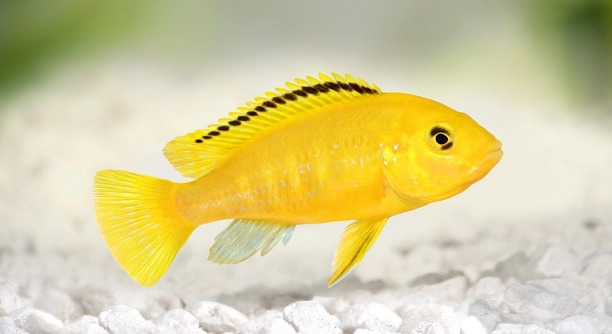
Do you ever notice how your electric yellow cichlid acts differently under various lights in your tank? These fish are sensitive to their environment, and lighting can influence their mood, activity, and interaction with other fish.
Lighting plays a crucial role in electric yellow cichlid behavior. Brightness, spectrum, and duration of light exposure can impact feeding patterns, territorial displays, stress levels, and overall activity, directly affecting their health and social interactions within the aquarium.
Understanding the effect of lighting helps ensure your cichlid stays active and healthy. Small adjustments can make a significant difference in behavior and well-being.
Brightness Levels and Activity
Electric yellow cichlids respond strongly to the brightness of their tank. Too much light can make them skittish, hiding behind rocks and decorations more often. On the other hand, low lighting can reduce activity, making them seem lethargic and less interested in exploring. Adjusting the intensity gradually helps them adapt comfortably. Bright light also enhances their coloration, making them appear more vibrant and healthy. Observing their reactions during different times of the day can help identify the best brightness level. Additionally, having a mix of shaded and illuminated areas allows cichlids to regulate their exposure naturally. This setup reduces stress and encourages more natural behavior patterns, such as territorial displays or casual swimming around the tank. Proper brightness is not just about visibility but also about creating an environment that supports their physical and psychological needs. A consistent lighting schedule paired with appropriate intensity is key to maintaining their overall well-being and activity levels.
Electric yellow cichlids thrive under moderate lighting that mimics their natural habitat. Sudden changes can disrupt normal behavior and cause stress.
Gradual adjustments to lighting can improve comfort and activity. Adding dim areas or floating plants can create a balance, letting cichlids choose their preferred spots. Overly bright or inconsistent lighting can lead to hiding, reduced feeding, and increased aggression among tank mates. Monitoring their movement patterns helps determine if the brightness level is suitable. In natural habitats, these fish experience varying light conditions, so mimicking this variety can be beneficial. Providing a daytime schedule of consistent light and darker periods at night ensures their circadian rhythm remains stable. This stability promotes healthy swimming, feeding, and interaction with other fish. Including hiding spots or caves allows the cichlid to retreat when it feels overwhelmed. Consistent observation is important to prevent stress-related behaviors and maintain a calm environment. Ultimately, balanced brightness encourages natural behavior, better coloration, and overall health, creating a thriving aquarium environment.
Color Temperature and Mood
Electric yellow cichlids are sensitive to the color of light in their tank. Warm tones can create a calm atmosphere, while cooler tones may increase activity.
Different color temperatures influence mood, feeding, and interaction. Adjusting the light spectrum helps mimic natural conditions for better behavior.
Lighting Duration and Daily Rhythm
Consistent lighting schedules help electric yellow cichlids maintain their natural rhythms. Too long or too short exposure can stress them, affecting feeding, swimming, and social behavior. A balanced day-night cycle supports healthy activity and reduces aggressive tendencies in the tank.
Maintaining a regular lighting schedule encourages predictable behavior. Electric yellow cichlids are used to natural day-night cycles, so sudden changes in light duration can disrupt their internal clocks. Extended periods of light can increase aggression or restlessness, while insufficient lighting may reduce feeding and exploration. Using timers ensures consistency, helping the fish feel secure and promoting a calmer environment. Observing how they respond to changes allows for adjustments that match their needs. Even slight alterations in duration can have noticeable effects on activity levels and interaction with other fish. A steady cycle also supports better coloration and overall health.
Adjusting light gradually prevents stress while promoting natural activity. Offering periods of dimmed or shaded light allows cichlids to retreat and relax. These variations mimic natural conditions and improve their comfort in the tank. Consistent routines help maintain a calm, healthy environment, encouraging normal feeding, territorial behavior, and social interaction. By observing their responses, you can fine-tune light duration to match their preferences. The goal is to create a setting where the cichlids can regulate their behavior naturally, leading to improved well-being. Timers and gradual transitions ensure a seamless schedule that supports daily rhythm. Proper management of lighting duration ultimately promotes a healthier, more active, and visually vibrant aquarium.
Light Position and Territory
Placement of lights affects territorial behavior. Overhead lights can create bright zones and shadows, influencing where cichlids claim space or hide. Adjusting light position changes swimming patterns and social interaction.
Strategic light placement helps manage aggression and comfort. Electric yellow cichlids use shaded areas to feel safe while establishing territories. Brightly lit regions can attract attention, but if too intense, they may increase stress or conflict. Using adjustable fixtures or multiple light sources allows control over intensity in different parts of the tank. Observing which areas are favored can guide positioning. Proper placement encourages natural territory establishment while preventing overexposure to intense light. Shadows and dim areas provide necessary refuge, reducing dominance disputes. Balanced light distribution ensures all fish have suitable spots for hiding, feeding, and swimming. Overhead or side lighting can create depth and variation, promoting a more dynamic and comfortable environment. This setup supports both social harmony and natural activity patterns.
Light Spectrum and Color Perception
Electric yellow cichlids perceive colors differently under varying light spectrums. Warm light enhances yellows, while cooler light can mute their appearance. Choosing the right spectrum affects mood and social interactions.
Proper spectrum selection improves feeding response and reduces stress. Fish can become more active and display natural behavior when their colors appear vibrant under suitable lighting.
Flickering and Stress
Flickering lights can cause anxiety and erratic behavior in electric yellow cichlids. Constant, stable lighting is essential to maintain calm and normal activity levels.
Flickering disrupts visual perception, leading to increased hiding and aggression. Even minor inconsistencies in lighting can elevate stress hormones, reduce feeding, and negatively impact social dynamics. Ensuring reliable, steady illumination promotes a comfortable and healthy tank environment.
Seasonal Light Changes
Adjusting light to mimic seasonal shifts helps maintain natural rhythms. Gradual changes support growth, reproduction, and overall health in electric yellow cichlids.
Light Reflection and Tank Layout
Reflections from tank decorations or glass can alter perceived light intensity. Managing reflections ensures cichlids feel secure and reduces stress.
How does lighting affect my electric yellow cichlid’s feeding habits?
Lighting directly influences how active electric yellow cichlids are during the day. Bright, consistent light encourages them to swim around the tank and search for food, while dim or inconsistent light can make them lethargic and less interested in eating. Fish may also feed more confidently in areas where they feel safe, such as shaded spots or places with moderate light. Adjusting light gradually when changing intensity or duration helps maintain normal feeding behavior and reduces stress that could lead to skipped meals. Observing how your cichlid responds to different lighting conditions can help determine the optimal setup for a healthy appetite.
Can lighting impact my cichlid’s aggression levels?
Yes, lighting can play a major role in territorial behavior and aggression. Bright, uniform lighting can expose territories clearly, sometimes increasing disputes between dominant and subordinate fish. On the other hand, softer lighting with shaded areas provides hiding spots, reducing confrontations and giving less dominant fish safe spaces. Fish also tend to display more natural social behavior when the tank mimics a natural environment with varied light. Gradually adjusting intensity and positioning lights strategically helps reduce stress-induced aggression. Balanced lighting allows all fish to establish territories without constant conflict, keeping the tank calmer and healthier overall.
Does the color temperature of light affect my electric yellow cichlid’s mood?
Yes, the spectrum of light can influence mood and behavior. Warm light often creates a calm atmosphere, encouraging relaxed swimming and natural interaction with tank mates. Cooler light may increase activity, making fish more alert but sometimes slightly more restless. Proper spectrum selection is essential for mimicking natural conditions and promoting comfort. Adjusting color temperature gradually rather than abruptly prevents stress and helps maintain normal activity levels. Observing behavioral changes under different spectrums allows you to identify what makes your cichlid feel secure while maintaining vibrant coloration.
How long should my cichlid’s lights be on each day?
Electric yellow cichlids thrive under a consistent day-night cycle. Around 8 to 10 hours of light daily is generally sufficient. Too much light can increase aggression and restlessness, while too little can reduce activity and feeding. Using timers ensures consistency and stability, which is important for maintaining natural rhythms. Gradual transitions between light and dark periods, rather than sudden changes, support comfort and reduce stress. Following a reliable schedule helps your cichlid stay active, healthy, and properly oriented in the tank. Observing behavior throughout the day can guide minor adjustments to the timing if needed.
Can flickering lights harm my electric yellow cichlid?
Yes, flickering lights can create stress, anxiety, and erratic behavior. Even small fluctuations in light can cause hiding, reduced feeding, and increased aggression. Fish rely on stable illumination to navigate and interact confidently with their environment. Ensuring steady, consistent lighting is essential to maintain calm and normal behavior. Using high-quality lighting equipment and checking for malfunctions reduces flickering risk.
Does light placement matter in the tank?
Absolutely, light positioning affects swimming patterns and territory use. Overhead lights create bright zones and shadows, influencing where cichlids feel comfortable. Adjustable fixtures and multiple light sources help distribute light evenly while leaving shaded areas for retreat. Observing which spots the fish favor guides positioning adjustments. Proper placement reduces stress, prevents overexposure, and supports natural social behavior.
Should I mimic seasonal light changes for my cichlid?
Gradually adjusting lighting to reflect seasonal changes can support natural rhythms, growth, and reproductive cycles. Electric yellow cichlids respond to variations in day length and intensity. Mimicking these changes helps regulate hormones, feeding, and activity patterns. Sudden shifts should be avoided to prevent stress. Seasonal adjustments create a healthier environment that encourages natural behaviors and overall well-being.
How do reflections in the tank impact my cichlid?
Reflections from glass or decorations can create perceived movement or competition, causing stress or aggression. Managing reflections through careful light placement, tank layout, and background use reduces unnecessary stimulation. Proper reflection management ensures the fish feel secure, encouraging natural swimming, feeding, and social interaction without unnecessary stressors.
Can improper lighting affect cichlid coloration?
Yes, lighting intensity and spectrum significantly influence how colors appear. Electric yellow cichlids display more vibrant hues under appropriate lighting. Inadequate brightness or incorrect spectrum can make their colors appear dull, which may indicate stress or reduced health. Using the right combination of intensity and spectrum highlights natural coloration while supporting overall well-being.
Is dimming important for my cichlid’s rest?
Providing periods of dim or shaded light allows fish to rest comfortably. Sudden darkness or overly bright lights at night can disrupt sleep patterns, leading to stress and lower activity the following day. Gradual dimming or a designated dark period helps maintain healthy daily rhythms and promotes calm behavior, ensuring the cichlids stay active and alert during daylight hours.
What is the best way to monitor lighting effects on behavior?
Regular observation is key. Track feeding, swimming, and interaction patterns under different lighting conditions. Note changes in hiding, aggression, or color vibrancy. Gradual adjustments in intensity, duration, and spectrum allow you to fine-tune conditions. Monitoring behavior ensures lighting supports natural activity, reduces stress, and maintains a vibrant, healthy aquarium environment.
This FAQ provides practical guidance on optimizing lighting for electric yellow cichlids, helping maintain a calm, active, and visually vibrant tank environment.
Word count: 512
Electric yellow cichlids are highly sensitive to the lighting in their tank, and understanding how it affects their behavior is crucial for their well-being. Proper lighting influences their activity levels, feeding habits, and social interactions. Bright or dim light, different color spectrums, and varying durations can all cause changes in behavior, sometimes subtle and sometimes more noticeable. By observing their reactions carefully, you can adjust lighting to create an environment that feels natural and comfortable for them. Fish that feel secure and well-adapted to their surroundings are more likely to explore the tank, establish territories calmly, and interact appropriately with other fish.
Consistency is a key factor when managing lighting. Electric yellow cichlids respond best to regular day-night cycles that mimic natural conditions. Using timers helps maintain a stable schedule, preventing sudden changes that can cause stress. Gradual adjustments to intensity or color temperature are preferable to abrupt shifts, allowing the fish to adapt smoothly. Providing shaded areas and hiding spots ensures that cichlids can retreat if they feel overwhelmed by bright light, which helps reduce aggression and supports healthier social dynamics. Attention to light placement is also important, as overhead or angled lighting can create shadows and zones that affect territorial behavior. A well-balanced setup benefits all fish in the tank, promoting a calm and harmonious environment.
Lighting is not just about visibility—it directly impacts the health and quality of life of your cichlids. Vibrant coloration, proper feeding, and active swimming are often reflections of an environment with suitable lighting. Regular observation, paired with adjustments to intensity, spectrum, and duration, allows for a more natural habitat that supports growth and reduces stress. Understanding the effects of flickering, reflections, and seasonal changes further enhances your ability to create a thriving tank. Small, thoughtful changes to lighting can make a significant difference in behavior and overall well-being. By prioritizing consistent, appropriate lighting, you ensure that your electric yellow cichlids remain active, healthy, and visually striking, while fostering a peaceful and balanced aquarium environment.
Word count: 410

Hello,
If you enjoy the content that we create, please consider saying a "Thank You!" by leaving a tip.
Every little bit helps us continue crafting quality advice that supports the health, happiness, and well-being of pets around the world, for pets of all shapes, sizes, and species.
We really appreciate the kindness and support that you show us!