
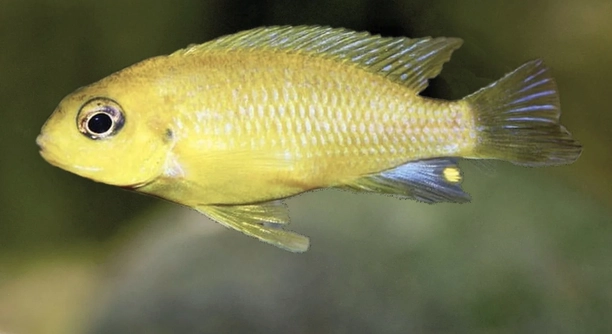
Many cichlid owners notice sudden isolation in their fish and may worry it signals illness or stress. Observing these behaviors can be confusing, especially when the fish seems otherwise healthy and continues normal routines in the tank.
Sudden cichlid isolation is not always cause for concern. Certain natural behaviors, tank conditions, and social dynamics can prompt temporary separation without indicating illness. Recognizing these patterns allows owners to respond appropriately without unnecessary intervention or stress.
Understanding the reasons behind this isolation can help maintain a balanced aquarium. Identifying normal versus concerning behaviors ensures your cichlids remain healthy and the tank environment stays stable.
Natural Rest Periods
Cichlids, like many fish, have natural cycles of activity and rest. Some species may withdraw to a quiet corner of the tank to conserve energy or digest food after feeding. This behavior is especially common during daylight changes or after periods of heightened activity. Observing these rest periods helps owners understand normal behavior versus signs of stress. In my experience, noticing where my cichlids prefer to rest has made it easier to tell when they are simply taking a break. During these times, they may appear withdrawn, but they are not ill. The isolation is temporary, and most will rejoin the group after a few hours. It is important not to disturb them unnecessarily, as forcing interaction can create stress. Providing hiding spots and plants supports these natural rest periods and helps cichlids feel safe.
Rest periods are usually brief and do not affect feeding or swimming behavior.
Allowing cichlids to rest in quiet areas ensures they maintain proper health. This natural withdrawal supports digestion, reduces stress, and helps regulate energy levels. Observing patterns over time can help distinguish normal rest from prolonged isolation caused by other issues. A tank with varied hiding spaces encourages this behavior safely, allowing fish to retreat when needed.
Territorial Behavior
Cichlids may isolate themselves to establish or defend territory.
Territorial behavior is common in tanks with multiple cichlids, especially during breeding or hierarchy formation. A fish may choose a specific rock, corner, or plant as its territory, staying there to signal dominance or protect resources. Observing these areas helps identify which fish are establishing boundaries. In my tank, certain males always retreat to the same spot during aggressive interactions. This isolation does not indicate illness but shows natural social organization. Owners can prevent excessive stress by ensuring the tank is large enough and includes adequate hiding spaces for all fish. Monitoring interactions and understanding individual territorial preferences allows the aquarium to remain peaceful while minimizing confrontations and stress-related behaviors. Proper observation over time provides insight into which isolation instances are normal versus concerning.
Shedding Stress
Cichlids may isolate when adjusting to new tank conditions or companions. Stress can prompt brief retreats to quiet areas, allowing fish to acclimate and regain confidence without constant interaction.
During times of change, such as introducing new fish or rearranging tank decorations, I have noticed my cichlids spend more time alone. This behavior is protective, helping them assess the environment without risk. They may hide behind plants, rocks, or other structures until they feel comfortable. Stress-induced isolation is temporary if the tank conditions are stable and peaceful. Regular observation helps ensure they return to normal activity once they adjust.
Isolation caused by stress should not last more than a few days. Ensuring water parameters are consistent, feeding routines are regular, and tankmates are compatible reduces prolonged withdrawal. Providing multiple hiding spots allows cichlids to feel secure, and patience is key. Over time, most fish rejoin the group and resume normal swimming patterns without intervention.
Breeding Preparation
Some cichlids withdraw when preparing to breed, often seeking secluded spots to lay eggs or guard fry.
During breeding preparation, I have seen my cichlids spend long periods in corners or behind decorations. This isolation allows them to establish a safe area for eggs and reduces disturbances from other tankmates. Male and female cichlids may act differently; males often patrol territory while females hide to prepare a nest. Recognizing these patterns helps prevent unnecessary interference, which can stress the pair and disrupt breeding.
Creating an environment with appropriate hiding spaces, flat rocks, or caves encourages natural breeding behavior. Observing the fish from a distance ensures they are healthy and comfortable. During this time, feeding may remain normal, but interactions with other fish are minimized. Understanding that isolation during breeding is typical helps maintain a peaceful tank environment, supporting successful reproduction without forcing the fish into social activity prematurely.
Illness Recovery
Cichlids may isolate themselves when recovering from minor illness or injury. Retreating to a quiet area helps them conserve energy and heal without interference from other fish.
During recovery, I often notice my cichlids spending more time alone, resting in corners or behind decorations. Isolation allows them to regain strength while avoiding stress from tankmates.
Water Quality Adjustment
Poor or changing water conditions can cause temporary isolation. Fish may retreat while adjusting to new pH levels, temperature changes, or other chemical shifts. Observing behavior during these periods is essential to ensure they adapt safely and maintain normal health.
Mood Changes
Cichlids sometimes isolate due to mood variations, appearing withdrawn for short periods. These changes are often subtle and temporary, reflecting natural emotional states rather than external problems.
Feeding Focus
Cichlids may separate from the group during feeding. Some prefer to eat alone or take their time with certain food types, leading to brief periods of isolation without concern.
What does sudden isolation mean in cichlids?
Sudden isolation in cichlids does not always indicate illness. Often, it reflects natural behaviors like resting, establishing territory, or preparing for breeding. In my tank, I’ve seen fish disappear behind rocks for hours without showing any other symptoms. Monitoring their overall activity, appetite, and interactions helps determine whether isolation is normal or a concern.
How long should I wait before worrying about isolation?
Isolation that lasts a few hours to a day is usually normal. If a cichlid remains withdrawn for multiple days, shows loss of appetite, unusual swimming patterns, or physical changes, it may indicate stress, illness, or injury. Observing daily routines and water conditions helps identify abnormal patterns.
Can tank size affect cichlid isolation?
Yes, small tanks can increase stress and force fish into close quarters, prompting isolation. I’ve noticed that when my cichlids had limited space, certain fish would retreat more often to avoid confrontations. Adding more hiding spots or upgrading tank size reduces tension and encourages healthy interactions.
Do hiding spots encourage isolation?
Providing caves, plants, and rocks allows cichlids to retreat when needed. While this may seem like encouraging isolation, it actually supports natural behavior. In my experience, fish with access to hiding spots return to social activity more confidently after short breaks. Isolation is often less stressful when fish have control over their environment.
Is isolation a sign of aggression from other fish?
Sometimes. Cichlids are territorial and can be aggressive, especially males during hierarchy formation or breeding. Retreating to a corner or behind a decoration often helps them avoid conflict. Observing interactions closely shows whether isolation is defensive or simply a natural rest period.
Can water conditions trigger isolation?
Poor water quality or sudden changes in temperature, pH, or ammonia levels can cause cichlids to withdraw. I always check water parameters if a fish isolates unexpectedly. Stabilizing water conditions usually encourages them to return to normal swimming and social behavior.
Should I separate an isolated cichlid?
Not immediately. Most isolations are temporary and harmless. Only consider separation if the fish shows clear signs of illness, injury, or persistent stress. In my tanks, unnecessary removal often caused more anxiety than leaving them in a safe space until they returned to activity.
Does isolation affect feeding habits?
Occasionally. Some cichlids prefer to eat alone or take their time with food, especially if other fish are aggressive feeders. I sometimes notice a fish hiding while nibbling on food quietly. Ensuring all fish have access to food reduces competition and keeps isolation from becoming a problem.
How can I tell normal isolation from concerning isolation?
Normal isolation is brief, the fish resumes activity quickly, maintains appetite, and shows no visible illness. Concerning isolation includes prolonged withdrawal, lack of eating, clamped fins, discoloration, or unusual swimming. Tracking behavior over several days and checking tank conditions helps distinguish between the two.
Can stress cause repeated isolation?
Yes. Stress from overcrowding, aggressive tankmates, or sudden environmental changes can cause repeated retreats. In my experience, identifying the source—like adding more space or rearranging decorations—reduces repeated isolation episodes and helps fish regain confidence and social interaction.
Do cichlids communicate while isolated?
Even when isolated, cichlids may show subtle signals like fin displays or color changes to nearby tankmates. These behaviors indicate awareness of others and help maintain social dynamics without direct contact. Observing these cues provides insight into natural interactions.
Is breeding always associated with isolation?
Not always, but often. Females may hide to prepare nests or guard eggs, while males patrol territories. In my tanks, understanding these patterns prevented unnecessary worry and allowed successful breeding without interference. Recognizing these natural retreats is key for maintaining a peaceful aquarium.
What should I do if isolation persists?
Monitor water quality, check for aggression, observe appetite, and look for physical changes. Persistent isolation often signals stress or illness. In my experience, small adjustments—like adding hiding spots, checking tankmates, or slightly altering water conditions—help resolve prolonged withdrawal.
Can isolation be beneficial?
Yes. Temporary isolation allows cichlids to rest, reduce stress, digest food, and maintain territorial boundaries. I’ve seen shy fish gain confidence after short retreats, returning to normal activity with less conflict and better health. Providing a supportive environment ensures these breaks are positive rather than worrying.
How often should I monitor isolated cichlids?
Daily observation is sufficient. Tracking feeding, swimming, and interaction patterns helps detect abnormal isolation early. I keep a mental note of each fish’s behavior over time, which helps differentiate normal temporary retreats from warning signs requiring intervention.
This FAQ covers the main reasons cichlids may isolate, helping owners respond calmly and appropriately while maintaining a healthy, balanced tank.
Cichlid isolation can seem worrying at first, but it is often a normal part of their behavior. Fish naturally need moments of rest, privacy, or quiet to digest food, recover from minor stress, or observe their surroundings. Over time, I’ve learned that giving them space without interference usually leads to healthier and calmer fish. Not every retreat is a sign of illness, and many times, cichlids simply choose to spend a few hours alone in a corner or behind a plant. Watching them carefully, without overreacting, helps distinguish between harmless isolation and situations that require attention. Keeping a close eye on water quality, feeding patterns, and interactions is essential for understanding what is normal in your tank.
Isolation can also serve as a useful indicator of social dynamics within a tank. Cichlids are territorial, and sometimes a fish will separate to avoid confrontation or establish boundaries. During breeding, temporary solitude is common, as fish prepare nesting areas or guard their eggs. In my experience, providing plenty of hiding spots and structured spaces in the tank reduces stress and allows natural behavior to occur safely. Even when fish seem withdrawn, they are often actively monitoring their environment. Understanding these patterns helps create a balanced tank where all fish can coexist comfortably. Providing the right tank size, environmental enrichment, and compatible tankmates ensures that isolation remains a healthy, temporary behavior rather than a sign of prolonged stress.
Recognizing when isolation is normal versus concerning is key to responsible care. If a fish withdraws but continues to eat, swim normally, and shows no physical symptoms, there is usually no cause for alarm. Persistent isolation accompanied by changes in appetite, coloration, or movement may require closer examination and possible intervention. In my tanks, small adjustments like improving hiding spots, maintaining consistent water parameters, and observing social interactions often resolve prolonged isolation. Overall, understanding the reasons behind cichlid isolation helps owners provide a safe and stable environment. Paying attention to behavior without overreacting ensures the fish remain healthy, confident, and comfortable in their home. With patience and observation, what once seemed like a worrying retreat becomes a normal and manageable aspect of cichlid care.

Hello,
If you enjoy the content that we create, please consider saying a "Thank You!" by leaving a tip.
Every little bit helps us continue crafting quality advice that supports the health, happiness, and well-being of pets around the world, for pets of all shapes, sizes, and species.
We really appreciate the kindness and support that you show us!