
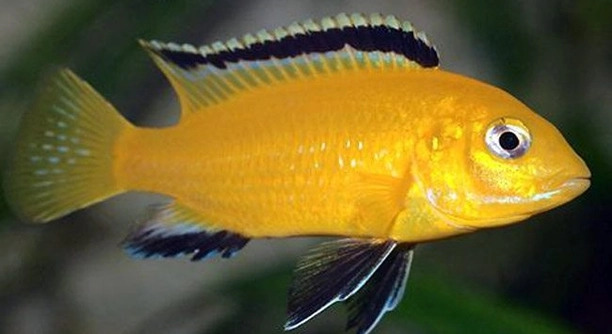
Electric Yellow Cichlids are bright, active fish that live in freshwater aquariums. They interact with their surroundings constantly, relying on senses to detect food, other fish, and changes in their environment. Observing them reveals interesting behaviors.
Electric Yellow Cichlids depend on a combination of vision, hearing, lateral line detection, chemical sensing, touch, and environmental cues to navigate their surroundings, communicate with other fish, and respond to threats, ensuring survival and social interaction.
Recognizing these sensory signals helps aquarists provide a more suitable and stimulating environment for their cichlids to thrive and stay healthy.
Vision and Color Perception
Electric Yellow Cichlids rely heavily on their vision to understand their surroundings. Their bright yellow coloration is not just for beauty; it helps them identify other fish, potential mates, and rivals. These cichlids can detect subtle changes in light and movement, which makes them alert to predators or sudden changes in the tank. Their eyesight also allows them to locate food quickly. In aquariums, providing proper lighting enhances their natural behaviors, helping them feel secure and active. Observing their visual responses can show you how comfortable they are in their environment. Color contrast in the tank, such as rocks or plants, can improve their navigation and reduce stress. They may adjust their positions or display specific behaviors depending on what they see, demonstrating how much vision guides daily life. Vision, combined with other senses, forms the basis for most of their interactions and survival strategies.
Vision is crucial for Electric Yellow Cichlids to navigate, find food, recognize companions, and respond to environmental changes effectively and safely.
Providing a tank with varied colors and lighting will help them behave naturally and stay healthy. Watching how they react to light and movement can also indicate overall well-being.
Lateral Line Sense
The lateral line allows Electric Yellow Cichlids to detect vibrations and water currents around them. This sense is essential for avoiding predators and understanding where other fish are located.
This sensory system runs along the sides of their bodies and detects changes in pressure. When another fish moves nearby, the cichlid can sense the disturbance and react, even without seeing it. It helps them swim in schools or avoid aggressive encounters. In aquariums, strong water currents can overstimulate the lateral line, so gentle flow is ideal. Understanding how cichlids use this sense helps aquarists provide a comfortable environment. By observing how they respond to nearby movements, you can learn which areas of the tank they prefer. This sense works together with vision, taste, and touch to form a complete perception of their surroundings. Proper care and awareness of their lateral line sensitivity support natural behaviors and reduce stress in captive fish.
Chemical Sensing
Electric Yellow Cichlids use chemical signals in the water to understand their surroundings. These cues help them detect food, recognize other fish, and sense potential threats. Their sense of smell and taste work together to gather information essential for survival.
Chemical sensing allows cichlids to locate food that may not be visible. When a pellet or live food enters the water, they can detect its presence and respond quickly. It also helps them recognize territory markers and identify familiar tank mates. Changes in water chemistry, such as pH or contaminants, can trigger stress responses, showing how sensitive their chemical detection is. Proper filtration and water quality maintain a stable environment that supports their natural behaviors. Observing how they react to food or new tankmates can indicate their comfort and health.
This sense also plays a role in reproduction. Females can detect pheromones released by males during mating periods, influencing their readiness to spawn. Males can sense female readiness through chemical cues, helping them adjust courtship behavior. Chemical signals guide social hierarchy and reduce unnecessary aggression. In a well-maintained aquarium, their chemical sense helps them navigate interactions calmly, ensuring healthier, more predictable behaviors among the group.
Touch and Environmental Awareness
Electric Yellow Cichlids respond to touch and physical contact with objects or other fish. This helps them explore their surroundings and avoid injury while swimming in complex spaces.
They often use fins and body movement to feel surfaces, especially around rocks and plants. This tactile sense helps them identify hiding spots or detect changes in water flow. In an aquarium, the presence of smooth rocks, plants, and safe corners allows cichlids to explore without harm. They may gently nudge objects or each other as part of social interaction or territorial assessment. This sense works alongside vision and lateral line detection, providing a complete understanding of their environment. Properly arranging decorations can improve comfort and encourage natural behaviors.
Touch also plays a role in social interactions and communication. Gentle contact between cichlids can establish social hierarchies or reduce aggression during close encounters. Physical interactions often coincide with displays of color or fin movements, reinforcing signals of dominance or submission. Environmental awareness allows them to respond to sudden changes, like falling objects or shifts in water flow, reducing stress. By providing a variety of textures and spaces, their touch and awareness can be fully engaged, making their behavior more natural and their health more stable.
Hearing and Vibration Detection
Electric Yellow Cichlids can sense vibrations and sounds in the water. This ability helps them detect movement from other fish, predators, or disturbances in their environment, allowing quick responses to potential threats.
They respond to subtle noises like water movement or tapping on the tank. Sound helps them coordinate with other fish, especially in social interactions or during territorial displays.
Social Cues
Cichlids communicate through body movements, fin displays, and color changes. These social cues help establish hierarchy, indicate aggression, or signal readiness to mate. Observing these behaviors gives insight into their interactions and overall comfort in the tank.
Light Sensitivity
Electric Yellow Cichlids react to changes in light levels. Sudden bright lights may startle them, while gradual lighting changes support natural daily activity patterns.
Water Temperature Awareness
These cichlids sense temperature changes to maintain comfort and safety. Stable water temperature ensures healthy metabolism, reduces stress, and supports natural behaviors, making environmental consistency critical in their care.
FAQ
How do Electric Yellow Cichlids use their vision in the tank?
Electric Yellow Cichlids rely on their vision to identify food, other fish, and their surroundings. Bright colors help them recognize tank mates and potential rivals. Proper lighting enhances these visual cues, helping them navigate safely, maintain social order, and find food efficiently.
Can cichlids sense water vibrations?
Yes, they detect vibrations through their lateral line system. This sense helps them respond to nearby movement, avoid collisions, and detect potential threats. Strong currents or sudden disturbances may startle them, so gentle water flow is important to reduce stress and promote natural behavior.
What role does chemical sensing play?
Chemical sensing allows cichlids to detect food, pheromones, and water changes. They can sense pheromones from potential mates, which guides reproductive behavior, and identify territory markers or unfamiliar fish. Proper water quality supports accurate chemical detection and healthy social interactions.
How sensitive are Electric Yellow Cichlids to touch?
They use touch to explore surfaces and interact with other fish. Touch helps them navigate complex areas, identify hiding spots, and engage socially. Smooth decorations and safe spaces allow them to interact without injury, supporting comfort and reducing stress.
Do they react to sound or vibrations?
Yes, cichlids detect underwater sounds and vibrations. This helps them coordinate with other fish, detect predators, and respond to environmental changes. Gentle taps on the tank or excessive noise can cause stress, so maintaining a quiet and stable environment is important.
How do they use social cues to communicate?
Body movements, fin displays, and color changes are key ways cichlids communicate. These cues establish hierarchy, indicate aggression, and signal readiness to mate. Observing these behaviors helps you understand their social structure and comfort levels in the tank.
Are Electric Yellow Cichlids sensitive to light changes?
They react to sudden changes in light, which can startle them. Gradual adjustments in lighting support their natural activity patterns, making them feel secure and encouraging normal behavior like feeding and exploring.
How important is water temperature for their sensory health?
Water temperature affects metabolism, behavior, and overall well-being. Sudden shifts can stress cichlids, while stable, appropriate temperatures allow their senses to function properly, helping them detect food, social cues, and environmental changes effectively.
Can they recognize individual tank mates?
Yes, they use a combination of vision, chemical signals, and social cues to identify other fish. Familiarity helps reduce aggression and improves group cohesion, supporting a more balanced and peaceful aquarium environment.
How do all these senses work together?
Electric Yellow Cichlids integrate vision, chemical sensing, lateral line detection, touch, sound, and light sensitivity to understand their surroundings. Each sense complements the others, allowing them to navigate safely, communicate effectively, and thrive in both natural and captive environments.
What can I do to support their sensory needs?
Provide proper lighting, stable water temperature, gentle currents, and varied tank decorations. Maintaining clean water, minimizing loud noises, and observing social interactions ensures their sensory systems remain active, accurate, and stress-free, promoting healthy, natural behaviors in the aquarium.
How can I tell if they are overstimulated?
Signs include hiding excessively, rapid swimming, color fading, or aggression. Overstimulation can come from strong currents, bright sudden lights, or overcrowding. Adjusting the environment and providing quiet, stable conditions helps them regain calm and function normally.
Do they use taste or smell to find food?
Yes, chemical sensing guides them toward food, even if it is not immediately visible. They can detect subtle changes in water, such as leftover food particles or new additions, which allows them to feed efficiently and safely.
Can they sense predators or danger in the tank?
Through vision, vibrations, and chemical signals, cichlids detect potential threats quickly. They respond by hiding, fleeing, or displaying defensive behaviors. Even in a controlled aquarium, these instincts remain active, showing how vital sensory signals are for survival.
How often should I observe their behavior?
Regular observation helps identify stress, illness, or social issues early. Watching how they react to light, water movement, and tankmates ensures their sensory needs are met and supports overall health. Careful attention allows you to make small adjustments to improve their environment.
Do they rely more on one sense than others?
While vision is very important, all senses work together. Chemical cues, touch, vibration detection, and social signals complement sight, creating a complete perception that guides behavior, feeding, and social interactions in the tank.
How do they respond to new tank decorations?
Cichlids explore new objects using vision, touch, and chemical sensing. Gradual introduction allows them to assess safety and integrate new items into their territory without stress. This exploration also provides mental stimulation, keeping them active and engaged.
Are sensory signals different for juveniles and adults?
Younger cichlids may rely more on vision and touch to explore their environment. Adults often use social cues, chemical signals, and lateral line detection more actively for territory and reproduction. Understanding these differences helps manage mixed-age tanks effectively.
What is the best way to maintain a sensory-friendly environment?
Stable lighting, gentle water flow, clean water, safe decorations, and minimal loud disturbances create an environment that supports all senses. This balance promotes natural behavior, reduces stress, and allows Electric Yellow Cichlids to thrive.
How can I tell if their senses are functioning well?
Healthy cichlids react appropriately to food, tankmates, and changes in their environment. They explore actively, display normal colors, respond to movement, and interact socially. Observing consistent, expected responses shows that their sensory systems are working effectively.
How do sensory signals influence breeding?
Chemical cues, visual displays, and social behaviors guide courtship and mating. Males and females communicate readiness through color changes, pheromones, and gestures. Proper environmental conditions support these signals, increasing the likelihood of successful reproduction.
Can environmental stress affect their senses?
Yes, poor water quality, overcrowding, or sudden changes can dull senses, reduce feeding, and cause erratic behavior. Maintaining a stable, clean environment ensures sensory signals remain accurate and behaviors remain natural.
Are all cichlids equally sensitive?
Sensitivity varies by species, age, and individual temperament. Electric Yellow Cichlids are highly responsive to visual, chemical, and vibrational cues, making their care dependent on a stable, enriched environment that respects their sensory abilities.
What are common mistakes in supporting their senses?
Overcrowding, harsh lighting, strong currents, sudden temperature changes, and noisy surroundings can overwhelm them. Avoiding these issues and providing a stable, enriched environment ensures they use their senses naturally and stay healthy.
Do cichlids show signs of enjoyment or comfort?
Yes, active swimming, exploring, consistent coloration, and calm social interactions indicate comfort. When their environment supports sensory needs, they exhibit natural, confident behavior rather than hiding, erratic swimming, or aggression.
How long does it take for them to adjust to a new tank?
Adjustment depends on tank setup, decorations, and tankmates. Most cichlids begin exploring within a few days but may take weeks to fully feel secure. Gradual acclimation and attention to sensory needs help them settle comfortably.
Can sensory enrichment improve their health?
Yes, varied decorations, gentle currents, and proper lighting stimulate vision, touch, and lateral line senses. Sensory enrichment encourages natural behaviors, reduces stress, and supports overall physical and mental well-being in Electric Yellow Cichlids.
How do sensory signals affect aggression?
Clear communication through color, posture, and movement reduces unnecessary fights. Misreading or overstimulation of senses can increase aggression, so maintaining stable, enriched environments helps manage social interactions effectively.
What signs indicate sensory deprivation?
Signs include lethargy, loss of appetite, hiding, or minimal interaction. Providing varied textures, appropriate lighting, gentle currents, and clean water ensures they have stimuli to engage all senses naturally.
Can multiple senses compensate for each other?
Yes, if vision is limited by low light, they rely more on chemical cues and the lateral line. Combining senses ensures they continue to navigate, feed, and communicate effectively in varied conditions.
How do I know if my tank is sensory-friendly?
Observing calm, active, and confident behavior indicates a well-balanced sensory environment. Fish explore, interact socially, feed efficiently, and respond appropriately to changes in water flow, light, and tankmates.
Do stress and illness affect their senses differently?
Illness or stress can dull chemical, visual, and lateral line sensitivity. Early detection through behavior observation allows intervention, maintaining their sensory function and supporting recovery.
What adjustments can enhance sensory experience without causing stress?
Gradual changes in lighting, gentle water movement, smooth decorations, and appropriate tankmate selection stimulate senses without overwhelming them. Incremental adjustments let cichlids explore safely and remain comfortable.
Are sensory signals important for long-term survival in captivity?
Yes, senses guide feeding, social behavior, and environmental interaction. Maintaining sensory-friendly conditions ensures healthy, natural behavior, reduces stress, and supports reproduction and growth.
How do Electric Yellow Cichlids communicate danger to others?
Through body posture, fin displays, and rapid movement, they signal nearby fish of potential threats. This communication helps the group respond collectively and safely.
Do they use all senses simultaneously?
Often, yes. Vision, touch, lateral line detection, chemical cues, and social signals work together to create a complete understanding of their surroundings, guiding behavior and social interactions effectively.
Can sensory overload occur in aquariums?
Yes, excessive light, strong currents, overcrowding, or sudden changes can overstimulate cichlids. Signs include erratic swimming, hiding, or aggression. Reducing stimuli and providing stable conditions restores balance and comfort.
What role do senses play in feeding behavior?
Vision, smell, and lateral line detection help cichlids locate food. Properly timed feeding and careful observation ensure they detect and consume food efficiently, supporting growth and health.
How can I tell if they are using chemical signals properly?
Normal social behavior, successful mating, and proper recognition of tankmates indicate effective chemical sensing. Poor water quality or stress can impair this sense, so maintaining clean, stable water is essential.
Do juvenile cichlids rely on senses differently than adults?
Juveniles depend more on vision and touch to explore safely. Adults use chemical, social, and vibrational cues more actively, especially for territory and reproduction. Understanding these differences helps provide age-appropriate care.
How important is environmental stability for sensory function?
Extremely important. Consistent water quality, temperature, lighting, and gentle currents support all senses, allowing natural behavior, social interaction, and healthy development in Electric Yellow Cichlids.
Can sensory awareness predict health issues?
Yes, changes in responses to food, tankmates, or environmental stimuli often indicate stress or illness. Observing these changes early allows for prompt corrective action.
Do they rely more on certain senses at night?
At lower light, chemical cues, touch, and lateral line detection become more important. They may explore less visually and rely on other senses to navigate and interact safely.
Are there signs of sensory fatigue?
Yes, prolonged exposure to strong light, currents, or overcrowding can lead to hiding, sluggish movement, or color fading. Adjusting conditions restores comfort and normal activity.
Can sensory stimulation improve social cohesion?
Providing a balanced environment allows cichlids to use their senses naturally, reducing misunderstandings and aggression, and promoting peaceful social interactions.
How do I balance stimulation and calm in the tank?
Offer varied textures, gentle lighting, safe decorations, and stable water conditions. This creates opportunities for exploration while preventing stress or sensory overload.
Do cichlids learn from sensory experiences?
Yes, repeated exposure to stimuli like food, tankmates, and environmental changes helps them anticipate outcomes, refine behavior, and navigate more efficiently.
Can sensory deficits develop in captivity?
If environmental conditions are poor or stressful, senses may become dulled. Proper care, stable water, and enrichment maintain sensory health and encourage natural behavior.
How do they detect subtle changes in the environment?
Through vibration, chemical signals, and visual cues, cichlids notice minor changes in water flow, tankmates, or food availability, helping them respond appropriately to maintain safety and comfort.
Are sensory signals linked to mood or stress?
Yes, dull color, reduced movement, or hiding indicate stress, while active, alert behavior shows comfort. Supporting senses directly improves mood and overall health.
Can sensory enrichment prevent boredom?
Yes, varied decorations, gentle currents, and visual contrast stimulate multiple senses, encouraging exploration, feeding, and social behavior, reducing inactivity or repetitive behaviors.
Do cichlids respond to human presence?
Yes, they detect movement, vibrations, and shadows. Over time, they may associate humans with feeding, demonstrating recognition through active swimming or approaching the tank.
Are sensory abilities inherited or learned?
Both. Genetic traits determine baseline sensitivity, while experience in the environment refines responses to food, social cues, and threats, improving survival and interaction in captivity.
Can sensory signals indicate tank quality?
Yes, consistent healthy behavior, bright coloration, active exploration, and normal social interactions show a well-maintained, sensory-friendly environment.
How do they react to new tankmates?
Using vision, chemical cues, and social signals, cichlids assess newcomers. Gradual introductions help reduce stress, establish territory, and promote peaceful integration.
Do they need varied textures for touch stimulation?
Yes, rocks, plants, and safe objects allow exploration and social interaction. Smooth surfaces prevent injury, and varied textures provide mental and physical stimulation.
How do senses help with hunting live food?
Vision detects movement, chemical sensing identifies presence, and lateral line detection tracks water disturbances. Combining senses ensures efficient, safe hunting and feeding.
Can tank size affect sensory use?
Smaller tanks limit exploration and lateral line detection, while larger, enriched tanks allow full sensory engagement. Adequate space supports natural behaviors and reduces stress.
Do sensory signals influence color intensity?
Yes, comfort, stress, and social interactions affect coloration. Healthy, unstressed cichlids display brighter colors, indicating proper sensory engagement and well-being.
Can sensory observation help with health monitoring?
Regularly watching responses to food, movement, and social cues provides insight into health, stress levels, and environmental suitability, allowing early intervention if issues arise.
How can I encourage natural sensory behavior?
Maintain stable water conditions, gentle currents, varied decorations, proper lighting, and appropriate tankmates. These measures support exploration, feeding, and social interactions.
Are Electric Yellow Cichlids more visually oriented than other senses?
They rely heavily on vision, but all senses work together. Chemical cues, lateral line detection, and touch complement sight for complete environmental awareness.
How do they react to changes in water chemistry?
Chemical sensing alerts them to shifts in pH, ammonia, or nitrate levels. Sudden changes may cause hiding, reduced feeding, or stress behaviors, indicating the need for prompt water adjustment.
Can sensory observation help with breeding success?
Yes, monitoring visual displays, pheromone signals, and social behavior ensures optimal conditions for mating and successful spawning. Adjusting the environment based on sensory responses can improve results.
Do they react differently to different types of food?
Yes, chemical cues and movement guide them toward preferred foods. Observing how quickly they locate and consume different options reveals preferences and sensory function.
How does stress affect lateral line function?
Prolonged stress may reduce responsiveness to water vibrations. Maintaining calm, stable conditions ensures lateral line sensitivity remains effective for navigation and social interaction.
Can sensory enrichment prevent aggression?
Yes, providing varied stimuli reduces boredom and tension. Proper territory markers, hiding spots, and social balance help minimize fights and maintain calm interactions.
Do they respond to shadows or sudden movements outside the tank?
Yes, vision and lateral line detection alert them to changes nearby. Sudden movements may startle them, while gradual changes are less disruptive.
How important is observation for maintaining sensory health?
Watching reactions to food, tankmates, and environmental changes helps identify stress or health issues early. Regular observation ensures all senses are engaged and functioning properly.
Can sensory deficits recover with improved conditions?
Yes, stabilizing water quality, adjusting lighting, and reducing stress can restore proper sensory function, allowing natural behavior and improved health over time.
Do all senses develop at the same rate?
No, juveniles may rely more on vision and touch, while adults increasingly use chemical cues, social signals, and lateral line detection for territory and reproduction. Awareness of this helps manage age-diverse tanks.
How do I know if my cichlids are exploring enough?
Active swimming, investigating decorations, and social interaction indicate proper engagement. Lack of activity may suggest stress, poor environment, or sensory deprivation.
Are sensory signals linked to sleep or rest patterns?
Yes, changes in lighting and water flow influence rest periods. Proper day-night cycles help maintain sensory function and overall health.
How do senses affect overall behavior?
They guide feeding, social interaction, exploration, and responses to threats. Proper sensory function supports natural, calm, and healthy behavior patterns in the aquarium.
Can sensory overload affect reproduction?
Yes, stress from overstimulation can reduce mating interest, delay spawning, and affect fry survival. Stable conditions promote effective sensory communication during breeding.
Do they use senses to avoid conflicts?
Yes, color displays, movement, and chemical cues help assess rivals and prevent unnecessary fights. Sensory perception ensures social hierarchy is maintained without constant aggression.
How long do cichlids take to adjust to new sensory stimuli?
Adjustment depends on the type and intensity of stimuli. Gradual introduction of new decorations, tankmates, or lighting allows them to adapt without stress, supporting normal behavior and health.
What is the most important sense for survival?
While vision is critical, all senses work together. Chemical, tactile, lateral line, and social cues complement sight to guide feeding, social behavior, and environmental navigation effectively.
Can observing sensory behavior prevent health problems?
Yes, monitoring reactions to environmental changes, food, and tankmates helps identify stress, illness, or water issues early. Prompt adjustments support sensory health and overall well-being.
How can I tell if their senses are overstimulated?
Signs include hiding, erratic swimming, aggression, or faded color. Reducing stimuli, providing stable conditions, and allowing quiet time restores comfort and natural behavior.
Do sensory signals influence social hierarchy?
Yes, body language, color displays, and chemical cues help establish dominance and submission. Proper sensory function ensures fair interactions and reduces unnecessary conflicts.
Can senses compensate for poor eyesight?
Yes,
Electric Yellow Cichlids are fascinating fish because they rely on many senses to interact with their surroundings. Vision helps them see food, tankmates, and potential threats, while their lateral line sense allows them to detect vibrations and water movement. Chemical signals guide them to food and mates, and touch helps them explore surfaces and navigate spaces. Sound and light changes also influence their behavior. Understanding how these senses work together is important for providing a healthy and comfortable environment. Each sense contributes to their survival and well-being, and when one sense is limited, the others often compensate to help them adapt. Observing these behaviors closely can reveal how they respond to different conditions and how comfortable they feel in the aquarium. This knowledge is essential for anyone caring for them, as it helps ensure that their environment meets their natural needs.
Creating a sensory-friendly tank is not difficult but requires attention to detail. Lighting should be balanced to allow natural activity without causing stress. Decorations, rocks, and plants provide tactile and visual stimulation, giving cichlids places to explore and hide. Water flow should be gentle so it does not overstimulate their lateral line, and temperature should remain stable to support overall health. Regular water testing and cleaning maintain proper chemical balance, which helps chemical sensing function correctly. Introducing new tankmates or objects gradually reduces stress and allows them to adjust comfortably. Paying attention to these factors ensures that their senses are engaged naturally, promoting normal behaviors such as feeding, exploring, and social interaction. A well-structured tank gives Electric Yellow Cichlids a sense of security and supports their physical and mental health.
Observing their behavior regularly is an effective way to understand how well their sensory needs are being met. Active swimming, exploring decorations, responding to food, and interacting socially are all signs of healthy sensory function. Hiding, sluggish movement, aggression, or faded colors can indicate stress or overstimulation. Making small adjustments to lighting, water flow, tank layout, or social groupings can help restore balance and comfort. Sensory awareness is not just about survival; it affects overall quality of life and long-term health. By creating a stable, enriched environment that respects all their senses, Electric Yellow Cichlids can thrive, displaying their natural behaviors fully. This attention to sensory signals allows for a more rewarding experience in caring for these bright, lively fish while ensuring their continued health and happiness.

Hello,
If you enjoy the content that we create, please consider saying a "Thank You!" by leaving a tip.
Every little bit helps us continue crafting quality advice that supports the health, happiness, and well-being of pets around the world, for pets of all shapes, sizes, and species.
We really appreciate the kindness and support that you show us!