
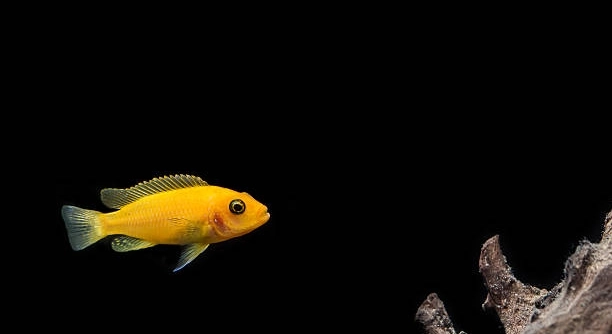
Do you enjoy keeping electric yellow cichlids but find them unusually skittish around household noises? These vibrant fish are sensitive to sound, which can affect their behavior, feeding, and overall well-being in the aquarium environment.
Electric yellow cichlids are particularly disturbed by abrupt or repetitive sounds, including loud conversations, clanging objects, vacuum cleaners, music with heavy bass, sudden footsteps, tapping on the tank, and mechanical noises near the aquarium. Minimizing these sounds helps maintain their calm.
Learning which noises trigger stress in these fish can make a significant difference in their health. Understanding their reactions ensures a more peaceful and thriving aquarium environment.
Loud Conversations Near the Tank
Loud talking near your electric yellow cichlids can create a stressful environment for them. These fish rely on calm surroundings to feel secure and interact naturally. When voices are raised, it can cause sudden swimming patterns, hiding, or aggressive displays. Over time, repeated exposure to noise can impact their feeding habits and overall health. Fish in aquariums perceive sound through water vibrations, so even if a voice seems moderate to you, it can feel intense underwater. I’ve noticed my cichlids flinch or retreat to corners during family gatherings when conversations get louder. Keeping a routine of quiet periods around the tank allows them to adapt to their environment without constant stress.
Maintaining a quieter area around the aquarium improves their confidence and daily behavior, reducing unnecessary stress.
Monitoring household interactions and adjusting proximity to the tank can make a noticeable difference in the fish’s mood, encouraging natural swimming patterns, consistent feeding, and reduced aggression. Choosing a location away from common conversation areas or using barriers can minimize disturbances and support a healthy, stable environment for your cichlids. Consistency is key, as repeated loud sounds reinforce anxiety, while calm routines promote relaxation and comfort. Paying attention to their responses helps identify which noises are most disruptive, allowing for better management of their living space. Over time, these adjustments enhance their overall health, coloration, and activity levels, making your aquarium a more pleasant environment for both the fish and household members.
Vacuum Cleaners and Household Machines
Vacuuming near the aquarium can startle electric yellow cichlids and interrupt their normal behavior.
Household machines like vacuum cleaners, blenders, and hairdryers produce intense vibrations and noise that travel through walls and floors into the tank. Even brief exposure can cause fish to dart, hide, or display signs of stress. I always wait until my cichlids are feeding or resting in areas away from the tank before turning on any loud machines. Consistently exposing them to these sounds can impact growth and immune response over time. Creating a schedule for household tasks away from the tank, or placing it in a quieter room, helps maintain a peaceful environment. Using rugs or barriers can slightly dampen vibrations. Paying attention to their reactions allows you to prevent long-term stress and promotes a stable, healthy habitat. Reducing mechanical noise is one of the simplest ways to support your cichlids’ well-being.
Sudden Footsteps
Electric yellow cichlids react quickly to sudden movements around the tank. Heavy or unexpected footsteps can startle them, causing rapid swimming, hiding, or aggressive displays. Consistent exposure to these disturbances increases stress levels and can affect their feeding and social interactions.
I’ve noticed that my cichlids immediately retreat to corners whenever someone walks too close to the tank unexpectedly. Even a quick step across the room can feel intense underwater because fish sense vibrations through the tank floor. Over time, repeated exposure can make them more skittish and less likely to explore their environment or interact with other fish. Adjusting walking patterns and minimizing sudden movements near the tank has noticeably improved their behavior, making them calmer and more active during feeding.
Using soft flooring or rugs under the tank area can reduce vibration effects from footsteps. Strategically positioning the tank away from high-traffic areas helps maintain stability in their environment. I also find that keeping the tank in a slightly quieter corner of the room encourages consistent behavior. Reducing sudden disturbances allows the cichlids to remain confident, maintain normal swimming patterns, and interact naturally, supporting their health and overall well-being.
Tapping on the Glass
Tapping on the aquarium glass can frighten electric yellow cichlids and trigger defensive behavior. It sends strong vibrations through the water, making them feel threatened and stressed. Avoiding this sound is important for maintaining calm, healthy fish.
Even light tapping creates pressure waves in the water that the fish perceive as a potential threat. I’ve observed my cichlids scatter and hide whenever someone taps on the glass, even during feeding times. Over time, repeated tapping can lead to long-term anxiety, reduced appetite, and unpredictable aggression among tank mates. Limiting human interaction to gentle observation and avoiding physical contact with the tank glass encourages a more stable environment.
Positioning decorations and plants strategically can reduce the temptation to tap the glass. Creating a visually engaging tank environment distracts them from external movements. I also notice that keeping the room quieter overall decreases their sensitivity to sudden noises. Establishing clear boundaries around the aquarium and communicating them with family members prevents accidental tapping. This consistent approach helps the cichlids feel secure, promotes natural behavior, and reduces stress-related issues over time. Monitoring their reactions allows timely adjustments to maintain a peaceful and thriving habitat.
Loud Music
Electric yellow cichlids are sensitive to strong bass and high-volume music. Playing music near the tank can cause stress, erratic swimming, and reduced feeding. Keeping the volume low or moving speakers away improves their comfort.
I’ve found that even background music with heavy beats makes my cichlids more cautious. They hide more and explore less, showing clear signs of agitation. Reducing loud sounds creates a calmer atmosphere, helping them maintain natural behavior and social interactions.
Household Appliances
Appliances such as blenders, washing machines, and dryers produce vibrations and loud noises that disturb cichlids. These sounds are transmitted through floors and walls, making the fish feel unsafe. Consistent exposure can negatively affect their health, feeding habits, and activity levels. I keep noisy tasks away from the tank to preserve their calm environment.
Thunderstorms
Electric yellow cichlids are naturally sensitive to sudden loud noises like thunder. Storms can trigger panic responses, making them dart quickly, hide, or act aggressively toward tank mates. Reducing sudden exposure or moving the tank to a quieter area can help minimize stress during storms.
What noises are most harmful to electric yellow cichlids?
The most harmful noises are sudden, loud, and repetitive sounds that create strong vibrations in the water. These include vacuum cleaners, blenders, tapping on the glass, loud music with heavy bass, sudden footsteps, and household appliances. Even voices raised near the tank can startle them. I’ve noticed my cichlids flinch or hide during family activities, which shows how sensitive they are to nearby sound. Minimizing exposure to these disturbances helps maintain their natural behavior, reduces stress, and improves feeding and social interactions.
How can I tell if my cichlids are stressed by sound?
Stress in electric yellow cichlids can appear as rapid swimming, hiding in corners, clamping fins, or refusing to eat. Aggressive behavior toward tank mates can also indicate anxiety caused by noise. In my tank, I observed that even short bursts of loud music caused temporary hiding, while vacuuming nearby led to increased darting and agitation. Monitoring their behavior regularly allows me to identify which sounds trigger stress and adjust the environment accordingly. A calm, stable environment encourages consistent feeding, natural swimming patterns, and reduces the risk of illness caused by chronic stress.
Can sound affect their health long-term?
Yes, prolonged exposure to loud or sudden noises can weaken their immune system, reduce appetite, and affect growth. Over time, stressed fish may develop chronic behavioral issues, making it harder for them to interact with other fish or explore their environment. I noticed that when my cichlids experienced frequent disturbances, they became more skittish and less colorful. Reducing noise levels around the tank has noticeably improved their activity and overall well-being. Maintaining a consistent quiet environment helps support long-term health, proper feeding, and stable social dynamics.
Are there ways to reduce noise impact on my aquarium?
Placing the tank away from high-traffic areas or loud appliances is the simplest approach. Using rugs or soft flooring beneath the tank can reduce vibration from footsteps and machines. I also position my aquarium in a quieter corner of the room and avoid tapping on the glass. Additionally, minimizing loud conversations or music near the tank helps maintain a calm environment. Decorations and plants inside the tank create visual barriers that reduce stress caused by sudden movement. These adjustments improve overall behavior, encourage natural swimming, and support healthier feeding patterns.
Should I move my tank during thunderstorms or loud events?
If possible, moving the tank or covering it partially can help reduce stress during storms or household events. I sometimes cover my aquarium with a breathable cloth to dim vibrations and sudden flashes of light from thunderstorms. This helps my cichlids remain calmer and maintain normal behavior. Limiting exposure to sudden loud events preserves their routine, reduces anxiety, and encourages stable social interaction. Consistency in the environment is key, as repeated disturbances can lead to long-term stress, weaker immunity, and increased aggression among tank mates.
Do cichlids get used to household noise over time?
They can adapt slightly if noises are consistent and predictable, but sudden or very loud sounds will always startle them. In my experience, my cichlids became less reactive to low, continuous background noise like soft music, but vacuuming or tapping still caused immediate hiding. Creating a predictable environment with controlled noise levels allows them to feel secure. Regular observation helps determine which sounds are tolerable and which require adjustment. Consistent routines, calm surroundings, and reduced exposure to sudden disturbances help maintain a healthy and stress-free environment for long-term well-being.
Is it necessary to limit family interaction around the tank?
Not entirely, but it helps to be mindful of volume and sudden movements. I make sure family members speak softly and avoid tapping on the glass during feeding times. Electric yellow cichlids respond positively to calm observation, and limiting sudden noises ensures they remain relaxed and active. Over time, a mindful approach to interaction prevents unnecessary stress and supports stable social behavior and feeding habits, keeping the tank peaceful and healthy.
How can I test if my tank’s location is too noisy?
Observe your cichlids’ behavior over several days. If they frequently hide, dart, or show aggressive tendencies when household noises occur, the location is likely too noisy. In my case, moving the tank away from the hallway and kitchen reduced sudden reactions significantly. Floors, walls, and appliance vibrations can travel through the structure, so testing different spots helps identify the calmest location. Minimizing loud sounds, creating soft barriers, and monitoring behavior ensures they feel secure. A quiet, stable environment supports normal activity, proper feeding, and long-term health.
What small adjustments make the biggest difference?
Simple changes like relocating the tank, using rugs under the stand, covering the tank during storms, and reducing loud conversations near it can dramatically improve fish behavior. I also rearranged decorations and added plants for visual comfort, which further reduced stress. Small, consistent adjustments create a stable, peaceful environment, encouraging natural swimming, feeding, and social interaction while preventing long-term anxiety and health issues.
Can children or pets affect my cichlids with noise?
Yes, energetic children running nearby or pets knocking objects around the tank can startle cichlids. I observed that my fish became more cautious during playtime or when a dog moved near the aquarium. Setting boundaries, teaching gentle interaction, and creating a quiet zone around the tank reduces stress and supports healthy behavior. Consistency and observation help maintain a peaceful environment despite household activity.
Electric yellow cichlids are sensitive to their surroundings, and sound plays a significant role in their comfort and behavior. Loud, sudden, or repetitive noises can cause stress, leading to hiding, erratic swimming, and reduced feeding. Over time, consistent exposure to these disturbances can affect their health, immune system, and overall activity. Creating a calm and predictable environment allows them to behave naturally, interact with tank mates, and thrive in the aquarium. I have found that small adjustments, like placing the tank in a quieter corner or reducing vibrations from household appliances, make a noticeable difference in their daily behavior. These steps help ensure the fish remain active, colorful, and healthy.
Observing the reactions of your cichlids is essential to understand which sounds impact them the most. Footsteps, loud conversations, music with heavy bass, tapping on the glass, and household machines are the most common sources of stress. Even brief exposure to these noises can trigger defensive behavior or panic responses. In my experience, my fish would immediately hide when the vacuum cleaner was turned on, or scatter during thunderstorms. Simple measures, such as using rugs, placing barriers, or covering the tank during loud events, reduce stress and provide a safer environment. Consistent observation allows you to identify problematic sounds and adjust your routine, helping the fish feel secure. Maintaining this stability encourages natural swimming patterns, proper feeding, and calmer social interactions within the tank.
Small changes in the aquarium’s environment can have a long-term positive impact on the well-being of electric yellow cichlids. Quiet periods, mindful household activity, and strategic placement of the tank help prevent unnecessary stress. Adding plants, decorations, and visual barriers also supports a sense of safety. I have noticed that cichlids are more confident, explore their environment more often, and display less aggression when these adjustments are implemented. Reducing loud disturbances ensures they remain healthy and active, while also making the aquarium more enjoyable to watch. Over time, prioritizing a peaceful environment contributes to stronger immunity, vibrant coloration, and a more balanced social dynamic, allowing these fish to live a calmer, healthier, and more fulfilling life in their aquatic home.

Hello,
If you enjoy the content that we create, please consider saying a "Thank You!" by leaving a tip.
Every little bit helps us continue crafting quality advice that supports the health, happiness, and well-being of pets around the world, for pets of all shapes, sizes, and species.
We really appreciate the kindness and support that you show us!