
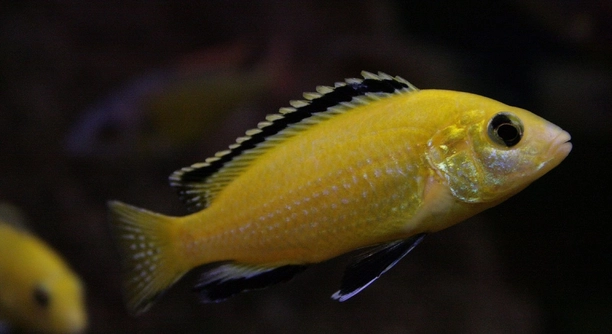
Do you ever find yourself unsure how to support your aquatic pets after they release their eggs, noticing small changes that make you wonder if they need extra care during this delicate recovery period today?
Easing post-spawning stress involves reducing environmental disruptions, maintaining stable water parameters, and offering nutrient-rich food that supports recovery. These measures help restore physiological balance, limit excessive fatigue, and promote healthier behavior patterns as the organism returns to its normal state.
Each technique builds gentle support that helps your aquatic companion regain comfort and stability, offering simple steps that encourage recovery.
Creating a Calmer Space After Spawning
After spawning, aquatic pets often show signs of strain that can be easy to overlook when you are focused on keeping everything running smoothly. Their bodies have used a large amount of energy and the sudden shift in their environment can make them feel tense or unsettled. When I care for animals during this stage, I focus on creating a calm space that lets them settle without added pressure. Simple steps like steady lighting, gentle filtration, and quiet surroundings can make a meaningful difference in how quickly they regain strength. Feeding becomes important too, because they need support without heavy or overwhelming meals. Offering light, frequent portions helps them stay comfortable while still receiving the nutrients they need. Paying attention to their posture, appetite and movement lets you spot early signs that they may need extra help. With thoughtful care they often recover more smoothly and show steady improvement today.
Keeping their space stable helps reduce unnecessary strain, giving them a chance to settle back into their regular rhythm without discomfort. Gentle care, predictable feeding and soft lighting support their recovery, allowing them to rebuild strength in a calm environment that encourages steady progress, with patience and small consistent steps.
Supporting recovery after spawning also involves keeping a close eye on water conditions since even small shifts can influence how your aquatic pet feels. I try to monitor temperature, clarity and flow so nothing becomes harsh or unstable. Clean water with balanced levels helps ease physical tension and allows natural behaviors to return. Gentle adjustments are better than sudden changes because the body needs time to settle. Providing safe hiding spots can also help them relax and regain confidence. When these steps come together, their behavior often becomes calmer and more consistent, showing that the stress from spawning is fading.
Strengthening Stability Through Routine Care
Maintaining the right balance after spawning is easier when you focus on simple habits that support stability. I like to make small checks throughout the day to ensure nothing feels off. These steady routines give the animal a safe structure that keeps stress from building up in a calm predictable.
Creating a supportive environment after spawning can make a meaningful difference in how well your aquatic pet recovers. Their body has gone through an intense process that can leave them sensitive to changes you might not notice right away. I try to keep the surroundings clean, quiet and steady because sudden noise or movement can cause extra tension. Water quality becomes one of the most important parts of recovery so regular checks help prevent unexpected issues. Balanced filtration keeps the water fresh without creating strong currents that might overwhelm them. Nutrition matters too and offering small amounts of high quality food helps them regain energy without feeling pressured. I avoid heavy meals during this time, choosing lighter options that are easier for their body to handle. Gentle observation also helps since posture, appetite and activity can show how well they are coping. When you combine these steps, the animal often returns to calm movements and steady eating patterns, showing they are gaining strength again. Continued monitoring over the next several days supports a stable recovery giving them time to settle regain comfort and maintain healthier habits as their system returns to a balanced state at a gentle pace each day.
Supporting Recovery With Gentle Feeding
Light feeding after spawning keeps their body from feeling overwhelmed while still offering the nutrients they need. I like using small portions that are easy to digest, giving them time to adjust without extra strain. This helps them stay comfortable while regaining steady energy at a manageable pace each day.
Gentle feeding becomes an important part of recovery because their body is still settling after physical effort. I try choosing foods that offer balanced nutrition without being heavy, since dense meals can make them feel sluggish or stressed. Watching how quickly they eat helps me understand if I should adjust portion sizes. Slow improvements in appetite often show that their system is stabilizing. Frequent small meals also prevent leftover food from clouding the water, which helps maintain better conditions. With consistent care they usually begin to respond well, showing stronger movement and calmer behavior as they regain strength.
Providing a predictable feeding routine can also bring comfort during this sensitive time. I keep the schedule steady so they know when to expect food, allowing their system to adjust gradually. Sudden changes can create unnecessary tension, so I stick to simple patterns. I also make sure the food is fresh and appropriate for their needs during recovery. Soft or finely textured items tend to work best because they require less effort and are easier to manage. Over time these small choices support gradual healing, helping them return to more confident eating habits and smoother movements as their energy improves.
Reducing Stress Through Environmental Balance
A stable environment helps them stay calm while recovering from spawning. I try keeping the water clean, the lighting soft and the space quiet so nothing disrupts their sense of safety. These small adjustments ease strain and help them regain comfort without added pressure or sudden shifts in their surroundings.
Creating balance in their environment supports physical and emotional ease during recovery. I focus on gentle filtration that keeps the water fresh without strong currents. Checking temperature and pH helps prevent stressful swings that could slow their progress. Hiding spots give them a place to retreat if they feel exposed or tired. I avoid moving decorations or changing the layout too suddenly because stability helps them feel secure. Soft lighting reduces tension and encourages calm behavior, allowing them to rest more comfortably. When these elements work together they often become more relaxed showing smoother swimming patterns and better appetite as their stress continues to ease.
Monitoring Behavioral Shifts
Monitoring their behavior after spawning helps you notice small shifts that may signal stress or discomfort. I watch their swimming patterns, appetite and resting spots so I can respond quickly. Simple daily checks keep them stable and help prevent small issues from becoming more difficult to manage each day gently.
Observing their posture and activity levels can reveal early tension that might need attention. I try to keep notes so patterns become clearer over time. When I notice slower movements or reduced interest in food, I adjust care gently to support steadier recovery without creating unnecessary pressure during sensitive stage.
Maintaining Safe Water Conditions
Water conditions play a central role in easing post spawning stress because even minor changes can influence their comfort. I check temperature, clarity and flow regularly to ensure everything stays steady. When the water feels balanced they usually show calmer movement and smoother breathing. I also avoid sudden adjustments since their body needs time to adapt. Gentle cleaning, fresh water and stable filtration help prevent discomfort while supporting better overall health. Making these small efforts each day creates a safer environment that encourages improvement and reduces the strain they might feel after using so much energy during the spawning process.
Encouraging Proper Rest
Rest periods become important after spawning because their body needs quiet time to settle. I try keeping their surroundings calm so they can relax without constant stimulation. Soft lighting and steady water movement help them feel safe while they regain strength at a gentle pace with fewer disruptions each day.
How can I tell if my pet is stressed after spawning?
Stress after spawning can show in subtle ways. I often notice changes in swimming patterns, reduced appetite, or increased hiding. Some animals appear sluggish or restless, and their movements may be less coordinated than usual. Observing these small signs daily helps me intervene early, adjusting care to make recovery smoother.
What type of food is best during recovery?
Light, easily digestible meals work best because heavy foods can overwhelm a sensitive system. I prefer small, frequent portions that provide nutrients without adding strain. Soft or finely chopped food is easier to handle, letting them regain energy without discomfort. Over time, their appetite usually normalizes as they settle back into routine feeding.
How often should I monitor water conditions?
Daily monitoring is essential after spawning. I check temperature, clarity, and flow regularly to ensure stability. Even minor fluctuations can create stress or slow recovery. Gentle filtration and consistent water quality help maintain a safe environment. Small, gradual adjustments are better than sudden changes, giving them time to adapt naturally and remain comfortable.
Should I change their habitat setup?
I avoid major changes during recovery. Stability is important, so I keep decorations, hiding spots, and lighting consistent. Moving things suddenly can increase stress, especially when their energy is low. Small tweaks are okay if necessary, but I focus on maintaining a familiar, safe space that encourages calm behavior and restful periods.
Is it normal for appetite to decrease?
Yes, it is common to see reduced appetite right after spawning. Their body has expended energy and digestion may slow down. I offer light meals and watch closely for gradual improvement. Encouraging small portions helps maintain energy levels without forcing them to eat more than they can comfortably handle.
How long does recovery typically take?
Recovery times vary depending on the species and individual condition. I usually see improvements over several days to a week. Gentle care, proper feeding, and stable water conditions can shorten the period of stress. Monitoring behavior and physical signs helps ensure they are regaining strength steadily and safely.
Can stress affect long-term health?
Yes, prolonged stress can lead to slower healing, weakened immunity, and changes in behavior. I try to minimize stress by keeping routines steady and providing a calm environment. Early attention to signs of strain often prevents long-term effects and supports a healthier recovery process, helping them return to normal behavior more reliably.
Are hiding spots necessary during recovery?
Hiding spots are very helpful. They provide a safe place to rest and feel secure. I make sure they have accessible areas where they can retreat without obstruction. These spaces reduce anxiety, letting them regain energy without constant exposure or interruption. Most pets use these spots instinctively, which reassures me that they are adjusting well.
Should lighting be adjusted after spawning?
Soft, steady lighting helps reduce stress during recovery. Bright or fluctuating lights can cause tension and discourage rest. I try to maintain a calm atmosphere, which allows them to relax, move naturally, and regain strength. Gradual adjustments can be made later, but consistency is key in the immediate recovery period.
What are the most important things to focus on?
I focus on stable water conditions, gentle feeding, consistent habitat, and careful observation. These factors collectively reduce stress and promote recovery. By paying attention to behavior, appetite, and environment, I can ensure that each day supports healing and comfort, helping my pets regain strength without unnecessary strain.
This FAQ covers common concerns and practical steps that help maintain calm, healthy conditions during post-spawning recovery. Regular monitoring and small, thoughtful adjustments make a noticeable difference in how quickly pets regain energy and stability.
Final Thoughts
Post-spawning stress is a natural part of the reproductive process, and it is important to approach recovery with patience and care. The period after spawning can be physically and mentally demanding for aquatic pets, and even small changes in their behavior, appetite, or activity can indicate that they need extra attention. I have found that paying close attention to their environment, offering gentle feeding, and keeping routines consistent helps them regain strength more quickly. Consistency provides a sense of security, which reduces tension and encourages normal behavior to return. Over time, these small, thoughtful adjustments make a big difference in their overall comfort and well-being, showing that stress can be minimized when care is careful and attentive.
Maintaining a stable environment is one of the most effective ways to support recovery. I focus on water quality, temperature, and gentle filtration because even minor fluctuations can add stress. Providing hiding spots or areas where they can retreat gives them a sense of safety and helps them rest without disruption. Lighting and noise levels also play a role in how comfortable they feel. Small adjustments, like softening the light or keeping the tank area quiet, can reduce tension and make it easier for them to relax. Monitoring behavior daily allows me to notice subtle changes, like slower movements or decreased appetite, which can indicate when additional support is needed. Taking the time to observe and respond in small ways often prevents minor issues from becoming more serious, helping their body and mind recover steadily.
Feeding also plays a key role in post-spawning recovery. I use light, frequent meals that are easy to digest, which prevents overloading their system while still providing the nutrients needed for energy and healing. Sudden or heavy meals can increase stress, so a gradual approach is better. Observing how they respond to food helps me adjust portion sizes or types of feed as needed. Recovery is a gradual process, and by combining stable routines, careful monitoring, and thoughtful feeding, their energy levels and behavior gradually return to normal. Every pet responds differently, so patience is essential. With consistent care, most aquatic pets regain comfort and strength steadily, showing that attentive, simple measures can significantly reduce post-spawning stress and support long-term health.

Hello,
If you enjoy the content that we create, please consider saying a "Thank You!" by leaving a tip.
Every little bit helps us continue crafting quality advice that supports the health, happiness, and well-being of pets around the world, for pets of all shapes, sizes, and species.
We really appreciate the kindness and support that you show us!