
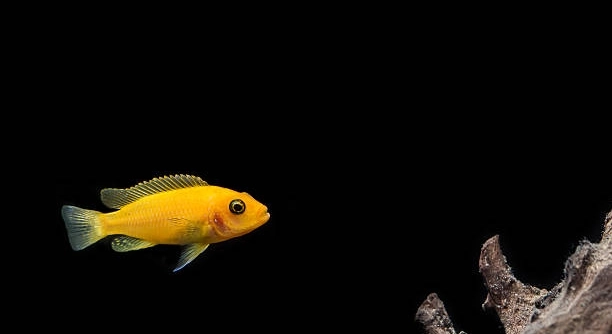
Have you ever noticed your cichlid acting withdrawn, leaving you unsure about what might be happening inside its quiet world? Sometimes shifts in behavior reflect deeper emotions that can shape its well being in ways.
Resentment in isolated cichlids often develops from prolonged stress caused by limited stimulation and disrupted social structure. These conditions can trigger defensive tendencies and persistent agitation, signaling significant emotional strain that affects health and long term adaptability within confined environments.
As you explore these signs, you will gain a view of what shapes your cichlids behavior and its emotional landscape.
Changes in Daily Behavior
When resentment begins to grow in an isolated cichlid, the earliest changes often appear in its daily behavior, and these shifts usually stand out once you know what to look for. The fish may start keeping to one corner, moving with slower patterns that feel unlike its usual energy. It can also become reactive when something approaches the tank, acting tense in situations that once felt normal. These responses may seem small at first, yet they reflect an emotional strain that builds quietly over time. You might also notice a reluctance to explore decorations or interact with anything new in its space, which shows how its sense of comfort has changed. Each of these signs points to an internal struggle that grows when a cichlid lacks stimulation, stability, and peaceful surroundings. Paying attention to these patterns helps you understand how isolation affects its behavior and sets the stage for deeper concerns.
These behavioral shifts appear gradually making them easy to overlook during busy days Still once they become noticeable they reveal how prolonged isolation can wear down a cichlids emotional balance Observing these small changes helps you respond before the stress becomes more difficult for the fish to manage each day.
Recognizing these early signals allows you to create a calmer space that supports your cichlids comfort. Small adjustments such as rearranging decorations, offering gentle stimulation, and keeping the environment steady can ease emotional strain. These steps make the fish feel safer while reducing the tense reactions that come from spending too much time alone. Even small acts of care help restore familiar habits, and over time the cichlid becomes more willing to explore again. By taking these signs seriously, you give your fish a chance to feel grounded and regain a sense of ease within its space, which encourages healthier behavior.
Shifts in Feeding Patterns
Feeding changes often reveal resentment more clearly than other signs because appetite reflects comfort. An isolated cichlid may eat less, hesitate before approaching food, or guard it with sudden intensity. These shifts show how emotional strain influences basic needs, giving you another way to understand its growing discomfort each day.
Food related behavior tends to change when a cichlid feels emotionally strained, and these changes offer helpful clues about its state of mind. A fish that once rushed to the front of the tank for meals may start hanging back, waiting until the environment feels perfectly still before eating. This hesitation reflects uncertainty, which grows stronger when isolation disrupts its usual patterns. Some cichlids show the opposite behavior and begin guarding food with sharp movements, revealing tension that builds when they feel unprotected. These reactions are not random. They connect directly to stress that develops in an environment lacking stimulation and balance. By watching for these tendencies, you gain a clearer view of how emotional strain touches essential habits. Offering small feeding adjustments, such as spreading food in different areas or keeping the schedule steady, helps reduce pressure. Over time, these actions build a sense of safety that softens the cichlids defensive responses. Supporting these needs encourages healthier behavior and helps the fish regain ease within its space.
Increased Territorial Aggression
Resentment can push an isolated cichlid to guard its space with more intensity. You may notice sudden charges, flared fins, or quick turns toward anything that moves nearby. These reactions reflect tension that builds when the fish feels its environment has become unpredictable or overly restricted.
Territorial displays often grow stronger when emotional strain builds over time. A cichlid that once showed mild interest in its surroundings may begin patrolling its space with sharper movements, acting as if every small shift is a threat. This behavior often appears when the fish lacks stimulation, which causes its instinctive need for control to rise. Small disturbances, like a passing shadow or adjustment in the room, may set off quick bursts of aggression. These responses reveal how its comfort has changed, even if the tank itself remains the same. Watching these patterns helps you understand the increasing stress shaping its behavior.
As resentment deepens, aggressive displays become more consistent and focused. You may see the cichlid pushing against tank walls or blocking certain areas as if guarding them. These actions often signal emotional strain rather than true dominance. When the fish feels unsupported or overstimulated by isolation, it tries to regain control through exaggerated territorial responses. This behavior can grow stronger if the tank lacks hiding spaces or stable routines. By offering more cover, gentle enrichment, and calm surroundings, you can ease these reactions and help the cichlid return to a more relaxed state.
Heightened Sensitivity to Movement
A resentful cichlid often reacts strongly to small movements around the tank, responding in ways that feel sharper than usual. You might notice quick retreats, sudden darts, or stiff postures that appear whenever someone walks by or when light shifts unexpectedly.
These heightened reactions form when isolation creates an underlying tension that affects how the fish interprets its surroundings. The cichlid becomes more aware of tiny details, treating normal movements as potential threats. This sensitivity grows when the environment lacks stability or stimulation, making every shift feel more intense than it actually is. Over time, this constant alertness wears down the fish’s comfort, leaving it more reactive during daily routines. Providing a steady light cycle, reducing sudden disturbances, and keeping the tank in a calm area helps ease these responses and supports a gentler reaction to everyday movement.
Reduced Interaction With Tank Additions
A resentful cichlid often avoids new decorations or enrichment items, keeping its distance even from objects meant to provide comfort. This hesitation shows how emotional strain affects its willingness to explore, making the tank feel smaller and less inviting over time.
You may also notice the cichlid ignoring areas it once enjoyed, choosing instead to remain in one familiar spot. This reduced engagement reflects a decline in confidence that grows when isolation becomes overwhelming, and it signals that the fish no longer feels fully secure within its environment.
Increased Restlessness Throughout the Day
Restlessness becomes more noticeable when resentment deepens, and the cichlid starts pacing along the glass or moving in repetitive paths. These patterns develop when tension affects its ability to settle, making normal routines feel disruptive or uncomfortable. The movements may appear constant, as if the fish is searching for something it cannot find, which suggests an emotional imbalance that needs attention. Extra hiding spots, gentle stimulation, and stable conditions can help reduce these reactions, giving the fish a sense of structure that supports calmer behavior over time.
Withdrawal During Regular Activity
Withdrawal appears when the cichlid begins staying hidden while normal activity happens around it. This behavior reflects discomfort that grows when isolation affects its confidence and makes ordinary moments feel harder to manage.
FAQ
What causes resentment to develop in isolated cichlids?
Resentment forms when a cichlid spends too much time without stimulation, structure, or interaction. Isolation can make its space feel restrictive, and over time the fish starts responding with defensive or withdrawn behavior. These emotional shifts happen slowly, building from stress that goes unmanaged for too long.
How can I recognize the earliest signs of emotional strain?
Early signs often appear as mild changes that feel easy to overlook. The cichlid may move less, react more slowly, or avoid parts of the tank it once enjoyed. These small adjustments reveal discomfort that begins long before stronger behaviors appear.
Do environmental changes make resentment worse?
Sudden changes, like rearranging the room, shifting light patterns, or altering the tank too often, can heighten strain. Cichlids rely on stability, and disruptions make them feel insecure. When the environment lacks consistency, tension grows and resentment deepens more quickly.
Can tank size influence resentment in isolated cichlids?
Tank size plays a direct role in emotional wellbeing. A space that feels tight restricts movement and limits stimulation, which increases frustration. Larger tanks offer more opportunities for exploration, hiding, and comfort, reducing the pressure that isolation can create.
What role does enrichment play in easing these behaviors?
Enrichment keeps the fish mentally engaged and helps release stress. Even small additions, like new hiding spots or visual barriers, provide relief. Consistent stimulation prevents the cichlid from becoming bored or tense, making resentment less likely to take hold.
How can feeding routines affect emotional stability?
Cichlids respond well to predictable feeding schedules. When meals happen at irregular times, uncertainty increases stress. A stable routine builds trust and comfort, helping the fish feel more secure. This structure reduces the hesitation or guarded feeding seen in resentful fish.
Is it normal for a resentful cichlid to show sudden aggression?
Aggression is a common reaction when a cichlid feels emotionally strained. It may charge, flare its fins, or guard areas with intense focus. These responses come from tension rather than true dominance, and they often soften once the environment becomes more supportive.
Can lighting affect the emotional state of an isolated cichlid?
Lighting has a stronger impact than many people realize. Harsh brightness, irregular cycles, or constant changes create discomfort. When lighting stays consistent and gentle, the fish feels safer. Stable conditions help reduce the sensitivity that fuels defensive behavior.
What steps can help calm a cichlid experiencing resentment?
Small adjustments make a big difference. Adding hiding spots, keeping a steady routine, limiting sudden disturbances, and offering gentle enrichment help ease tension. These changes create security, which allows the fish to feel settled again and rebuild confidence.
How long does it take for behavior to improve after making changes?
Improvement happens gradually. Some fish respond within days, while others need several weeks. Emotional strain builds over time, so it also takes time to soften. With steady care and a calm environment, the cichlid slowly returns to more relaxed habits.
Is isolation always harmful for cichlids?
Isolation is not always harmful, but problems arise when the tank lacks stimulation or support. Some cichlids handle solitary environments well, while others need more enrichment. When their needs are met, isolation becomes easier for them to manage.
Can adding another fish fix resentment?
Adding another fish can help in some cases, but it must be done carefully. Not all cichlids accept tank mates, and forcing companionship can create more stress. It is better to stabilize the environment first, then consider a companion if the species allows it.
When should I worry about long term effects?
You should be concerned when the fish shows persistent changes that do not improve with adjustments. Ongoing withdrawal, intense aggression, or refusal to eat suggests deeper strain. Addressing these signs early helps protect its wellbeing before issues escalate.
Final Thoughts
Caring for an isolated cichlid requires patience, awareness, and a gentle approach that focuses on understanding how small details shape its daily comfort. Resentment does not appear overnight. It grows slowly through moments of stress, uncertainty, and unmet needs that build inside the fish’s routine. When you learn to read these signs early, you give the cichlid a chance to feel supported before problems become more difficult to manage. This kind of care does not rely on complicated changes or constant adjustments. It relies on steady habits, a calm environment, and attention to the fish’s reactions. Simple actions, like offering hiding places, keeping lighting consistent, or adding mild enrichment, can shift the emotional tone of the tank in a meaningful way. These small choices help the cichlid find stability, which supports its comfort and encourages healthier behavior over time. When you stay mindful of how the fish responds, you create a space where it feels safer, and that sense of safety is what prevents resentment from spreading further.
It helps to remember that emotional strain in cichlids is tied closely to their instinctive needs. They rely on structure, patterns, and physical spaces that make them feel protected. When those elements are missing or disrupted, the cichlid reacts by pulling back, guarding its space, or becoming restless throughout the day. These behaviors can seem confusing at first, especially if you have cared for the fish the same way for a long time. But once you understand that isolation affects their confidence and sense of control, the changes you see begin to make more sense. Paying attention to small habits, like how they move around the tank or how they react during feeding, helps you understand their internal state without guessing. By focusing on these patterns, you are able to offer care that meets their needs more closely. This attention forms a comfortable rhythm that builds trust, giving the fish a steady foundation that supports emotional wellbeing.
As you move forward, it is comforting to know that most cichlids respond well to thoughtful adjustments. Even when resentment has taken hold, their behavior can soften once the environment becomes more supportive and predictable. You do not need dramatic changes to help them find balance. You only need consistency, gentle stimulation, and a willingness to watch how they react to their surroundings. Over time, these choices help the cichlid feel more grounded, more willing to explore, and more connected to its space. This process strengthens its overall health and makes daily life more peaceful for both of you. Supporting a cichlid through emotional strain is not about perfection. It is about understanding its signals and responding with steady care that respects its instinctive needs. When you approach it this way, the fish gains a calm environment, and you gain a clearer sense of what helps it feel safe.

Hello,
If you enjoy the content that we create, please consider saying a "Thank You!" by leaving a tip.
Every little bit helps us continue crafting quality advice that supports the health, happiness, and well-being of pets around the world, for pets of all shapes, sizes, and species.
We really appreciate the kindness and support that you show us!