
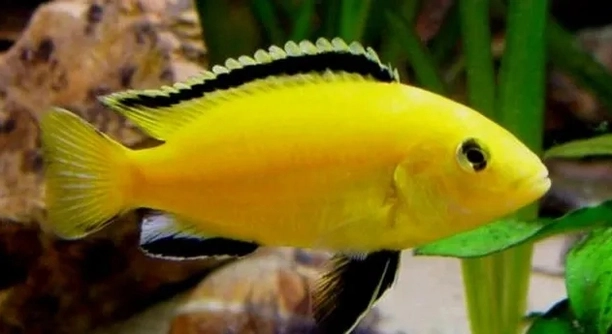
Changing the background color of an aquarium can instantly alter its overall appearance. Many aquarium owners experiment with colors to enhance the visual appeal of their fish and plants, creating a more engaging environment for both viewers and inhabitants.
Fish often react differently when the background color changes. Some may become more active, while others may hide or display stress signals. Colors can influence feeding behavior, territorial displays, and overall comfort within the tank environment.
Understanding these reactions will help you create a balanced aquarium setup that benefits both aesthetics and the well-being of your fish. Observing subtle changes can guide future adjustments effectively.
Increased Activity Levels
When I first changed my aquarium background to a brighter color, I noticed my fish became noticeably more active. They swam more freely across the tank and explored corners they normally avoided. This increased movement is often linked to colors that provide contrast with the fish, making them feel more secure and alert. Some fish may use brighter backgrounds as cues to feed or to investigate new territory. It is important to observe carefully, as too much brightness can sometimes lead to overstimulation, causing fish to dart quickly or jump near the water surface. Gradual changes often help fish adjust better. Over time, the right background can encourage natural swimming patterns, enhance display colors, and improve overall tank interaction. Subtle adjustments, like soft blues or greens, often produce calm yet active behavior, while extreme contrasts may trigger erratic swimming or hiding behaviors in more timid species.
A brighter or more contrasting background can naturally encourage fish to move more and explore different areas of the tank.
Maintaining activity is crucial for fish health. Fish that remain active tend to feed better, develop stronger muscles, and display their colors more vividly. Adjusting the background can simulate natural lighting conditions or the feeling of open water. Observing reactions to these changes helps identify preferences for each species, ensuring a more comfortable and dynamic environment. Combining the right background with proper hiding spots supports both mental and physical health, allowing fish to thrive while reducing stress-related behaviors.
Increased Hiding Behavior
Some fish may retreat more frequently when the background color is darker or unfamiliar.
A darker or unusual background can make timid fish feel exposed, prompting them to hide more often behind rocks, plants, or decorations. This is a natural protective response, reducing stress by providing a perceived safe space. Over time, fish may adjust to the new background and resume normal activity, but it is essential to monitor for prolonged hiding, which can indicate ongoing stress. Providing a balance of dark and light areas helps fish feel secure while maintaining visibility for observation. Behavioral changes may also signal whether the background complements their natural habitat preferences, giving insight into suitable environmental adjustments that promote both comfort and natural behaviors. Keeping these factors in mind allows for thoughtful changes that enhance the tank’s appearance without compromising fish well-being.
Color Impact on Feeding
Fish often change their feeding patterns when the background color shifts. Lighter or neutral backgrounds can make food more visible, while darker backgrounds may cause hesitation or slower feeding. Observing these changes helps adjust feeding schedules or tank layout to support healthy eating habits.
Some of my fish started approaching food faster when I switched to a soft blue background. Brighter backgrounds highlight the contrast of floating flakes or pellets, making them easier for fish to spot. In contrast, darker or highly saturated backgrounds sometimes make food harder to see, which can temporarily reduce appetite. Over time, fish adjust, but monitoring their behavior ensures they continue eating properly. Feeding consistency and visual accessibility are important to maintain healthy growth and prevent stress, especially in species that are naturally cautious or shy. Adjusting background color can be a subtle yet effective way to encourage proper feeding behavior.
In addition to visibility, the background color can influence aggression during feeding times. Fish may feel more confident or territorial depending on how the background interacts with their natural coloration. Lighter areas can reduce stress and support calmer feeding, while highly contrasting or intense colors may provoke competitive behavior. Positioning food in areas that provide comfort and visibility ensures all fish have equal access, reducing the chance of bullying or exclusion. Monitoring these patterns helps maintain balance, allowing shy species to feed without fear, while more dominant fish remain stimulated but not overly aggressive. Choosing colors that support calm feeding environments improves both fish health and tank harmony.
Stress Responses
Fish can exhibit stress behaviors when the background color is too extreme or unfamiliar. Rapid swimming, fin clamping, or hiding more often are common signs of discomfort. Adjusting the background gradually helps them acclimate without prolonged stress.
I noticed that my more sensitive fish displayed jerky movements and stayed behind decorations after I changed to a deep red background. Stress signs like these indicate that the color might be too intense for their comfort. Gradual introductions of new colors allow fish to adapt more naturally and maintain normal behavior. Over time, observation helps identify which colors promote relaxation versus those that trigger stress responses, supporting a balanced and healthy aquarium environment. Adjustments can include blending colors, using gradients, or adding plants to reduce visual intensity.
Prolonged exposure to a stressful background can negatively affect fish health. Stress can weaken immune systems, reduce appetite, and make fish more susceptible to disease. It can also affect breeding behavior or disrupt social hierarchies within the tank. Introducing colors gradually while monitoring reactions ensures fish maintain comfort and stability. Soft or neutral tones often minimize stress, while bright, stark contrasts should be limited to short periods. Creating zones with varied background shades can provide both stimulation and security, allowing fish to choose preferred areas. Observing these behaviors allows for informed decisions that enhance both tank aesthetics and animal welfare.
Bright Background Effects
Brighter backgrounds often make fish colors appear more vibrant. I noticed my fish seemed to “pop” against a light blue backdrop, drawing attention to their natural patterns. These effects can enhance the visual appeal of the tank while also influencing fish confidence and activity levels.
Some fish may feel more secure with a bright background, as it simulates open water conditions. Others may become more cautious, staying near plants or decorations despite the enhanced visibility. Observing these differences allows adjustments that balance aesthetics with fish comfort. Bright backgrounds should be paired carefully with tank décor to avoid overstimulation.
Dark Background Effects
Dark backgrounds tend to make fish colors appear more subdued while highlighting movement. They can create a sense of depth and focus within the tank. My fish often explored more cautiously against darker shades, staying near hiding spots until they felt comfortable with the environment.
Behavioral Adaptation
Fish gradually adapt to changes in background color over time. Initial reactions, whether hiding, increased activity, or cautious feeding, often lessen as they become accustomed. Monitoring these adaptations provides insight into their comfort and overall health.
Mood Influence
Background colors can subtly influence fish mood and social interaction. Calm tones may encourage peaceful behavior, while high-contrast or bright colors can increase alertness and minor competitive displays.
FAQ
How does changing the aquarium background color affect fish behavior?
Changing the background color can alter fish behavior in several ways. Some species become more active and explore the tank when the color contrasts with their own. Others may hide or reduce movement if the background feels too intense or unfamiliar. Over time, fish usually adapt, but the initial reaction provides insight into their comfort. I noticed that softer colors encouraged my fish to swim more openly, while very bright or dark shades made them cling to plants and decorations. Observing these behaviors is key to maintaining a balanced environment that supports both health and activity levels.
Will a darker background reduce stress in my fish?
A darker background can reduce stress for many fish, especially timid species. It provides a sense of security by simulating natural hiding areas. I’ve found that my shy fish spend more time swimming calmly rather than darting around when the background is darker. However, extremely dark or unnatural colors can also create stress if they feel too enclosed or exposed. Combining dark backgrounds with hiding spots and plants often produces the best results, balancing visual appeal with a secure environment. Gradual changes allow fish to adjust and prevent prolonged stress reactions.
Do bright backgrounds make fish colors appear better?
Yes, bright backgrounds can enhance fish colors, making patterns and scales more visible. In my tank, a soft blue backdrop highlighted subtle orange and red tones that were previously muted. Bright backgrounds can also influence behavior, encouraging more active swimming and social interaction. However, extreme brightness can sometimes overstimulate sensitive species, so it’s important to balance color intensity with tank décor. Neutral or moderately bright tones often work best for highlighting colors while maintaining a comfortable environment. Monitoring fish reactions helps determine the optimal background for both aesthetics and wellbeing.
How quickly do fish adapt to a new background color?
Adaptation depends on the species and individual temperament. Some fish adjust within a few hours, while others take several days or even weeks. I observed that my more active fish explored the tank within hours, while timid species hid for a few days before resuming normal activity. Gradual introductions, such as changing a portion of the background or using softer tones first, often reduce stress and speed up adaptation. Observing their behavior daily helps track progress and ensures no long-term stress occurs. Patience and careful monitoring are key when changing backgrounds.
Can background color influence feeding habits?
Yes, the background color can affect feeding behavior. Lighter or neutral backgrounds often make food more visible, encouraging fish to approach and eat more readily. I noticed my fish hesitated when the background was darker, taking longer to locate floating flakes. Properly matching background color with food visibility can improve feeding efficiency and reduce competition or stress. It’s helpful to observe how fish respond and adjust both feeding locations and background tone to support healthy nutrition habits consistently.
Is it necessary to change the background color for all fish tanks?
Changing the background color is not always necessary, but it can enhance both aesthetics and fish well-being. I found that some tanks benefited from subtle color adjustments that made fish colors pop and encouraged more natural behavior. Others performed well with standard neutral backgrounds, especially if the fish were already comfortable and active. The key is to observe the specific needs of your species and adjust only if it benefits activity, feeding, or visual appeal. Gradual experimentation often produces the best results without causing stress.
Can certain colors make fish more aggressive?
Some bright or high-contrast colors may increase alertness or minor aggression in territorial species. I noticed that my more dominant fish displayed stronger territorial behaviors against intense red backgrounds. Conversely, calm, neutral colors often reduced aggressive interactions and encouraged peaceful social behavior. Matching the background to the species’ natural environment and monitoring behavior is essential to maintain balance and reduce conflicts in the tank.
Do plants and decorations interact with background color?
Yes, plants and decorations can enhance or diminish the effect of a background color. I found that green plants against a light blue background created a calming environment, while artificial decorations with clashing colors increased visual stress for some species. Coordinating background colors with natural or decorative elements supports both fish comfort and tank aesthetics. Testing combinations and observing reactions helps achieve a harmonious setup.
How often should I change my aquarium background?
Frequent changes are not recommended, as they may stress fish. I typically adjust backgrounds only when introducing new species, redesigning the tank, or improving visual appeal. Gradual changes allow fish to adapt, and monitoring behavior ensures they remain comfortable. Maintaining consistency is often better than frequent experimentation.
What are the best colors for a general aquarium setup?
Neutral tones like soft blue, gray, or beige often work well for most species. These colors provide contrast without overstimulation. I found that subtle gradients or natural shades enhance fish appearance and encourage calm behavior. Bright or dark colors should be used selectively, depending on species and desired effects, while always observing fish reactions carefully.
Final Thoughts
Changing the background color of an aquarium is more than a decorative choice. It directly affects the way fish behave, interact, and feel within their environment. During my own experiences, I noticed that even subtle changes could make a difference in activity levels, feeding habits, and comfort. Fish respond differently to various shades, with some becoming more active and confident, while others may retreat or hide. Observing these reactions closely is important because it allows adjustments that balance aesthetics with the well-being of the fish. Over time, understanding how each species responds to light, dark, or contrasting backgrounds can help maintain a healthier and more stable environment. Choosing the right color can improve visual appeal and simultaneously support natural behaviors, creating a harmonious space for fish to thrive.
It is essential to recognize that not all fish respond the same way to color changes. For instance, timid or shy species may feel stressed when exposed to bright or intense colors, while more confident fish might show increased activity and curiosity. In my tank, darker shades encouraged my shy fish to explore cautiously, while lighter tones enhanced the colors and movement of more outgoing species. Gradual changes are key to helping fish adjust without causing prolonged stress. Adding decorations, plants, and hiding spots can further support adaptation, providing a sense of security and comfort. A balanced approach allows both the visual impact and the health of the fish to be maintained. It is also helpful to track behavior over several days or weeks to see if changes produce positive results or require additional adjustments.
Background color can also influence feeding, social interaction, and overall stress levels. Fish may locate food more easily against light or neutral backgrounds, while certain colors can reduce aggressive behavior among territorial species. During my observations, I found that pairing a suitable background with well-placed décor not only enhanced the tank’s appearance but also reduced stress and encouraged calmer, healthier behaviors. It is clear that background selection is a practical tool in aquarium care. By carefully considering color choices and monitoring reactions, fish owners can create an environment that supports natural behaviors, promotes well-being, and enhances the visual enjoyment of the tank. Thoughtful attention to background color can transform an ordinary aquarium into a thriving, balanced habitat for all species.

Hello,
If you enjoy the content that we create, please consider saying a "Thank You!" by leaving a tip.
Every little bit helps us continue crafting quality advice that supports the health, happiness, and well-being of pets around the world, for pets of all shapes, sizes, and species.
We really appreciate the kindness and support that you show us!