
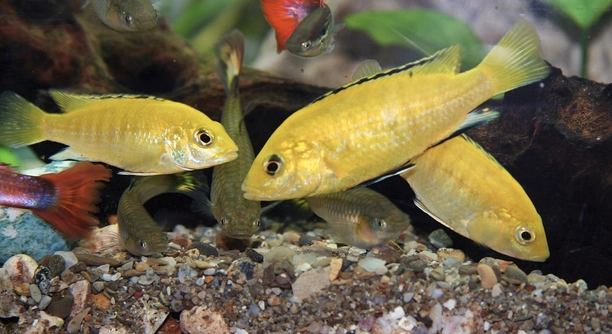
Electric Yellow Cichlids are known for their vibrant color and energetic swimming patterns. Sometimes, these fish suddenly freeze in place, leaving aquarists puzzled and observing their tank more closely than usual. Their behavior can be surprising at first.
Electric Yellow Cichlids freeze due to environmental changes, stress, or natural instincts. Sudden temperature shifts, water chemistry fluctuations, or the presence of new tankmates can trigger this behavior. Freezing is a protective response and a common occurrence among cichlids.
Recognizing these moments helps in understanding your fish better. Each frozen pause can reveal important details about their well-being and the tank environment.
Sudden Freezing During Feeding
Sometimes Electric Yellow Cichlids freeze right when food is added to the tank. This behavior can seem odd because they are usually active eaters. The sudden stop may happen as they assess whether the new food is safe. Their instinct is to avoid potential danger before committing to eating. This brief pause can last a few seconds to a minute. Tankmates may also influence this behavior, especially if there is competition for food. Watching closely, you can see them hover near the surface or around hiding spots. Once they feel secure, they resume eating normally. Over time, you can notice patterns, like which spots they prefer or which foods trigger the pause. Observing these moments can provide insight into their personalities and comfort levels in the tank. Feeding habits are a subtle way to understand the balance and dynamics of your aquarium.
This freezing during feeding is usually short-lived and does not indicate illness. It is part of their natural behavior.
Being aware of these pauses helps maintain a calm feeding environment. Adjusting feeding times or the location of food can reduce stress. Watching their reactions can also guide how you introduce new foods. Keeping the tank stable in terms of temperature, lighting, and movement minimizes sudden freezes. Consistency helps your cichlids feel secure, allowing them to eat without hesitation. It also improves interactions among tankmates, reducing conflicts during meals. Understanding these small behaviors makes caring for your cichlids smoother. Over time, you may notice subtle signals that indicate comfort or stress before they freeze. These insights make it easier to manage their tank environment effectively. Being attentive to these patterns ensures they stay healthy and active. Small changes, like adding a rock formation or adjusting feeding spots, can make a significant difference. Their brief pauses are a natural way to navigate their surroundings safely.
Freezing in Response to New Tankmates
Introducing a new fish often causes Electric Yellow Cichlids to freeze. They may remain motionless for several minutes as they observe the newcomer.
The introduction of new tankmates creates uncertainty. Electric Yellow Cichlids rely on visual and chemical cues to evaluate potential threats. When a new fish enters the tank, they pause to gather information, assess size, behavior, and potential aggression. This behavior is more pronounced in smaller or younger cichlids. Freezing allows them to avoid conflict while processing the change. During this period, interactions like chasing or territorial displays may be limited until the cichlids adjust. It’s important to monitor both the new and existing fish during these first hours or days. Providing hiding spaces or rearranging tank décor can reduce stress and support smoother integration. Observing their response helps identify dominant or submissive behavior. Over time, most cichlids regain confidence, resuming normal swimming and feeding routines once they feel secure. Patience and careful observation are key in minimizing stress and maintaining a balanced tank environment.
Freezing When Lights Change
Electric Yellow Cichlids often freeze when the tank lights are switched on or off. Sudden changes in brightness can startle them, causing a brief pause in movement as they adjust to the new lighting conditions.
This reaction occurs because cichlids rely heavily on visual cues to feel secure. Abrupt light changes can trigger a defensive response. During this freeze, they may stay close to rocks or plants, using them as temporary cover. Over time, they usually adapt to predictable lighting patterns, and the freezing becomes less frequent. Ensuring a gradual transition with dimmers or timers can help reduce stress. Watching these reactions allows you to notice which areas they feel safest in. Recognizing these patterns helps maintain a stable environment and reduces unnecessary stress on your fish.
Managing lighting carefully prevents repeated freezing episodes. Gradual changes and consistent schedules help cichlids feel secure, encouraging normal activity and reducing stress-related pauses.
Freezing During Territorial Disputes
Electric Yellow Cichlids may freeze when defending their territory. Pausing allows them to assess rivals and plan their next move, avoiding impulsive actions that could lead to injury.
Territorial behavior is natural and involves constant observation of neighbors. Freezing provides a moment to evaluate threats without engaging immediately. This behavior can occur near breeding sites, feeding areas, or favorite hiding spots. The pause helps them gauge the size, strength, and intentions of intruders. While some cichlids are quick to chase, others rely on freezing to avoid unnecessary conflict. Maintaining adequate space, visual barriers, and multiple hiding areas reduces prolonged standoffs. Monitoring their behavior helps prevent aggressive encounters from escalating. Recognizing these pauses ensures the tank remains balanced and stress levels stay low. Providing enough room for each cichlid allows natural behaviors to occur without harm.
Freezing during territorial disputes shows careful decision-making. It is an instinctive method for conflict management and maintaining hierarchy in the tank environment.
Freezing Near Filters
Electric Yellow Cichlids often pause near filters. The movement and noise of water flow can make them cautious, prompting a brief freeze to evaluate safety.
This behavior is natural. Strong currents or unfamiliar water movement can be intimidating. Staying still allows them to adjust and regain confidence before swimming again.
Freezing During Cleaning
Cichlids may freeze when the tank is being cleaned. Any sudden movement or changes in their environment can trigger this cautious behavior. They often remain motionless near rocks or plants until the disturbance settles, resuming normal activity afterward.
Freezing at Night
Electric Yellow Cichlids tend to freeze at night. Reduced lighting signals a resting period, and they often pause near shelters to stay safe and conserve energy.
Why do Electric Yellow Cichlids freeze suddenly?
Electric Yellow Cichlids freeze as a natural response to changes in their environment. Sudden movements, new tankmates, or fluctuations in water conditions can trigger a brief pause. Freezing is a way for them to assess potential threats and determine whether it is safe to continue swimming. It is an instinctive behavior seen in many cichlid species and helps them avoid harm while observing their surroundings.
Is freezing a sign of illness?
Not always. While freezing can sometimes indicate stress or discomfort, it is usually a normal behavioral response. Signs of illness would include lethargy, loss of appetite, color fading, or unusual swimming patterns that persist. Brief pauses alone are rarely cause for concern, especially if the fish resumes normal activity shortly afterward. Monitoring overall health and water quality is key to ensuring freezing isn’t linked to disease.
How long do they typically freeze?
The duration of freezing varies depending on the trigger. Environmental changes may cause a few seconds to a minute of stillness, while the presence of new fish or unfamiliar objects might result in longer pauses. Observing patterns over time can help determine what triggers the behavior and whether adjustments to the tank environment are needed. Most freezes are short and harmless.
Do tank conditions influence freezing behavior?
Yes. Water temperature, pH, hardness, and cleanliness all impact cichlid comfort. Sudden changes can make them freeze more often. Maintaining consistent water conditions, proper filtration, and regular maintenance reduces stress and encourages normal swimming behavior. Providing hiding spots and stable décor also helps them feel secure.
Can freezing be reduced or prevented?
Freezing cannot be completely prevented since it is a natural instinct. However, you can minimize it by keeping a stable tank environment, introducing new tankmates slowly, and avoiding sudden light or water changes. Gradual adjustments allow the fish to acclimate, reducing the frequency of pauses. Observation and consistency are effective strategies.
Does tank size affect freezing?
Tank size plays a role in stress and comfort. Small tanks can increase tension and force frequent interactions, which may lead to more freezing. Larger tanks with adequate space for swimming, territories, and hiding spots reduce stress and provide areas where fish can feel safe during brief freezes.
Is freezing behavior more common in certain situations?
Yes. Freezing is most noticeable during feeding, introduction of new tankmates, cleaning, sudden light changes, or near strong currents. These are moments when the fish need to evaluate risk. Understanding these situations allows you to create a calmer tank environment and anticipate when freezing might occur.
How do I know if freezing is harmful?
Freezing is harmful only if accompanied by other concerning symptoms. Watch for signs like persistent lethargy, weight loss, torn fins, or abnormal swimming. If freezing occurs alongside these indicators, it could signal stress, poor water conditions, or illness. Otherwise, short pauses are a normal part of their behavior.
Do all Electric Yellow Cichlids freeze in the same way?
Behavior varies among individuals. Some cichlids may freeze more frequently, while others react calmly to the same stimuli. Factors include personality, age, tank setup, and past experiences. Recognizing individual patterns helps you understand the normal range of behavior for each fish.
Can freezing affect their growth or health?
Short-term freezing does not affect growth or health. It is a survival behavior. Long-term stress or frequent freezing due to poor conditions can impact feeding, energy levels, and overall well-being. Ensuring stable water parameters and minimizing environmental stressors supports healthy development.
Should I separate a fish that freezes often?
Separation is only necessary if freezing is caused by bullying or aggression from tankmates. Otherwise, brief pauses are normal. Providing adequate hiding spots and visual barriers often resolves tension without the need to remove a fish. Observing interactions helps determine if intervention is needed.
How can I track freezing behavior effectively?
Keeping a simple journal of observed freezing incidents helps identify triggers and patterns. Note the time of day, feeding routines, tank interactions, and environmental changes. Over time, this information allows you to adjust conditions to minimize stress and better understand your cichlids’ behavior.
Are there signs that freezing is temporary?
Temporary freezing is indicated by brief pauses followed by normal swimming, feeding, or interaction with other fish. Short, consistent pauses without other symptoms usually show the fish is simply cautious. Persistent freezing accompanied by changes in color, appetite, or activity may require attention.
Does lighting play a role in freezing?
Yes. Sudden changes in brightness or turning lights on and off quickly can startle cichlids, causing them to freeze. Using timers or gradual dimming can reduce this response. Fish feel safer when lighting is predictable and gentle.
Can diet influence freezing behavior?
A proper diet supports overall health, which can reduce stress-related freezing. Malnourished or underfed fish may be more sensitive to environmental changes. Feeding a balanced diet and avoiding overfeeding promotes energy levels and stability in behavior.
Is freezing more common in young cichlids?
Younger cichlids are more likely to freeze due to inexperience and higher sensitivity to their environment. As they grow and become familiar with the tank, freezing episodes usually decrease. Adults tend to freeze mainly in response to specific triggers rather than general stress.
Can freezing indicate breeding behavior?
Yes. During breeding, cichlids may freeze to protect eggs or fry. They become more cautious and alert, pausing near nesting areas to monitor for threats. Recognizing this behavior helps avoid unnecessary interference during sensitive periods.
How should I respond when my cichlid freezes?
Avoid sudden movements or changes that could extend the freezing period. Ensure water conditions are stable, provide hiding spots, and monitor for other signs of stress or illness. Patience is important; most cichlids resume normal activity on their own.
Does temperature fluctuation trigger freezing?
Yes. Rapid drops or increases in water temperature can startle cichlids, prompting a freeze. Maintaining consistent temperature and avoiding abrupt adjustments helps reduce stress and prevents excessive freezing behavior.
Can multiple triggers cause longer freezes?
Multiple simultaneous stressors, such as new tankmates combined with strong currents or sudden light changes, can prolong freezing. Identifying and minimizing these combined factors supports normal swimming and reduces prolonged pauses. Observing patterns helps in creating a calmer environment.
Does freezing affect social interactions?
Freezing can influence interactions, particularly during feeding or territorial disputes. Pauses allow cichlids to assess risk, but repeated freezing may alter dominance or territorial behaviors. Ensuring enough space and hiding spots helps maintain balanced interactions among tankmates.
Is there a difference between male and female freezing patterns?
Males and females may display freezing differently depending on territorial or breeding instincts. Males often freeze while asserting dominance, while females may pause to monitor safety. Understanding these differences helps interpret behavior accurately.
Can stress from moving tanks trigger freezing?
Yes. Relocating the tank or individual fish can cause prolonged freezing as they acclimate to new surroundings. Gradual introduction and stable water conditions help reduce stress and shorten freezing episodes.
How do I know when freezing is normal versus concerning?
Normal freezing is brief, occasional, and followed by normal activity. Concerning freezing is prolonged, frequent, or accompanied by other symptoms like color fading, lethargy, or loss of appetite. Monitoring patterns and overall health is the best guide for assessment.
Does tank décor impact freezing?
Yes. Hiding spots, rocks, and plants provide security and reduce stress-related freezing. Sparse or open tanks may make cichlids feel vulnerable, increasing the frequency of pauses. Thoughtful placement of décor supports confident movement and calmer behavior.
Can freezing be a sign of fear?
Freezing is often a fear response. Sudden changes, unfamiliar objects, or perceived threats can make cichlids stop moving to avoid drawing attention. Providing a secure environment helps reduce fear-driven pauses.
Does water quality affect freezing behavior?
Poor water quality, including high ammonia, nitrite, or nitrate levels, can increase stress and freezing. Maintaining clean, stable water conditions is essential for minimizing pauses and supporting overall fish health.
Can freezing indicate adaptation to new environments?
Yes. When first introduced to a tank, cichlids may freeze frequently as they learn the layout and observe other fish. Over time, these pauses decrease as they gain confidence and familiarity with their surroundings.
Are there long-term effects of frequent freezing?
Frequent freezing itself is not harmful if the tank environment is stable. Long-term stress from poor conditions, aggression, or illness can affect growth and health. Monitoring triggers ensures that freezing remains a natural, harmless behavior rather than a sign of ongoing stress.
Can I train my cichlids to freeze less?
You cannot train them to eliminate freezing entirely, but consistent, stable conditions and gradual changes reduce stress and frequency. Observing their patterns and adjusting the tank environment can help cichlids feel secure and minimize unnecessary pauses.
How does tank size and population density influence freezing?
Overcrowded tanks increase stress and competition, leading to more frequent freezing. Providing ample space and reducing population density allows each cichlid to establish territory and feel safe, resulting in fewer pauses. Proper tank size supports natural behavior and reduces tension.
Does freezing affect feeding efficiency?
Brief freezes usually do not impact feeding. However, if environmental stress causes repeated freezing during meals, it may reduce food intake. Maintaining calm conditions, proper feeding routines, and safe spaces ensures consistent nutrition.
Is freezing a sign of intelligence or awareness?
Freezing shows awareness and survival instincts. Cichlids evaluate their surroundings before acting, demonstrating adaptability and caution. It reflects their ability to process information and respond to potential threats safely.
Can freezing behavior vary between tanks?
Yes. Environmental setup, tankmates, water conditions, and décor all influence freezing frequency. Fish in well-structured, stable tanks generally freeze less, while those in stressful or poorly designed tanks may pause more often.
Do Electric Yellow Cichlids ever freeze in response to sounds?
Loud noises near the tank can cause temporary freezing. Vibrations or sudden sounds trigger caution as the fish assess potential threats. Reducing external disturbances can help minimize this response.
How does age impact freezing behavior?
Younger cichlids are more reactive and freeze more often. Older, experienced fish are more confident, freezing mainly in response to specific triggers like territory disputes or environmental changes.
Is freezing behavior consistent across species?
While freezing is common in cichlids, the frequency and triggers vary between species. Electric Yellow Cichlids show predictable patterns influenced by environment, personality, and tank dynamics.
Does tank lighting schedule affect freezing?
Yes. Predictable lighting reduces stress and limits freezing. Sudden on/off cycles increase pauses, while timers or gradual dimming encourage normal activity.
Can freezing be a form of communication?
Freezing may signal caution or alertness to tankmates. Other fish can detect pauses and adjust their own behavior, especially during feeding or territorial interactions. It serves as a subtle form of social signaling.
Are there environmental enrichment strategies to reduce freezing?
Providing hiding spots, rocks, plants, and visual barriers reduces stress. Rotating decorations or adding new elements gradually encourages exploration while keeping freezing episodes minimal. A varied environment supports confidence and natural behavior.
How do I know if freezing is due to stress or instinct?
Instinctive freezing is brief and situation-specific. Stress-related freezing is prolonged, frequent, or associated with other symptoms like loss of appetite or color changes. Observation of patterns and tank conditions helps differentiate the cause.
Can freezing indicate readiness to spawn?
During breeding, cichlids may freeze near nesting sites to protect eggs or fry. Pauses indicate vigilance and care rather than stress. Recognizing this behavior helps avoid interfering with reproductive activity.
Does water current intensity affect freezing?
Strong currents may cause brief pauses as fish adjust. Moderate, steady flow with calm areas reduces stress and allows free swimming, minimizing freezing episodes.
Can freezing be influenced by tankmate behavior?
Yes. Aggressive or highly active tankmates can trigger freezing. Adequate spacing, visual barriers, and monitoring interactions help maintain calm and balanced behavior.
Is freezing more frequent during tank maintenance?
Cleaning, water changes, or rearranging décor can cause temporary freezing. Fish pause to assess the disturbance. Gradual maintenance techniques minimize stress and allow them to resume activity quickly.
Can freezing affect social hierarchy?
Pauses during territorial displays or feeding allow assessment of rivals. Consistent behavior establishes hierarchy without immediate conflict. Freezing helps maintain order in the tank.
Does diet type impact freezing?
Balanced nutrition supports overall health, reducing stress-related freezing. Malnourished fish may be more reactive, pausing frequently. A consistent feeding schedule and proper diet contribute to normal behavior.
Can freezing indicate fear of humans?
Cichlids may freeze when someone approaches the tank if they perceive potential threat. Gradual, calm interactions help them feel secure over time.
Does temperature stability reduce freezing?
Consistent temperature limits stress and reduces freezing. Sudden fluctuations trigger caution and pauses. Stable, appropriate temperatures support normal activity.
Are there seasonal patterns to freezing?
Some cichlids show slight seasonal behavior changes, pausing more with natural light variation or water temperature shifts. Consistent tank conditions help mitigate these effects.
Can freezing indicate environmental discomfort?
Yes. Poor water quality, overcrowding, or lack of hiding spots can increase freezing. Addressing these issues restores comfort and reduces pauses.
Does water chemistry play a role?
Yes. Sudden pH, hardness, or chemical changes can trigger freezing. Maintaining stable parameters is essential for calm behavior and overall health.
How can I reduce unnecessary freezing in my tank?
Stable water, gradual environmental changes, hiding spots, calm tankmates, and predictable lighting all help minimize unnecessary pauses. Observing patterns allows fine-tuning for a secure, stress-free environment.
Are pauses during exploration normal?
Yes. Freezing while inspecting new areas or objects is part of natural cautious behavior. It helps fish evaluate safety before proceeding.
Can freezing indicate environmental adaptation?
Frequent pauses when introduced to new tanks show adaptation. Over time, as fish gain confidence, freezing decreases, reflecting comfort with their surroundings.
Do cichlids freeze differently when alone versus in groups?
Alone, freezing may be more prolonged due to lack of reassurance from other fish. In groups, pauses are often shorter, with fish observing and reacting to each other.
Can stress from handling trigger freezing?
Handling or netting can cause prolonged pauses as fish recover from the disturbance. Gentle, minimal handling reduces stress and supports normal behavior.
Does hiding space availability affect freezing frequency?
Yes. Adequate hiding spots allow fish to pause safely without prolonged stress. Sparse environments increase freezing and anxiety.
Can freezing indicate environmental learning?
Freezing allows cichlids to assess surroundings, learn about tankmates, and recognize safe zones. It reflects awareness and adaptation rather than distress.
Is freezing a temporary adaptation strategy?
Yes. Short-term pauses help evaluate risks and respond appropriately. It is an adaptive, survival-oriented behavior.
How does tank enrichment affect freezing?
Varied décor, plants, and visual barriers reduce unnecessary freezing. A stimulating environment encourages exploration while providing secure spaces for pauses.
Does tank location influence freezing?
Tanks in high-traffic areas may trigger more pauses due to perceived threats. Placing the tank in a calm, consistent location helps minimize freezing.
Can freezing be used to monitor tank health?
Yes. Sudden increases in freezing frequency may indicate stress from water quality, temperature shifts, or social tension. Observing these behaviors helps maintain a healthy tank.
Does age affect reaction time during freezing?
Younger cichlids freeze more readily and for longer periods. Older fish are more experienced and freeze mainly in response to specific threats.
Can freezing indicate alertness rather than fear?
Yes. Pauses often show caution and awareness, allowing fish to make informed decisions in unfamiliar situations without immediate threat.
Do cichlids freeze more with visual exposure to other fish?
Yes. Seeing new or aggressive fish can trigger pauses. Visual barriers or hiding spots reduce stress-induced freezing.
Is freezing behavior influenced by previous experiences?
Past stress, aggression, or disturbances can make cichlids more reactive, causing more frequent freezing in similar situations. Positive, stable environments reduce sensitivity over time.
Can freezing help prevent injury?
Yes. Pausing allows fish to avoid conflicts, dangerous currents, or risky interactions. It is a protective, survival-oriented behavior.
Does tank maintenance routine affect freezing?
Predictable, calm maintenance minimizes stress and unnecessary pauses. Sudden, chaotic cleaning can increase freezing temporarily.
Are freezing episodes more common during social conflict?
Yes. Territorial or dominance disputes often involve freezing to assess opponents and avoid impulsive actions. Freezing helps maintain hierarchy without immediate confrontation.
Can freezing indicate environmental satisfaction?
Occasional freezing in safe spots shows comfort and exploration. Fish are alert but confident in their surroundings.
Does freezing frequency decrease over time?
Yes. As cichlids become familiar with their tank, routines, and tankmates, freezing becomes less frequent, reflecting adaptation and confidence.
Can freezing predict aggressive behavior?
Freezing can precede or follow aggressive displays, as fish pause to evaluate threats or strategize. Recognizing this helps manage interactions safely.
Is freezing affected by sudden shadows outside the tank?
Yes. Shadows or movement near the tank can trigger brief pauses. Minimizing external disturbances reduces this response.
Does freezing indicate stress from overcrowding?
High population density increases tension and freezing. Providing space and hiding spots reduces stress and promotes natural behavior.
Can freezing show environmental curiosity?
Pauses often reflect cautious investigation of new objects or areas. It is a sign of awareness and adaptability.
How does water flow affect freezing behavior?
Strong currents may trigger short pauses, while calm, consistent flow allows free movement. Adjusting flow supports normal activity and reduces unnecessary freezing.
Does freezing occur more during seasonal changes?
Slight seasonal changes in temperature or lighting can increase freezing temporarily. Maintaining stable tank conditions mitigates this effect.
Can freezing be a response to chemical signals?
Yes. Pheromones, stress hormones, or chemical changes in the water can trigger pauses as cichlids assess safety. Monitoring water chemistry helps prevent stress-induced freezing.
Does freezing correlate with feeding hierarchy?
Yes. Subordinate fish may freeze more during meals, waiting for dominant individuals to finish. Adequate feeding space reduces this behavior.
Can freezing help fish learn about their environment?
Yes. Pauses allow observation and assessment of surroundings, helping fish understand safe zones, territories, and tank dynamics.
Does tank stability affect freezing patterns?
Stable water, temperature, and décor reduce unnecessary freezing. Inconsistent environments increase pauses due to stress or uncertainty.
Electric Yellow Cichlids are fascinating fish with bright colors and lively personalities. Their occasional freezing behavior can seem strange at first, but it is a natural part of how they interact with their environment. Freezing is usually brief and serves as a way for the fish to assess their surroundings, respond to potential threats, or adjust to changes in the tank. Observing these moments can help you understand your cichlids better and provide insight into their comfort levels, preferences, and even their personalities. While it may be surprising to see them pause mid-swim, it is often just a sign that they are cautious and alert. Over time, you can learn to recognize patterns in when and why your cichlids freeze, which helps create a calmer and more predictable environment for them.
Maintaining a stable tank environment is key to supporting natural behavior and minimizing stress-related freezing. Consistent water temperature, proper pH levels, and clean water all contribute to your cichlids feeling secure. Adding hiding spots, rocks, plants, and other forms of décor can give them safe areas to retreat to when they feel unsure. Gradual changes to lighting, feeding routines, or the introduction of new tankmates can reduce the frequency of sudden pauses. Even small adjustments, like rearranging decorations slowly or adding visual barriers, can make a noticeable difference in how confident and active your fish are. Observing their behavior closely allows you to respond appropriately to their needs, whether that means adjusting feeding locations, creating extra shelter, or monitoring interactions with other fish. Understanding and respecting these natural behaviors helps ensure your cichlids thrive.
Finally, freezing is a behavior that reflects the adaptability and awareness of Electric Yellow Cichlids. It is not necessarily a problem but rather a normal aspect of their survival instincts. Short pauses do not affect health, growth, or social interactions when the environment is stable and supportive. Watching how and when they freeze can also provide valuable information about tank conditions and social dynamics, helping you make informed decisions about care. By creating a secure, well-maintained environment, you allow your cichlids to explore, feed, and interact confidently. These observations not only deepen your understanding of your fish but also ensure they are comfortable, healthy, and active in their habitat. Recognizing freezing as a normal behavior encourages patience, careful monitoring, and thoughtful care, which ultimately supports the long-term well-being of your Electric Yellow Cichlids.

Hello,
If you enjoy the content that we create, please consider saying a "Thank You!" by leaving a tip.
Every little bit helps us continue crafting quality advice that supports the health, happiness, and well-being of pets around the world, for pets of all shapes, sizes, and species.
We really appreciate the kindness and support that you show us!