
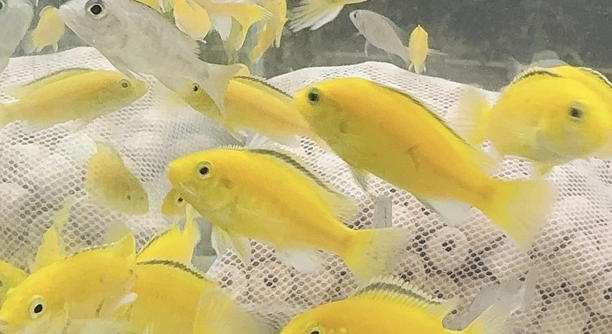
Many hobbyists enjoy keeping cichlids, especially captive-bred ones, in home aquariums. These fish often display behaviors that surprise even experienced keepers. Observing them can reveal instincts that seem unexpected but are natural for their species.
Captive-bred cichlids retain several instinctive behaviors, including territorial displays, selective feeding, nest building, and parental care. These actions demonstrate that even in controlled environments, genetic and evolutionary traits strongly influence their daily activities and interactions.
These behaviors provide insights into their natural tendencies and highlight the importance of proper care. Observing them closely can reveal more about how they adapt and thrive in captivity.
Territorial Displays
Captive-bred cichlids often show strong territorial behaviors, even in small aquariums. They will defend specific areas, chase away intruders, and mark their space with visual signals or fin movements. This instinct helps them feel secure and establishes a hierarchy within the tank. Observing these behaviors can be fascinating, as it mirrors their natural habits in lakes and rivers. Some cichlids may flare their gills or swim aggressively toward other fish to assert dominance. Over time, they can form stable territories, reducing frequent conflicts. Understanding their territorial instincts allows you to design your tank effectively, providing hiding spots, decorations, and open swimming spaces. Proper tank layout can prevent stress and injuries. Territorial behavior also influences feeding patterns, as dominant fish may control access to food. Even in captivity, these displays serve a critical role in their social structure. Recognizing these patterns can help you maintain a balanced aquarium environment.
Territorial behavior in cichlids is a natural survival instinct, not a sign of aggression or poor care.
Providing visual barriers and adequate space reduces conflicts and helps all fish coexist peacefully, improving overall tank harmony and well-being.
Nest-Building Instincts
Many captive-bred cichlids continue to show nest-building behaviors in aquariums.
These fish often clean a flat surface, dig small pits, or move substrate to create suitable areas for eggs. Even if breeding does not occur, the instinct remains strong. Nest-building reflects their natural reproductive strategies and is closely tied to mating behaviors. Some species become very particular about the shape and location of their nests, demonstrating precision that can be surprising for captive-bred individuals. Providing appropriate substrate, rocks, or flat surfaces allows them to express this behavior, which reduces stress and encourages natural activity. Observing a cichlid carefully arranging its nest can be captivating, showing how instincts remain present despite generations in captivity. Nest-building also signals readiness to mate and can trigger interactions with other fish, including courtship displays. These behaviors highlight that genetic programming continues to influence captive cichlids’ daily routines. By accommodating nest-building instincts, you support healthier, more active fish.
Understanding their need for nesting encourages better tank setups, ensuring the fish feel secure and can engage naturally.
Careful observation of these behaviors can enhance your knowledge of each species’ habits and improve reproductive success, making your tank more dynamic and interesting.
Selective Feeding
Cichlids often choose certain foods over others, even when all options are available. This selective feeding is part of their natural instinct to seek optimal nutrition and avoid potentially harmful items in their environment.
Their preference for specific foods shows how instincts persist in captivity. Some cichlids favor live or frozen foods, while others consistently pick flakes or pellets. This behavior is influenced by their species’ natural diet and feeding strategies. Observing which foods they choose helps in providing a balanced diet that matches their instincts. Selective feeding also reflects their ability to detect and respond to subtle differences in food quality or texture. Even in controlled environments, these behaviors remain strong, showing that genetic factors guide feeding habits. Understanding these preferences allows aquarists to optimize nutrition, prevent waste, and reduce competition among tank mates. By paying attention to feeding choices, you can support healthy growth and maintain fish vitality over time.
Providing a variety of foods and observing preferences helps ensure cichlids receive the nutrition they instinctively seek.
Monitoring feeding patterns reveals subtle instincts, like hunting or sifting, and supports a natural approach to aquarium care.
Parental Care
Cichlids often exhibit strong parental instincts, caring for eggs and fry with surprising dedication.
Parents may guard the nest, fan the eggs to provide oxygen, or remove debris to keep the area clean. In some species, both male and female share these responsibilities, showing a level of cooperation that is remarkable in captivity. Even without external threats, these behaviors continue, highlighting how deeply rooted parental instincts are. Fry may be guided to safe areas, and aggressive behavior toward potential threats is common, reflecting natural protective mechanisms. Observing parental care offers insight into social structures and the importance of providing safe spaces in aquariums. Supporting these instincts improves survival rates and allows fish to display natural behaviors fully, making their environment more engaging.
Parental care behaviors indicate that captivity cannot entirely suppress evolutionary drives, and providing appropriate conditions enhances their well-being.
Allowing fish to follow these instincts encourages stronger family interactions and helps maintain healthier, more active fish populations in the tank.
Hiding and Shelter-Seeking
Cichlids often seek hiding spots or shelter, even in small tanks. This behavior reflects their natural instinct to feel secure and avoid potential threats in unfamiliar environments.
Providing caves, plants, or rocks allows them to express this instinct safely. Hiding reduces stress and encourages normal activity patterns, keeping them healthy and balanced.
Territory Marking
Cichlids mark areas using visual signals, substrate movement, or fin displays. This behavior defines their space and communicates dominance to other fish, helping maintain order within the aquarium.
Social Recognition
Cichlids can identify familiar tank mates and respond differently to strangers. This instinct affects interactions, aggression, and group dynamics, highlighting the role of social memory in their daily behavior.
Playful Interactions
Some cichlids engage in chasing, sparring, or exploring objects, displaying playful instincts. These activities stimulate their mind, reduce stress, and encourage natural behaviors within the tank environment.
FAQ
Why do captive-bred cichlids still show wild behaviors?
Even when bred in captivity, cichlids retain instincts inherited from their wild ancestors. Behaviors like territorial displays, selective feeding, and parental care are hardwired into their biology. These instincts help them survive and thrive, even in controlled environments, and are expressed naturally when conditions allow.
How can I manage aggressive territorial behavior in my tank?
Providing adequate space and visual barriers reduces conflicts. Rocks, plants, and dividers create defined territories, allowing fish to feel secure. Avoid overcrowding and monitor interactions. Separating highly aggressive individuals may be necessary to maintain balance. Proper feeding and hiding spots also minimize disputes.
Do all cichlid species build nests?
Not all species nest, but many do. Some dig pits, clean flat surfaces, or move substrate to prepare egg-laying sites. Even in captivity, these behaviors persist, reflecting their reproductive instincts. Providing suitable surfaces encourages natural expression and reduces stress.
Why do my cichlids guard their eggs or fry so aggressively?
Parental care is a strong instinct. Adults protect eggs and fry from potential threats by fanning, moving, or chasing intruders. This behavior is common even without external dangers. Supporting these instincts with safe environments enhances fry survival and reduces stress for the adults.
How can I encourage selective feeding without causing imbalance?
Offer a variety of high-quality foods, including flakes, pellets, and occasional live or frozen options. Observe preferences and adjust portion sizes to ensure balanced nutrition. Selective feeding reflects instinct, but careful planning prevents deficiencies and competition among tank mates.
Why do some cichlids hide frequently?
Hiding is a natural response to stress or unfamiliar surroundings. Even confident fish may seek shelter periodically. Providing caves, plants, or rock formations helps them feel safe. Hiding spots allow fish to rest, explore safely, and reduce aggression from other tank mates.
Are playful behaviors important for captive cichlids?
Yes, chasing, sparring, and exploring objects stimulate mental activity and physical fitness. Playful behavior mimics hunting or social interactions in the wild. Encouraging this through enrichment, toys, or varied tank layouts supports natural instincts and overall well-being.
Can cichlids recognize other fish in the tank?
Cichlids can distinguish familiar tank mates from newcomers. Social recognition influences aggression, schooling, and mating behaviors. Recognizing individuals helps maintain social hierarchies and reduces stress in a community tank. It’s an instinct that supports both survival and social organization.
How do I balance multiple instinctive behaviors in one tank?
Create zones for feeding, hiding, and nesting. Monitor aggression and adjust tank layout or population if needed. Provide enrichment for exploration and play. Understanding instincts allows you to design an environment where multiple behaviors coexist safely, promoting healthy, active, and less stressed fish.
Do instincts change over generations in captivity?
Some behaviors may become less pronounced, but most instincts persist strongly. Even after several generations, territoriality, feeding preferences, and parental care remain evident. Careful observation ensures these natural tendencies are supported, helping maintain healthy and dynamic captive-bred populations.
What signs indicate my cichlids are stressed despite natural behaviors?
Excessive hiding, loss of appetite, constant aggression, or lethargy are stress indicators. Even normal instincts can cause tension if the environment is inadequate. Ensuring proper tank size, enrichment, hiding spots, and compatible tank mates helps reduce stress while allowing natural behaviors to continue.
How important is tank structure for instinct expression?
Tank layout is critical. Rocks, plants, and substrate enable nest-building, territory marking, and shelter-seeking. Open spaces allow for swimming and social interactions. Proper structure reduces conflict, supports natural behavior, and promotes both physical and mental health.
Can I interfere with instincts without harming my fish?
Some interventions, like managing aggression or adjusting population, may limit certain behaviors but improve overall well-being. The goal is balance—support natural instincts while preventing stress, injury, or malnutrition. Thoughtful adjustments enhance the tank environment without suppressing essential behaviors.
Why do cichlids sometimes ignore certain foods?
Selective feeding is instinctive. Fish may reject unfamiliar or less-preferred foods, even if nutritious. Observing preferences and gradually introducing new items can improve acceptance. This instinct ensures they choose food suited to their natural dietary needs.
How can I encourage natural parental behavior without causing harm?
Provide safe nesting areas, maintain water quality, and avoid disturbing adults or fry. Observing from a distance allows them to express instincts while minimizing stress. Supporting these behaviors improves fry survival and reinforces natural family interactions.
What is the best way to observe instincts without disrupting them?
Use gentle observation from outside the tank. Avoid tapping glass, sudden movements, or changing the environment abruptly. Subtle monitoring allows insight into behaviors like feeding, nesting, or territory marking without causing stress or interference.
How do instincts affect long-term health?
Expressing natural behaviors reduces stress, supports physical fitness, and promotes mental stimulation. Ignoring instincts can lead to aggression, illness, or abnormal behaviors. Providing conditions that allow instinctual activity helps cichlids live longer, healthier, and more active lives.
Can tank companions influence instinct expression?
Yes, compatible species reduce stress and aggression while encouraging social behaviors. Incompatible tank mates may suppress natural instincts or increase conflict. Understanding each species’ tendencies allows you to manage interactions and create a stable, harmonious environment.
Is it normal for instincts to vary between individuals?
Absolutely. Personality, age, and past experiences affect how strongly instincts are expressed. Some fish may be more territorial, shy, or playful. Recognizing these differences helps tailor care, tank setup, and feeding strategies to suit each fish’s natural tendencies.
What role does enrichment play in supporting instincts?
Enrichment, such as plants, rocks, or objects to explore, encourages natural behaviors like hiding, nesting, and play. It reduces boredom and stress while allowing instincts to manifest safely. Regularly changing or adding elements keeps fish engaged and active, enhancing overall tank health.
How can I tell if instincts are being suppressed?
Signs include reduced activity, lack of interest in food, ignored nesting areas, or abnormal aggression. Ensuring adequate space, hiding spots, and enrichment allows instincts to manifest naturally. Supporting natural behaviors is essential for healthy, thriving cichlids.
What is the most important instinct to support for captive-bred cichlids?
All instincts are important, but territoriality, parental care, and feeding behavior are critical for survival and well-being. Creating an environment that accommodates these instincts promotes natural interactions, reduces stress, and supports healthy growth and reproduction.
How often should I monitor instinct-driven behaviors?
Daily observation helps track health, social dynamics, and feeding patterns. Noting changes or unusual behavior allows timely adjustments to the tank environment, ensuring instincts are expressed safely and effectively.
Do instincts influence breeding success in captivity?
Yes, behaviors like nest-building, territory establishment, and parental care are key for successful reproduction. Supporting these instincts with proper tank conditions improves breeding outcomes and fry survival rates.
Can instincts change if the environment is altered?
Environmental changes can modify how strongly instincts are expressed. Reduced space or lack of hiding spots may suppress certain behaviors, while proper enrichment encourages full expression. Maintaining suitable conditions is essential for natural behavior.
Are instinct-driven behaviors predictable?
Many instincts are consistent within species but vary individually. Observing patterns over time allows you to anticipate feeding, nesting, or territorial behaviors, making tank management more effective and reducing stress for all fish.
How can I balance multiple instincts in one tank?
Provide zones for hiding, nesting, and swimming, ensure compatible tank mates, and maintain proper enrichment. Monitoring interactions and adjusting layout supports natural behaviors while minimizing conflict, keeping fish healthy and active.
What is the effect of suppressing instincts over time?
Suppression can lead to stress, illness, or abnormal behaviors. Allowing natural expression promotes mental stimulation, physical activity, and social interaction, which are essential for long-term health and vitality in captive-bred cichlids.
Can instincts improve fish well-being even without natural threats?
Yes, expressing instincts like hiding, territorial displays, and play provides stimulation, reduces boredom, and enhances overall health. Even without predators, these behaviors remain crucial for psychological and physical well-being.
How do I know if my tank supports instinct expression adequately?
Healthy interactions, active exploration, visible nesting, and normal feeding behaviors indicate instincts are supported. Minimal stress and aggression, along with thriving fry and adults, show that the tank environment meets their natural needs.
What daily care supports instinct expression?
Feeding a varied diet, maintaining water quality, providing hiding spots, and monitoring interactions all encourage natural behaviors. Attention to these details helps cichlids express instincts fully and stay healthy in captivity.
Can instinct observation guide improvements in tank setup?
Yes, watching behaviors like territoriality, nesting, and play reveals what the fish need. Adjusting space, enrichment, or population based on observation ensures the tank supports natural activity and reduces stress.
Are instincts stronger in certain life stages?
Young fish may show more exploratory and playful behavior, while adults express territoriality and parental care more strongly. Recognizing life-stage-specific instincts helps tailor tank conditions and care routines effectively.
Do instincts affect feeding competition among tank mates?
Yes, territorial or selective feeders may dominate access to food. Providing multiple feeding areas, observing preferences, and separating dominant individuals ensures all fish receive adequate nutrition while maintaining natural behaviors.
How can I track instinct-driven behaviors effectively?
Regular observation, note-taking, and using consistent times for monitoring help identify patterns. Recognizing normal versus abnormal expression allows proactive adjustments to tank conditions and supports healthy behavior.
Can instincts be encouraged without causing stress?
Yes, offering suitable environments, enrichment, and compatible tank mates allows natural behaviors without overexposing fish to conflict or pressure. Balancing stimulation and safety is key to supporting instincts effectively.
Do instincts persist in older fish?
Yes, most instincts remain throughout life, though intensity may vary. Older fish still exhibit territory defense, feeding preferences, and social recognition, highlighting the lasting impact of evolutionary traits.
What role does instinct play in tank harmony?
Instincts help establish social hierarchies, reduce stress, and encourage natural interactions. Supporting these behaviors ensures a balanced, active, and healthy aquarium where fish can thrive and coexist peacefully.
How does observing instincts enhance care practices?
Observation informs feeding, breeding, enrichment, and population management. Understanding instincts allows tailored care that supports natural behavior, reduces stress, and promotes long-term health and vitality in captive-bred cichlids.
Can instincts predict potential health issues?
Changes in feeding, hiding, or social behavior may indicate stress or illness. Monitoring instinct-driven behaviors provides early warning signs, allowing timely intervention and ensuring continued well-being.
Do instincts vary between captive-bred and wild cichlids?
Captive-bred fish retain most instincts, though expression may differ slightly due to environment. Wild cichlids may show stronger territoriality or feeding selectivity. Awareness of these differences helps tailor care to support natural tendencies effectively.
How can instinct knowledge improve breeding programs?
Recognizing behaviors like nest-building, parental care, and territory establishment guides tank setup, mate selection, and fry protection. Supporting instincts maximizes reproductive success and ensures healthy offspring.
Are instincts influenced by tank size?
Yes, inadequate space can suppress territorial, hiding, and exploratory behaviors. Properly sized tanks allow full expression of instincts, reducing stress, conflict, and abnormal behavior patterns.
What is the best way to support instincts in small tanks?
Use vertical space, create hiding spots, and provide visual barriers. Observing interactions and adjusting stocking density helps maintain natural behaviors, ensuring fish remain active, healthy, and minimally stressed.
Do instincts require special attention in community tanks?
Yes, compatibility and space are critical. Some species may dominate or suppress others’ behaviors. Thoughtful planning, enrichment, and monitoring maintain balance, allowing multiple species to express instincts safely.
How does instinct expression affect fish longevity?
Active engagement in natural behaviors supports physical fitness, reduces stress, and enhances mental stimulation. Fish expressing instincts fully are generally healthier and live longer than those in restrictive or unstimulating environments.
Can instincts be redirected to reduce conflicts?
Yes, providing alternative territories, enrichment, or feeding zones can channel aggression and territorial behavior away from vulnerable fish. Proper management helps maintain tank harmony while supporting natural instincts.
Do environmental changes trigger instinctual adjustments?
Yes, adding new decorations, changing substrate, or introducing tank mates can modify territorial, hiding, or feeding behaviors. Observing adjustments ensures that instincts continue to be expressed safely.
How often should I update tank enrichment?
Regular updates, such as new hiding spots, plants, or objects, stimulate exploration, play, and natural behaviors. Gradual changes prevent stress and maintain engagement, supporting instinct expression effectively.
What is the relationship between instincts and aggression?
Aggression often arises from territoriality, competition, or parental care. Supporting instincts with proper space, enrichment, and monitoring reduces unnecessary conflicts while allowing natural behaviors to occur.
Can instincts be influenced by diet?
Yes, food type and availability impact selective feeding and hunting behaviors. Providing variety encourages natural choices, ensuring nutrition and engagement with instinct-driven feeding patterns.
How does water quality affect instinct expression?
Poor water conditions can suppress activity, feeding, and breeding behaviors. Maintaining stable, clean water supports health and allows natural instincts to manifest fully without stress or illness.
Are instincts equally important for all species?
Different species prioritize certain behaviors, like territoriality, parental care, or play. Understanding species-specific instincts helps tailor tank setup, enrichment, and care routines for optimal well-being.
Can instinct observation replace routine monitoring?
No, it complements regular health checks. Observing behaviors helps detect stress or abnormal patterns early, but water quality, feeding, and medical care remain essential for overall health.
Do instincts influence swimming patterns?
Yes, territorial, exploratory, and social behaviors affect movement. Providing open areas, hiding spots, and enrichment allows natural swimming patterns, reducing stress and encouraging exercise.
How can I use instincts to improve tank aesthetics?
Observing hiding, nesting, and territorial behaviors informs placement of rocks, plants, and decorations. Arranging the tank to support natural behaviors enhances both fish well-being and visual appeal.
Can instincts help identify compatible tank mates?
Yes, observing social interactions, aggression, and play reveals which species coexist well. Matching compatible behaviors reduces conflict and supports natural expression across multiple fish.
How do instincts affect stress levels in captivity?
Expressing instincts reduces stress by allowing natural behaviors. Suppression through overcrowding, lack of enrichment, or incompatible tank mates increases anxiety, illness, and abnormal behaviors. Supporting instincts promotes calm, active, and healthy fish.
Can instincts improve observer enjoyment?
Watching natural behaviors like nesting, feeding, or territorial displays provides insight and satisfaction. It enhances engagement with the aquarium and encourages attentive care, benefiting both fish and observer.
Do instincts change with seasonal cues in captivity?
Some behaviors, like breeding or feeding intensity, may fluctuate with light, temperature, or water changes. Replicating natural conditions helps maintain instinct-driven activity patterns and promotes healthy cycles.
How do instincts influence hierarchy formation?
Territoriality, size, and aggression help establish social hierarchies. Supporting these behaviors with adequate space and enrichment ensures stable interactions and reduces conflict. Observing hierarchy formation aids in managing tank dynamics.
Can instincts be suppressed temporarily without harm?
Temporary adjustments, like moving fish for cleaning or isolation during illness, are generally safe. Minimizing disruption and returning to a supportive environment allows instincts to resume naturally.
What is the most effective way to learn about cichlid instincts?
Regular observation, noting patterns, and adjusting care based on behavior is key. Understanding instincts allows better tank design, diet management, and enrichment, ensuring healthier, happier captive-bred cichlids.
How does instinct-driven behavior affect reproduction?
Territorial defense, nest-building, and parental care are essential for breeding success. Supporting these instincts with space, substrate, and safe environments improves fry survival and overall reproductive outcomes.
Are instincts visible in very young captive-bred cichlids?
Yes, even fry show early signs of social, feeding, and hiding behaviors. Recognizing these instincts helps in providing appropriate care and safe spaces for development.
Can instincts help predict long-term compatibility among tank mates?
Yes, observing territoriality, aggression, and social behavior over time helps identify compatible pairings. This allows for stable, balanced communities and reduces stress-related issues.
Do instincts affect daily activity cycles?
Yes, behaviors like feeding, hiding, and exploration follow natural rhythms. Aligning light, feeding times, and environmental cues with these cycles encourages healthy activity patterns and instinct expression.
Can instinct observation guide enrichment design?
Absolutely, understanding behaviors like hiding, nesting, and play informs the placement of decorations, plants, and objects. Thoughtful enrichment promotes natural behaviors, reduces stress, and enhances tank interaction.
How important is patience when observing instincts?
Very important. Natural behaviors may take time to appear, especially in new or changed environments. Consistent observation ensures accurate understanding and effective care adjustments.
Do instincts influence aggression levels over time?
Yes, expression of territoriality or parental care can escalate or subside depending on population, tank size, and enrichment. Monitoring these behaviors allows proactive management of aggression.
Are instinct-driven behaviors influenced by tank companions’ behavior?
Yes, aggression, play, and feeding patterns often respond to others’ actions. Understanding these interactions helps maintain balance and ensures safe expression of instincts.
Can instincts help identify health problems early?
Changes in feeding, hiding, or social interaction often indicate stress or illness. Observing instinct-driven behaviors allows early intervention, improving health outcomes.
How do instincts shape tank design?
Tank layout should support hiding, nesting, swimming, and feeding behaviors. Proper design allows natural behaviors, reduces conflict, and promotes physical and mental well-being for captive-bred cichlids.
Can instincts guide diet planning?
Yes, selective feeding and hunting instincts inform which foods to offer. Providing variety and observing preferences ensures balanced nutrition and stimulates natural foraging behaviors.
Do instincts vary between individual cichlids?
Absolutely. Personality, size, age, and past experiences influence expression. Recognizing these differences helps tailor care and environmental enrichment for each fish.
How important is observing instincts for overall care?
Observation is crucial. It informs feeding, enrichment, breeding, and social management. Supporting natural behaviors promotes health, reduces stress, and enhances the overall quality of life for captive-bred cichlids.
What is the key takeaway regarding instincts in captivity?
Instincts remain strong and influence behavior, social structure, and health. Supporting natural expression ensures active, healthy fish and helps maintain balanced, thriving aquarium environments.
Do instincts affect the aquarium atmosphere for all fish?
Yes, active, natural behaviors create dynamic
Captive-bred cichlids display a range of instinctive behaviors that often surprise owners. Even in controlled environments, these fish continue to express natural tendencies such as territorial defense, selective feeding, nesting, and parental care. Observing these behaviors highlights how deeply ingrained instincts are, showing that captivity does not remove their evolutionary drives. These actions are not random or problematic; they are essential parts of their biology. Territorial displays help maintain social balance, while nest-building and parental care ensure that eggs and fry have a better chance of survival. Feeding preferences demonstrate their ability to detect quality food and maintain proper nutrition. Understanding these instincts allows aquarists to provide conditions that meet the fish’s natural needs. By acknowledging that captive-bred cichlids retain these behaviors, owners can approach care with more insight and patience. It also helps explain interactions that might otherwise be seen as unusual or aggressive, such as chasing other fish or guarding eggs.
Creating an environment that accommodates these instincts is critical. Proper tank size, hiding spots, visual barriers, and enrichment support natural behaviors and reduce stress. Fish that can express their instincts are generally more active, healthier, and less prone to abnormal behaviors. For example, a cichlid that has space to mark its territory is less likely to be constantly aggressive, while one with appropriate substrate and nesting areas can engage in reproductive behaviors without frustration. Even playful interactions, such as chasing or exploring objects, provide mental stimulation and physical exercise. Selective feeding should be respected and managed carefully to ensure balanced nutrition for all tank inhabitants. Observing how fish respond to enrichment, tank mates, and food choices gives valuable information about their preferences and tendencies. Supporting instincts also strengthens the bond between caretaker and fish, as it encourages natural behavior and makes it easier to interpret actions and health indicators. The better the environment matches their instincts, the more confident and balanced the fish will become.
Ultimately, understanding the instincts of captive-bred cichlids leads to more effective care and a more harmonious aquarium. These behaviors are not signs of aggression or mismanagement; they are expressions of natural survival and social instincts. Recognizing the role of instincts in territoriality, feeding, nesting, parental care, and social recognition provides a clearer picture of how these fish live and interact. Adjusting tank setups, monitoring interactions, and offering proper enrichment all contribute to healthier, happier fish. The more attention given to their instinctive needs, the more likely fish are to thrive and display natural behaviors consistently. Even in captivity, instinct-driven behaviors shape their daily routines and influence overall well-being. Observing these patterns and responding appropriately allows owners to provide a supportive environment where cichlids can express themselves fully. By respecting and accommodating these instincts, it becomes possible to maintain an aquarium that promotes both the health and natural behaviors of these fascinating fish. Proper understanding of instinctive behavior ensures that captive-bred cichlids live longer, stay active, and enjoy a balanced life within the care provided.

Hello,
If you enjoy the content that we create, please consider saying a "Thank You!" by leaving a tip.
Every little bit helps us continue crafting quality advice that supports the health, happiness, and well-being of pets around the world, for pets of all shapes, sizes, and species.
We really appreciate the kindness and support that you show us!