
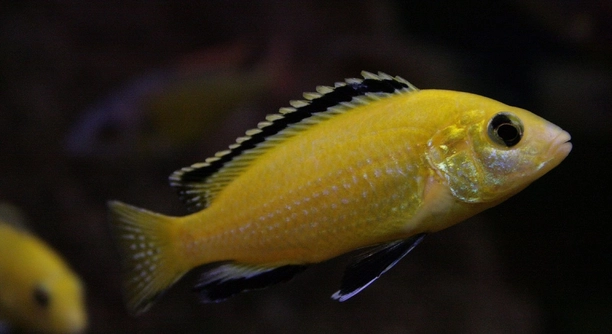
Do you ever watch your tank and notice how some moments feel completely still, as if time slows down inside? These calm intervals can be surprisingly soothing and create a peaceful rhythm in daily tank care.
Tank calmness peaks during specific moments when activity is minimal and environmental conditions are stable. Observing these intervals reveals patterns in behavior, water movement, and light exposure that contribute to overall serenity and balance within the aquatic habitat.
Recognizing these moments can help improve your tank management and enhance the well-being of its inhabitants. Tracking calm periods is both practical and satisfying for any aquarist.
Early Morning Stillness
The first light of day brings a unique calm to the tank. During these early hours, fish tend to move slowly, exploring their surroundings with gentle curiosity. The water itself seems smoother, with fewer disturbances, creating a serene environment that feels almost untouched. Algae reflect the soft light, and plants sway subtly without sudden movements. Observing this period allows for noticing small details often missed later in the day. Filters and pumps maintain flow, but the activity is minimal compared to peak hours. Feeding schedules are usually not active yet, so fish exhibit natural, unhurried behaviors. These moments offer a quiet snapshot of your tank’s balance. Taking time to watch early morning stillness can reveal patterns in behavior, highlighting which species are more active or reserved. It also helps in identifying if environmental conditions, like temperature and lighting, are optimal for all inhabitants. Early morning calm often sets the tone for a more predictable day.
Early morning stillness is characterized by minimal movement and stable conditions, offering a clear view of natural behavior patterns and overall tank health.
Spending time observing this quiet period makes maintenance decisions easier and enhances appreciation for the tank’s subtle rhythms. It’s a peaceful, insightful start to the day.
Midday Low Activity
During midday, activity can dip unexpectedly. Fish often find shaded spots or hover near decorations, reducing movement noticeably.
Fish take advantage of quieter conditions during the middle of the day to rest and conserve energy. Lighting may be brighter, yet flow and feeding routines create a natural lull. Fish navigate the tank in small bursts, avoiding stress from high activity periods. Watching during these hours shows which areas are most comfortable and how each species manages their energy. Plants and décor also appear more prominent, as reduced movement creates clear views throughout the tank. Sediment and detritus settle slightly, and water clarity improves visually. Midday calm can provide opportunities to clean gently or observe fish health without disturbing their natural behavior. These periods are important for long-term stability, helping prevent stress from constant motion or overcrowding in active spots. Recognizing mid-afternoon lulls allows for better feeding and care timing.
This mid-day quietness helps maintain harmony and gives insight into energy patterns across the tank.
Evening Glow
Evening brings a softer light that changes the tank’s atmosphere. Fish move slower, exploring corners or resting near plants. The water reflects warmer tones, creating a soothing, calm environment that is easy to enjoy.
Fish adjust to the fading light by reducing rapid movements. Some species seek shelter while others hover near the surface, responding to dimmed lighting. This period shows natural behaviors clearly, as there is less competition or disturbance from feeding or external activity. Watching fish during evening glow highlights their preferred spaces and interactions. Observing patterns during this time can reveal which areas are most comfortable and how social hierarchies play out in low-energy periods. The glow from lamps or sunset filtering through windows adds to a peaceful visual effect, making it easier to spot subtle details. Evening calm is a consistent marker of the tank’s health and harmony, showing how creatures adapt to daily changes naturally.
Slower movements dominate, creating clear opportunities to monitor fish health and behavior without stress. Evening glow helps maintain balance across the tank environment.
Filter Pause
When filters temporarily slow or pause, the tank noticeably calms. Water movement decreases, and fish respond by floating gently or resting, making their behavior easier to observe.
During filter pauses, the reduction in flow reveals hidden patterns in fish movement and plant behavior. Fish may explore areas normally disturbed by currents or linger in spots they usually avoid. Sediment and particles settle more quickly, offering a clearer view of the tank’s layout and inhabitants. These brief pauses can show how well fish adapt to minor changes and help identify potential areas needing care. It also provides a unique chance to notice individual personalities, like shy species or those that patrol territories. Plants adjust to the calmer flow, swaying subtly without forceful movement. Observing during filter pauses gives insight into how currents affect feeding, social interaction, and resting areas. These moments reveal a natural rhythm often masked by constant water circulation.
Even small pauses in filtration offer meaningful observations, improving understanding of fish needs and tank dynamics.
Nighttime Rest
At night, the tank becomes almost motionless. Fish settle into preferred hiding spots, and water movement is minimal. Darkness encourages rest, creating a peaceful atmosphere throughout the tank.
Plants and decorations appear more still, with subtle sways from residual water movement. The quiet environment allows fish to recover energy for the next day.
After Feeding Calm
Once feeding ends, fish gradually return to normal activity. Energy levels drop, and movement slows noticeably. This calm period highlights how feeding impacts behavior.
Observing after feeding provides insight into social interactions and territorial habits. Fish may linger near food sources briefly before dispersing, giving a clear view of their routines. Sediment settles, and the water regains clarity. Watching this moment can indicate whether feeding amounts and locations suit all species. It also helps identify any shy or slower eaters, ensuring all fish are nourished. The post-feeding lull reflects a balance in activity, making it easier to maintain harmony and spot potential issues without disturbance.
Light Dim Transition
When lights gradually dim, the tank atmosphere softens. Fish respond with slower, smoother movements, reflecting the change in illumination.
FAQ
How can I tell when my tank is at its calmest?
The calmest moments usually happen when fish move slowly, plants sway gently, and water flow is minimal. Early mornings, midday lulls, and evening transitions often show the clearest signs. Observing these periods regularly helps you understand daily patterns and predict behavior.
Does lighting affect tank calmness?
Yes, lighting has a strong influence. Bright lights may increase activity, while softer or dimmed lighting encourages slower, more relaxed movement. Gradual changes in light, such as sunrise and sunset simulations, allow fish to adjust naturally without stress.
Can tank decorations influence calm periods?
Absolutely. Plants, rocks, and other hiding spots provide comfort and reduce stress. Fish often retreat to these areas during low-activity periods, creating observable calmness. Well-placed décor can also prevent overcrowding in popular spots and maintain a peaceful flow throughout the tank.
Do feeding schedules impact calm moments?
Feeding creates temporary bursts of activity. After fish finish eating, movement slows and water becomes quieter, offering a clear post-feeding calm period. Observing this moment helps assess feeding amounts, ensure all fish are eating properly, and maintain balance in energy levels across species.
Is water flow important for calmness?
Yes. Filters and pumps create currents that affect fish movement. During filter pauses or slower flows, fish often move more gently, and sediment settles. Understanding how water flow interacts with species behavior can help you adjust settings for a more relaxed environment.
How do different species react to calm periods?
Species react differently. Some fish prefer open spaces during quiet times, while others retreat into plants or decorations. Observing these behaviors helps identify social hierarchies, territorial preferences, and stress levels, improving long-term tank management and harmony among inhabitants.
Can nighttime influence calmness?
Nighttime is naturally quiet. Fish rest in preferred hiding spots, and movement is minimal. Minimal disturbance during dark hours allows for energy recovery, improves health, and maintains a natural rhythm. Using dim or red lighting for observation avoids interrupting this period.
How do I maintain calm periods consistently?
Consistency in lighting, feeding, and water flow helps maintain regular calm periods. Avoid sudden changes that could disturb patterns. Regular observation allows you to notice shifts in behavior or health, making it easier to respond to environmental or social changes in the tank.
Are calm periods important for fish health?
Yes. Calm periods allow fish to rest, reduce stress, and recover energy. They also promote natural behaviors and prevent overexertion. Maintaining these periods supports overall tank stability, encourages healthy growth, and helps prevent aggressive interactions during active hours.
What role does plant growth play in calmness?
Plants provide hiding spots and reduce water movement slightly, contributing to a serene environment. Healthy plant growth encourages fish to explore and settle calmly, while overgrown areas can offer additional shelter and reduce stress in densely populated tanks.
Can I measure calmness scientifically?
While not precise, observation of movement patterns, water clarity, and fish positioning offers practical insight. Tracking these factors over time can reveal trends, help adjust environmental settings, and confirm when tanks are functioning harmoniously.
How long do calm periods usually last?
It varies based on species, tank size, lighting, and feeding schedules. Early mornings, mid-afternoon lulls, post-feeding, and evenings often last from a few minutes to several hours. Observing and noting these intervals helps in planning care routines and understanding natural behaviors.
Do tank size and population affect calmness?
Yes. Larger tanks with well-distributed décor allow multiple calm zones, while crowded tanks may have fewer peaceful periods. Population balance, compatible species, and adequate hiding spaces contribute to longer, more consistent calm intervals.
Can temperature changes disrupt calm periods?
Even small temperature fluctuations can increase activity or stress. Maintaining stable temperatures supports regular calmness, reduces aggressive behavior, and encourages natural resting patterns. Gradual changes are preferable to sudden shifts to avoid disturbing fish routines.
What are signs that a calm period is abnormal?
Restlessness, hiding in unusual spots, rapid swimming, or abnormal interactions may indicate stress or health issues. Consistent observation during calm periods helps identify these warning signs early, allowing for timely interventions in feeding, lighting, or water quality.
How often should I observe calm periods?
Daily observation is ideal. Early mornings, post-feeding, and evenings are the most informative. Regular monitoring helps track changes over time, ensures all fish are thriving, and allows for fine-tuning of tank conditions to maintain long-term balance and peace.
Are there tools to help track calmness?
Yes. Timers for lights, automated feeders, and flow regulators can standardize conditions. Cameras or logs help record patterns, making it easier to review behavior, identify trends, and optimize tank management for consistent calm periods.
Can calm periods improve interaction with the tank?
Observing calm moments allows for better understanding of fish behavior and tank dynamics. These periods provide opportunities to notice personalities, interactions, and preferences, making care routines more informed, gentle, and effective.
Does filter maintenance affect calmness?
Regular maintenance ensures steady flow and prevents sudden disruptions that could stress fish. Scheduled cleaning, without over-disturbing the tank, helps preserve natural calm periods while maintaining water quality and overall habitat health.
Can I encourage longer calm periods?
Yes. Consistent lighting, predictable feeding, gentle water movement, and adequate hiding spaces support longer calm intervals. Gradual changes and attention to species needs help create a stable environment where peaceful behavior becomes the norm.
Are calm periods more noticeable in planted tanks?
Planted tanks often show clearer calm periods. Plants provide shelter, reduce strong currents, and encourage natural, slower movements. Observing in planted setups highlights subtle interactions and resting behaviors that might be overlooked in bare or sparsely decorated tanks.
Do seasonal changes affect calm periods?
Seasonal variations in light, temperature, or activity levels can influence calmness. Adjustments to lighting duration and temperature control help maintain consistent patterns, allowing fish to adapt without unnecessary stress. Tracking changes ensures periods remain predictable year-round.
Can calm periods indicate overall tank balance?
Yes. Regular, predictable calm periods suggest healthy water parameters, stable populations, and proper care routines. Irregular or absent calmness may signal stress, overcrowding, or environmental issues, making observation a practical tool for tank management.
Are all fish active during calm periods?
No. Some species naturally rest or hide, while others may continue minor movement. Recognizing these differences is important for understanding species-specific behavior and ensuring that each fish has appropriate space and resources for stress-free activity.
How can I use calm periods to improve tank setup?
Observing calm behavior shows which areas fish prefer for resting, feeding, or hiding. This information guides decoration placement, lighting adjustments, and water flow modifications, creating a more comfortable and harmonious environment tailored to your tank’s inhabitants.
Can observing calm periods prevent problems?
Yes. Regular observation helps identify early signs of illness, aggression, or environmental stress. Noticing changes in movement, hiding spots, or social behavior allows proactive care, preventing issues before they escalate and maintaining long-term tank health.
Does tank cleaning disrupt calm periods?
It can. Gentle, infrequent cleaning minimizes disturbance. Observing fish behavior before and after cleaning ensures maintenance doesn’t induce stress, preserving natural calm intervals while keeping the environment safe and healthy.
Are calm periods more noticeable in smaller tanks?
Smaller tanks may show more immediate changes in movement and behavior, making calm periods more apparent. However, space limitations can also reduce the number of comfortable zones, so careful decoration and population balance are essential.
Can water quality influence calmness?
Poor water conditions increase stress and activity levels. Maintaining proper filtration, temperature, and chemistry supports regular calm periods, ensuring fish feel secure and behave naturally throughout the day.
Do fish personalities affect calm periods?
Yes. Shy or territorial species may retreat during active periods but become visible during calm moments. Recognizing these traits helps you provide appropriate shelter and feeding areas for all fish.
Can calm periods help with breeding observations?
Yes. Quiet moments reveal natural behaviors, courtship rituals, and interactions that may be hidden during busy times. Observing during calm periods can guide timing for breeding and ensure minimal disturbance.
How can I balance activity and calmness?
Regular feeding, stable lighting, and consistent water flow maintain a predictable rhythm. Adjusting these elements gradually allows for active periods without disrupting necessary calm intervals, supporting fish health and tank harmony.
Do plants react to calm periods?
Plants sway gently with water movement. During calm periods, slower currents allow subtle motion and growth to be more visible. Healthy plants contribute to stress reduction and improve the overall serenity of the tank environment.
Can calm periods indicate stress recovery?
Yes. Fish that settle after disturbances or feeding indicate proper adaptation and stress recovery. Observing these intervals helps assess the effectiveness of environmental adjustments and the overall well-being of the tank’s inhabitants.
Is it normal for some fish to ignore calm periods?
Some species remain active even during quieter times. This is often natural, especially for predators or patrolling fish. Monitoring these individuals ensures their activity does not disturb calmer species or create imbalance.
How can I record calm periods effectively?
Keeping a daily log of light cycles, feeding times, and observed behaviors helps track calm periods. Notes on species-specific patterns, hiding spots, and movement allow for adjustments to support longer, more consistent peaceful intervals.
Are calm periods different in community tanks?
Yes. Multiple species interact differently, creating staggered activity patterns. Some fish may be active while others rest. Observing and understanding these dynamics ensures all species maintain stress-free behavior and access to safe spaces.
Do filter types affect calm periods?
Strong currents from certain filter types can increase activity. Adjustable or low-flow filters encourage longer calm intervals. Matching filter strength to species needs supports balanced behavior and reduces unnecessary movement.
Can artificial lighting schedules improve calmness?
Yes. Simulating natural light cycles with gradual increases and decreases helps fish anticipate changes, reducing stress. Predictable lighting supports daily calm periods and encourages natural resting behavior.
Are calm periods useful for new tanks?
Absolutely. Observing early calm periods in a new tank helps gauge acclimation and adaptation. Patterns show whether fish are settling, finding shelter, and responding well to water conditions.
Do seasonal plant changes affect calmness?
Yes. Seasonal growth or decay can alter hiding spaces and water flow. Monitoring plant health ensures consistent calm periods, as fish adjust to changes in coverage and movement throughout the tank.
Can aquarium decorations mimic natural calm zones?
Yes. Rocks, caves, and plants provide areas for rest and reduced movement. Arranging these strategically encourages fish to retreat during active periods, supporting longer calm intervals and natural behaviors.
Is water temperature stability crucial for calm periods?
Yes. Sudden temperature shifts can cause stress or hyperactivity. Maintaining a steady temperature ensures predictable behavior, supporting natural calmness and preventing unnecessary disturbances in daily patterns.
Do tank size adjustments affect calm periods?
Increasing space can create more zones for rest and reduce competition, promoting longer calm intervals. Observing fish responses to layout changes helps ensure new configurations support both activity and peaceful periods.
Can calm periods indicate proper social balance?
Yes. When fish interact normally and settle into quiet periods, it shows compatible group dynamics. Disturbed calm periods may suggest territorial disputes or incompatibility, guiding adjustments in population or décor.
How long should I monitor calm periods for patterns?
Several weeks of consistent observation are ideal. This allows recognition of trends across days and weeks, ensuring calm periods are stable and helping identify any irregularities early for corrective action.
Do calm periods differ by species activity levels?
Yes. Active species may show shorter or less noticeable calm intervals, while more sedentary species extend these periods. Understanding these differences helps create a tank environment that suits all inhabitants.
Can calm periods indicate environmental improvements?
Yes. Observing longer or more consistent calm intervals often reflects stable water parameters, proper lighting, and effective tank management. Tracking changes confirms whether adjustments benefit the overall ecosystem.
Do plants need adjustment to maintain calm periods?
Occasionally. Trimming or repositioning plants ensures hiding spots remain accessible and flow is not overly obstructed. Proper maintenance supports consistent calm intervals and overall tank health.
How can I encourage shy fish during calm periods?
Providing additional hiding spots and maintaining predictable routines helps shy species feel secure. Observing their behavior during quiet periods shows gradual confidence and natural activity increases over time.
Are calm periods affected by human presence?
Yes. Frequent tapping, shadows, or sudden movements can disrupt calm intervals. Minimizing disturbances ensures fish maintain natural behavior and resting patterns, preserving tranquility throughout the tank.
Can calm periods reveal feeding competition?
Yes. Watching post-feeding activity during calm periods highlights dominant and submissive fish. Identifying patterns allows adjustments in feeding methods, ensuring equitable access to food and reducing stress.
Do decorations influence swimming patterns during calm periods?
Yes. Fish may use plants and rocks as pathways or resting points. Observing movement during quiet times helps determine optimal placement for natural, stress-free navigation and longer calm intervals.
Are calm periods useful for observing breeding behavior?
Yes. Reduced activity allows subtle courtship, nest-building, and pairing behaviors to be noticed. These moments are often the best time to monitor breeding without disrupting natural processes.
Can calm periods help prevent disease?
Indirectly. Stress reduction during calm intervals supports immune function. Observing behavior and noticing changes during these times helps detect early signs of illness, allowing timely intervention and maintaining overall tank health.
Do tank size and shape influence calm periods?
Yes. Wider, deeper, or irregularly shaped tanks create natural zones for resting. Fish can spread out, reducing stress and promoting longer, more noticeable calm intervals. Proper layout ensures both activity and quiet periods coexist effectively.
How do I balance active and calm periods?
Scheduling feeding, adjusting light cycles, and controlling flow help maintain rhythm. Allowing natural breaks and sufficient space ensures both energetic and peaceful intervals are predictable, supporting fish health and overall tank stability.
Can calm periods improve observation of small details?
Yes. Reduced movement allows closer inspection of fish coloration, plant health, and substrate condition. Quiet periods make it easier to spot minor changes that could indicate problems or successes in tank management.
Do filter maintenance schedules affect calm periods?
Yes. Routine, gentle cleaning prevents sudden changes that disrupt quiet intervals. Maintaining consistent flow supports regular calm periods while ensuring water quality remains high.
Are calm periods consistent across the day?
Not always. They often occur in early morning, midday, post-feeding, evening, and nighttime. Observing each period helps understand natural cycles and plan care around predictable intervals.
Can observing calm periods enhance enjoyment?
Yes. Watching subtle behaviors, gentle movements, and resting positions brings satisfaction. These moments reveal personality, patterns, and the overall harmony of the tank, making care more rewarding.
Do calm periods vary by tank type?
Yes. Planted, reef, freshwater, or community tanks all show differences. Species composition, décor, and water flow affect the timing, length, and intensity of calm intervals. Observing specific tank conditions ensures accurate understanding.
Can monitoring calm periods reduce stress for the keeper?
Yes. Understanding predictable patterns and natural resting behaviors helps plan maintenance, feeding, and observation without causing disturbance. This reduces anxiety for both the keeper and the tank inhabitants.
How can I track calm periods efficiently?
Keeping a simple log with time, lighting, feeding, and observed behavior helps identify trends. Cameras or short notes make it easier to track long-term patterns and make adjustments to optimize tranquility and health.
Do calm periods provide insight into water quality changes?
Yes. Sudden disruptions or restless behavior during expected calm periods may indicate pH, temperature, or chemical imbalances. Regular observation allows for early detection and corrective measures to maintain a stable environment.
Are there times when calm periods are less obvious?
Yes. Active species, overcrowding, or strong currents can mask calm intervals. Adjusting décor, flow, and population balance can make these periods more noticeable and beneficial for observation and tank management.
Do calm periods help with planning tank decorations?
Yes. Observing where fish settle during quiet moments shows which areas are preferred for hiding or resting. Decorations can be adjusted to optimize these zones, creating more natural and stress-free environments.
Can calm periods indicate proper feeding levels?
Yes. After feeding, observing how quickly fish settle into calm behavior helps assess if portions are appropriate. Overfeeding may prolong activity, while insufficient food may cause restless searching behavior, disrupting calm intervals.
How long do fish usually remain in calm states?
Varies by species, environment, and daily cycle. Quiet periods can last from a few minutes to several hours. Tracking these durations helps optimize tank routines and maintain consistent, predictable behavior.
Do calm periods differ between freshwater and saltwater tanks?
Yes. Water parameters, species, and density influence how calm intervals appear. Saltwater tanks often show subtler calm behaviors due to active reef species, while freshwater setups may have more noticeable resting periods.
Can calm periods be influenced by room activity?
Yes. High traffic, noise, or vibrations may reduce the length or consistency of calm intervals. Choosing a quieter location and minimizing disturbances ensures predictable, peaceful behavior.
Do all fish need calm periods?
Yes. Even naturally active species benefit from brief resting moments. Calm periods support energy recovery, stress reduction, and overall health, making them essential for long-term tank stability and harmony.
How can I encourage consistent calm periods?
Maintaining regular lighting, feeding schedules, gentle water flow, and adequate shelter encourages predictable quiet intervals. Observing patterns over time allows adjustments to create a stable, harmonious environment for all species.
Are calm periods helpful for observing tank equipment?
Yes. Reduced activity allows closer inspection of filters, heaters, and pumps without fish interference. Observing during these periods ensures equipment functions properly and minimizes disruption to the tank ecosystem.
Can calm periods indicate compatibility between species?
Yes. Fish that settle peacefully together during quiet intervals demonstrate compatible behavior. Disrupted calm periods may indicate territorial or aggressive interactions, signaling the need for adjustments in population or layout.
Do plants enhance the length of calm periods?
Yes. Healthy plants provide shelter, slow currents, and encourage resting behavior. Well-maintained vegetation supports predictable and extended calm intervals, benefiting both fish and overall tank harmony.
Are calm periods a sign of successful tank acclimation?
Yes. Fish that settle into quiet behavior after introduction show proper acclimation. Monitoring these intervals helps assess adaptation, stress levels, and the overall health of the ecosystem.
Can calm periods reveal social hierarchy?
Yes. Observing fish during quiet intervals shows dominant and submissive behavior, preferred resting spots, and territorial boundaries. Understanding these dynamics helps maintain balance and reduces conflict.
Do seasonal changes affect calm periods significantly?
Yes. Variations in light, temperature, and activity can alter patterns. Monitoring and adjusting care ensures calm intervals remain consistent despite seasonal
Observing your tank over time shows how calm periods play an important role in its balance. These moments reveal natural behaviors, patterns in movement, and the interactions between different species. Early mornings, post-feeding, evenings, and nighttime all have distinct periods of low activity. During these times, fish settle into hiding spots, glide gently through the water, and rest in ways that are easy to miss during busier hours. Watching these periods regularly can give insight into which areas of the tank are most comfortable and which fish prefer certain spaces. It also helps identify subtle changes in behavior, which may indicate stress, illness, or issues with water quality. Calm moments are not just relaxing to watch—they provide valuable information for maintaining a healthy tank and ensuring that all species thrive in a balanced environment.
Calm periods also highlight the impact of environmental factors on fish behavior. Lighting, water flow, feeding schedules, and decorations all influence how and when fish settle down. Gradual lighting changes, for example, can encourage slower, smoother movements, while strong currents or abrupt changes can disrupt quiet periods. Plants and decorations offer shelter and resting areas, which are particularly useful for shy or territorial species. Filters and pumps contribute to water circulation, but brief pauses or slower flow can create noticeable calmness, allowing fish to adjust and rest. Observing how different species respond to these factors helps in planning tank layout, feeding routines, and maintenance schedules. Understanding these influences allows you to create conditions that support longer, more predictable calm intervals and a healthier, more harmonious tank overall.
Finally, calm periods are a key indicator of overall tank stability. When fish regularly settle into quiet moments, it shows that environmental conditions are suitable, the population is balanced, and the daily routines support natural behaviors. Maintaining these periods requires attention to consistent lighting, proper feeding, water flow, and shelter, but the effort pays off in both the well-being of your fish and the ease of tank management. Calm intervals also provide opportunities for observation and connection, helping you notice details such as coloration, growth, or minor behavioral changes that might otherwise go unnoticed. By paying attention to these moments, you not only ensure the health and comfort of your tank’s inhabitants but also create an environment that feels peaceful and controlled, making care routines simpler and more rewarding. Regular observation of calm periods strengthens your understanding of your aquarium and encourages a more intentional, attentive approach to maintaining a thriving aquatic habitat.

Hello,
If you enjoy the content that we create, please consider saying a "Thank You!" by leaving a tip.
Every little bit helps us continue crafting quality advice that supports the health, happiness, and well-being of pets around the world, for pets of all shapes, sizes, and species.
We really appreciate the kindness and support that you show us!